Lava
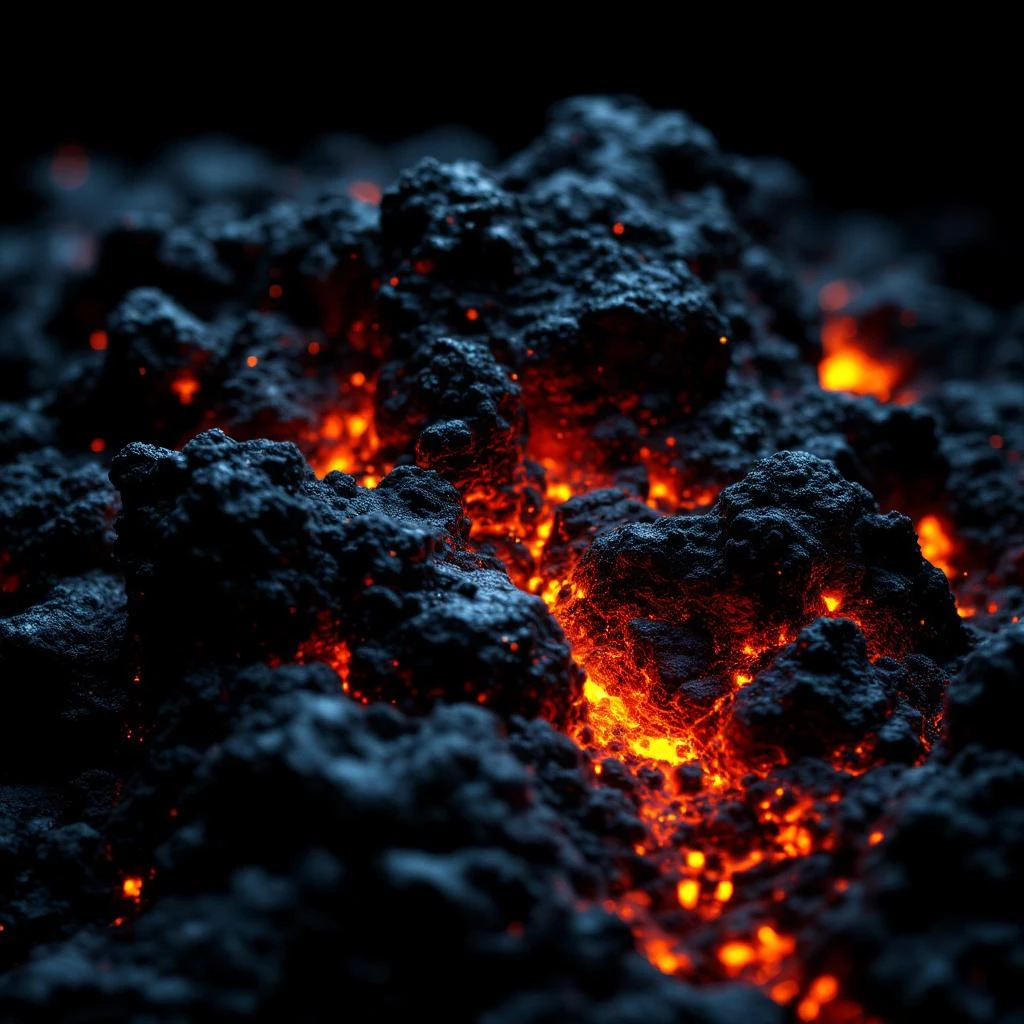
Volcanic mineral and ash accord capturing the primal essence of molten earth. Creates smoky, mineral, and deeply grounding base notes. Adds geological depth and smoky intensity to fragrance compositions, evoking primordial landscapes.
Character
How it smells
Earth's primal fire captured in mineral smoke, grounding compositions with primordial depth.
Volcanic ash from Hawaiian eruptions has been studied as a fragrance material since the late 20th century, prized for its unique mineral-smoke profile.






Origin
Hawaii (natural) or laboratory-synthesized (synthetic)
The use of volcanic materials in perfumery represents a relatively modern development compared to the ancient history of plant-based fragrance ingredients. While ancient civilizations used incense, resins, and botanicals, volcanic minerals entered the perfumer's palette only as analytical chemistry advanced enough to identify their aromatic compounds. The late 20th century saw increasing interest in geological and mineral notes as perfumers sought to expand beyond traditional aromatic families.
Volcanic themes have appeared throughout perfumery's conceptual history, often tied to the elemental power of earth, fire, and transformation. Several fragrance houses have launched volcanic-themed collections, particularly targeting masculine and unisex markets where mineral-earthy associations carry specific brand positioning. These fragrances typically employ volcanic-inspired synthetic molecules rather than actual extracted volcanic materials.
The mythology of lava and volcanic fire appeals to perfumers seeking primal, elemental narratives. While the historical documentary record on actual lava-based perfumery is sparse, the conceptual framework of volcanic ingredients has established a meaningful presence in contemporary fragrance marketing and formulation. Perfumery scholars note that materials evoking geological phenomena often carry significant symbolic weight in fragrance storytelling, regardless of whether the materials themselves have deep historical precedent.
Wears it best
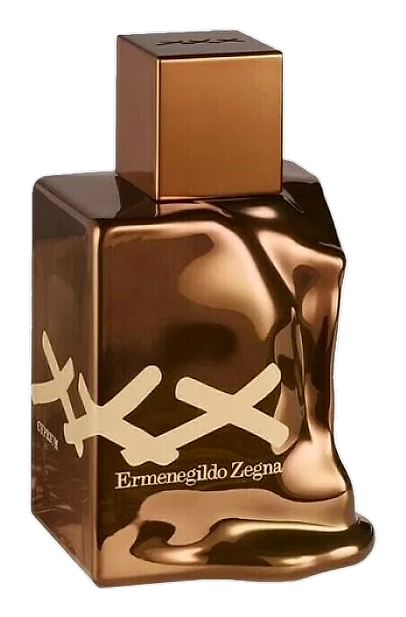
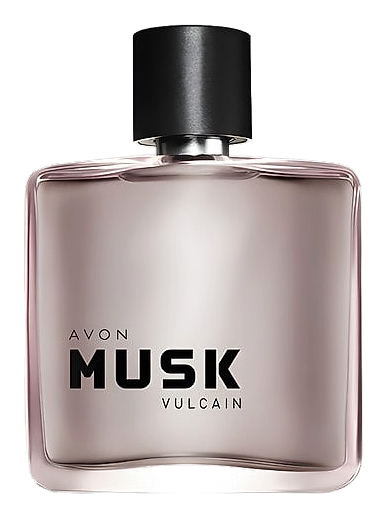
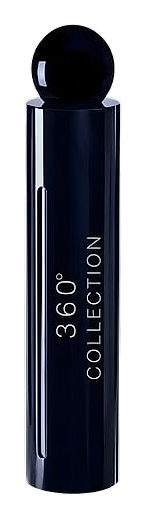
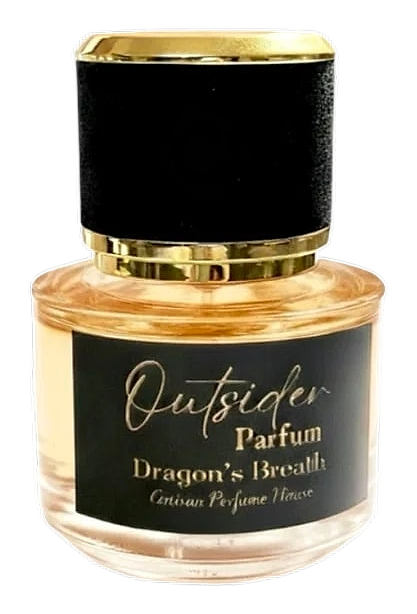
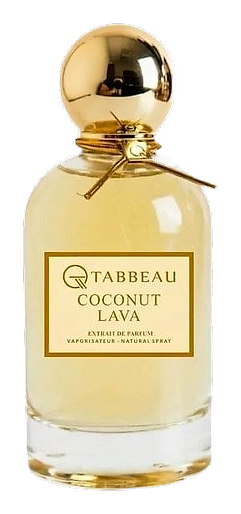
Fragrances featuring Lava
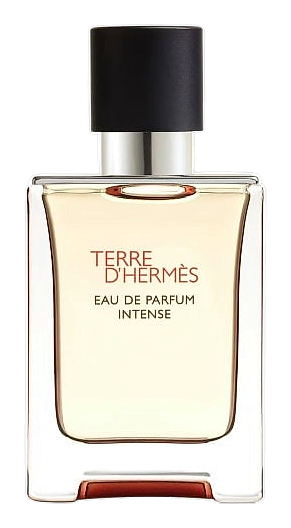
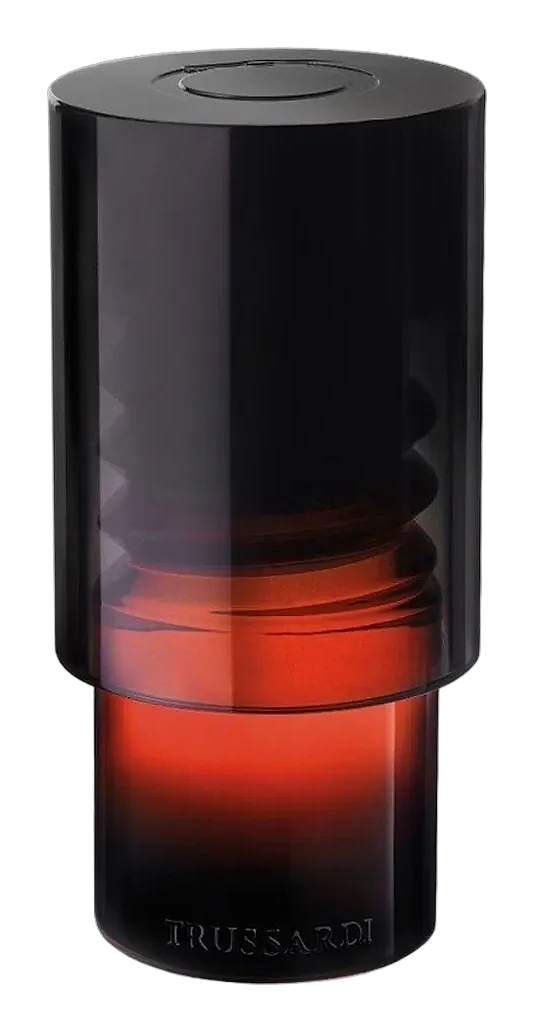
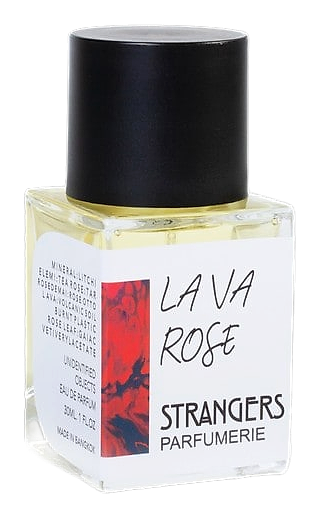
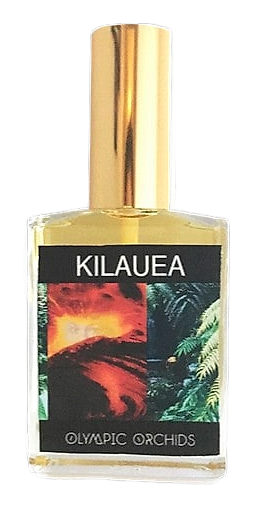
Good to know
Questions, answered
The essentials on Lava in perfumery: how it smells, where it comes from, and how it behaves on skin.
What does Lava smell like in perfume?
Lava or volcanic mineral notes present as smoky, earthy, and mineral-smoke combinations. They evoke hot stone, ash, and primal earth character. The profile resembles dry earth, volcanic smoke, and mineral dust rather than plant-derived smoky notes.
Why is Lava used in perfumery?
Volcanic mineral notes add geological depth and primal intensity to fragrances. They create grounding base effects and smoky complexity that differentiates compositions. The elemental imagery also carries strong marketing appeal in masculine and unisex fragrance lines.
Is Lava in perfume natural or synthetic?
Most lava-inspired fragrance ingredients are synthetic molecules designed to evoke volcanic mineral character. Natural volcanic ash absolutes exist but remain rare due to collection challenges and processing complexity. Synthetic alternatives offer consistent olfactory profiles.
What famous perfumes contain Lava?
Several fragrances use volcanic mineral or lava-inspired concepts in their marketing. Perry Ellis and other houses have released volcanic-themed men's fragrances. Natural volcanic absolutes appear occasionally in niche perfumery. Most major releases reference volcanic inspiration thematically rather than containing actual lava extracts.
Is Lava a top note, heart note, or base note?
Volcanic mineral notes function primarily as base notes in fragrance compositions. Their heavy molecular weight and smoky character provide lasting dry-down presence. Mineral-smoke bases typically emerge in the foundation layer where they anchor lighter top and heart notes.
What notes pair well with Lava in perfume?
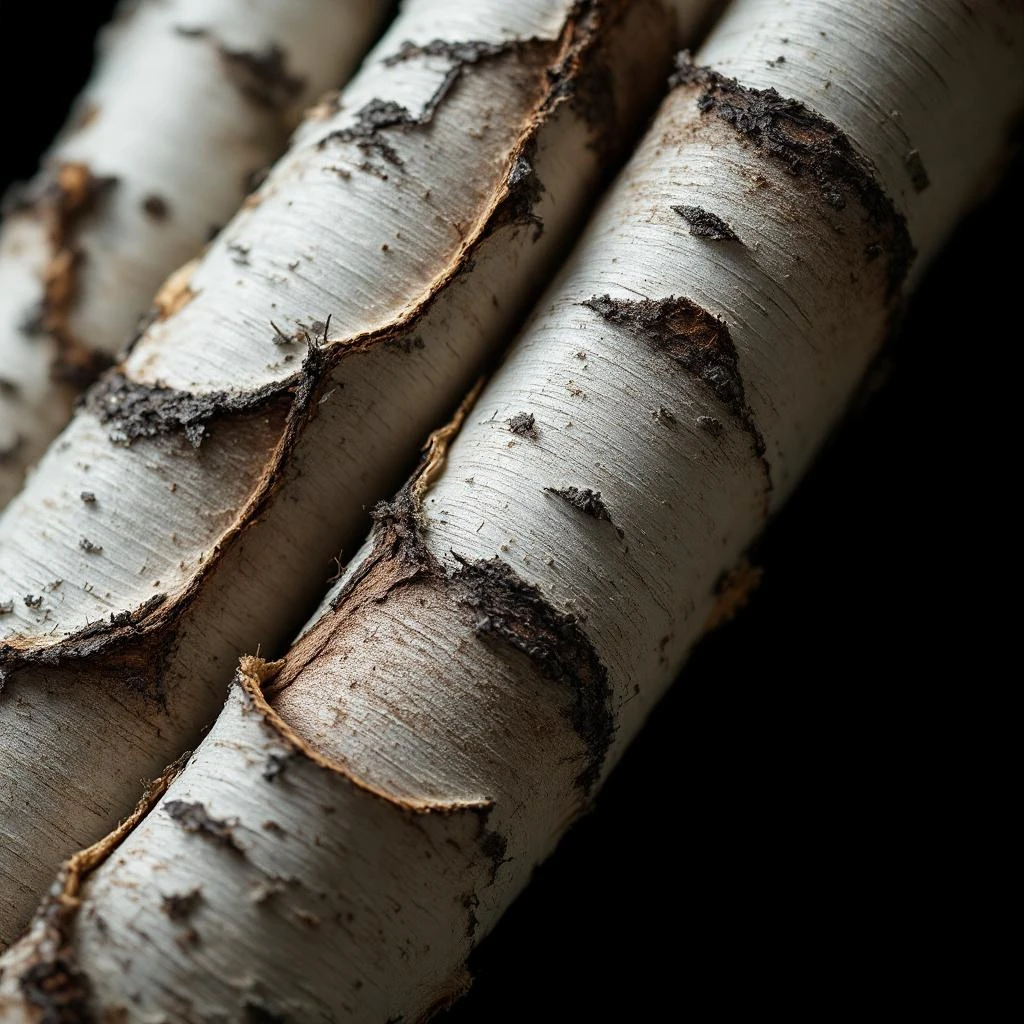
Volcanic mineral notes pair effectively with vetiver, cedarwood, and other woody earth materials. Smoke materials like oud and birch complement volcanic character. Leather, tobacco, and dark amber also harmonize well with mineral-smoke volcanic foundations.
Where does Lava come from?
Natural volcanic absolutes originate from volcanic ash deposits in geologically active regions, with Hawaii as a primary source. Synthetic volcanic molecules are laboratory-synthesized aromatic compounds. Actual extracted volcanic materials remain rare in commercial perfumery.
Is Lava used in men's or women's fragrances?
Volcanic and lava-inspired ingredients appear predominantly in masculine and unisex fragrances. The mineral-smoke profile aligns with traditional masculine fragrance positioning. However, some gender-agnostic luxury niches incorporate volcanic mineral notes for their primal, elemental quality.