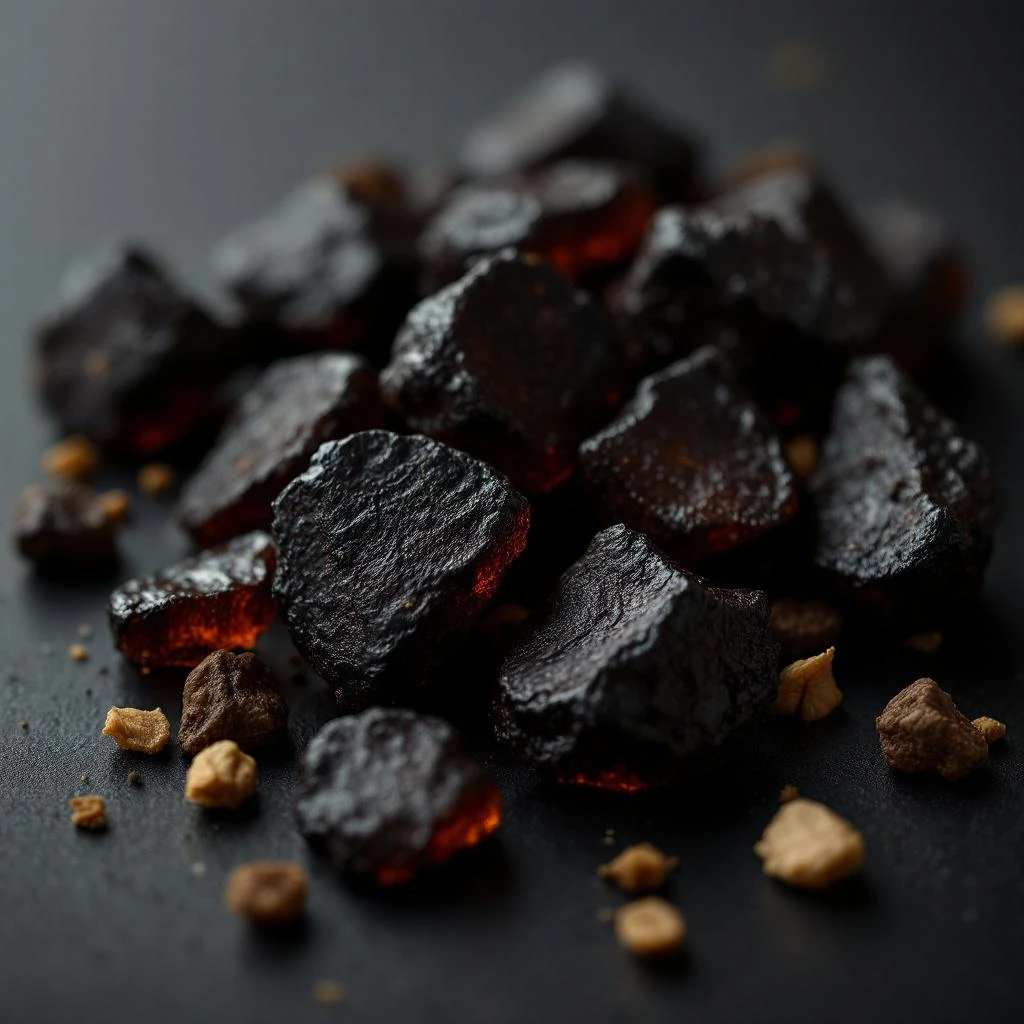
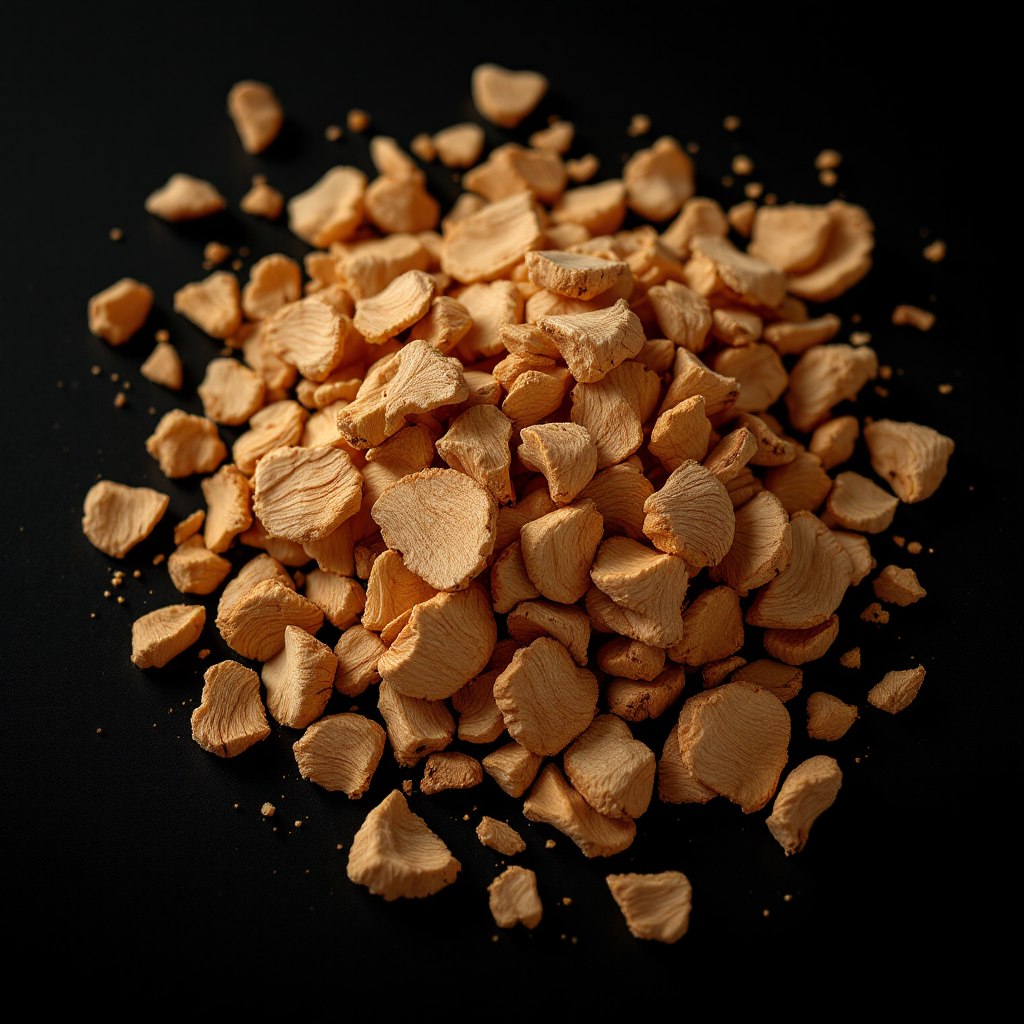
Oak
The oak tree's contribution to perfumery comes not from its bark but from the toasted staves of aged barrels, where time transforms raw wood into liquid scent.
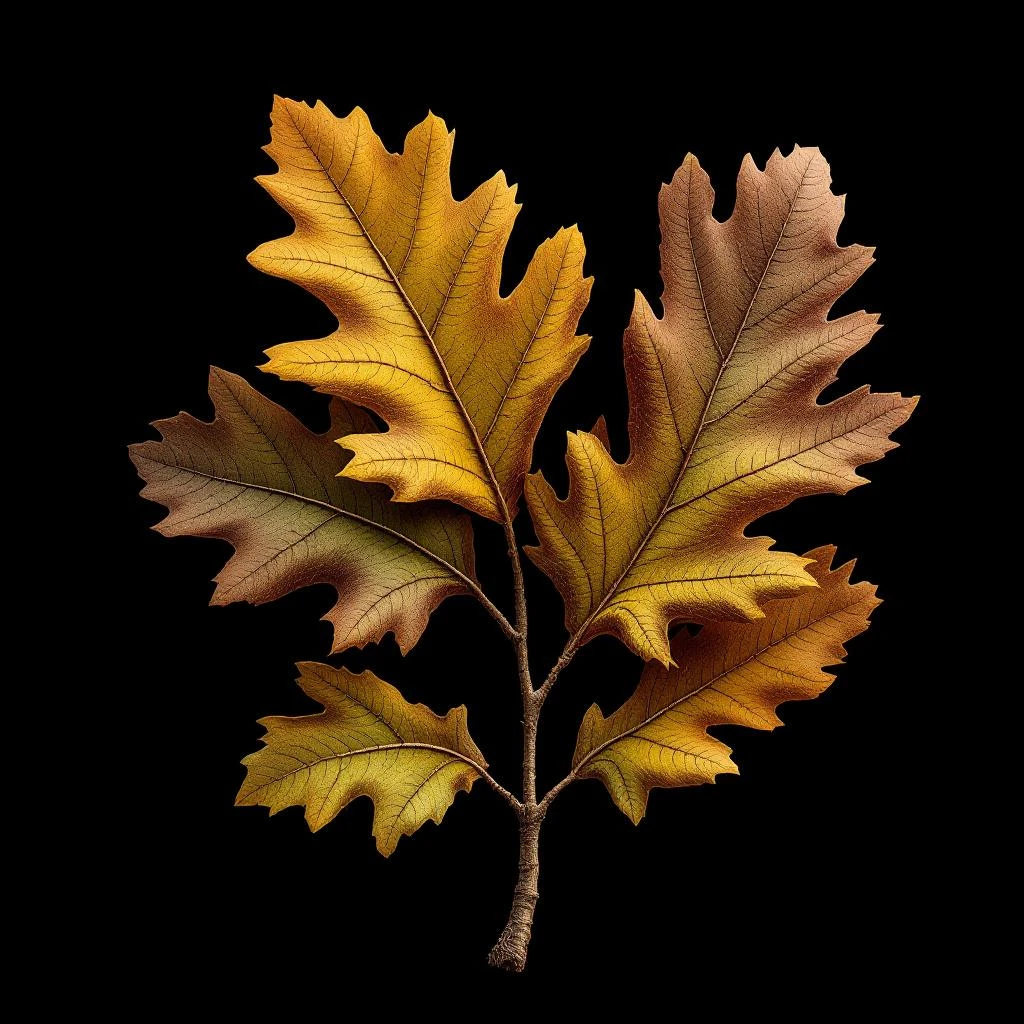
Character
How it smells
Whiskey's gift to perfume
A single whiskey barrel produces enough oak extract for roughly 3,000 perfume bottles, making this byproduct remarkably efficient for fragrance production.








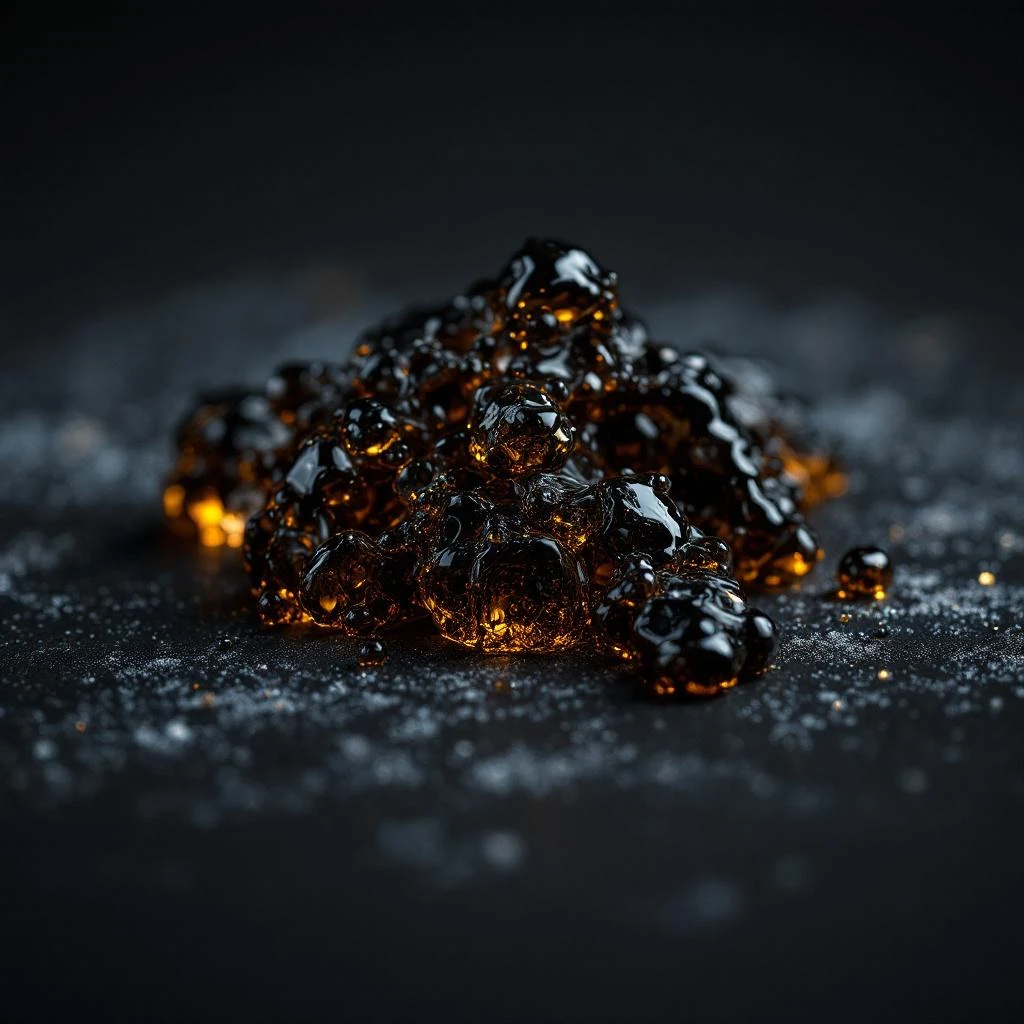
Origin
France
Oak barrels entered Western preservation around 200 BCE, when Roman win merchants discovered that Quercus wood sealed liquids better than clay. Medieval coopers refined these techniques across Europe, with French coopers notably developing specific toasting methods that enhanced wine's complexity.
By the 1700s, wine producers understood that American white oak aged Cognac into something extraordinary. The marriage of spirits and perfume arrived in the 20th century, when perfumers began sourcing spent bourbon barrels from Kentucky distilleries.
These casks yielded oak lactone, the compound responsible for that unmistakable creamy-woody warmth now found in countless fragrances. Today, sustainable sourcing means many perfumers work directly with cooperages, specifying exact toast levels and wood ages to achieve precise aromatic profiles.
Wears it best
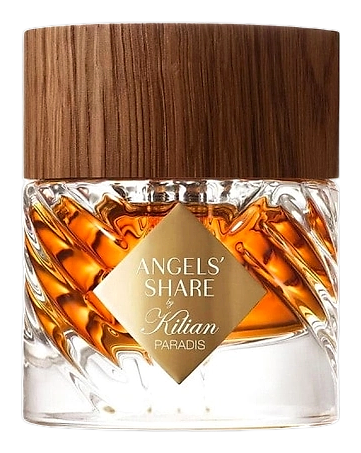
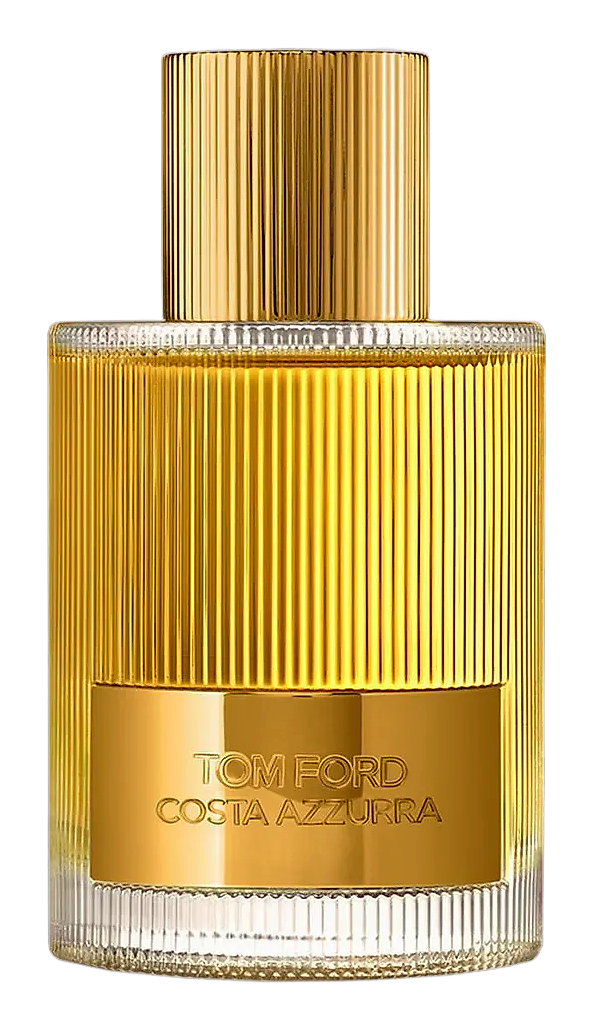
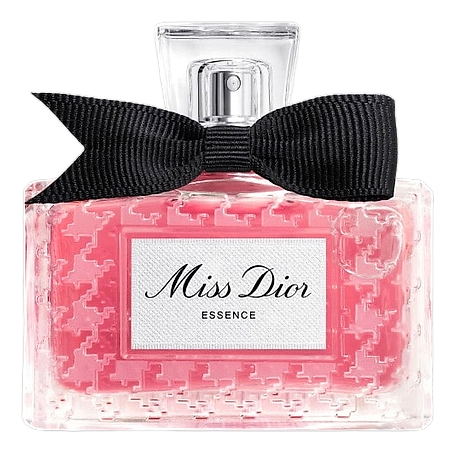
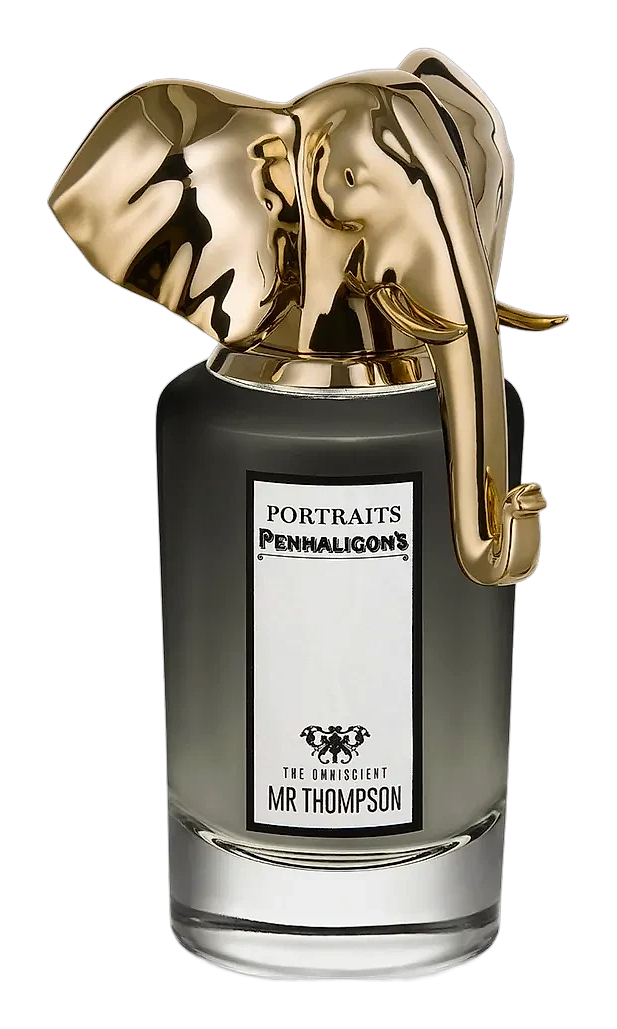
Fragrances featuring Oak
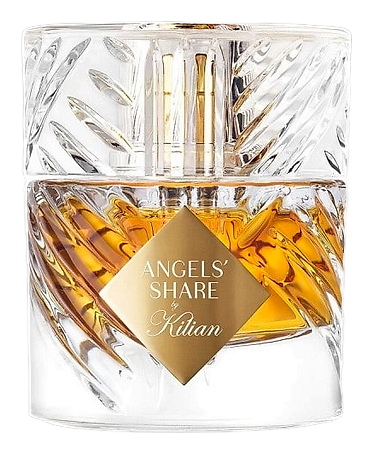

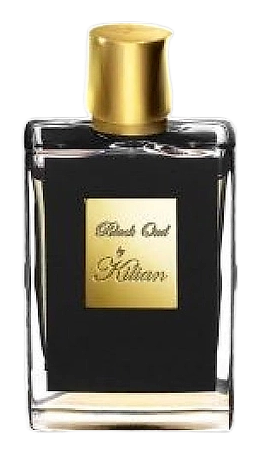
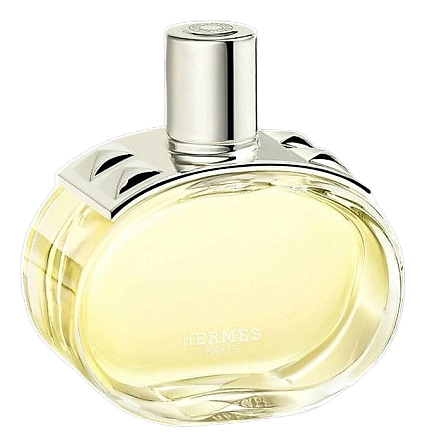
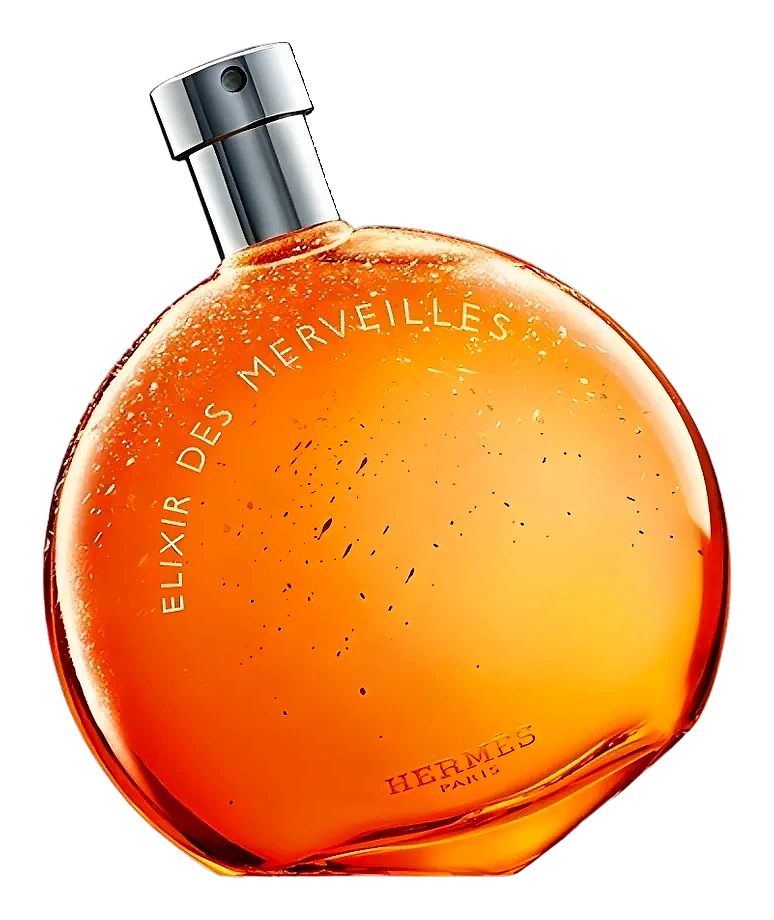


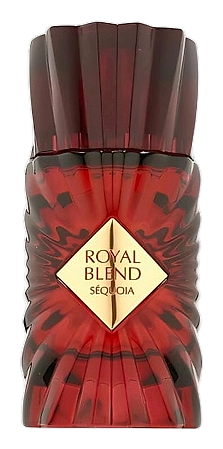
Brands
Brands known for Oak
Good to know
Questions, answered
The essentials on Oak in perfumery: how it smells, where it comes from, and how it behaves on skin.
What does oak smell like in perfume?
Oak delivers warm, creamy wood notes with coconut and sweet vanilla undertones. Oak lactone provides the signature creamy character, while toasted variants add smoky depth. The effect is comforting and sophisticated, anchoring compositions with lasting presence.
Is oak in perfume natural or synthetic?
Natural oak extract comes from barrel aging; perfumers source depleted whiskey, wine, or Cognac casks. Synthetic alternatives exist, but natural oak extracts remain preferred for their complexity. The ingredient bridges spirits production and fragrance creation.
What type of oak is used in perfumery?
French white oak and American white oak dominate perfumery. French oak contributes elegance and spice; American oak adds sweetness and stronger coconut character. Each species produces distinct aromatic profiles based on their wood density and compound distribution.
How is oak extract produced for fragrance?
After spirits aging, barrel staves undergo solvent extraction or steam distillation. Toasting level determines the final aromatic profile, with medium toast delivering vanilla and lactones, while heavy toast produces smoky, dry characters.
Which fragrance families use oak notes?
Oak appears extensively in woody, oriental, and chypre compositions. It pairs naturally with amber, vanilla, and leather accords. Many modern masculine fragrances feature oak as a heart or base note for warmth and longevity.
What compounds make oak distinctive in fragrance?
Oak lactone is the signature molecule, contributing creamy coconut and sweet wood notes. Vanillin provides vanilla warmth, while eugenol adds spice. Guaiacol delivers smoky depth in heavily toasted preparations.
Is oak safe for skin contact in fragrances?
IFRA permits oak extract in consumer fragrances when properly diluted. Concentrations below recommended limits show minimal sensitization risk. As with all fragrance ingredients, patch testing advises for sensitive skin.
What replaces oak in natural perfumery?
For oak-barren situations, perfumers turn to cedarwood for woody depth, vanilla for sweet warmth, or styrax for creamy balsamic qualities. None replicate oak's exact lactone signature, making oak genuinely irreplaceable.