
The Story
Why it exists.
The beginning
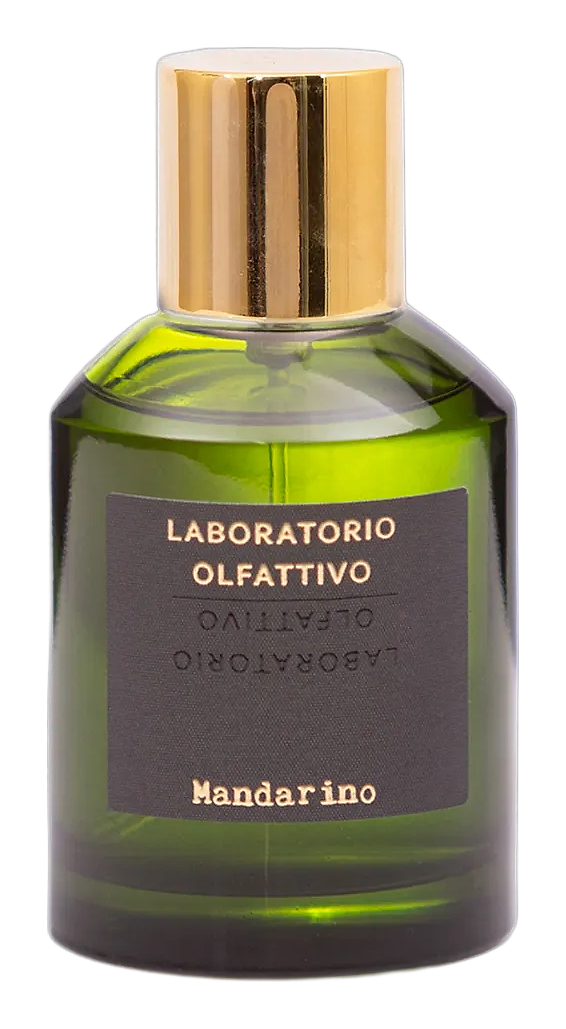
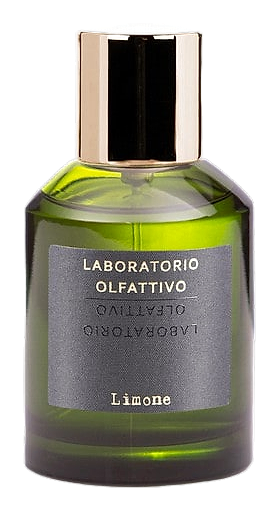
The Viaggio in Italia collection came with one instruction: translate Italian happiness into scent. Five fragrances, five portraits. Limone is the one that smells like standing in a grove at noon, humid air, bright fruit, the heat doing half the work. Jean-Claude Ellena built it from four materials. Italian lemon at the center, because when a brief calls for citrus, there's no point hedging. Ginger to give it warmth without fire. Orange leaf to keep it honest and green. White musk to carry the whole thing past the opening act. It's a composition that trusts simplicity.
The Parfum Cologne designation matters here. These aren't diluted colognes phoning in a citrus top and calling it done. The concentration is higher, the structure more deliberate. Ellena designed around the lemon, not just with it, the ginger and white musk exist to support the citrus through its full arc, not to distract from its fade. That's the difference between a fragrance that smells like a lemon and one that smells like an idea of lemon, held for hours.
The evolution
The lemon arrives clean. Sharp. A rind scraped across warm skin. Within minutes, the ginger emerges, not as spice, but as warmth, like stepping from shade into late afternoon sun. The orange leaf keeps a green thread running underneath, the thing that stops this from becoming a candle or a cleaning product. Then, around the two-hour mark, the citrus softens. White musk takes over, but it doesn't announce itself. It settles close, warm, intimate. The sillage drops to almost nothing, which is exactly the point. By hour four, it's skin. By hour six, someone standing very close might catch it. The drydown smells like clean skin that happened to once have lemon on it.
Cultural impact
The Viaggio in Italia collection from Laboratorio Olfattivo draws on Italian aromatic traditions to create its lemon-focused fragrance. Limone captures the essence of Italian lemon in a concentrated, vibrant form, translating the fruit's sunny disposition into scent. The fragrance opens with an immediate burst of zesty lemon, bright and energizing, before settling into softer, more rounded citrus nuances. As it develops on the skin, subtle floral and slightly sweet undertones emerge, adding depth without overpowering the initial citrus brightness.
The House
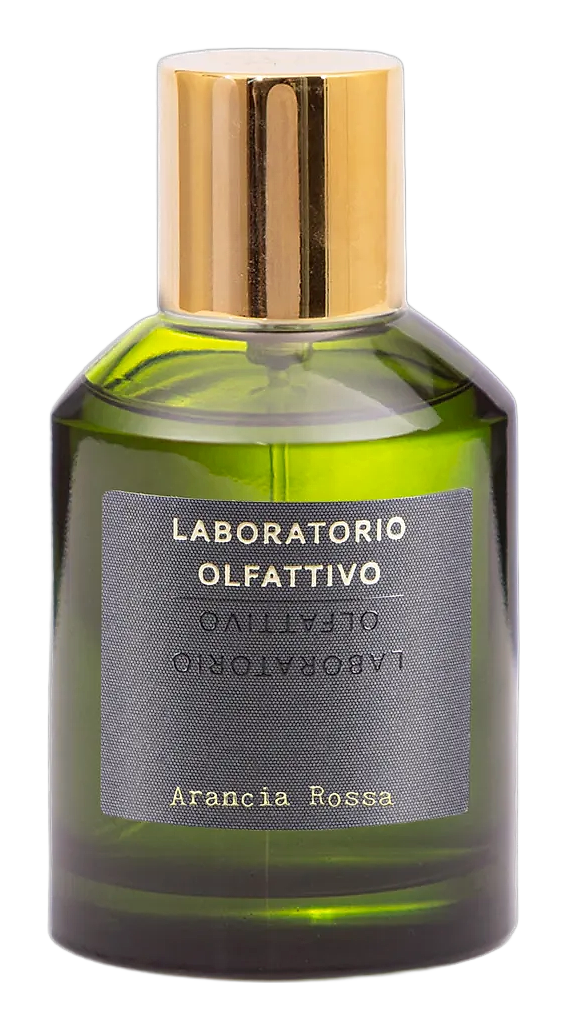
Laboratorio OlfattivoLaboratorio Olfattivo is an independent Italian niche house founded in Rome in 2009 by creative director Roberto Drago and business partner Daniela Caon. The house operates as a creative platform, collaborating with perfume craftsmen who work autonomously under the Laboratorio Olfattivo name rather than operating through an in-house perfumer. Each fragrance exists as its own standalone work, not part of a numbered collection. The house is recognizable by a characteristic dark amber, vetiver, and resin signature anchored by a consistent base structure across releases. Arancia Rossa stands out as a vivid, saturated blood-orange perfume built over that warm amber-vetiver foundation. The catalog spans orientals with deep burnished woods and resins alongside brighter citrus compositions. The output is deliberately unhurried, with one to three new fragrances arriving most years, and the two founders remain the sole creative force behind the label. Roberto's family background runs through the Italian perfume trade, reportedly through his father Luigi Drago's work running a perfume distribution house. By contrast, Laboratorio Olfattivo itself has never sought outside investment, remaining entirely founder-owned and operated. The self-funded structure means完全没有外部资金压力,创意方向不受投资者期望驱动。This shape shifting has translated into a genuine point of view that longtime followers recognize in the catalog. The founding story holds particular interest within the niche fragrance community because the label avoids the conventional channels of beauty entrepreneurism. There is no private label background, no pivot from cosmetics, and no celebrity angle. Instead, a distribution professional and a marketing executive with a shared passion built something from scratch in Rome and held to it for over a decade. The name Laboratorio Olfattivo translates roughly to olfactory laboratory. It signals that the house is understood as a working studio for assembling aromatic materials rather than a heritage brand performing its own mythology. The founder-driven ethos has also meant that the house has remained genuinely small in team size, operating with a long-term perspective rather than chasing market relevance. Every creative decision filters through the two founders, contributing to a catalog that feels internally motivated rather than assembled by committee.
The Creator
Jean-Claude EllenaCritics compare Ellena's work to watercolor sketches and chamber music, precise and economical where others are bold and orchestral. He avoids repetition and heavy concentration, instead building compositions that breathe.