
The Story
Why it exists.
The beginning
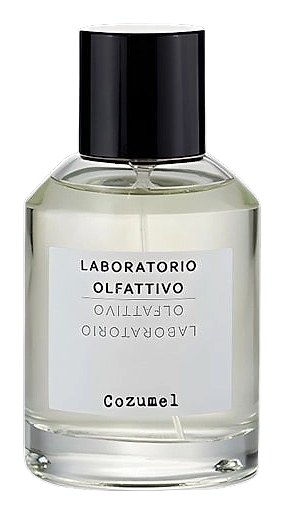
Marie Duchêne drew from memories of the Mexican island of Cozumel, translating a specific place into olfactory memory. The brief was simple: Mexican sun, aromatic herbs, the intimate smell of skin, and the wild smells of a distant island. No abstraction, no metaphor. A journey captured and bottled. The name isn't incidental, Cozumel is an island in the Caribbean off the Yucatan Peninsula, known for its reefs and jungle interior, a place where green grows thick in the heat. That landscape is what the fragrance recreates: bright, humid, alive.
What makes Cozumel work is its restraint. Hemp and tobacco can easily tip into something heavy or skunky, but Duchêne keeps both in check with clary sage and amber, the heart is warm without being sweet, aromatic without being sharp. The green notes in the opening are not the typical ozonic marine freshness of an island fragrance. They arrive with intention, almost weedy, like crushed stems. The Mysore sandalwood in the base is the thread that holds everything together, creamy, slightly camphoraceous, it prevents the herbal and tobacco elements from drifting apart.
The evolution
Cozumel opens fast. The green notes and Thai basil arrive within seconds, bright and herbaceous, with the bergamot lifting the top without overwhelming it. Within 15 minutes, the hemp and blond tobacco begin to assert themselves, bringing a dry, slightly earthy quality that replaces the initial freshness with something more grounded. The clary sage and amber arrive next, adding warmth to the heart, and for about two to three hours the fragrance holds in this aromatic-tobacco phase, cool, warm, and balanced simultaneously. The drydown is where it earns loyalty. Mysore sandalwood emerges slowly, wrapping the tobacco and hemp in a creamy, slightly powdery warmth, while tonka bean adds a faint sweetness that never becomes cloying. Incense threads through the base, giving the final hours a clean smoky quality rather than anything heavy. On fabric, the sandalwood and incense can linger into the next day.
Cultural impact
Cozumel occupies an unusual position in the niche landscape, a masculine aromatic fougere with an unconventional green-tobacco heart that doesn't fit neatly into established categories. It has developed a small, loyal following among wearers who appreciate its restraint and its refusal to perform. The Indian hemp note is the dividing line: those who connect with it describe it as transportive and grounding, while others find it unusual. Either way, it keeps the fragrance from being easily compared to anything else in the category.
The House
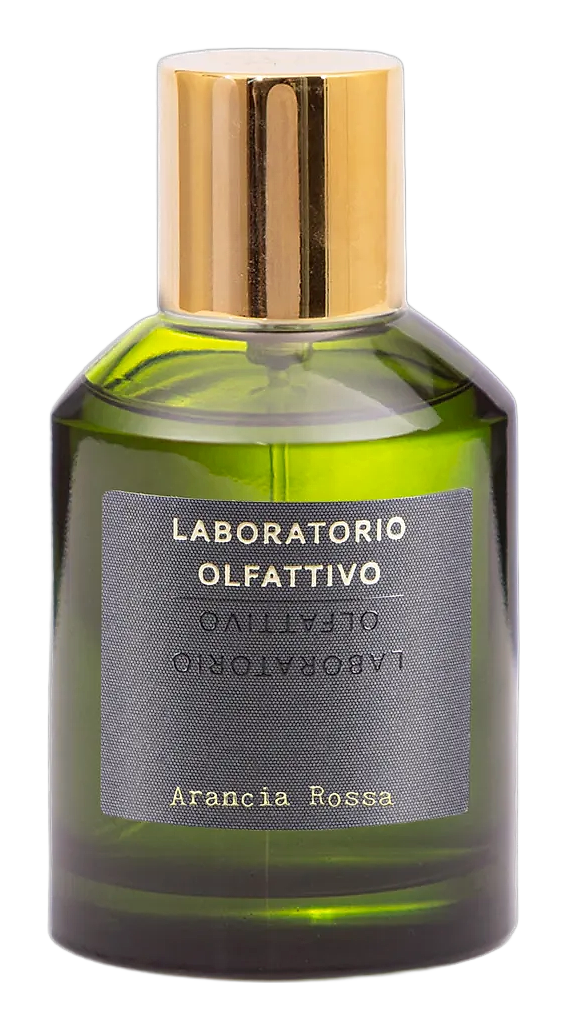
Laboratorio OlfattivoLaboratorio Olfattivo is an independent Italian niche house founded in Rome in 2009 by creative director Roberto Drago and business partner Daniela Caon. The house operates as a creative platform, collaborating with perfume craftsmen who work autonomously under the Laboratorio Olfattivo name rather than operating through an in-house perfumer. Each fragrance exists as its own standalone work, not part of a numbered collection. The house is recognizable by a characteristic dark amber, vetiver, and resin signature anchored by a consistent base structure across releases. Arancia Rossa stands out as a vivid, saturated blood-orange perfume built over that warm amber-vetiver foundation. The catalog spans orientals with deep burnished woods and resins alongside brighter citrus compositions. The output is deliberately unhurried, with one to three new fragrances arriving most years, and the two founders remain the sole creative force behind the label. Roberto's family background runs through the Italian perfume trade, reportedly through his father Luigi Drago's work running a perfume distribution house. By contrast, Laboratorio Olfattivo itself has never sought outside investment, remaining entirely founder-owned and operated. The self-funded structure means完全没有外部资金压力,创意方向不受投资者期望驱动。This shape shifting has translated into a genuine point of view that longtime followers recognize in the catalog. The founding story holds particular interest within the niche fragrance community because the label avoids the conventional channels of beauty entrepreneurism. There is no private label background, no pivot from cosmetics, and no celebrity angle. Instead, a distribution professional and a marketing executive with a shared passion built something from scratch in Rome and held to it for over a decade. The name Laboratorio Olfattivo translates roughly to olfactory laboratory. It signals that the house is understood as a working studio for assembling aromatic materials rather than a heritage brand performing its own mythology. The founder-driven ethos has also meant that the house has remained genuinely small in team size, operating with a long-term perspective rather than chasing market relevance. Every creative decision filters through the two founders, contributing to a catalog that feels internally motivated rather than assembled by committee.
The Creator
Marie DuchêneMarie’s style leans toward naturalism, favoring botanical absolutes, fine woods, and delicate florals. She often begins with a single heart‑note—lavender, rose, or jasmine—then builds a supporting structure of citrus top notes and soft musks.