
The Story
Why it exists.
The beginning
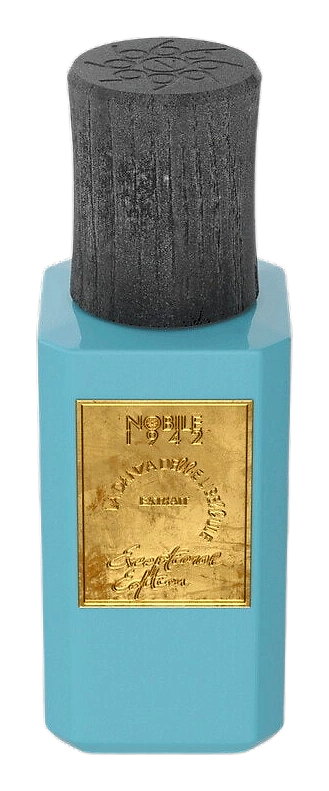
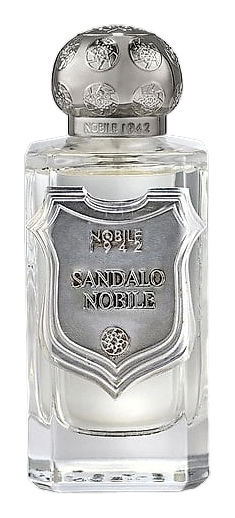
Henri Bergia built Sandalo Nobile around a single concept: take sandalwood and let it unfold across the full composition. Part of the I Rigati collection, noble ingredients treated as singular statements, Sandalo Nobile uses sandalwood not as a supporting player but as the subject itself. Siam benzoin and cedarwood support the sandalwood rather than shadow it. The warmth in the opening, the grounding in the base, all of it built around that creamy wood. A focused intent, executed without apology.
What makes Sandalo Nobile distinctive is how its materials relate to each other. Gurjum balsam acts as a bridge, linking the florals and resins so the fig and iris don't compete but amplify each other, creating a creamier, more unified result than those notes typically achieve alone. The powdery iris gives the whole composition a tactile quality that's uncommon in woody fragrances. Not a complex fragrance. A deliberate one.
The evolution
The opening is sharp. Cumin and saffron arrive dusty, almost fermented, some find it jarring at first, but this phase doesn't linger. Within the first hour, the spice softens as fig's sweetness emerges, and the iris begins to powder the edges. The heart brings warmth. Sandalwood and cedarwood create a creamy, structured base that stays close to the skin through the afternoon. The drydown is where Sandalo Nobile lives. Sandalwood and benzoin create a warm, resinous embrace that holds on for hours, easily outlasting a full workday. It's intimate without being shy, the kind of presence you know is there even if no one else does.
Cultural impact
Sandalo Nobile sits comfortably in the tradition of Italian woody fragrances, neither niche-wanky nor mass-market. It's the kind of piece that rewards attention to detail rather than throwing everything at you at once. For someone who values restraint and quality over trend-chasing.
The House
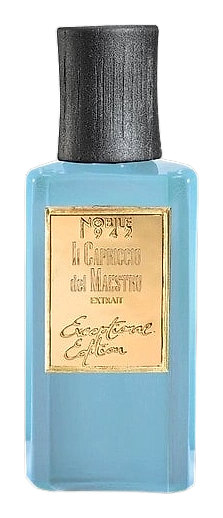
Nobile 1942Nobile 1942 is an Italian niche fragrance house based in Naples, founded around 2004-2005 by Massimo Nobile and his wife Stefania Giannino. The brand carries forward a family perfumery tradition dating back to 1942, when the Nobile family established their perfumery during wartime Italy. Now in its third generation, the house crafts small-batch fragrances that draw from classical Italian opera and theatrical traditions. Each fragrance carries an Italian title, reflecting the brand's commitment to expressing Italian cultural heritage through scent. The collection includes notable releases such as Profumo Imperiale (2010), Café Chantant Estratto (2012), and Il Capriccio del Maestro (2018), alongside several exceptional edition releases. Nobile 1942 positions itself as an alternative to mass-market fragrance production, emphasizing artisanal quality and familial continuity over commercial scale.
The Creator
Henri BergiaHenri’s style leans toward warm, aromatic foundations built on high‑quality woods, spices and aromatic herbs. He favors natural absolutes such as rose otto and jasmine sambac, pairing them with mineral ambergris or subtle resins to add depth.