The Story
Why it exists.
The beginning
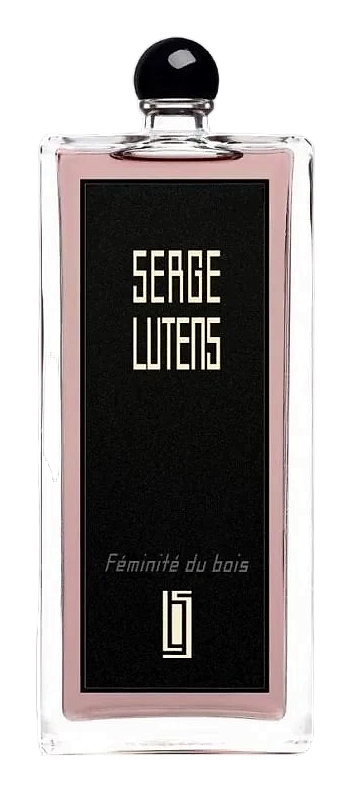
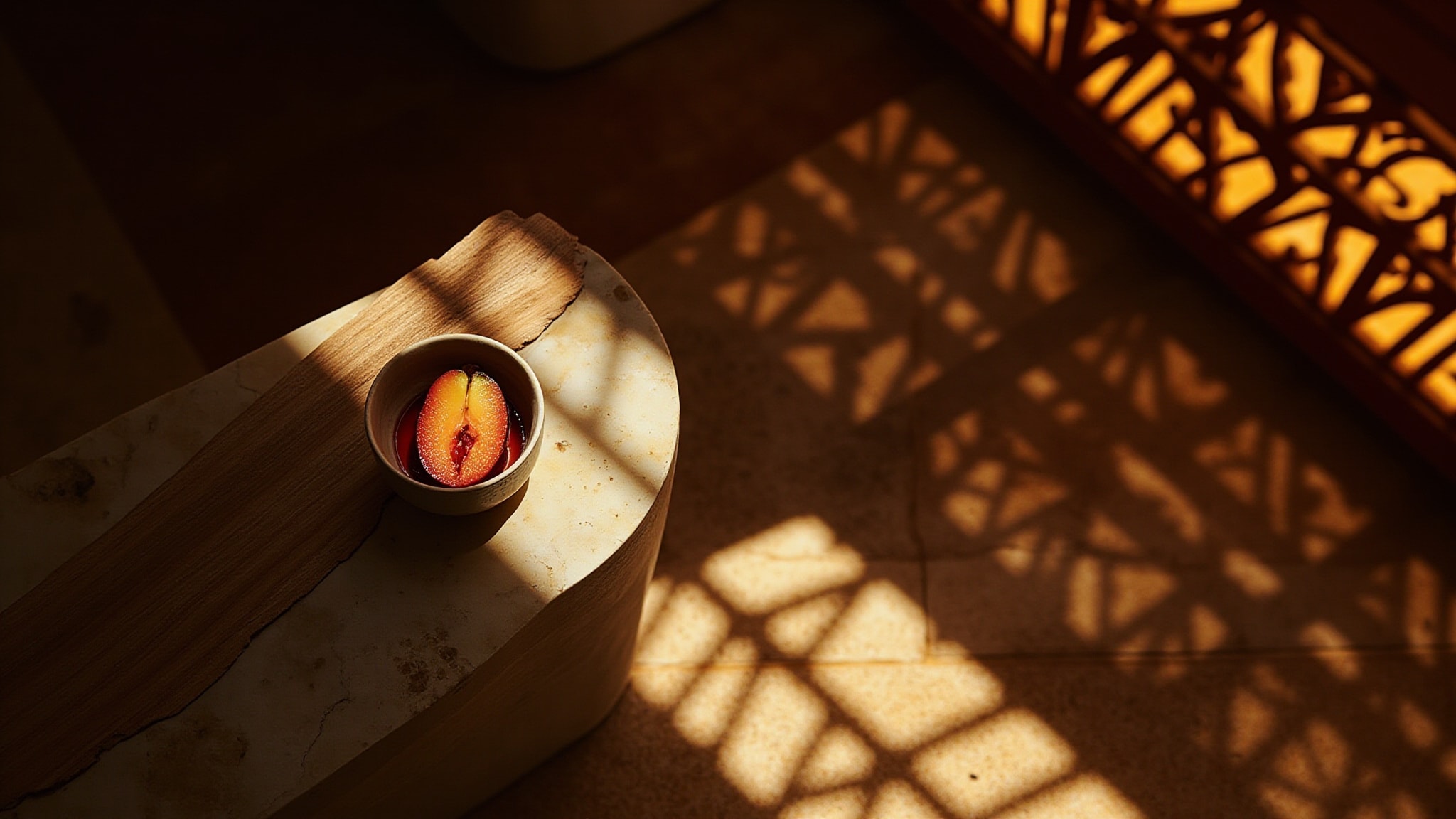
Féminité du Bois began as Serge Lutens' answer to a Moroccan market. Not a photograph, not a color story, a smell. The covered stalls selling leather goods in Marrakech's medina produce a warmth that Lutens found impossible to shake: honeyed wood, smoke-free, with the thickness of air before rain. He wanted to bottle it. Christopher Sheldrake translated that atmosphere into a cedar-heavy composition, building the entire structure around wood, 60% of the formula. The result launched in the 1990s and became a landmark: one of the first fragrances to refuse the divide between masculine and feminine. In 2009, Lutens brought it back, re-entering the original into his Collection Noire exactly as he intended it, unchanged, uncompromising, cedar as the only truth that mattered.
The choice of cedar as protagonist was radical. In 1990s perfumery, wood was a base material, support, not star. Sheldrake inverted that hierarchy. Plum and peach arrived not as fruity top notes but as a softness that made the cedar approachable, almost tender. The spice cluster, cinnamon, clove, ginger, kept warmth from tipping into sweetness. What lifts this beyond pot-pourri is the African Orange Flower and ylang-ylang threading through the heart: they add a waxy, slightly animal richness that stops the composition from smelling like air freshener. The benzoin-sandalwood-vanilla base isn't an afterthought.
The evolution
The opening hits like stepping into a warm room after cold air. Cedar and honey, immediate and thick. Plum appears within minutes, not sharp, softened by the cinnamon's warmth. The peach comes next, almost unconscious in its presence. Around the thirty-minute mark, the florals announce themselves: orange flower and ylang-ylang waxy and slightly animal, lifting the sweetness just enough. The clove and ginger keep everything grounded in warmth rather than sharpness. By hour two, the florals recede and the powder builds. Violet plays its classic role here, soft, slightly nostalgic, connecting the fruity top to the resinous base. The drydown is where this fragrance earns its reputation. Sandalwood and benzoin create a creamy, resinous warmth. Vanilla adds sweetness without pushing. Musk keeps it intimate, close to the skin. This is a fragrance that settles into itself rather than announcing itself. On fabric, the cedar-sandalwood base can linger for 8 hours or more. On skin, expect 6-8 hours with moderate sillage, present within arm's reach, never filling a room.
Cultural impact
Féminité du Bois arrived in 2009 as a re-introduction of a fragrance that originally challenged gender boundaries in the 1990s. The original's status as one of the first unisex fragrances from a luxury house, built around cedar rather than citrus or florals, positioned it as a statement piece before statement pieces existed in niche perfumery. Wearers describe it as the scent of someone who understands fragrance as personal language rather than social currency. The powdery drydown has become a reference point: warm, resinous, intimate. It sits alongside compositions like Chergui and Feminite's sibling in the Collection Noire as proof that Lutens' work ages rather than dates.