Gurjum
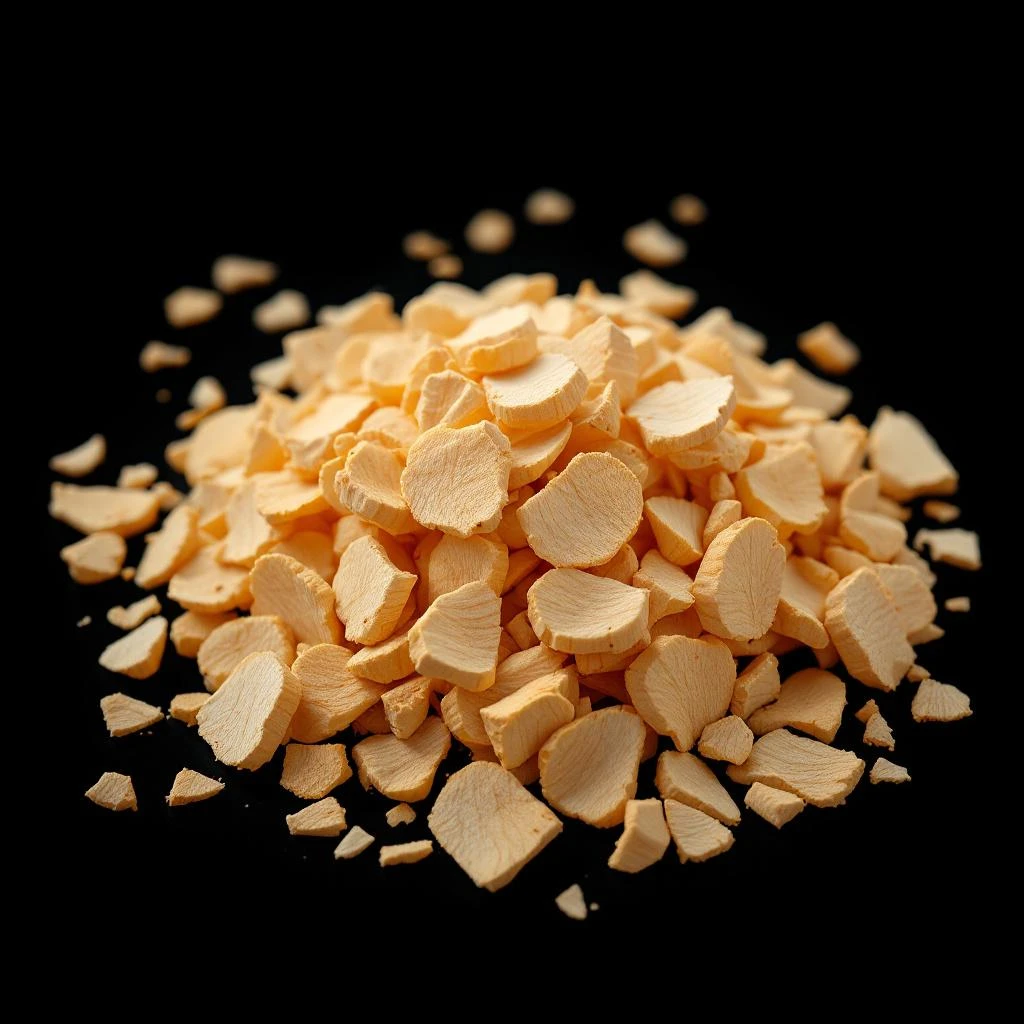
Gurjum balsam pours warm and resinous from Southeast Asian forests, a woody base note prized for its earthy depth and quiet fixative strength in fine perfumery.
Character
How it smells
Deep resin. Quiet power.
Gurjum oil contains over 60% sesquiterpenes, the same molecular family that gives patchouli its long-lasting signature on skin.








Origin
Indonesia
Gurjum balsam has a quieter history than frankincense or myrrh, yet it served practical purposes for centuries across maritime Southeast Asia. Indigenous communities in Borneo and Sumatra tapped Dipterocarpus trees not for perfume but for caulking boats, waterproofing roofs, and sealing wooden vessels.
Traders carried the resin outward through port cities like Singapore and Penang during the 19th century, where European chemists began cataloging its properties. By the early 20th century, gurjum had crossed into European perfumery as a low-cost alternative to more expensive balsams, valued especially for its fixative qualities in soap fragrances and masculine scents.
Its prominence peaked during periods when traditional balsam supplies fluctuated. Today it remains a backstage workhorse in perfumery, anchoring compositions without demanding attention.
Wears it best
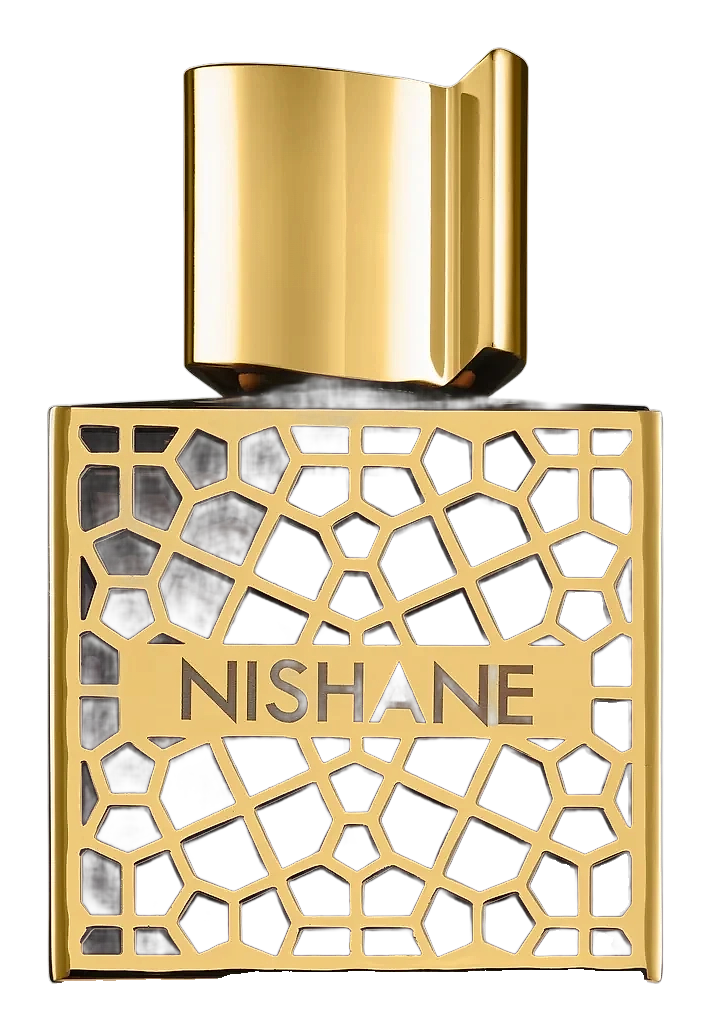
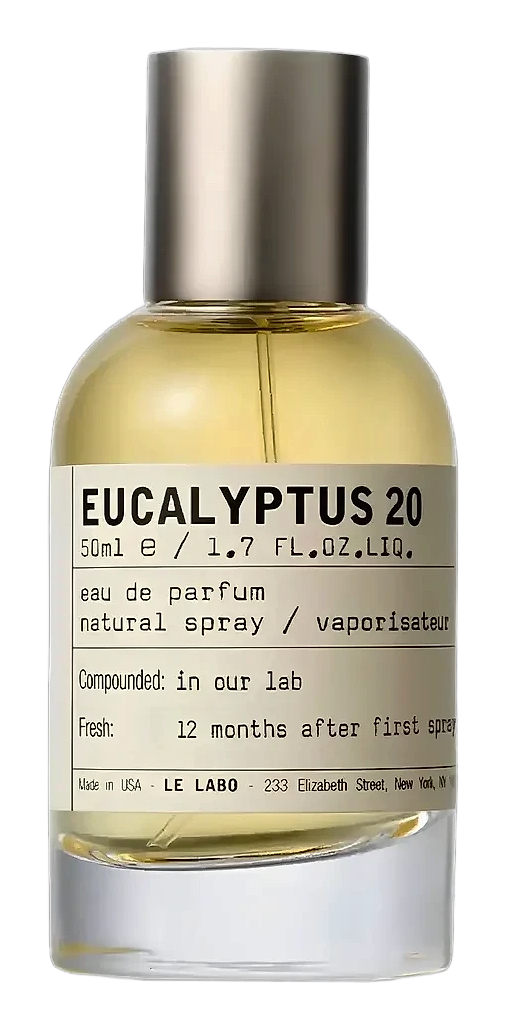
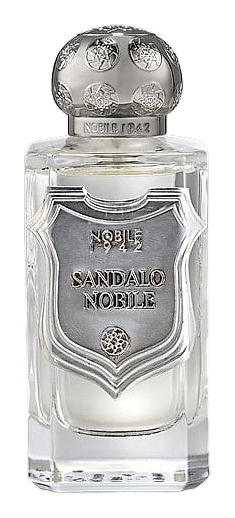
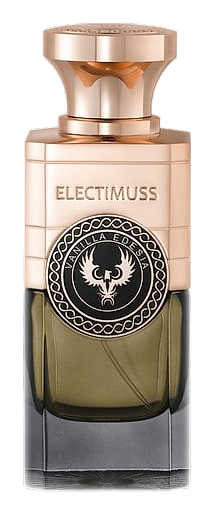
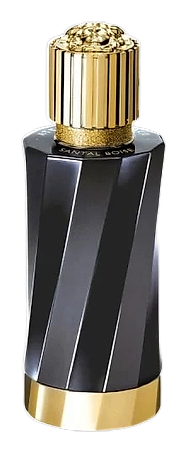
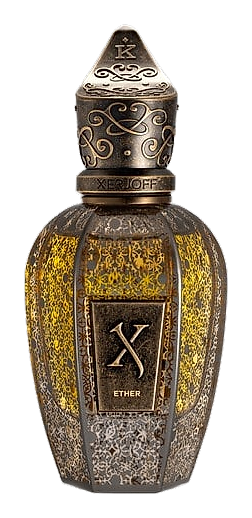
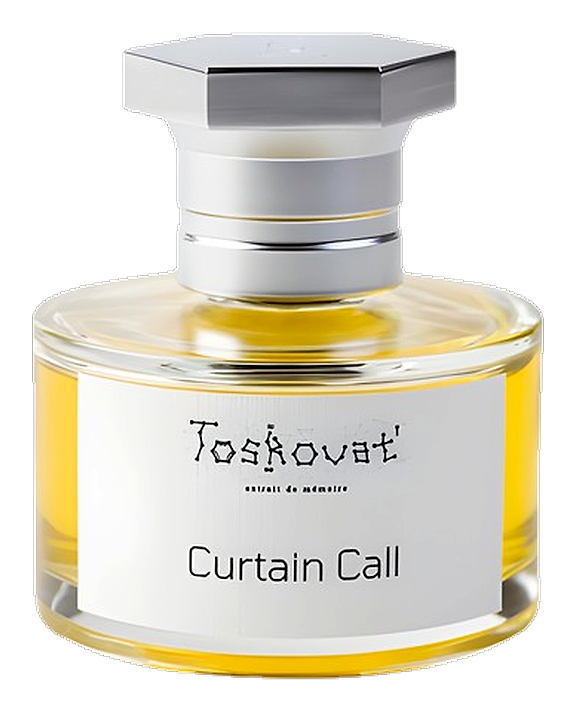
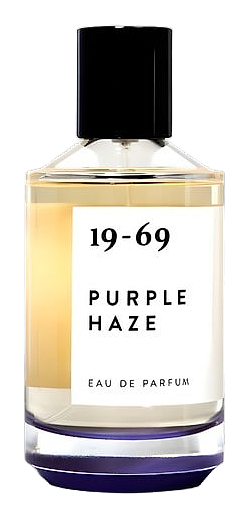
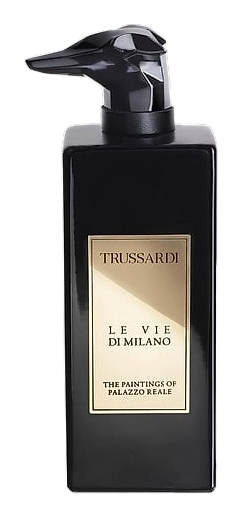
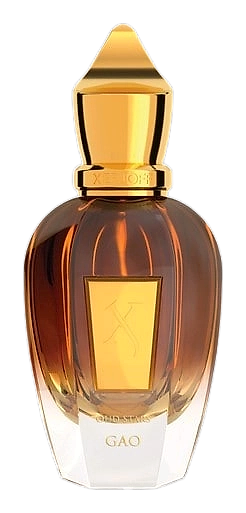
Fragrances featuring Gurjum


Brands
Brands known for Gurjum
Good to know
Questions, answered
The essentials on Gurjum in perfumery: how it smells, where it comes from, and how it behaves on skin.
What does gurjum balsam smell like?
Gurjum balsam smells woody, resinous, and earthy, with a dry, slightly smoky quality and almost no sweetness. Its character is quieter than frankincense and rougher than myrrh, making it a grounding base note in masculine and oriental fragrances.
Is gurjum balsam the same as gurjan balsam?
Yes, gurjum balsam and gurjan balsam refer to the same material, both names for the oleoresin tapped from Dipterocarpus trees. Spelling varies by region, but chemistry and aroma profile remain identical.
Why do perfumers use gurjum balsam?
Perfumers use gurjum balsam primarily as a fixative, anchoring more volatile top and heart notes while adding woody-resinous depth. Its high sesquiterpene content gives it exceptional staying power on skin.
How is gurjum essential oil extracted?
Gurjum essential oil is extracted by steam distillation of the crude oleoresin collected from tapped Dipterocarpus trees. The resin yields a golden oil rich in sesquiterpenes, though several kilograms of crude balsam are needed per kilogram of finished oil.
Where does gurjum balsam come from?
Gurjum balsam originates primarily from Indonesia, Malaysia, and broader Southeast Asia, where Dipterocarpus forests dominate lowland rainforest landscapes. Indonesia remains the largest producer today.
Is gurjum balsam sustainable?
Sustainability depends on harvesting practices. Because the trees must remain alive for tapping, responsible management preserves forest cover, but unregulated extraction can damage ecosystems. Look for suppliers with forestry certifications.
Can gurjum cause skin sensitivity?
Gurjum balsam is generally considered low-risk for skin sensitivity, though oxidized oils may cause reactions in rare cases. Always dilute properly and patch test before topical use in personal formulations.
What fragrances commonly feature gurjum balsam?
Gurjum balsam appears frequently in masculine woody compositions, oriental bases, and vintage chypres where it serves as a fixative. It is especially common in soap fragrances and traditional men's cologne formulations.