
The Story
Why it exists.
The beginning
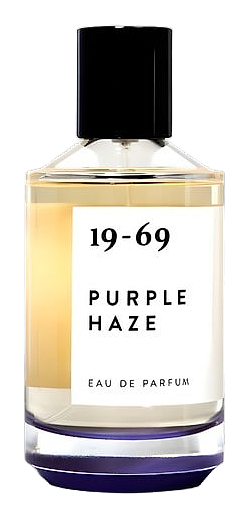
Purple Haze arrived in 2017 as part of 19-69's debut collection, five fragrances dropped simultaneously, each built around a cultural memory. Bergelin named this one after Hendrix's most famous song, but the real anchor is simpler: the smell of freedom. Not a specific moment, but the energy of it. The brand calls it a tribute to creativity, freedom and indulgence, and that's not marketing language, it's the brief Amélie Bourgeois was handed alongside the bergamot and the cannabis accord.
What makes the cannabis note work here is restraint. It reads green and slightly metallic, the stem, not the flower, which keeps it herbaceous rather than skunky. Palmarosa reinforces that grassy quality while adding a faint rose-like softness. Violet leaf brings the cool, almost dewy character of crushed stems. These three materials conspire to create the smell of a garden at dusk: green, alive, slightly wild. The vanilla in the base then does something unexpected, it warms the whole thing without sweetening it, like amber light through curtains rather than candy.
The evolution
The opening hits bright and sharp, bergamot over Cypress, with a green herbal spike from the ravensara. Thirty minutes in, the cannabis accord announces itself but doesn't dominate; it's the top note that keeps the citrus honest, stops it from becoming just another Mediterranean scent. The heart phase shifts toward the violet leaf and thyme, cooler, more aromatic, like stepping into shade after standing in sun. This is where most people decide if they love it. The base is where it lives. Patchouli anchors everything, black pepper adds a dry heat, and vanilla sneaks in quietly, softening the woodiness into something that smells like skin, not like a candle. On fabric, expect 6-8 hours. On skin, closer to 6 before it fades to a warm, close patchouli whisper.
Cultural impact
19-69 built its identity on the idea that a fragrance should provoke a memory or a feeling, not just smell pleasant. Purple Haze, named for Hendrix and anchored in 1969 counter-culture, occupies a specific niche: the collector who reads the journey card before the notes. It's not trying to please everyone. The green herbal character and cannabis accord make it divisive by design, the kind of fragrance that sparks a conversation before you even speak.