    Brand Profile

    19-69 is a Swedish niche fragrance house that treats scent as a story rather than a product. Founded by artist and product developer Johan B…More

    Sweden·Est. 2015·Site

    3.8

    Rating

    25
    Invisible Post by 19-69
    3.8

    Invisible Post

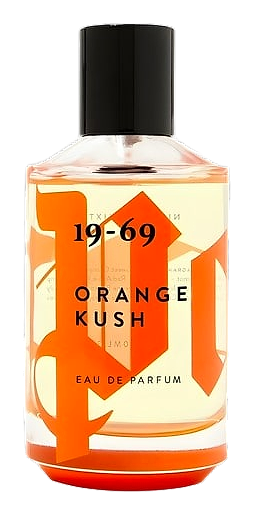
    Orange Kush by 19-69
    Best Seller
    4.2

    Orange Kush

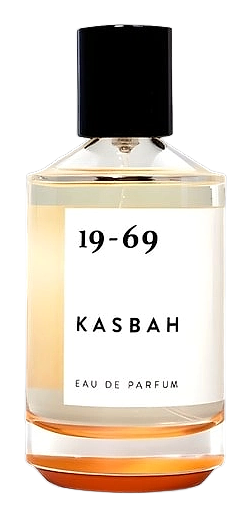
    Kasbah by 19-69
    Best Seller
    4.0

    Kasbah

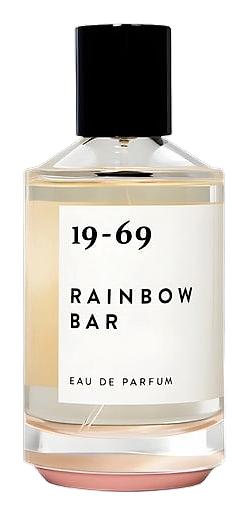
    Rainbow Bar by 19-69
    Best Seller
    4.0

    Rainbow Bar

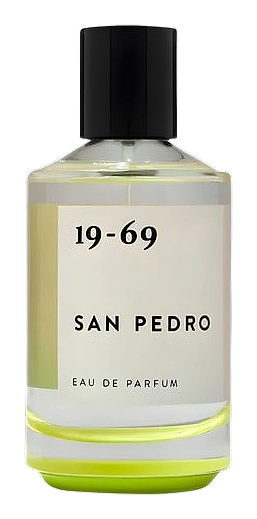
    San Pedro by 19-69
    New
    4.0

    San Pedro

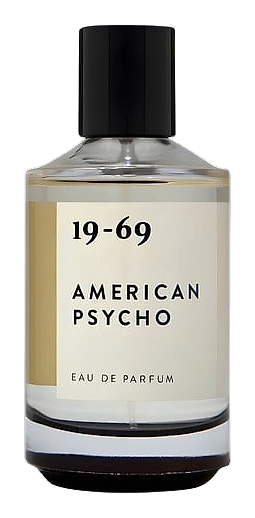
    American Psycho by 19-69
    New
    4.0

    American Psycho

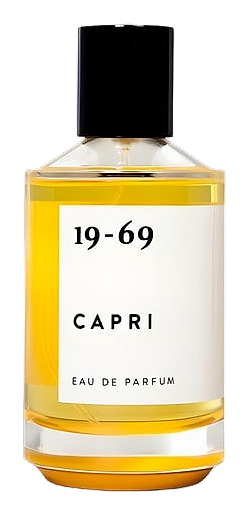
    Capri by 19-69
    3.9

    Capri

    Miami Blue by 19-69
    3.9

    Miami Blue

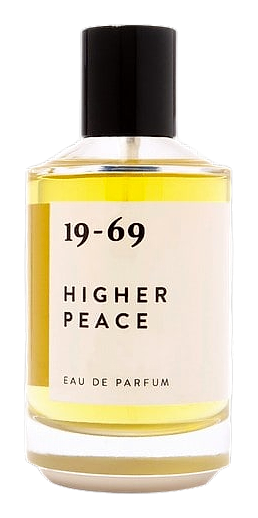
    Higher Peace by 19-69
    3.9

    Higher Peace

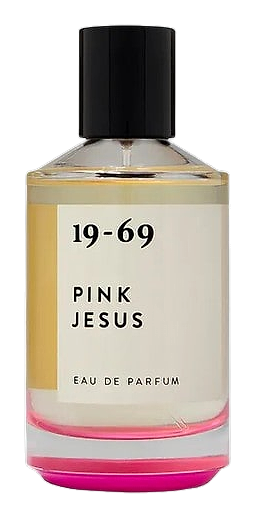
    Pink Jesus by 19-69
    New
    3.8

    Pink Jesus

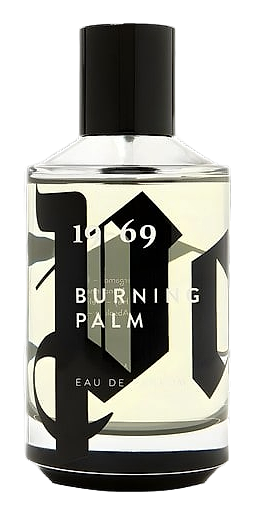
    Burning Palm by 19-69
    3.8

    Burning Palm

    La Habana by 19-69
    3.8

    La Habana

    1 of 3

    The Heritage

    The Story of 19-69

    19-69 is a Swedish niche fragrance house that treats scent as a story rather than a product. Founded by artist and product developer Johan Bergelin, the brand releases limited‑edition perfumes that come with a printed “fragrance journey” describing the mood, setting and inspiration behind each composition. The line mixes bright citrus, smoky woods and unexpected accords, attracting collectors who value narrative as much as aroma. With a small catalogue that includes Orange Kush (2021), Kasbah (2017) and the 2025 releases San Pedro and Pink Jesus, 19‑69 positions itself as a counter‑cultural alternative to mainstream perfume houses.

    Heritage

    Johan Bergelin grew up in Stockholm immersed in visual art, music and street culture. After a decade of work as a painter, photographer and hair stylist, he turned his attention to scent in 2015. Early interviews describe his desire to translate the energy of a night out or a desert road into olfactory form. The first public launch arrived in 2017 with five distinct fragrances, a move documented by several independent fashion outlets. That year the house introduced Kasbah and Capri, two scents that quickly earned mentions in niche perfume round‑ups. Over the next three years the brand expanded its palette, releasing Miami Blue in 2020, a marine‑inspired blend that referenced the Florida coastline. 2021 proved prolific, delivering Orange Kush, Higher Peace and Burning Palm, each accompanied by a narrative card that invited wearers to imagine a specific scene. In 2025 the house unveiled San Pedro, American Psycho and Pink Jesus, marking its first foray into a triple‑release strategy. Alongside perfume, 19‑69 launched a modest apparel line that mirrors the visual language of its bottles. The brand’s growth has remained low‑key; it avoids large retail chains, instead selling through its website and a curated network of boutique perfumeries. The steady cadence of releases, combined with a reputation for artistic integrity, has kept the house relevant in the niche community for more than a decade.

    Craftsmanship

    All 19‑69 perfumes are produced in small batches, a practice confirmed by multiple industry reports. The house sources raw materials from established European suppliers, mixing natural extracts such as Sicilian orange peel with synthetics that provide stability and depth. According to a 2022 interview, Bergelin works directly with perfumers in Grasse to fine‑tune each formula before it is handed over to a French laboratory for quality testing. The blending process occurs in temperature‑controlled rooms, and each batch is hand‑filled into glass bottles that feature a matte black cap. Quality control includes a sensory panel that checks for consistency across batches, a step that the brand describes as essential for maintaining the integrity of its narrative concept. Bottles are sealed with a simple screw top, then packaged with a printed cardstock that holds the fragrance journey. The brand’s limited‑edition releases often involve a bespoke scent that uses a rare ingredient, such as a specific variety of agarwood, which is disclosed on the accompanying card. This transparency about ingredients and process reflects the house’s commitment to craftsmanship over mass production.

    Design Language

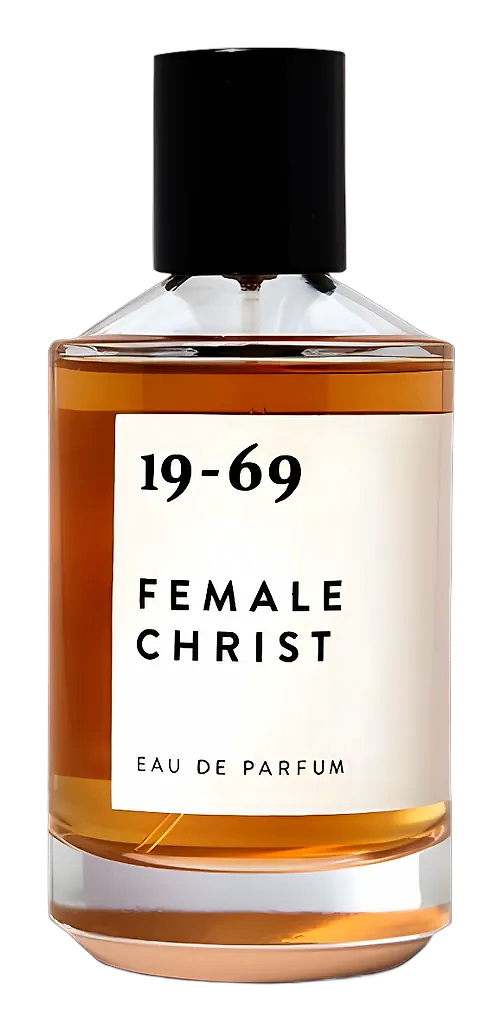
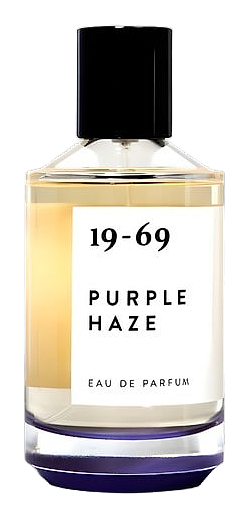
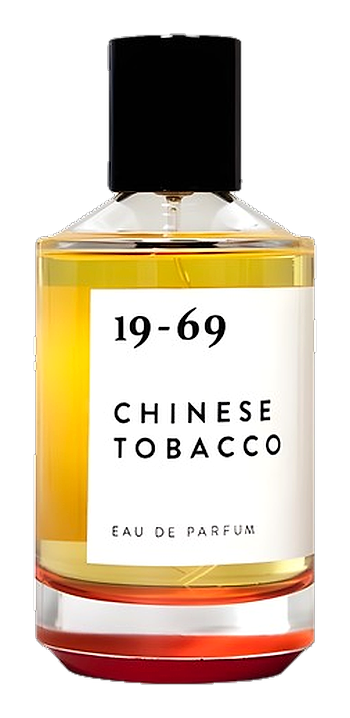
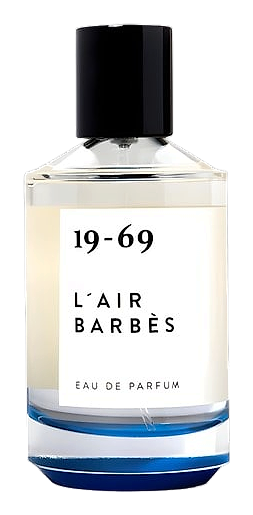
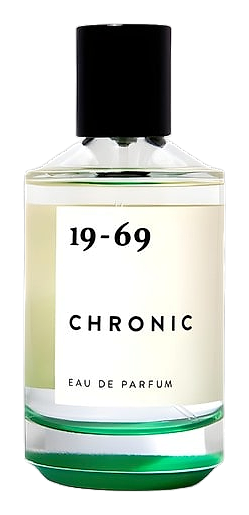
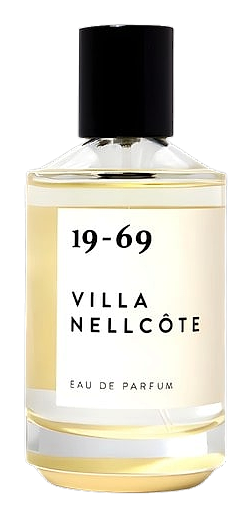
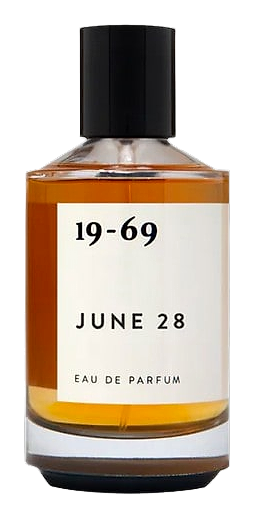
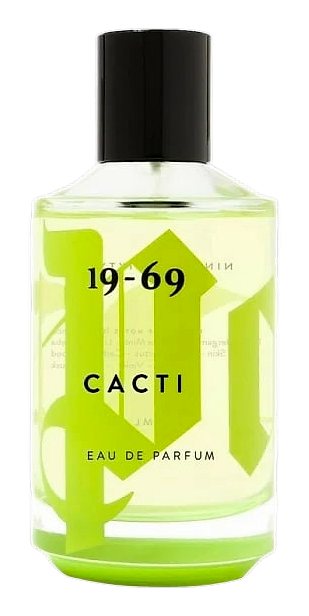
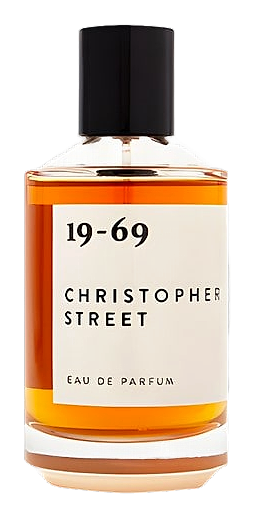
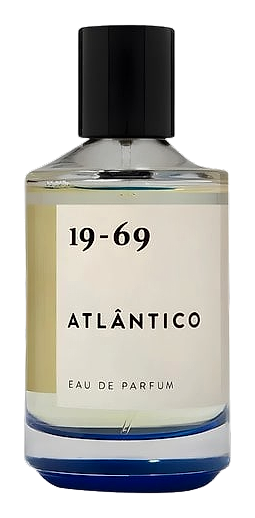
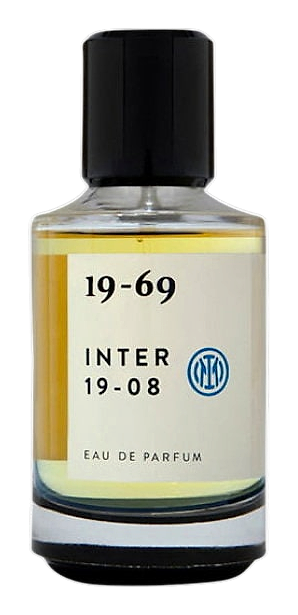
    Visually, 19‑69 embraces a stark, minimalist aesthetic that mirrors its narrative focus. Bottles are typically cylindrical, made of clear or amber glass, and capped with a matte black or brushed metal lid. The label consists of a clean sans‑serif typeface, the brand name in small caps, and a QR code that links to the online fragrance journey. Packaging colors stay within a muted palette of black, white, and occasional pastel accents that hint at the scent’s character. Promotional photography often features urban or desert backdrops, shot in high‑contrast black and white, reinforcing the counter‑cultural vibe. The brand’s apparel line adopts the same visual language, offering T‑shirts and hoodies printed with the same typeface and subtle references to individual scents. Graphic elements such as line drawings of palms or desert dunes appear on limited‑edition sleeves, creating a cohesive brand image that extends beyond the perfume itself.

    Philosophy

    The creative vision at 19‑69 centers on storytelling. Bergelin treats each perfume as a chapter in a larger counter‑cultural narrative, rejecting the conventional luxury hierarchy that separates scent from lived experience. The brand’s statements emphasize personal freedom, artistic risk and the idea that a fragrance should provoke a memory or a feeling rather than simply smell pleasant. Production decisions are guided by a belief that authenticity matters more than trend chasing. The “fragrance journey” cards that accompany every bottle illustrate this ethos; they contain short prose, a location reference and a mood cue, encouraging the wearer to engage with the scent on an intellectual level. 19‑69 also positions itself as inclusive, offering both masculine and feminine compositions without rigid gender labeling. The house frequently cites influences from music, street art and cinema, reflecting Bergelin’s multidisciplinary background. This approach has earned the brand a reputation for being unapologetically experimental while staying grounded in craft.

    Key Milestones

    2015

    Johan Bergelin establishes the 19‑69 fragrance house in Stockholm after years of work in visual arts and styling.

    2017

    Public launch with five inaugural scents, including Kasbah and Capri, marking the brand’s entry into the niche market.

    2020

    Release of Miami Blue, a marine‑inspired fragrance that expands the house’s geographic storytelling.

    2021

    Three new scents—Orange Kush, Higher Peace and Burning Palm—debut, each paired with a printed fragrance journey.

    2025

    Triple release of San Pedro, American Psycho and Pink Jesus, accompanied by a limited‑edition apparel collection.

    At a Glance

    Brand profile snapshot

    Origin

    Sweden

    Founded

    2015

    Heritage

    11

    Years active

    Collection

    1

    Fragrances released

    Avg Rating

    3.8

    Community sentiment

    Release Rhythm

    2025
    6
    2023
    1
    2022
    1
    2021
    5
    2020
    4
    2019
    1
    2018
    1
    2017
    6
    19-69.com

    Did You Know?

    Interesting Facts

    Distinctive details and defining moments that shape the house personality.

    01

    Johan Bergelin is credited as painter, photographer, hair stylist and musician before entering perfumery.

    02

    Every 19‑69 bottle includes a small card that narrates a specific scene, location and mood linked to the scent.

    03

    Actor Kevin Costner first encountered the brand when he found a 19‑69 body wash in a hotel bathroom, later mentioning the discovery in an interview.

    04

    The name 19‑69 references the cultural upheaval of the year 1969, a period Bergelin cites as a source of inspiration.

    05

    The brand’s limited‑edition apparel line directly mirrors the visual motifs of its fragrance journeys.