The Story
Why it exists.
The beginning
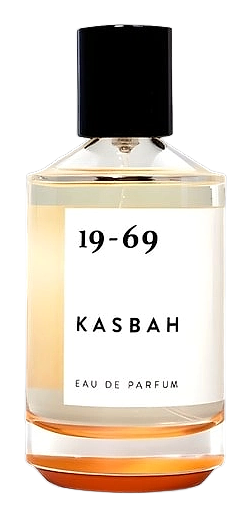
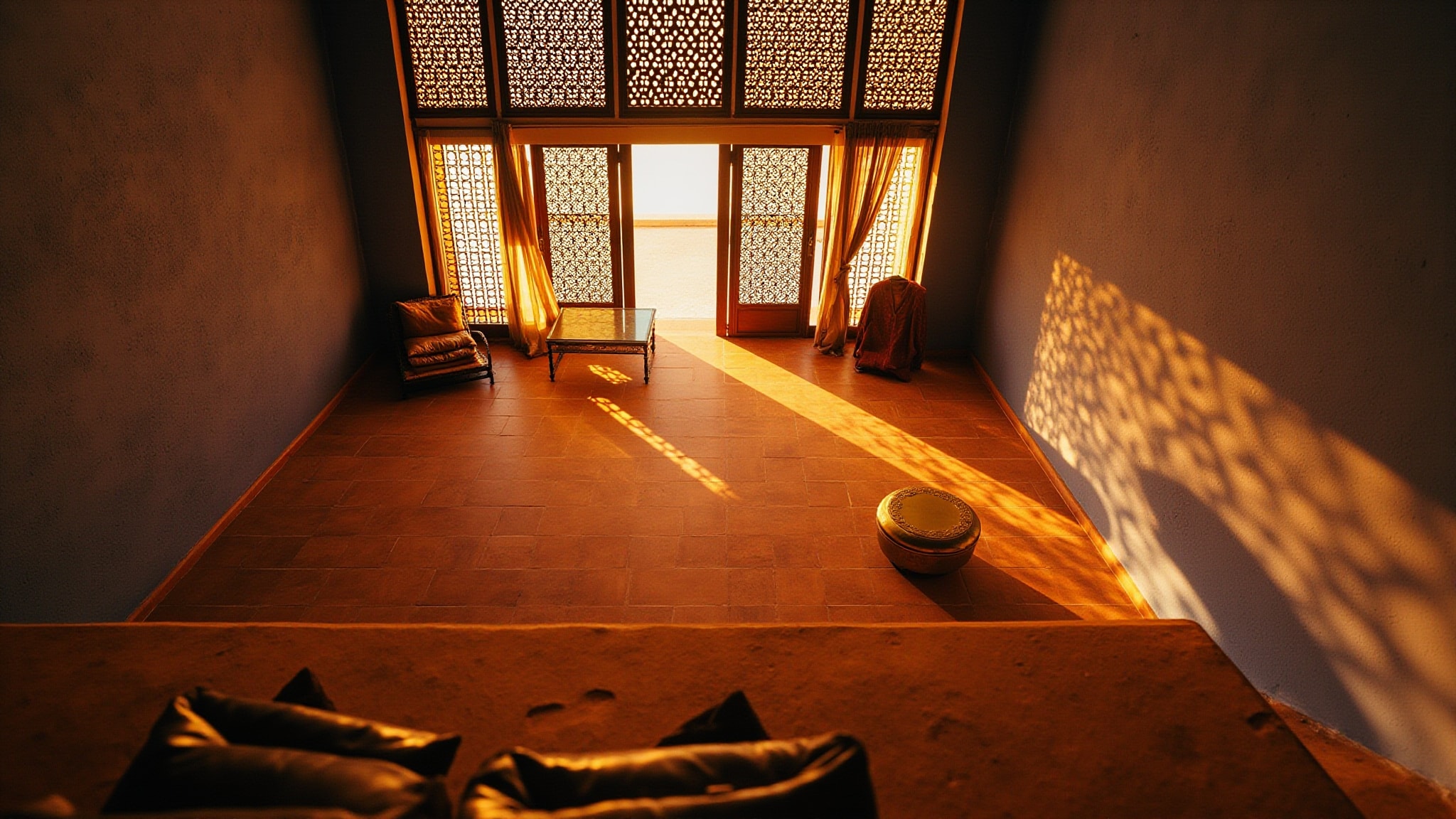
Kasbah was born in 2017, the year 19-69 launched its first collection of five fragrances. The inspiration came from somewhere specific: the 60s and 70s party scene in Marrakesh, the one where YSL hosted, where Mick Jagger and Veruschka moved through the same riads and rooftop bars. That era had a particular energy, free, artistic, slightly decadent, and perfumer Dario Volpones wanted to capture it in a bottle. Not the postcard version of Morocco, but the real thing: the heat, the honey, the leather that followed you home.
What makes Kasbah's structure unusual is the white honey placement. Honey in perfumery usually lives in the base, a warmth that lingers. Here it opens the fragrance, which means the sweetness arrives immediately, then evolves into something different as the heart and base develop. The combination of sweet orange, lime, and white honey gives the top a brightness that's almost edible, before the amber and geranium bring herbal depth, and the leather and vanilla of the base ground everything into something warm and lasting.
The evolution
The opening hits fast, orange blossom and honey, like sunlight through gauze. Within twenty minutes the lime fades and the amber comes forward, bringing a resinous warmth that softens the sweetness. The geranium is subtle here, an herbal greenness that keeps the composition from going too soft. By the second hour the patchouli begins to show, earthy and slightly dirty, and the leather asserts itself. The drydown is where Kasbah earns its name: warm woods, vanilla, leather on skin. On most people this holds for a full workday, eight hours, sometimes more. The honey doesn't disappear entirely; it threads through the base like a memory of the opening, present even at the end.
Cultural impact
Kasbah captures a specific moment in cultural history, the Marrakesh party scene of the 60s and 70s, when artists, musicians, and designers moved through the same spaces. The 2017 release arrived as part of 19-69's debut collection, positioning the house as a narrative-driven alternative to conventional niche fragrance. The fragrance attracts wearers who want something with a story behind it, who appreciate the idea of wearing a particular era's energy rather than a trend.