The Story
Why it exists.
The beginning
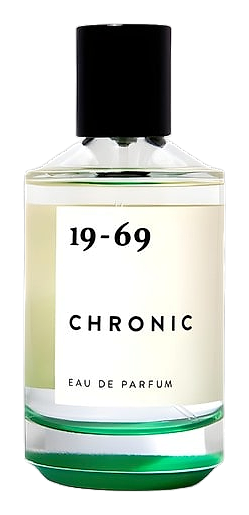
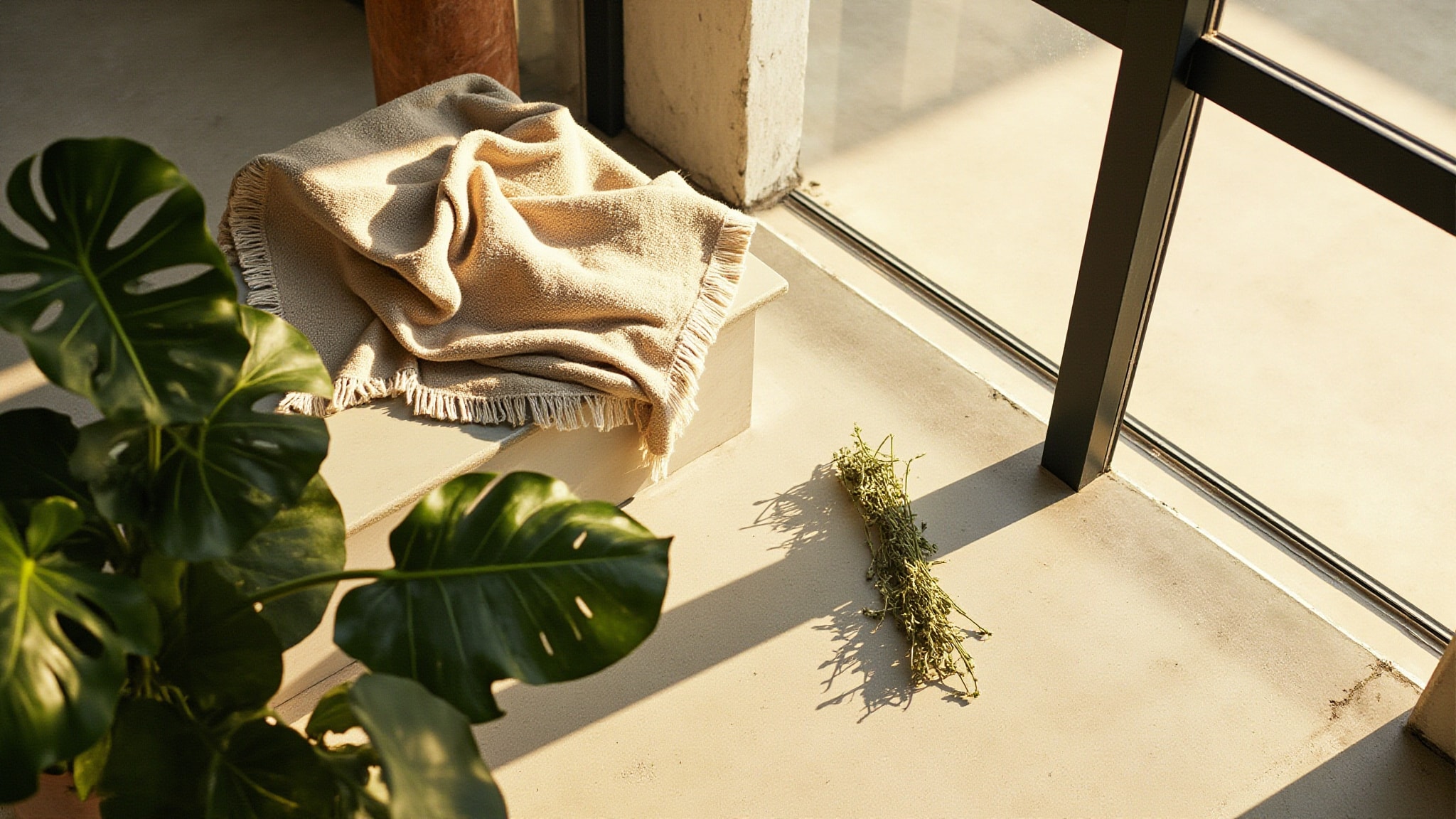
19-69 named this fragrance for the cannabis fields of Southern California in the 1990s. Perfumer Amélie Bourgeois translated that specific energy into olfactory form: not the stereotype of skunk and smoke, but the living plant itself, green and resinous and rooted in California earth. The scent opens with bright citrus and herbal notes that immediately signal something different from typical cannabis fragrances. There's a crispness to the top notes that feels alive, almost like crushing fresh leaves between your fingers. As the fragrance develops, the green quality deepens into something earthier, with an almost wet quality that suggests morning dew on cultivated plants.
What makes the pyramid interesting is the tension between the bright citrus top and the mossy, vetiver-heavy base. Russian clary sage doesn't smell like the culinary variety, it's slightly bitter, almost tobacco-adjacent, with a lavender-like softness that bridges the grapefruit and petitgrain opening into the cedar and hemp heart. Cashmere wood adds warmth without weight, letting the moss and patchouli base feel intimate rather than heavy. Amber appears in the heart, adding resinous sweetness that rounds the cannabis note into something wearable rather than confrontational.
The evolution
The opening hits bright and green, clary sage, petitgrain, a flash of grapefruit. Thirty minutes in, the cedarwood and hemp arrive, and the character shifts from fresh to grounded. The amber in the heart adds a quiet sweetness that keeps it from going sharp. By the second hour, the moss and vetiver base takes over, and this becomes something close to skin, intimate, woody, with a soft musk that lingers without announcing itself. The sillage settles into a quiet drydown that stays close to the skin.
Cultural impact
Chronic has found its audience among collectors who value the 19-69 approach, narrative over status, atmosphere over assertion. The cannabis note attracts wearers who've been disappointed by fragrances that promise the plant and deliver a stereotype. The fragrance stands apart for its commitment to capturing the living plant rather than secondhand associations. There's a specificity to how the green and resinous elements interact that suggests careful attention to botanical accuracy. The result is a fragrance that works as an aromatic statement without relying on shock value or familiar tropes.