
The Story
Why it exists.
The beginning
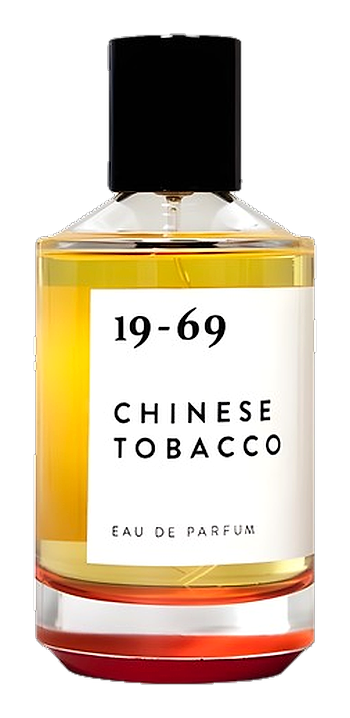
Chinese Tobacco arrives as part of 19-69's 2017 launch collection, five fragrances released together, each built around a story the brand wanted to tell. The inspiration lands in a specific cultural register: Apocalypse Now, Indochine, the weight of East meeting West across decades of film and music. Amélie Bourgeois translated that tension into a fragrance that refuses to sit still. Tobacco as the anchor, but pushed in unexpected directions by coal tar and a mineral brightness that reads more medicinal than sweet.
The composition is unusual for a tobacco fragrance, not built around warmth and sweetness, but around contrast. The top notes are citrus. The heart adds spice. The base adds smoke, resin, and that coal tar note that most brands wouldn't touch with a ten-foot pole. Together, these layers create something that moves between clean and dirty, old and new, East and West. It's tobacco reframed by the 20th century's most iconic cultural clashes.
The evolution
The opening announces itself with citrus, bergamot and lemon, bright and clean against the smoke waiting underneath. This phase lasts about thirty minutes before tobacco arrives to claim the space, joined by ginger and coriander that add a slight heat. For the next few hours, the heart deepens. Incense and cedar build quietly while the coal tar surfaces as a mineral counterweight, stopping the sweetness from taking over. By hour four, the drydown settles. Vanilla and vetiver create warmth, oud stays present but restrained, and the coal tar has become part of the skin. It doesn't announce itself on day two. It lingers.
Cultural impact
Chinese Tobacco attracts wearers who want something that reads as masculine without performing masculinity. The coal tar note and the tobacco-heavy drydown set it apart from safer unisex options, positioning it for those who discovered 19-69 through its more provocative releases. Its bold, gender-fluid character makes it stand out in a crowded niche market.