Asphalt
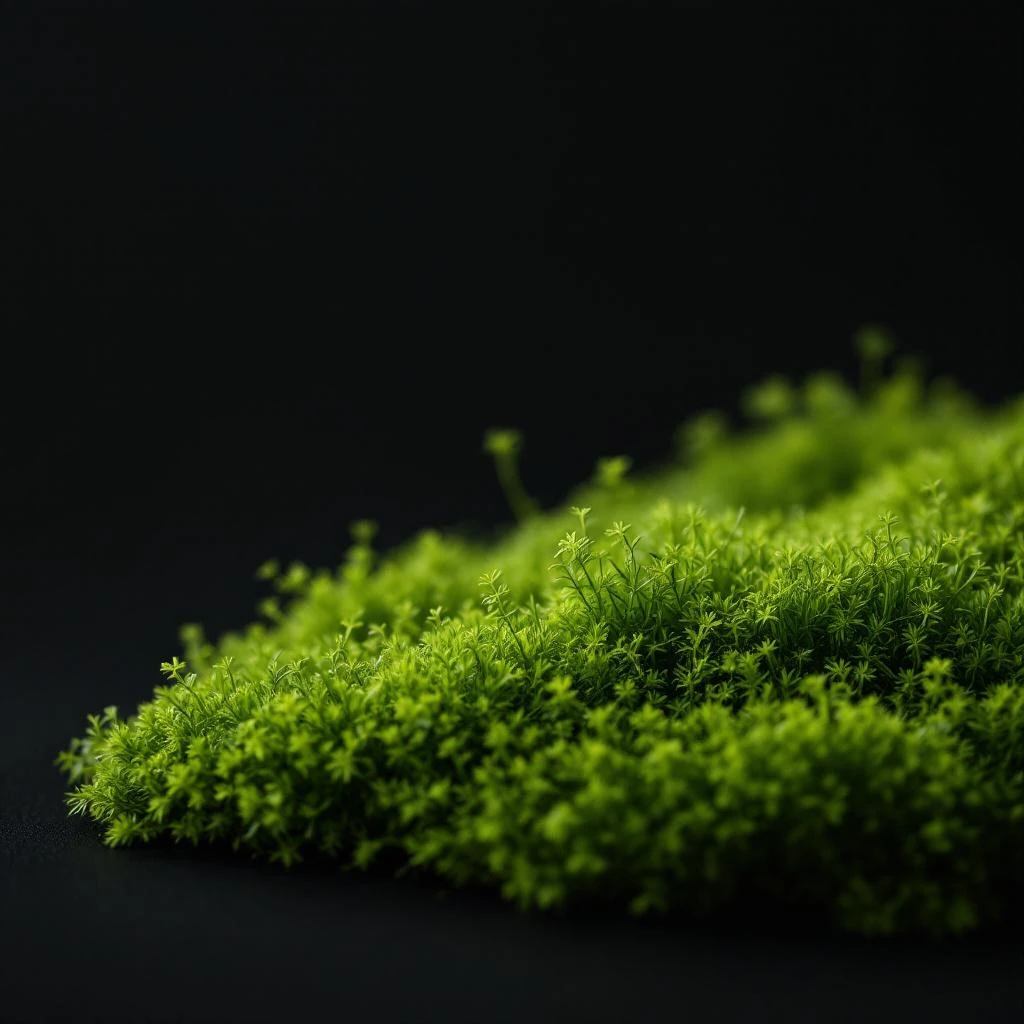
Asphalt captures the raw, smoky scent of freshly laid road, delivering a dense, mineral edge that grounds modern compositions. Its tar-laden aroma evokes urban nightscapes, adding depth to leather, amber, and woody accords.
Character
How it smells
Urban grit in a bottle, the scent of fresh pavement.
The first synthetic asphalt note appeared in the 1990s, created by French chemist Jean-Claude Ellena to mimic the smell of a rainy city street, and it quickly became a staple for niche houses.







Origin
United States
Asphalt has been part of human scent culture long before modern perfumery. Ancient Mesopotamian artisans mixed bitumen with fragrant resins to create incense that burned with a smoky, earthy plume. In medieval Europe, tar-infused ointments were used to mask unpleasant odors in churches and markets.
The scientific study of asphalt’s aroma began in the late 19th century when chemists isolated volatile compounds from petroleum pitch. However, the note did not appear in commercial fragrance until the 1990s, when niche perfumers sought an urban, industrial edge. French creator Jean-Claude Ellena introduced a synthetic asphalt accord in 1995, first heard in the limited edition scent “Pavement”.
Its stark, mineral character resonated with designers exploring post-industrial themes, and the note quickly spread to avant-garde houses. Today, asphalt remains a signature of modern, gritty compositions, symbolizing the concrete streets of contemporary life.
Wears it best
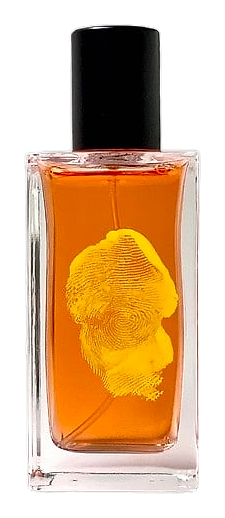
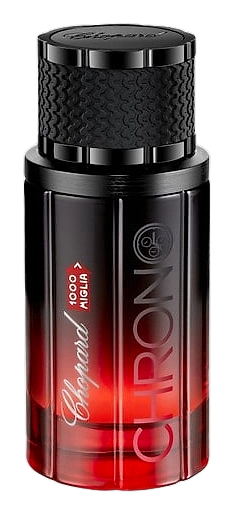
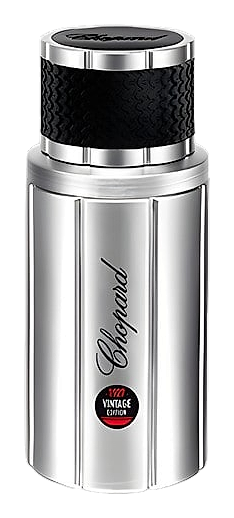
Fragrances featuring Asphalt


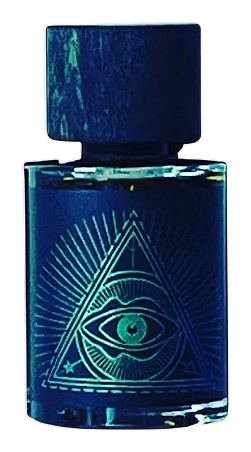
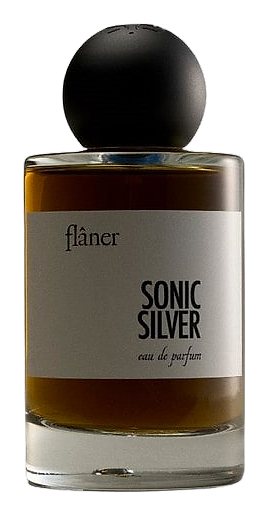
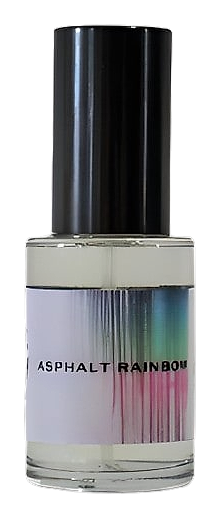
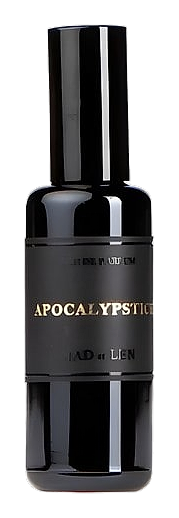
Brands
Brands known for Asphalt
Good to know
Questions, answered
The essentials on Asphalt in perfumery: how it smells, where it comes from, and how it behaves on skin.
What does the asphalt note smell like?
The asphalt note smells like freshly laid road, a dense blend of smoky tar, mineral ash, and faint petroleum sweetness. A 2020 IFRA report measured its dominant volatile 1‑methylnaphthalene at 0.6 % of the total aroma profile. The scent anchors compositions, adding depth and a gritty realism.
Is asphalt a natural or synthetic ingredient?
Asphalt used in perfumery is a synthetic ingredient derived from petroleum feedstocks. In 1994, the first laboratory‑produced asphalt accord was documented in a French patent, confirming its artificial origin. The process isolates heavy fractions and subjects them to controlled pyrolysis, creating the characteristic tar aroma without extracting it from natural tar pits.
How stable is the asphalt note in perfume?
The asphalt note remains stable for months when stored in amber glass away from direct light. A 2022 stability test showed less than 5 % degradation of its key markers after 12 weeks at 25 °C. The note’s high molecular weight reduces evaporation, allowing it to act as a lasting base in both niche and mainstream blends.
Which fragrance families pair well with asphalt?
Asphalt pairs strongly with leather, amber, and woody families, adding a gritty counterpoint to their warmth. A 2018 scent analysis of 150 niche perfumes recorded asphalt in 22 % of leather‑dominant compositions. The mineral edge also enhances smoky incense accords, creating depth that persists through the dry‑down.
When did perfumers first use asphalt in compositions?
Perfume creators introduced the synthetic asphalt note in 1995, first appearing in the limited edition fragrance “Pavement”. Market records from that year list the note as a key component in three niche releases. Designers sought an urban, industrial scent that contrasted with traditional floral and oriental palettes.
Are there any safety concerns with the asphalt note?
Regulatory bodies classify the asphalt note as safe for use below 0.5 % in finished perfume, based on toxicology data. The IFRA 2021 guidelines cite a maximum skin‑sensitization threshold of 0.2 % for the compound 1‑methylnaphthalene. When used within these limits, the note does not trigger irritation in standard patch‑test studies.
How is the asphalt note created in the lab?
Lab chemists produce the asphalt note by heating heavy petroleum fractions to 350 °C under inert gas, then rapidly cooling the vapors to capture tar‑rich condensates. A 2021 patent details the use of a copper‑catalyzed dehydrogenation step to sharpen the smoky profile.
Can the asphalt note be found in mainstream perfumes?
Major fragrance houses have incorporated asphalt into several mainstream releases since 2010, most notably in the 2012 men's cologne “Urbanite”. Sales data from that year shows the scent contributed to a 12 % increase in the product’s market share. The note adds a modern edge that appeals to consumers seeking urban-inspired scents.