Incense resin
Incense resin is one of humanity's oldest aromatic materials, with roots tracing back to Mesopotamia around 7000 BCE. Derived from sacred trees in arid Eastern regions, this aromatic gum-resin emerges through careful tapping. Used across millennia in religious rites and daily ritual, its distinctive smoky, balsamic character continues to shape modern perfumery in profound ways.
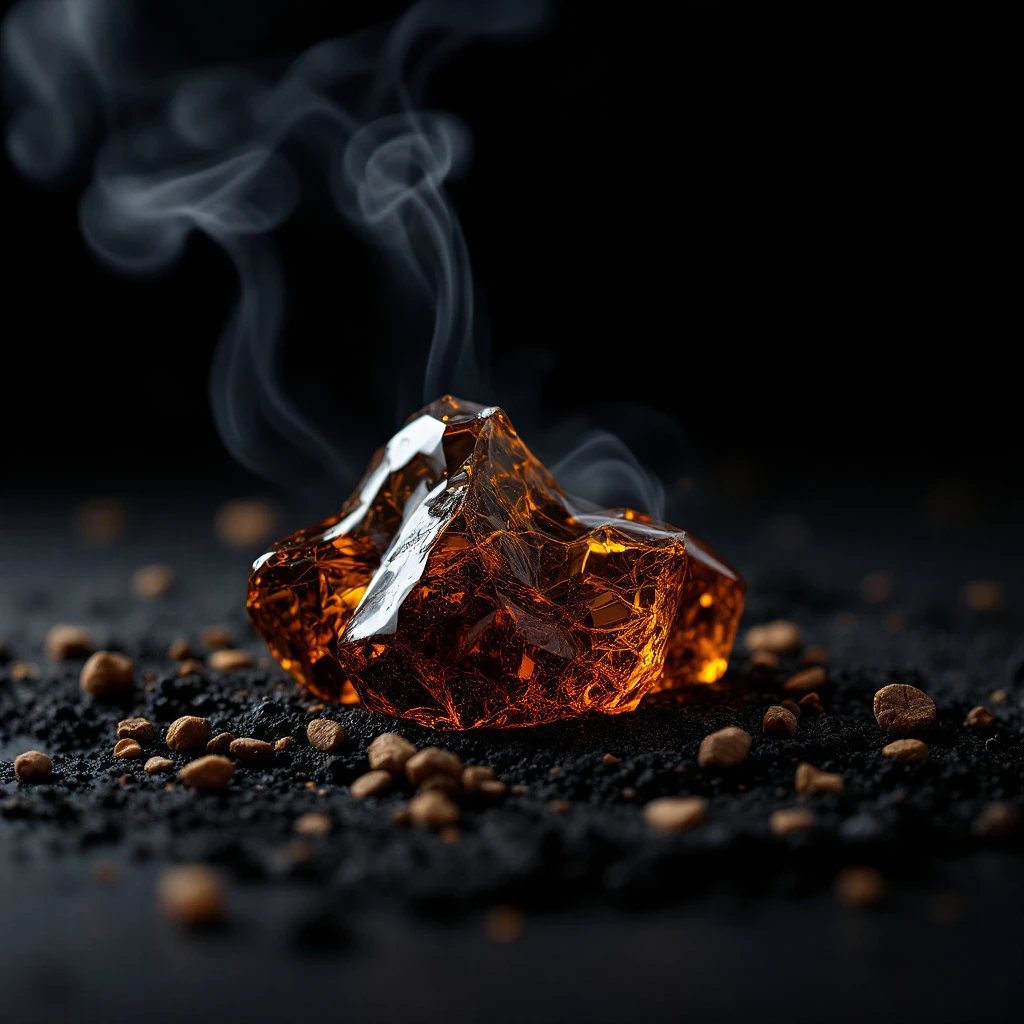
Character
How it smells
The original aromatic. Smoke and sacred wood in a bottle.
The word "perfume" itself derives from this ancient resin. Per fumum means "through smoke" in Latin, directly referencing the practice of burning incense that gave birth to the fragrance industry.







Origin
Oman
Incense originated in what we now call the Middle East, appearing in Mesopotamian ritual practices around 7000 BCE. Ancient cultures considered these resins so precious they rivaled gold in trade value. The legendary incense trade routes connecting Oman, Yemen, Somalia, and Ethiopia shaped the economies of Arabia, East Africa, and the Mediterranean world for millennia.
Egyptian priests incorporated incense into purification rituals around 3000 BCE. When techniques for extracting essential oils evolved, both incense-making and perfumery advanced together. The Greeks, Romans, Persians, and Arabs each refined processing methods, transforming raw resin into increasingly sophisticated aromatic materials.
Despite the rise of synthetic aromatics in modern times, incense resin remains economically and culturally significant to the communities who produce it.
Wears it best
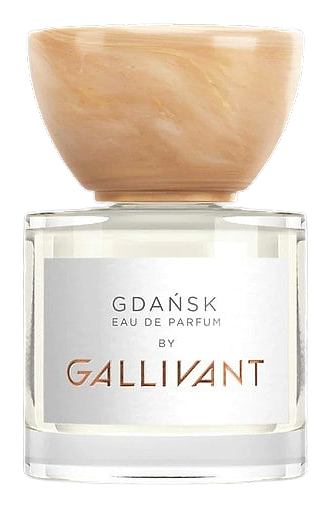
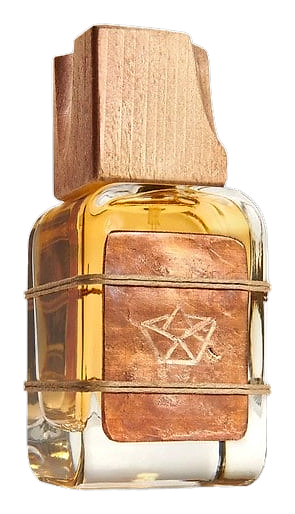
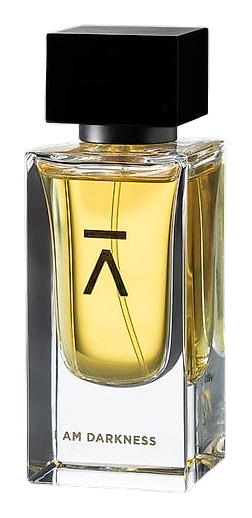
Fragrances featuring Incense resin
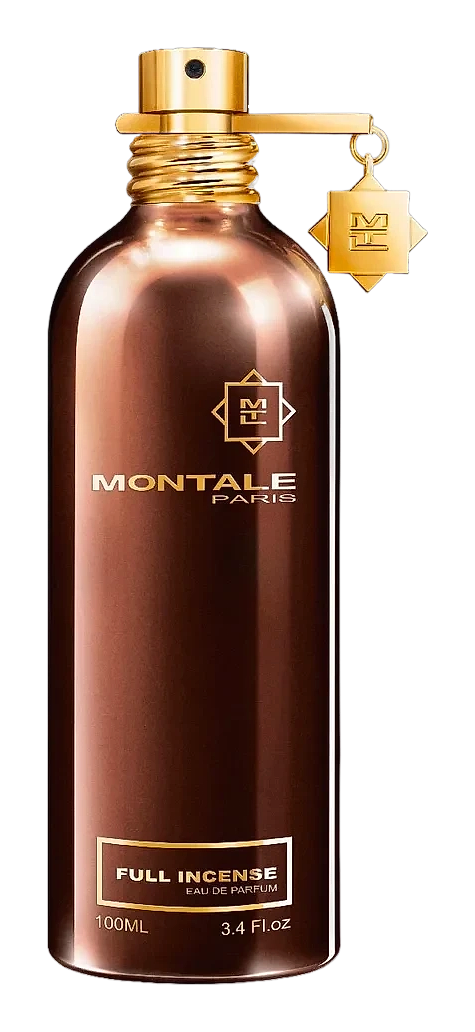
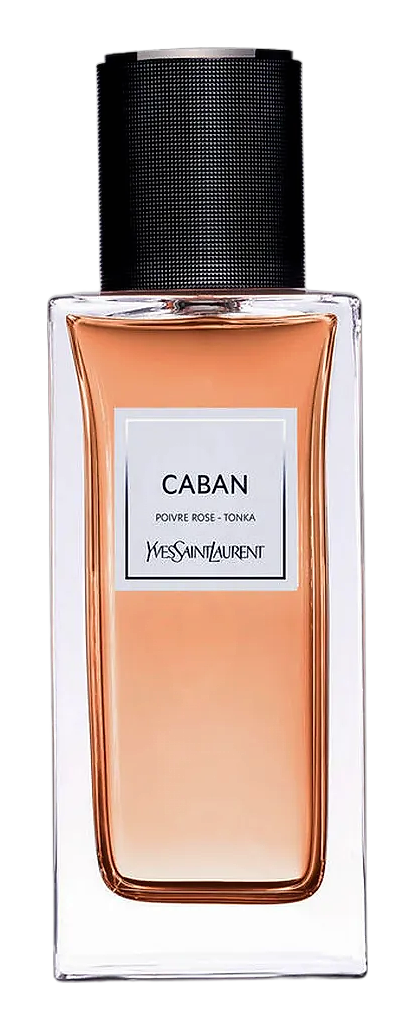
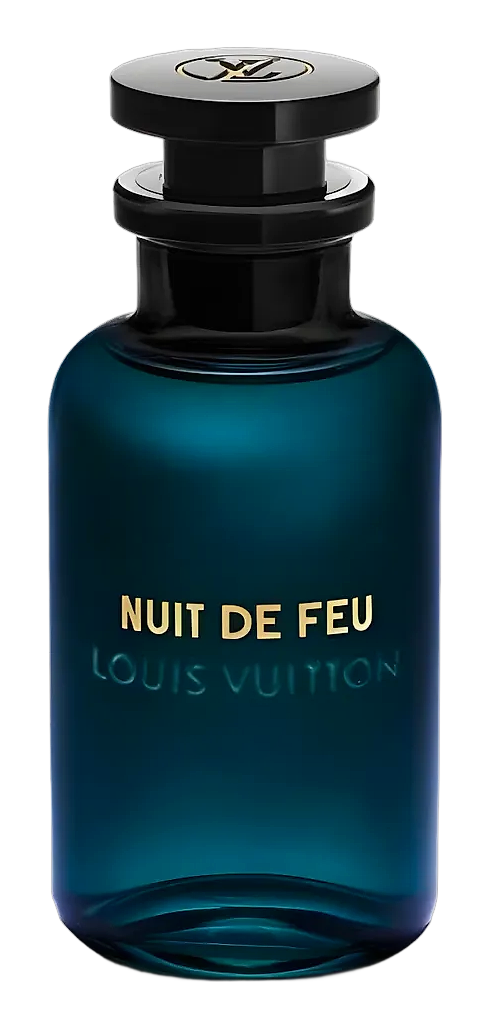
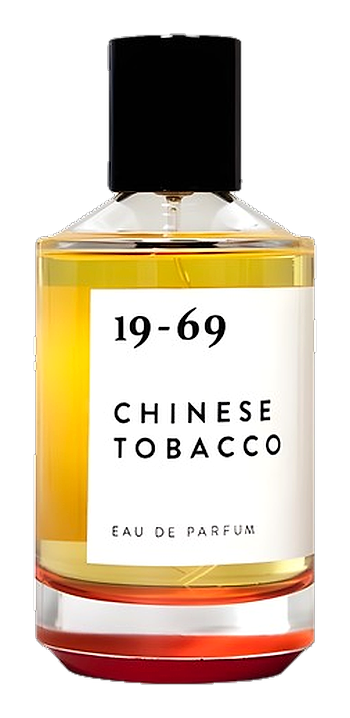
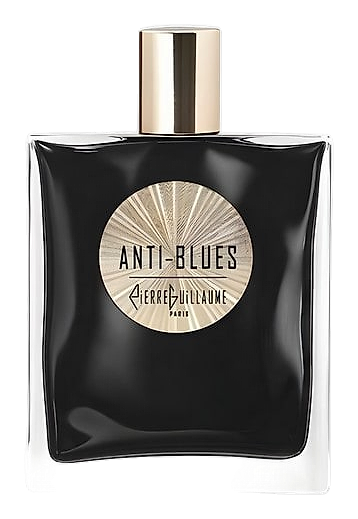
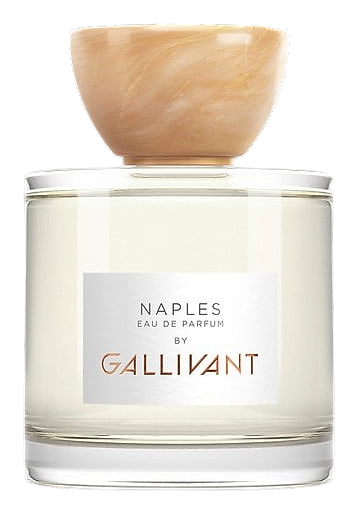
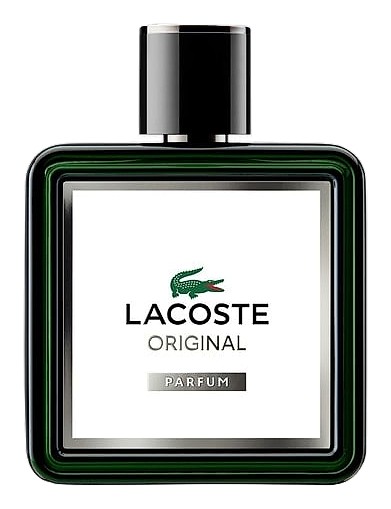
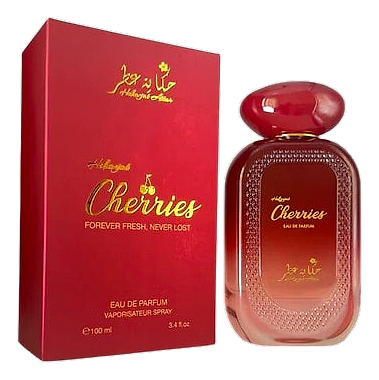
Brands
Brands known for Incense resin
Good to know
Questions, answered
The essentials on Incense resin in perfumery: how it smells, where it comes from, and how it behaves on skin.
What does incense resin smell like?
Incense resin carries a warm, slightly medicinal character with citrus and woody undertones. Its signature is a deep, balsamic sweetness layered with resinous warmth and a clean smoky trail. Actual scent varies by botanical source and extraction method.
Is incense resin natural or synthetic?
Authentic incense resin is fully natural, sourced from trees like Boswellia species. Synthetic alternatives exist that mimic the scent profile. Natural resin commands higher prices and dominates in niche and fine perfumery segments.
How is incense resin harvested?
Producers tap trees by making controlled cuts into the bark, then wait days for the gum-resin to weep and harden. Traditional tapping takes place during optimal seasons, with each tree yielding only small quantities. Sustainable harvesting practices prevent tree damage.
What regions have the highest quality incense resin?
The Dhofar region of Oman and adjacent areas of the Horn of Africa produce the most prized grades. Geographic conditions, including arid mountainous terrain, directly influence aromatic complexity in the final resin.
Which extraction method produces better fragrance materials?
Steam distillation yields essential oils with bright, clean top notes. Solvent extraction creates absolutes holding deeper, richer base notes. Both are legitimate in perfumery; the choice depends on desired fragrance application.
How long has incense resin been used in perfumery?
Incense resin has been an aromatic material for approximately 9,000 years. It directly influenced the very word perfume itself, whose Latin root per fumum translates to through smoke.
What families of fragrances commonly feature incense resin?
Incense resin appears frequently in oriental, ambery, woody, and spiritual mood categories. It anchors base notes in fragrances seeking gravitas, warmth, and meditative depth. Unisex and masculine scents favor it most heavily.
Does incense resin cause any safety concerns in cosmetic products?
IFRA permits natural incense resin in fine fragrance within specific concentration limits. Occasional sensitisation reports exist, so formulators monitor usage levels. Most consumers experience no issues at regulated concentrations.