The Story
Why it exists.
The beginning
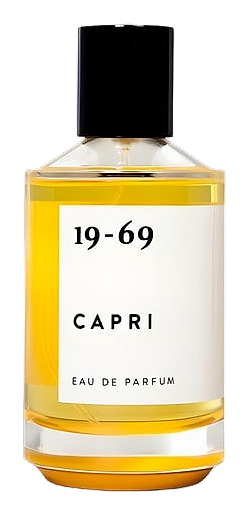
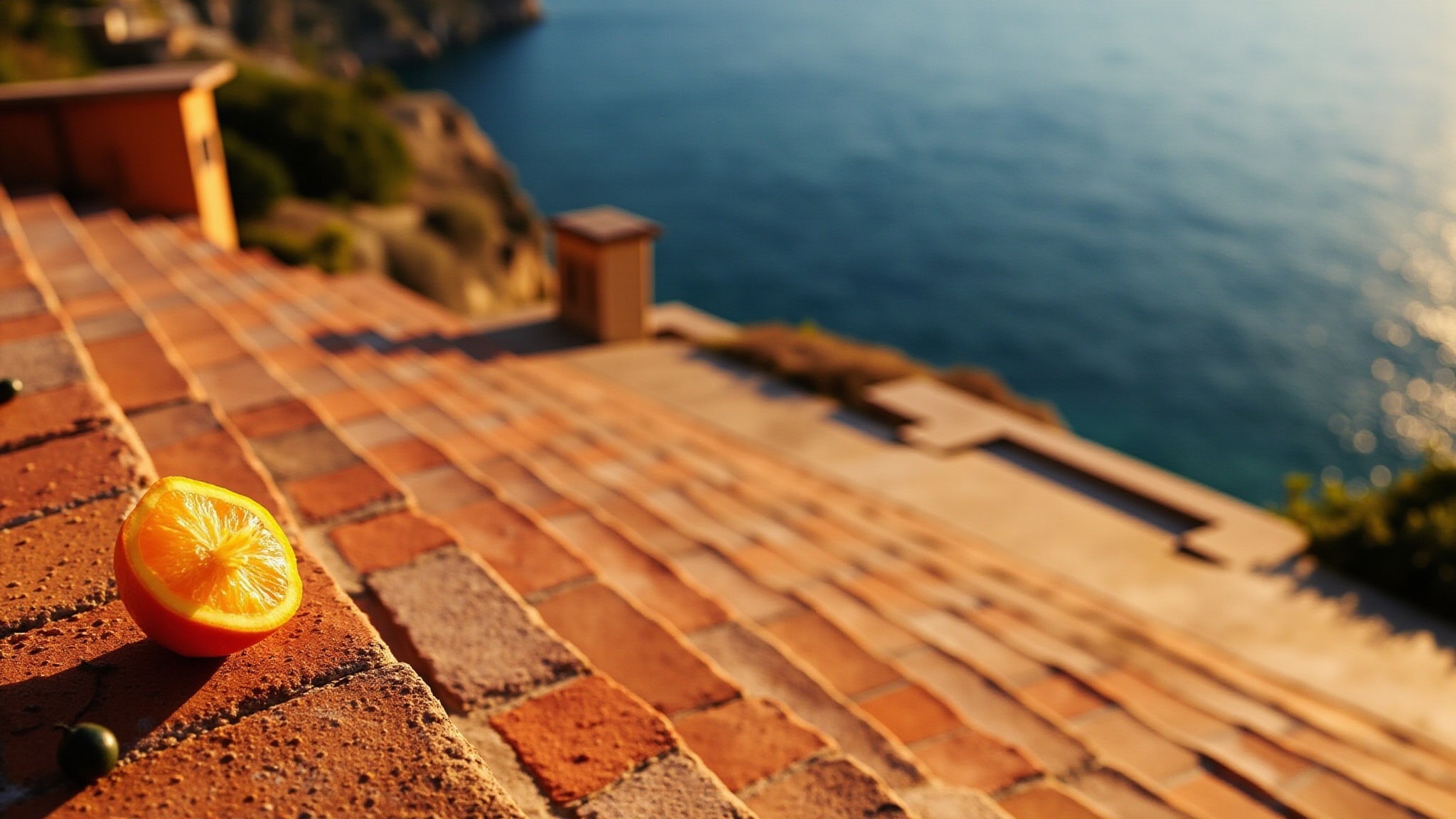
The name says Capri, but the real reference is more specific, Villa Malaparte, the geometric house at the island's eastern tip, and the 1963 film Le Mépris, shot there by Jean-Luc Godard. That tension between architectural severity and human warmth is the brief the perfumer worked from. Amélie Bourgeois built Capri around that contradiction: the island's bright, sun-facing surface and the complicated intimacy beneath it. Bergamot and mandarin open with an immediate clarity, the kind you associate with Mediterranean mornings before the heat settles in. Juniper and Sichuan pepper add a cool, almost aquatic quality that keeps the citrus from reading as sunny or sweet. The heart softens. Osmanthus brings its apricot-sweet, slightly animalic signature; jasmine and galbanum keep the florals grounded in something green and slightly bitter. It is, at its core, a fragrance about that tension, the architecture and what happens inside it.
The osmanthus is the surprise. Not a common heart note, it brings a velvety sweetness that prevents Capri from becoming purely structural, a fragrance that could have been all angles and edges becomes something with warmth underneath. Galbanum is the counterweight: green, slightly bitter, almost resinous. It keeps the florals from floating into abstraction. Together, osmanthus and galbanum create a heart that reads as floral but feels more complex, the kind of warmth that accumulates rather than announces itself. The drydown is where ambroxan and white musk take over. Ambroxan provides a mineral, slightly saline quality that mimics the smell of skin after sun and salt water, warm stone, not sunscreen.
The evolution
The opening hits immediately. Bright citrus, bitter orange, mandarin, the green bite of mandarin leaf, cuts through with a clarity that feels almost cold. Juniper and Sichuan pepper arrive within minutes, adding a cool, almost marine counterpoint to the citrus brightness. Chamomile softens the edges. The transition to the heart takes twenty to thirty minutes. Osmanthus announces itself slowly, its apricot-sweet warmth sliding in beneath the citrus rather than replacing it. Jasmine appears, but the osmanthus dominates, a velvety floral that feels like heat finally settling into the composition. Galbanum keeps it grounded, green, slightly bitter. This is the phase people remember: the osmanthus doing the work the top notes started. The drydown is where ambroxan and white musk take over. The citrus has faded, the florals softened into something mineral and skin-close. Orris adds a powdery iris quality that extends the drydown without sweetening it. The sillage becomes intimate, present only to someone standing close. But it lasts.
Cultural impact
Capri has earned its place among niche collectors who buy fragrance for what it says, not just how it smells. The Villa Malaparte and Le Mépris inspiration gives it a specific cinematic and architectural identity, a 1960s art-house cool that separates it from the general citrus-fresh category. It is one of 19-69's most beloved releases, and among those who own it, it tends to stay in rotation.