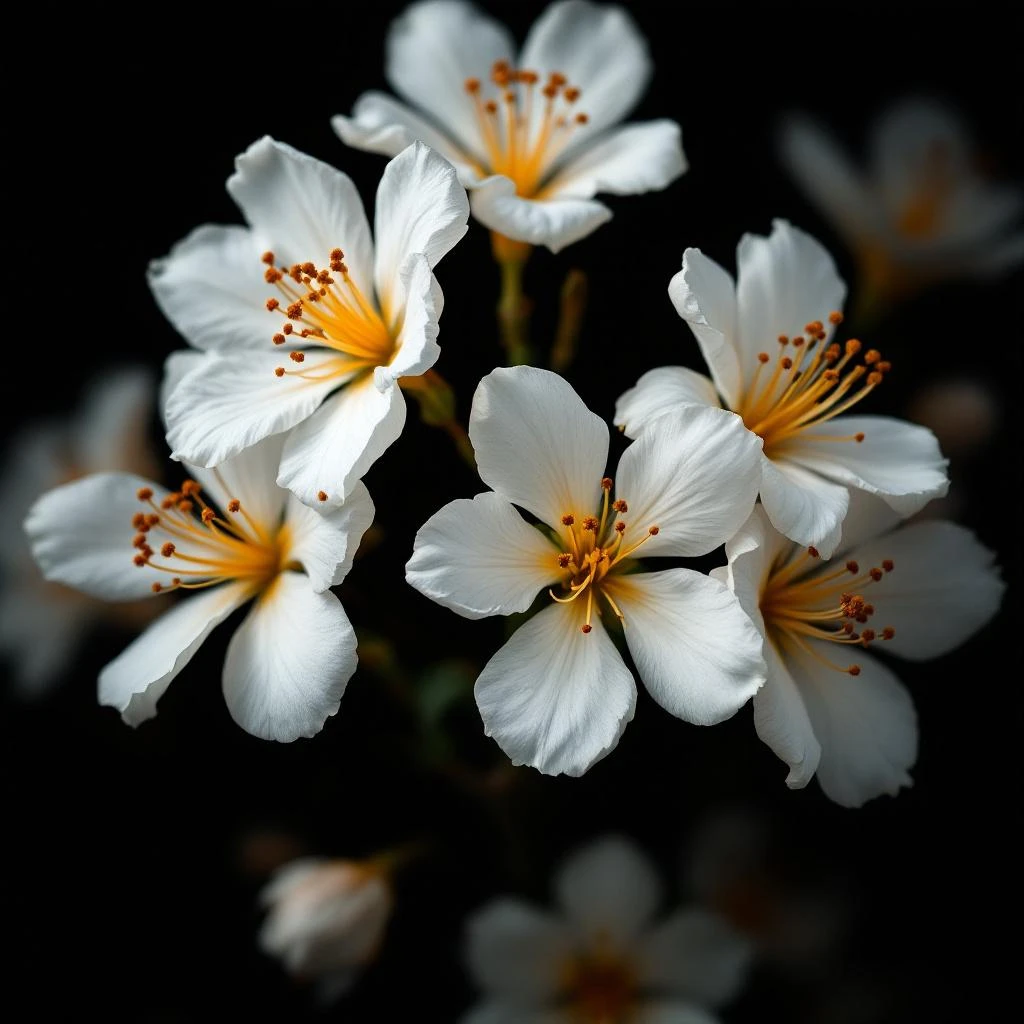
Mandarin Leaf
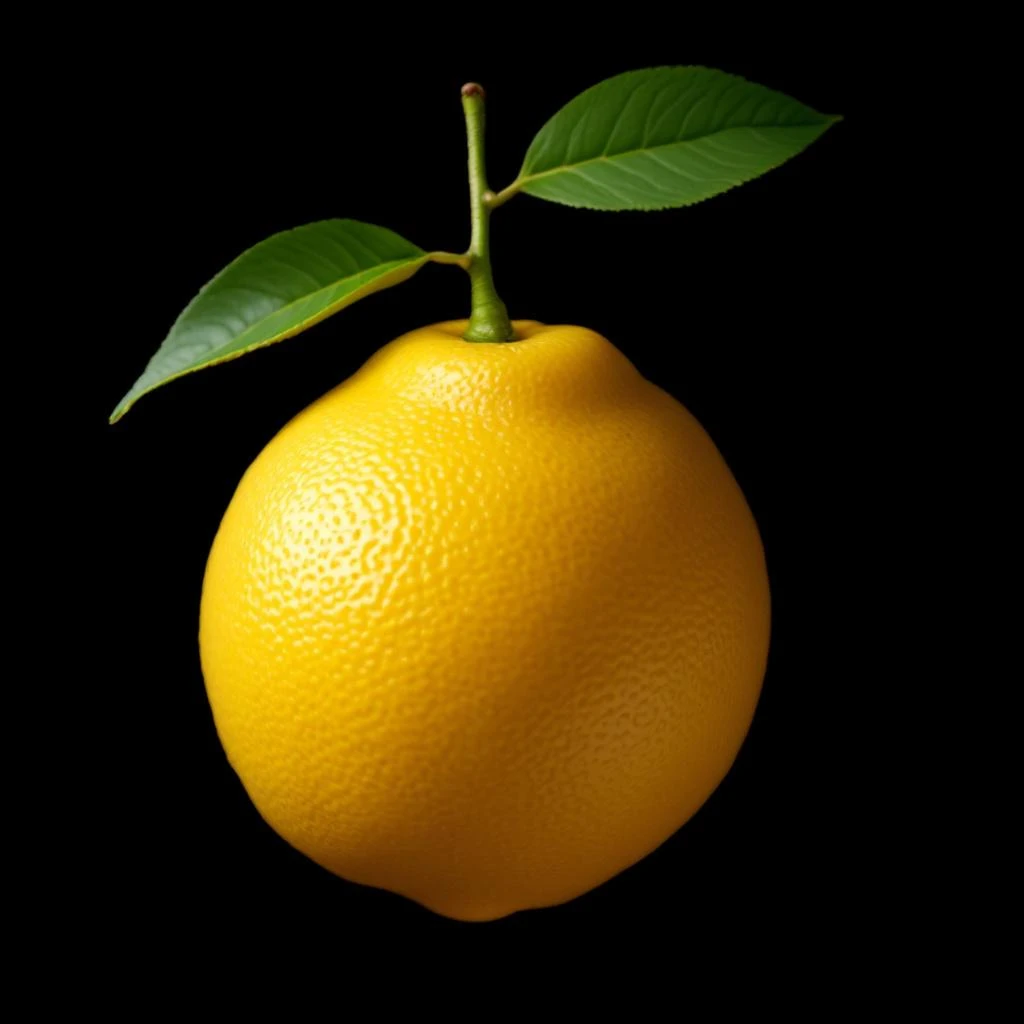
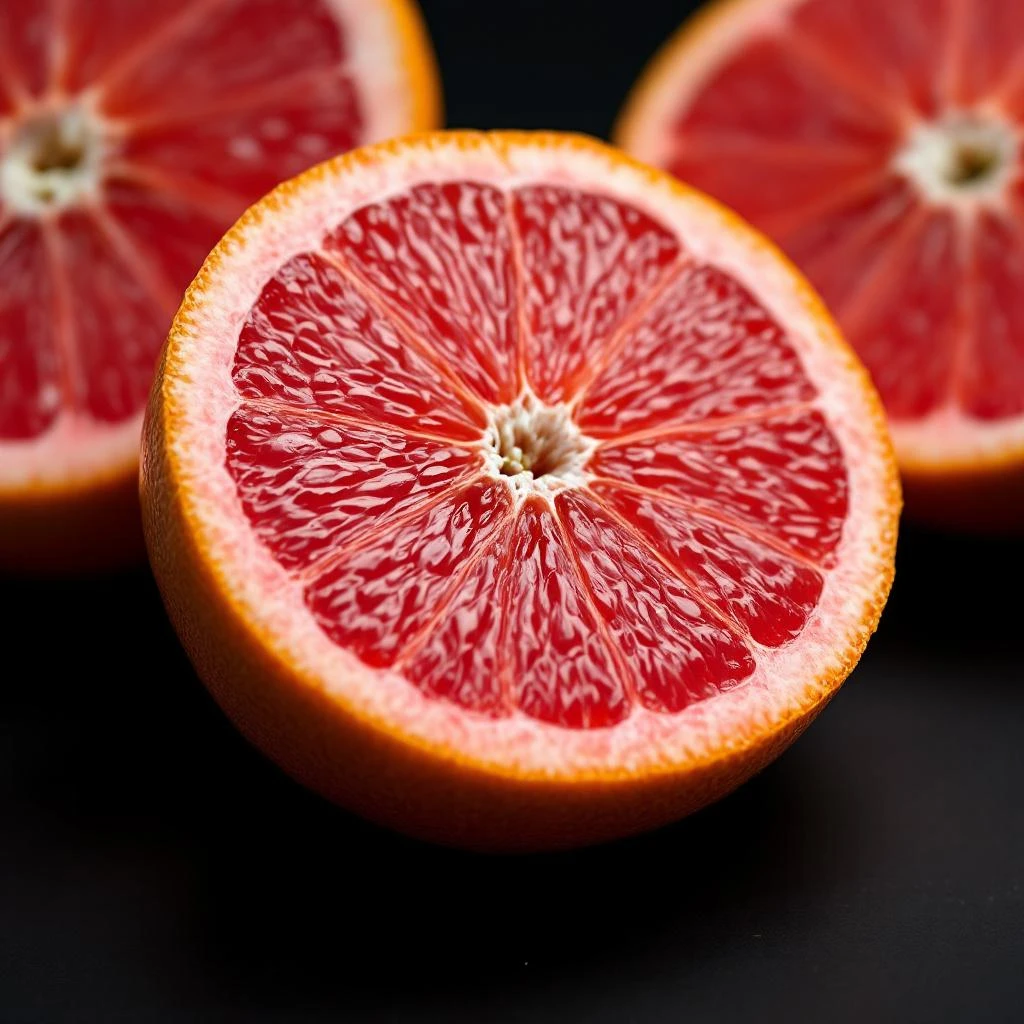
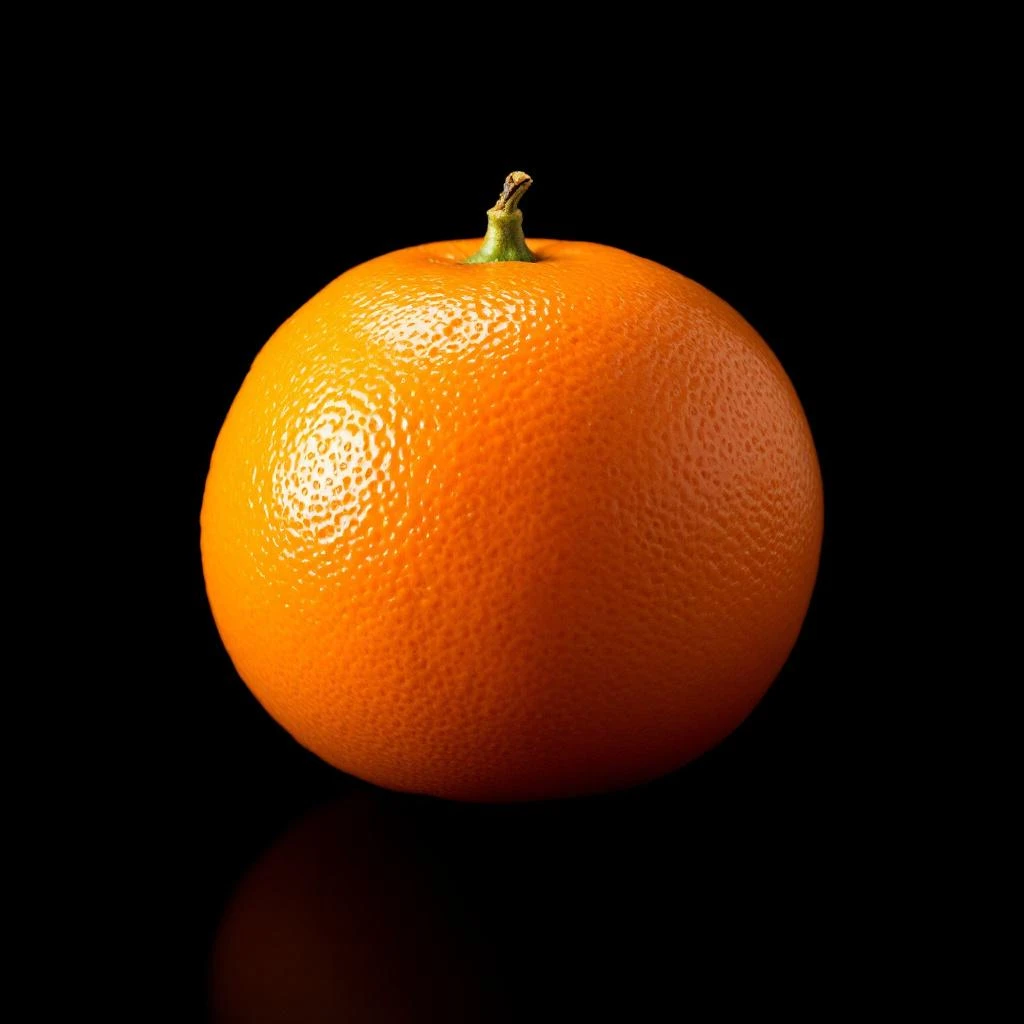
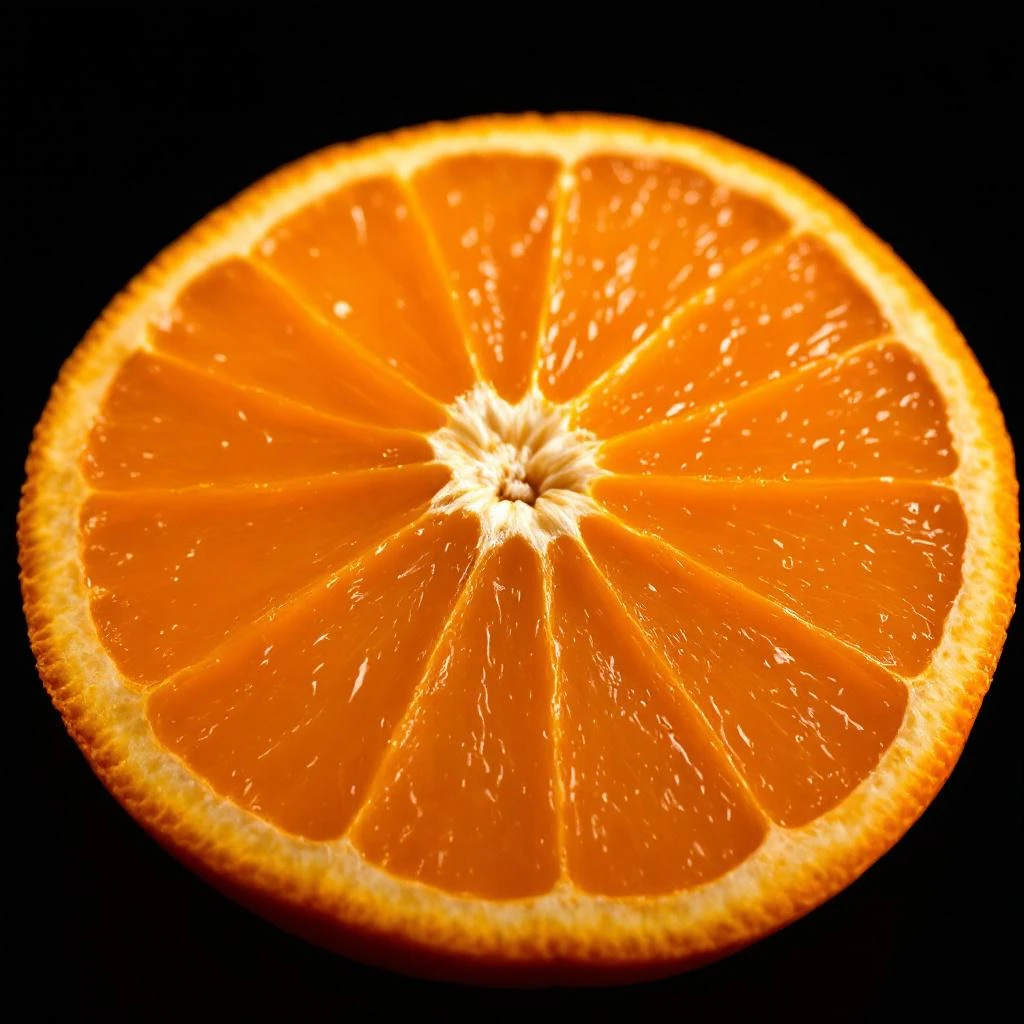
Mandarin peel oil captures the vibrant, sun-ripened essence of an ancient citrus. Cold-pressed from ripe fruit, it delivers sparkling top notes with sweet, tangy brightness and a clean, refreshing finish that energizes any composition.
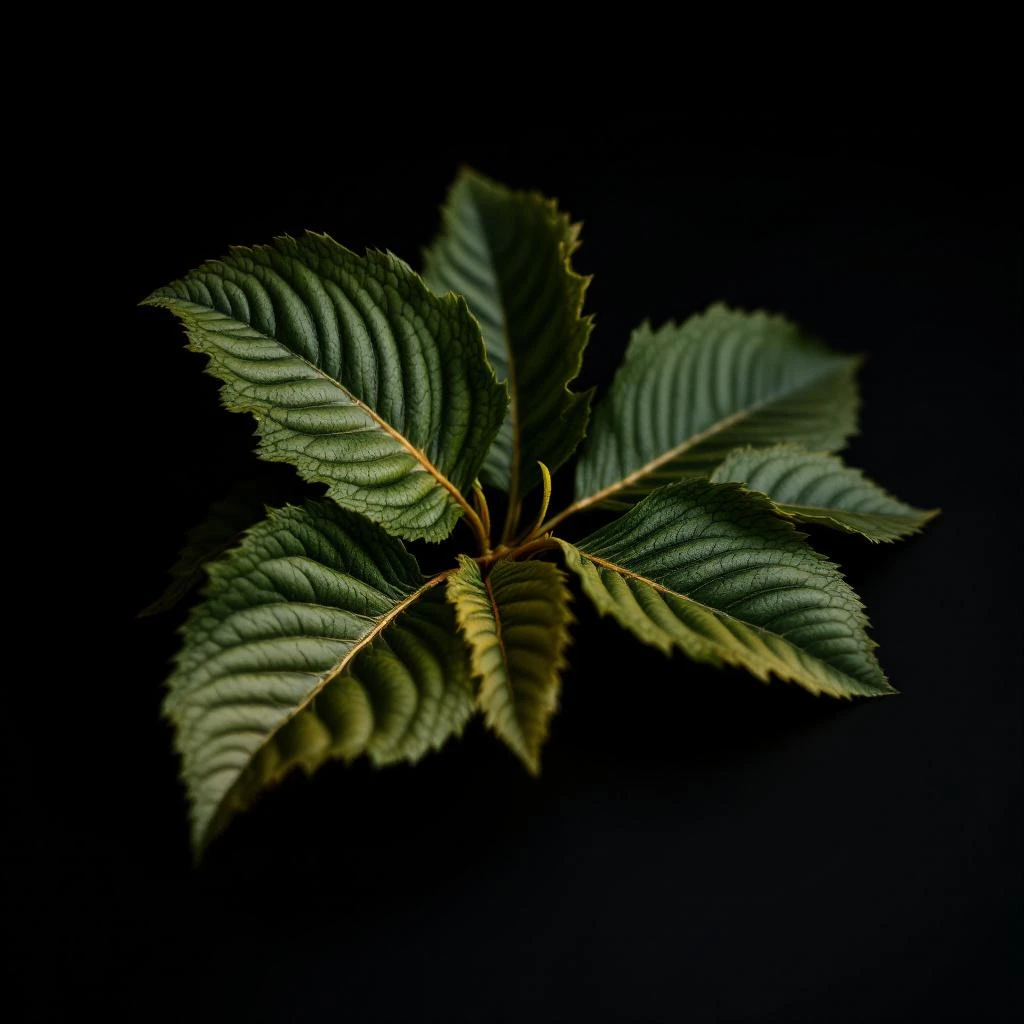
Character
How it smells
Sparkling citrus, sunny sweetness
The tangerine was named after Tangier, a Moroccan port city, where mandarins from China first arrived in Europe in the 19th century.







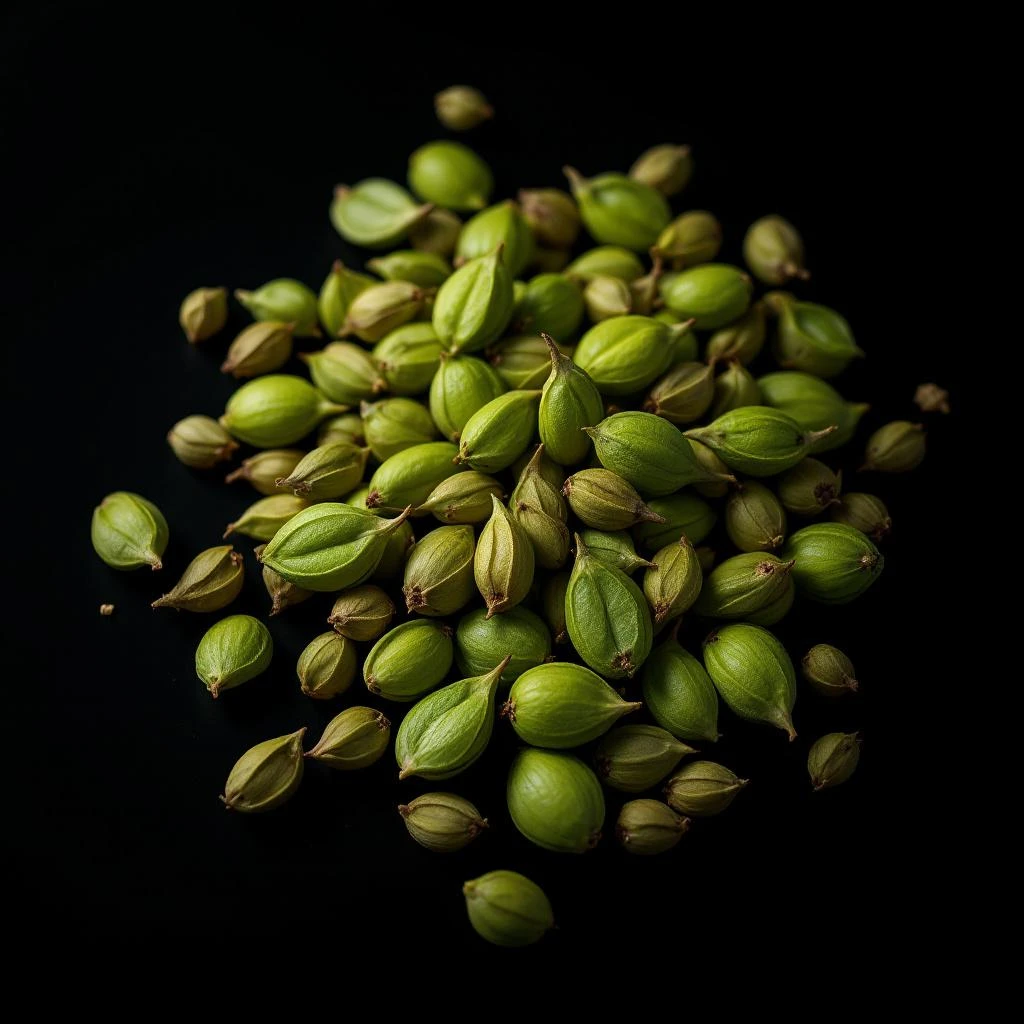

Origin
China
Mandarin oranges trace their roots to China, where natural philosophers used the peel in traditional medicine to stimulate digestion, treat abdominal problems, and reduce phlegm. Ayurveda practitioners employed the fruit to spark appetite, relieve thirst, and prevent gastrointestinal disorders. The fruit spread throughout Asia in the 10th century, reaching Europe in the early 1800s.
In 1882, six fruits of the King mandarin were shipped from Saigon to California, marking the introduction of this citrus to the United States. Clementine trees emerged as a hybrid of mandarins and bitter oranges, created by Brother Clément of the White Fathers in Algeria, who named the new seedless fruit after himself. While the trees flower abundantly, the blossoms do not feature in perfumery.
Modern extraction techniques evolved in the late 1800s when Antoine Chiris introduced solvent-based absolutes, expanding the perfumer's palette.
Wears it best
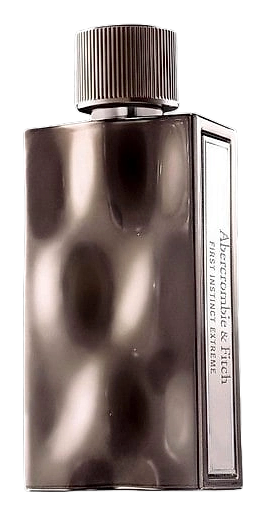
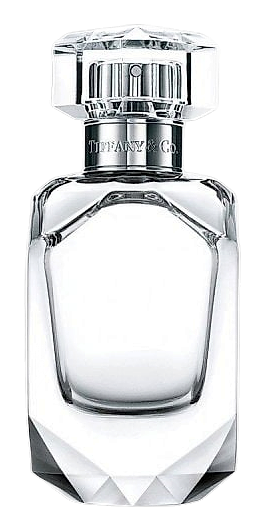
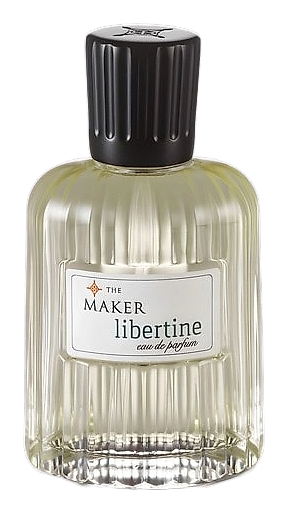
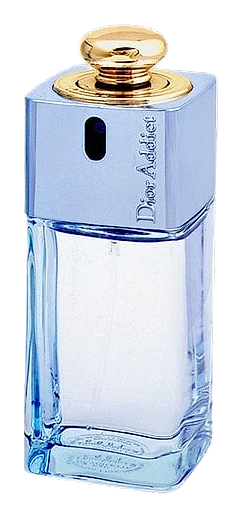
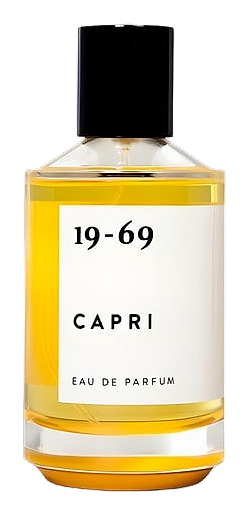
Fragrances featuring Mandarin Leaf
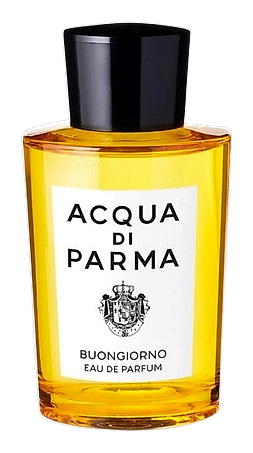

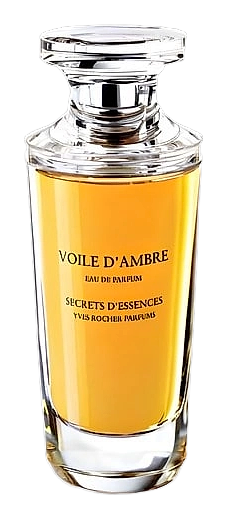
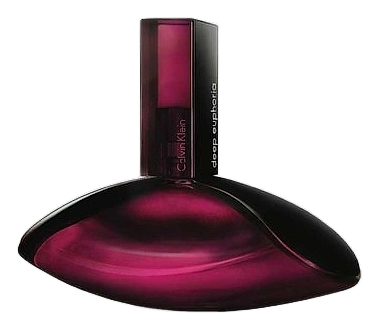
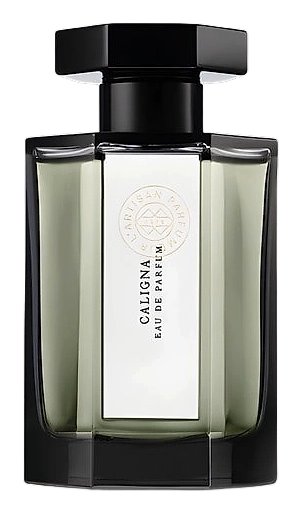

Brands
Brands known for Mandarin Leaf
Good to know
Questions, answered
The essentials on Mandarin Leaf in perfumery: how it smells, where it comes from, and how it behaves on skin.
What does mandarin peel oil smell like?
Mandarin oil delivers a bright, sparkling citrus with sweet, tangy energy. It has green undertones and subtle floral facets that create a lively, sun-kissed impression without bitter peel notes.
Is mandarin oil natural or synthetic?
Natural mandarin oil comes from cold-press extraction of the fruit peel. Synthetics replicate certain facets, but the natural version remains prized for its complex, fresh character and juice-like quality.
Where does mandarin oil come from?
Sicily leads production of yellow mandarin oil for perfumery. Italy and South America supply green mandarin oil from unripe fruits. China holds historical primacy as the fruit's origin.
What blends well with mandarin oil?
Mandarin pairs with florals like jasmine, neroli, and rose; spices including clary sage and basil; and woods such as sandalwood, patchouli, and frankincense. It also harmonizes with other citrus and petitgrain.
What is the difference between green and yellow mandarin oil?
Green mandarin oil comes from unripe fruits and has a sharper, more peel-like quality preferred in perfumery. Yellow oil comes from riper fruit and offers a sweeter, more aromatic profile used across flavor and fragrance industries.
Did mandarin have traditional medicinal uses?
Chinese natural philosophers used mandarin peel to aid digestion, treat abdominal problems, and reduce phlegm. In Ayurveda, the fruit stimulated appetite and helped discharge respiratory congestion.
What is the historical origin of mandarin oranges?
Mandarin oranges originated in China, spreading through Asia in the 10th century before reaching Europe in the early 1800s. The King mandarin variety arrived in California in 1882, marking the fruit's entry into the United States.
Are there any safety considerations with mandarin oil?
Mandarin oil is generally safe for perfumery use. As with most citrus oils, it may cause photosensitivity in skin applications, so dilution and sun exposure precautions apply in cosmetic formulations.