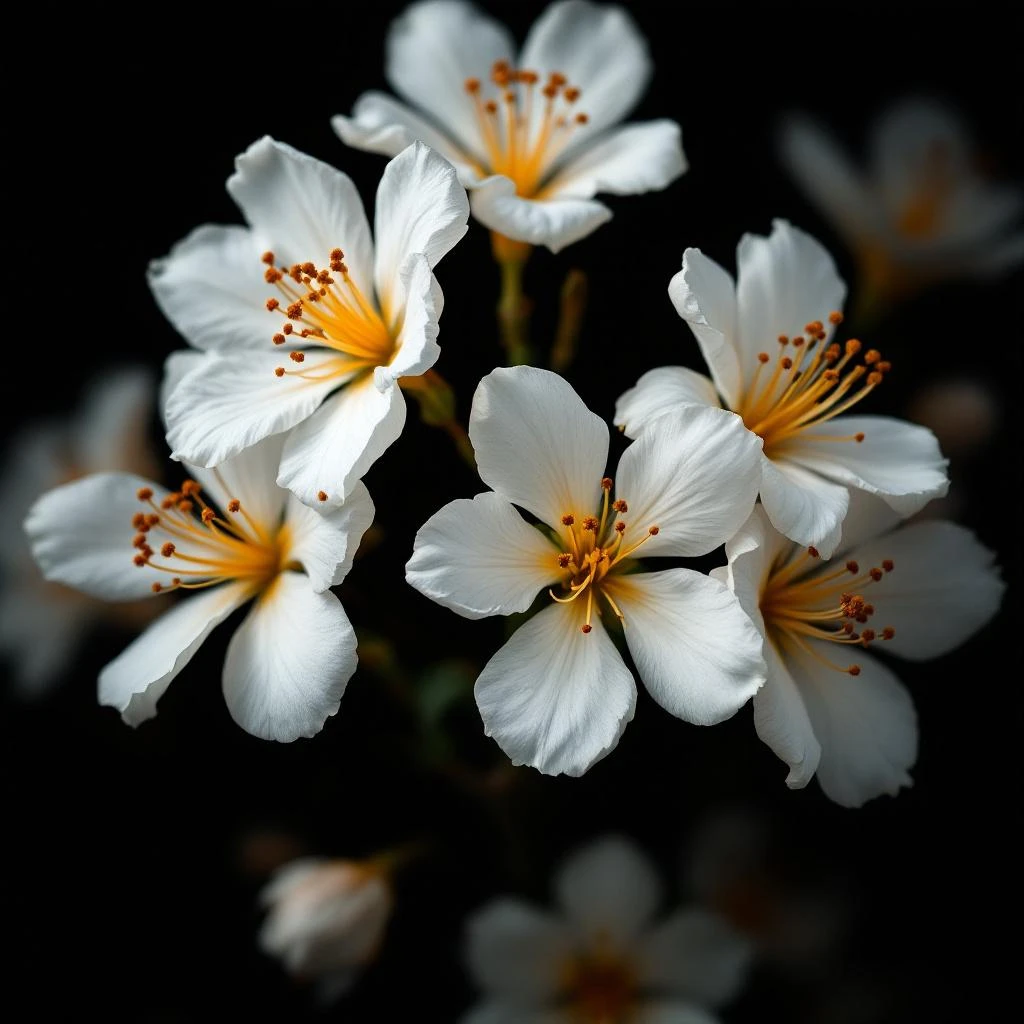
Mandarin Orange Leaf
Mandarin orange leaf captures the verdant essence of Citrus reticulata's foliage, offering a green, slightly bitter facet that balances the fruit's sunny brightness. While the fruit peel dominates perfumery's citrus palette, the leaf adds unexpected depth and botanical authenticity to fragrance compositions.
Character
How it smells
Green, bitter, and quietly complex.
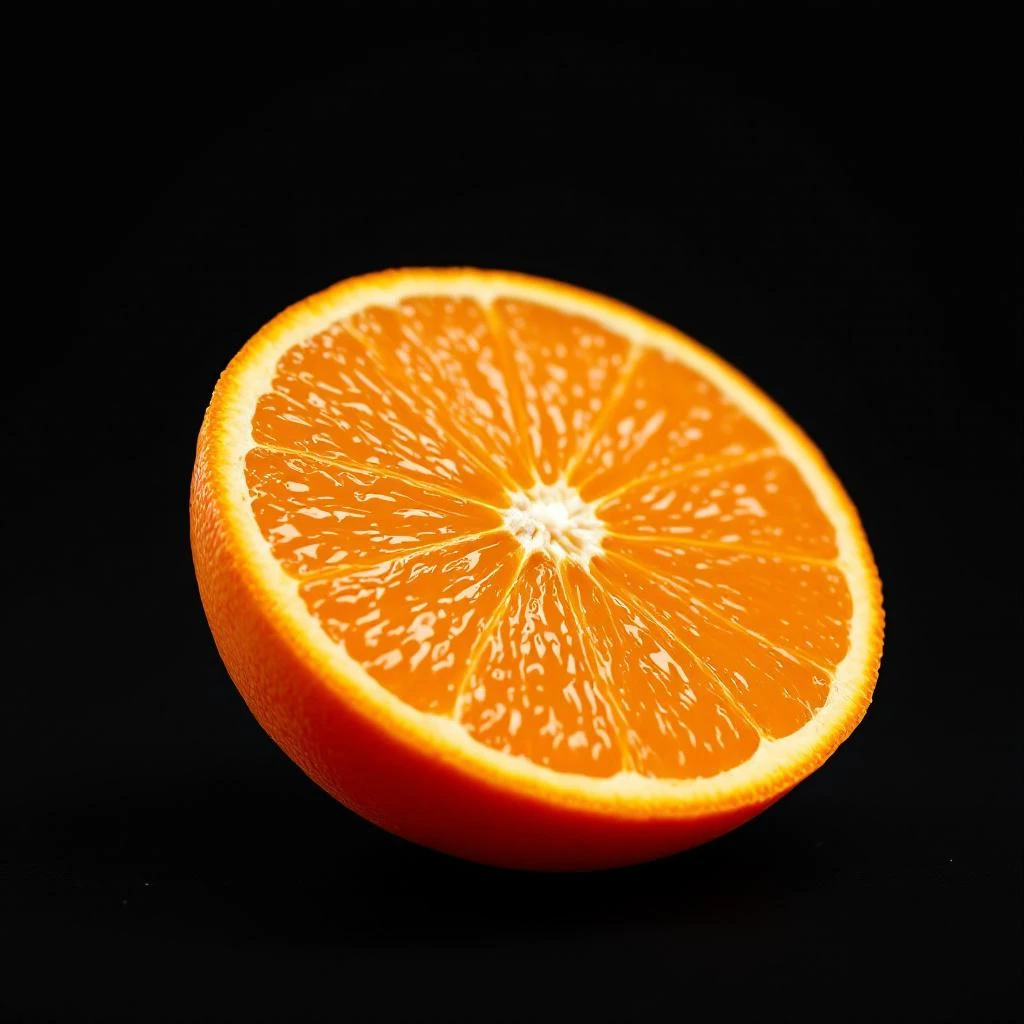
The leaf oil of Citrus reticulata smells distinctly different from the peel, combining green grassy notes with a subtle bitter edge that rounds out the fruit's sweetness.









Origin
China
The mandarin orange earned its name from ancient China, where the fruit was traditionally presented as a ceremonial gift to officials called Mandarins during lunar festivals. Citrus reticulata has grown wild across Southeast Asia for millennia, with cultivation records dating back several thousand years in Chinese texts.
The tree holds deep cultural significance throughout East Asia, where it has symbolized prosperity, good fortune, and longevity. While perfumery historically focused on the fruit's peel, Chinese traditional medicine incorporated all parts of the citrus plant, including the aromatic leaves.
European appreciation for mandarin only developed after Portuguese traders introduced the fruit in the early 16th century. Today, China remains one of the largest global producers, though Sicily and Florida also cultivate significant crops for essential oil production.
Wears it best
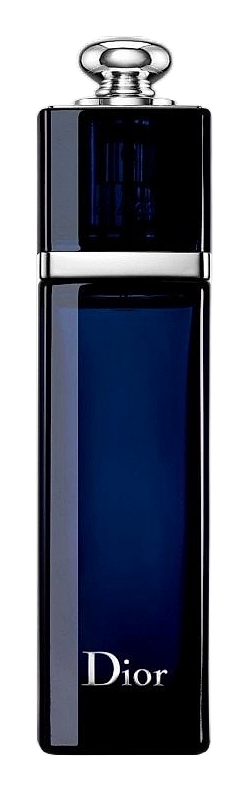
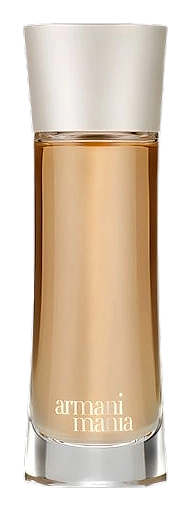
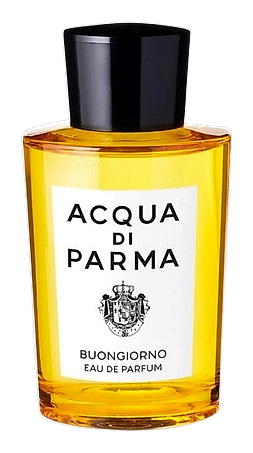
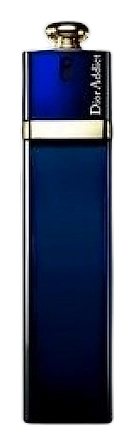
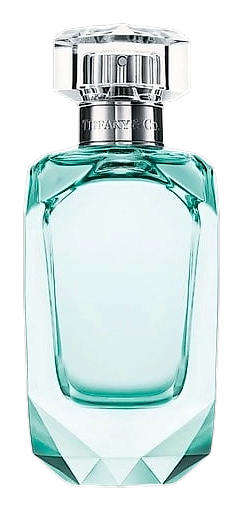
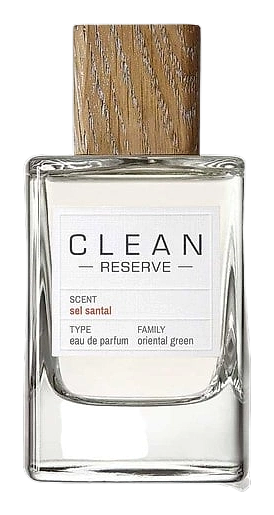
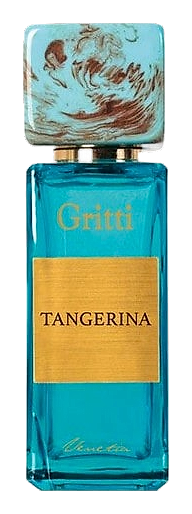
Fragrances featuring Mandarin Orange Leaf
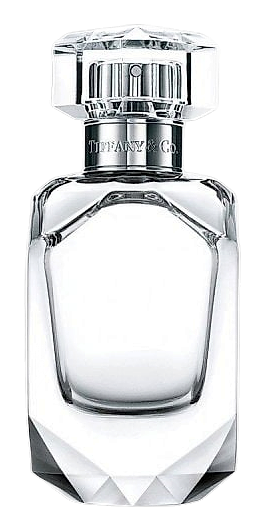
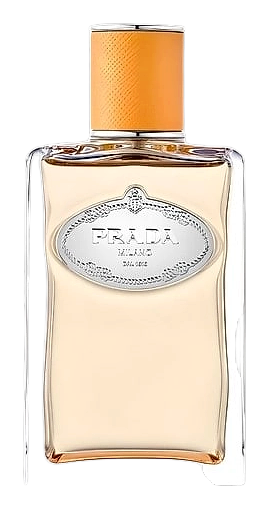
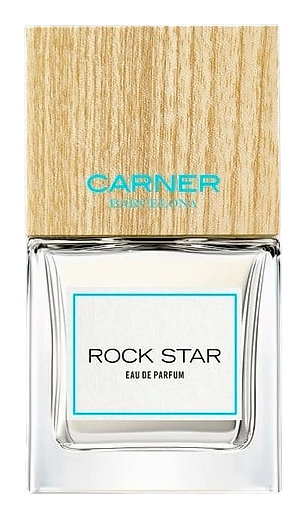

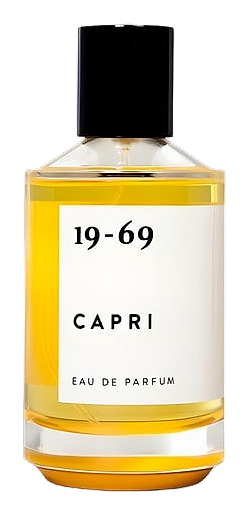
Brands
Brands known for Mandarin Orange Leaf
Good to know
Questions, answered
The essentials on Mandarin Orange Leaf in perfumery: how it smells, where it comes from, and how it behaves on skin.
What does mandarin orange leaf smell like?
Mandarin orange leaf offers a green, slightly bitter aroma with grassy and herbaceous qualities. It lacks the bright, sweet citrus character of the fruit peel and instead provides a more grounded, botanical nuance that complements floral and woody fragrance structures.
How is mandarin orange leaf oil extracted?
Steam distillation of freshly harvested Citrus reticulata leaves produces the essential oil. The leaves are subjected to steam, which releases volatile aromatic compounds that are then condensed and collected.
Is mandarin orange leaf oil widely used in perfumery?
It appears less frequently than mandarin peel oil but serves an important role in botanical and citrus accords. Niche fragrance houses and natural perfumers particularly value leaf extraction for its ability to create authentic green citrus signatures.
Where does mandarin orange leaf originate?
Citrus reticulata originated in ancient China and Southeast Asia, where it has been cultivated for thousands of years. The tree grows to heights of 3 to 6 meters and thrives in subtropical climates with well-drained soil.
Can mandarin orange leaf cause skin reactions?
Like most citrus-derived materials, the leaf oil contains furanocoumarins that can cause photosensitivity. IFRA guidelines recommend caution in leave-on skin applications. Always dilute properly before use.
How does mandarin leaf differ from mandarin peel in fragrance?
The peel oil delivers bright, sweet citrus freshness, while the leaf oil provides green, bitter, and slightly woody nuances. Combining both creates a complete picture of the living citrus plant rather than just the fruit.
What fragrance families pair well with mandarin orange leaf?
The leaf note harmonizes naturally with other citruses, white florals, green accords, and aromatic herbs. It also grounds sweeter compositions with its bitter edge, adding sophistication to modern fragrance designs.
Is mandarin orange leaf oil synthetic or natural?
Natural mandarin orange leaf oil comes from steam-distilled leaves of Citrus reticulata. Synthetic alternatives exist for cost or consistency reasons, but natural leaf oil remains preferred among natural and niche perfumers.