The Story
Why it exists.
The beginning
19-69, founded in Sweden in 2015, operates from the premise that each fragrance should function as a concise story, a single chapter in a larger olfactory narrative. Invisible Post arrived in 2020 as the house sought to capture something ephemeral, the unseen message left behind after a summer downpour washes through a city street. The brief was simple yet ambitious: translate absence into presence, the trace of something that once was. The perfumer approached this by building a composition that begins in brightness and gradually reveals its quieter, more contemplative core.
The pairing of notes in Invisible Post reflects 19-69's philosophy of narrative-driven composition. The opening trio of Petitgrain, Fig, and Mandarin Orange was chosen to evoke the immediate aftermath of rain, that moment of clean clarity. The heart of Palm Leaf, Blackcurrant, and Cyclamen represents the slower, more contemplative phase where beauty reveals itself in details. The base of Sandalwood, Cedarwood, and Tonka Bean grounds the entire experience, ensuring the scent lingers like a memory rather than a shout. Each layer builds on the previous one, creating a fragrance that feels like reading a short story in a single sitting.
The evolution
The arc of Invisible Post mirrors the journey of water running down a street after rain, picking up scent as it goes. It opens with Petitgrain, Fig, and Mandarin Orange, capturing the initial clarity of wet surfaces catching light. As the fragrance evolves, Palm Leaf, Blackcurrant, and Cyclamen take over, representing the transformation from clear water to something carrying the memory of the greenery it touched. The drydown of Sandalwood, Cedarwood, and Tonka Bean marks the final stage, where everything settles into the earth, leaving only a warm trace behind. This progression from bright citrus to green depth to creamy wood creates a complete narrative arc that feels both natural and emotionally resonant.
Cultural impact
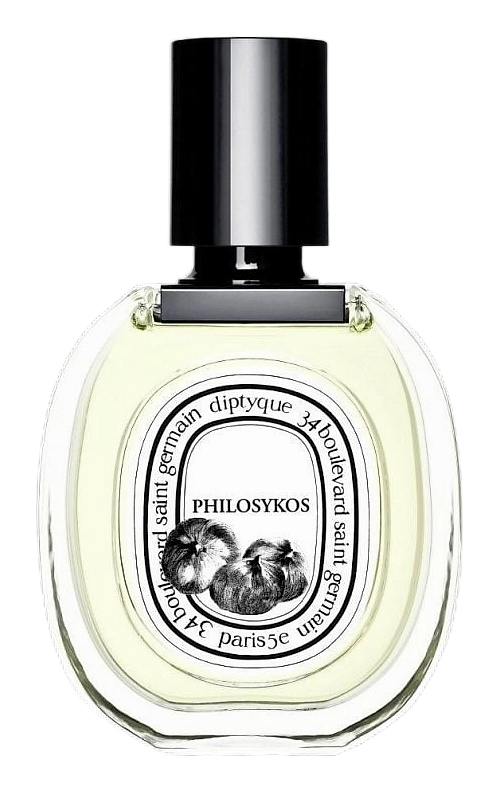
Since its 2020 debut, Invisible Post has become a reference point for green‑fresh unisex scents among niche enthusiasts. Reviewers often compare its fig‑driven opening to Diptyque’s Philosykos (2002) and its woody dry‑down to D.S. & Durga’s Debaser (2015), noting a smoother transition between the two. Its moderate sillage and balanced longevity have earned it a steady presence on fragrance forums, where collectors cite it as a versatile everyday staple that bridges bright citrus and warm woods without veering into overtly gourmand territory.