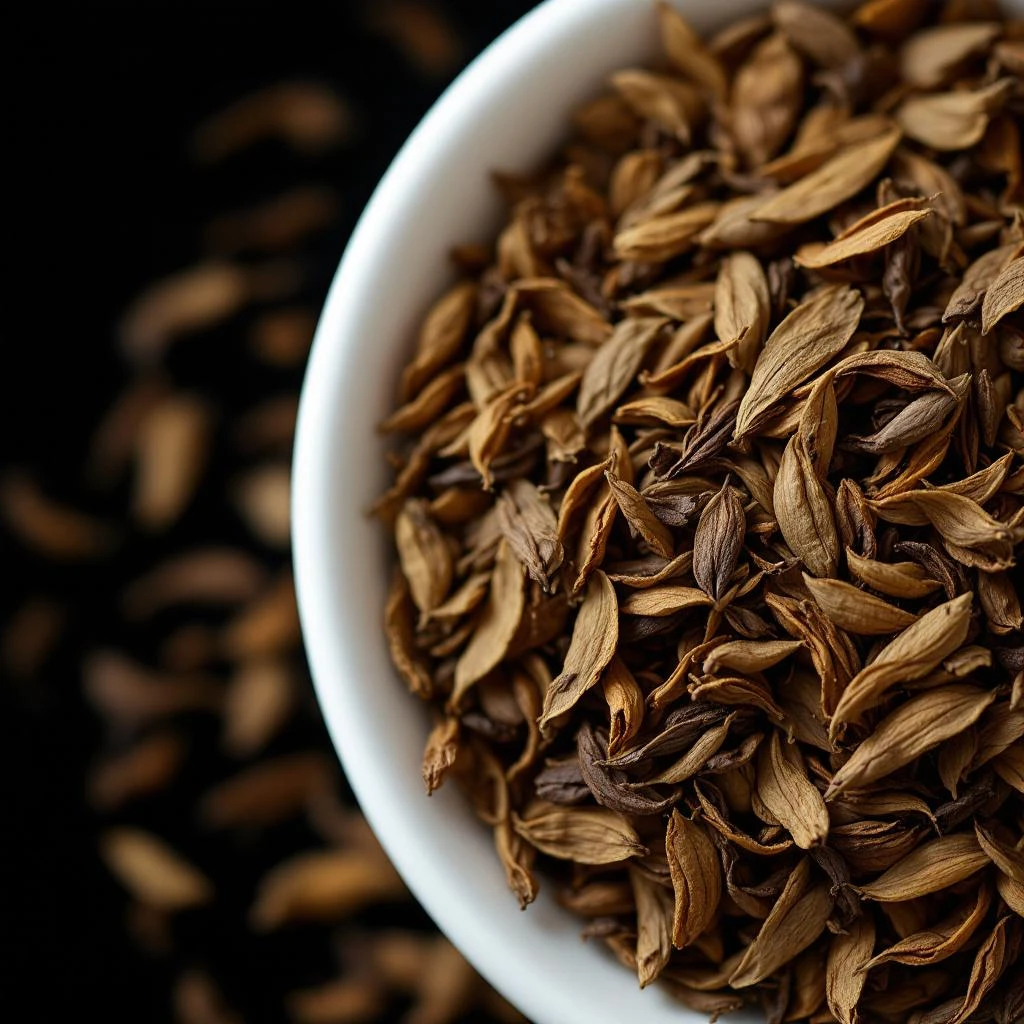
Palm Leaf
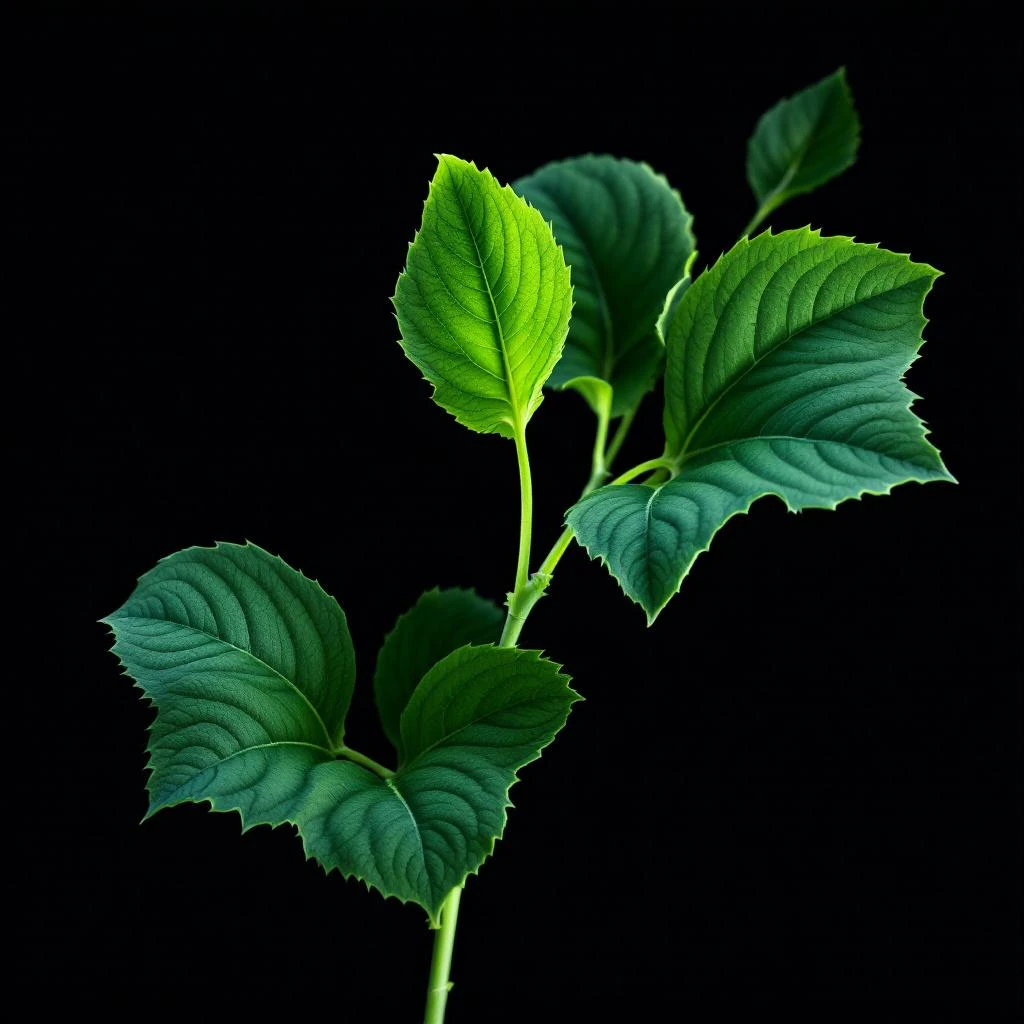
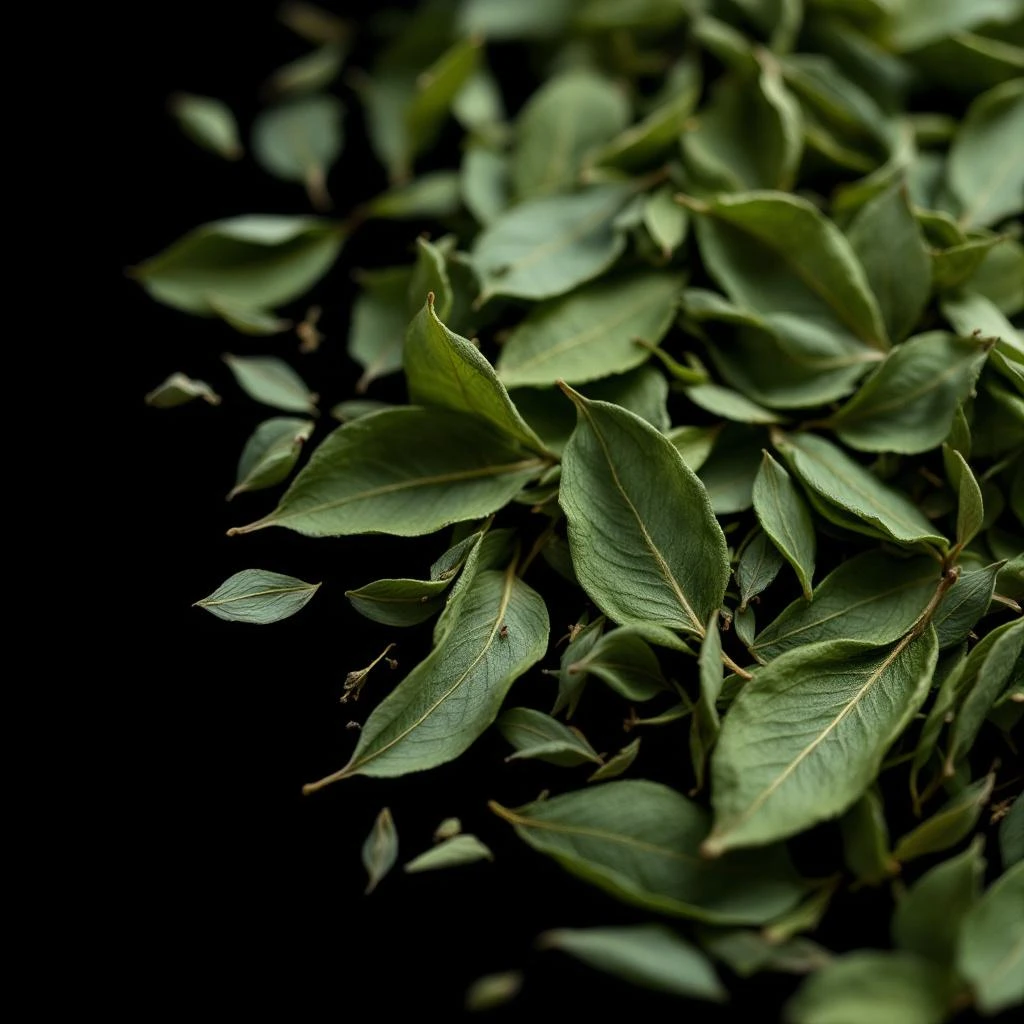
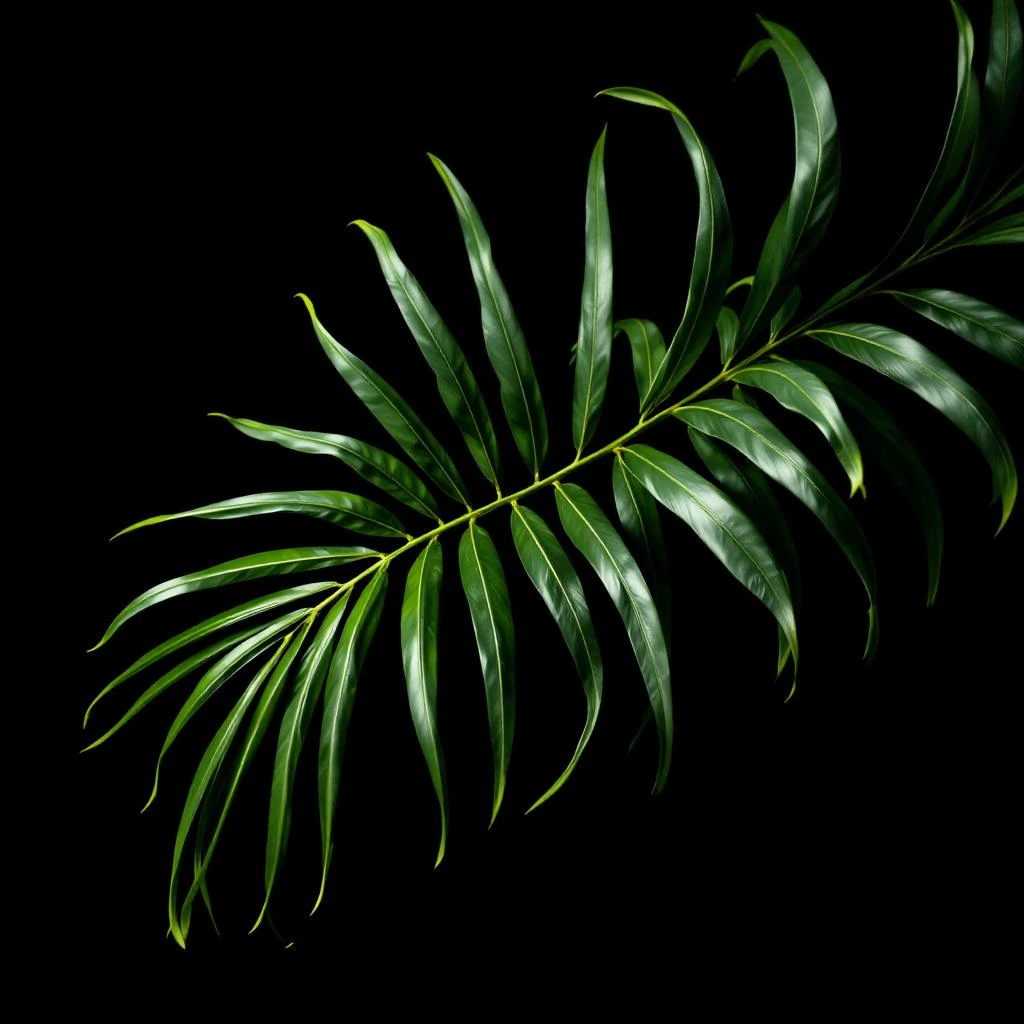
Palm leaf offers a crisp, herbaceous green note that bridges florals and woods, delivering a fresh, sun‑kissed aroma reminiscent of a tropical canopy after rain.
Character
How it smells
Green vigor captured from tropical fronds.
Palm leaf oil contains a high proportion of (E)-2-hexenal, a compound that triggers the brain’s perception of freshly cut grass, making the note instantly recognizable.







Origin
Indonesia
Palm fronds have scented human cultures for millennia. Archaeological records from 1500 BCE Egypt describe balms made from crushed palm leaves mixed with animal fat, used in temple rites to invoke fertility. In ancient India, Ayurvedic texts list palm leaf oil as a cooling agent applied after sun exposure.
By the 19th century, European explorers brought dried fronds to France, where perfumers began experimenting with steam‑distilled extracts. The first commercial palm leaf essential oil appeared in Parisian pharmacies in 1884, marketed as a freshening component for men's colognes. Throughout the 20th century, the note served as a bridge between the booming citrus boom and the emerging green‑herb movement, offering a natural alternative to synthetic aldehydes.
Today, sustainable plantations in Indonesia and Malaysia supply the majority of the raw material, allowing modern creators to reference a scent that has traveled from ancient rites to contemporary fragrance labs.
Wears it best
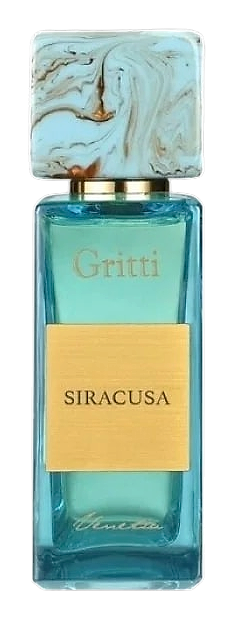
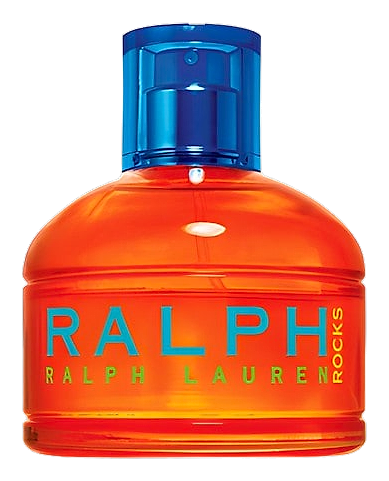
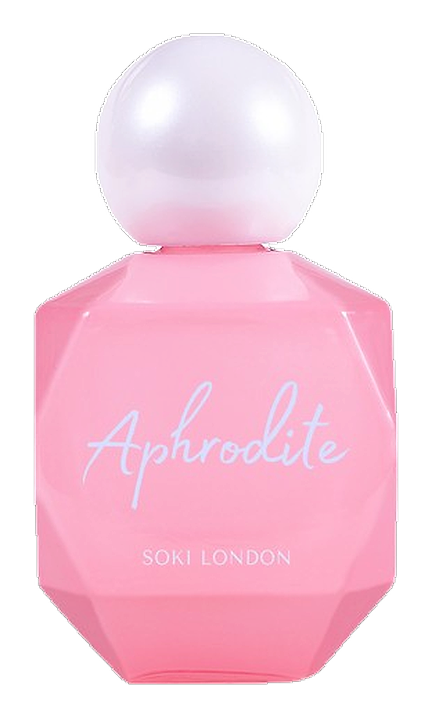
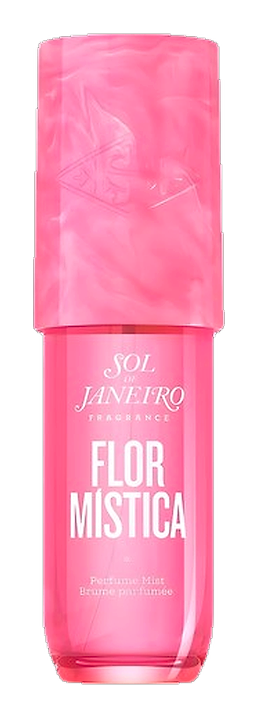
Fragrances featuring Palm Leaf
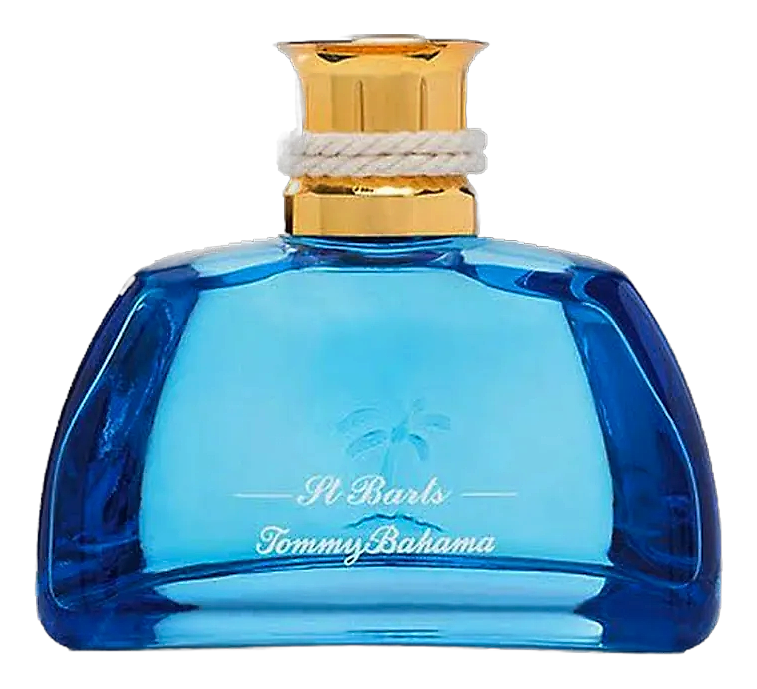
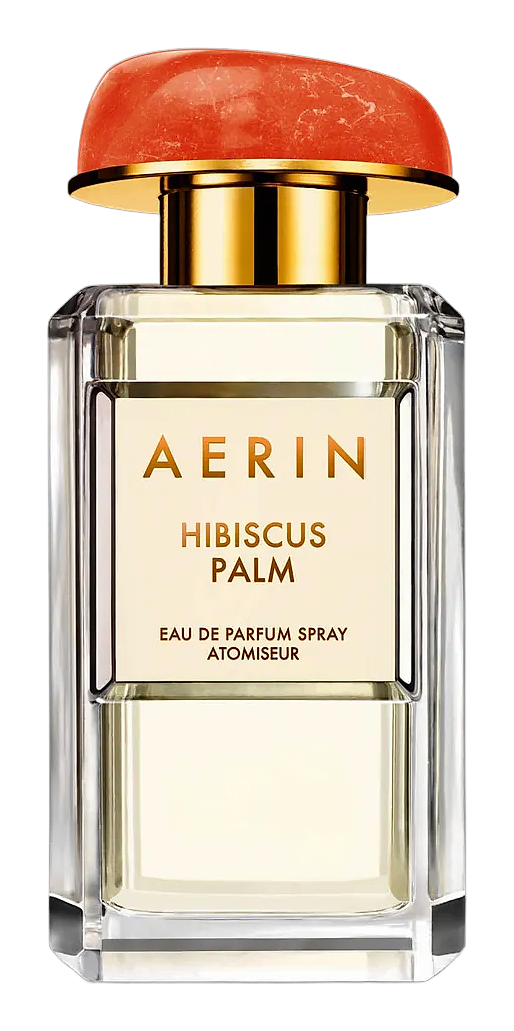
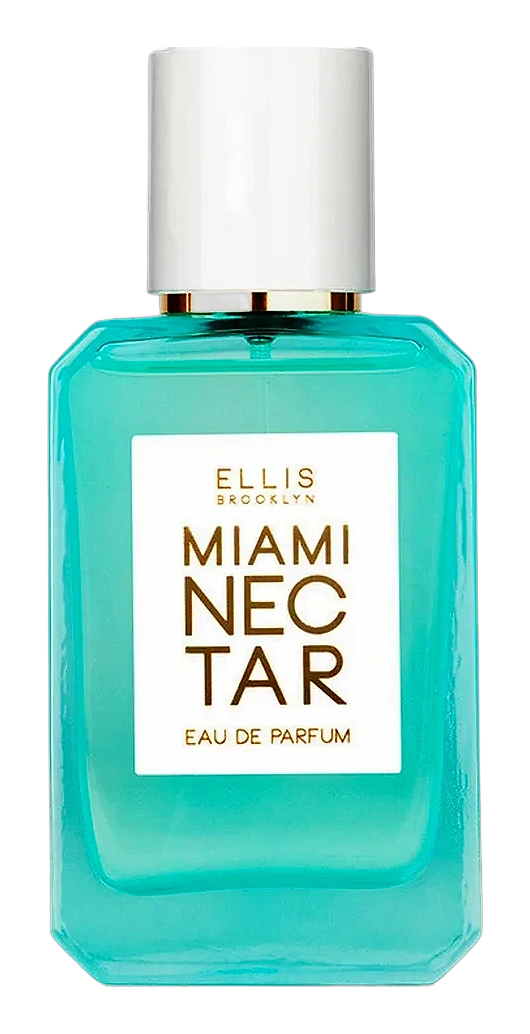
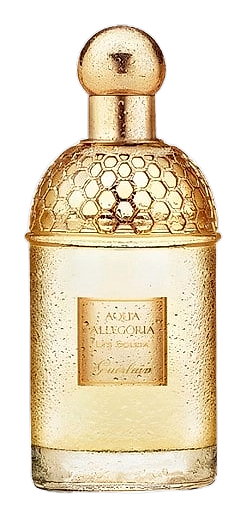
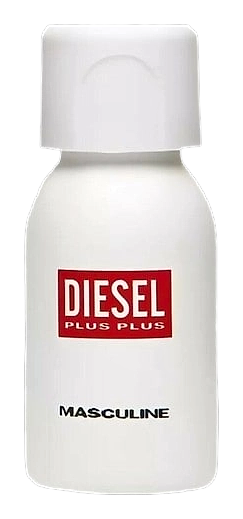
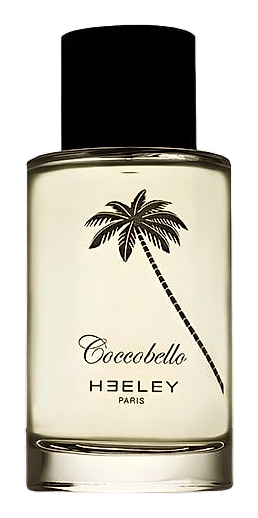
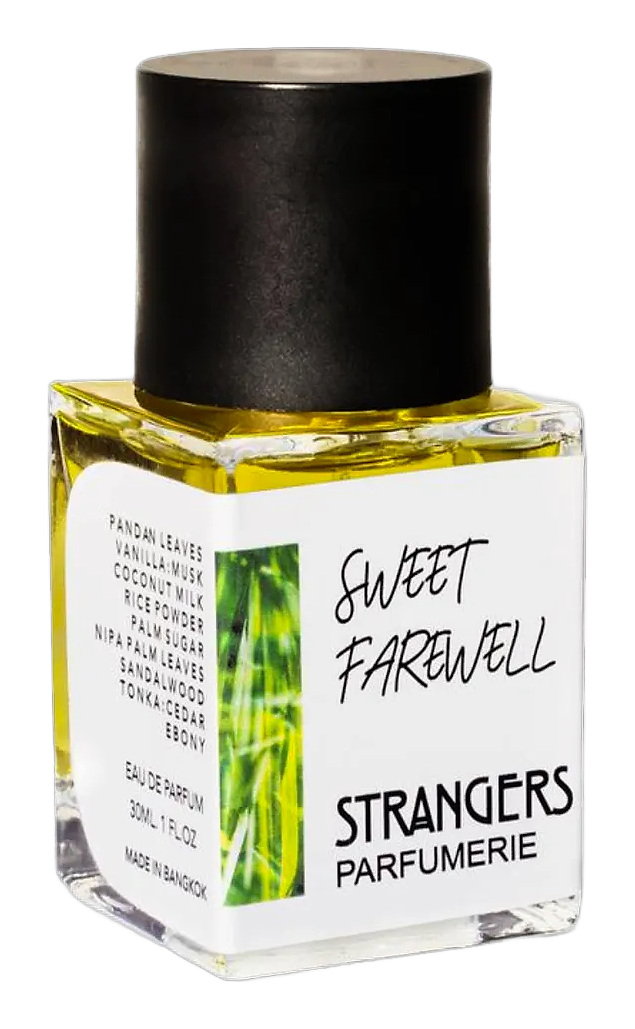
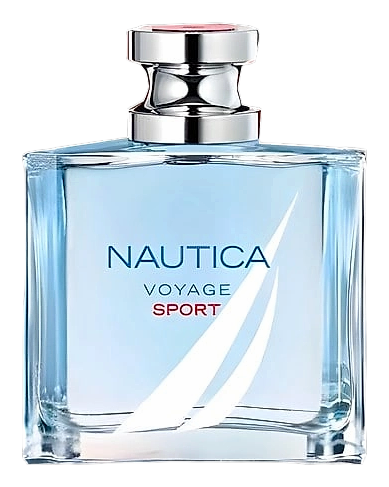
Brands
Brands known for Palm Leaf
Good to know
Questions, answered
The essentials on Palm Leaf in perfumery: how it smells, where it comes from, and how it behaves on skin.
What does palm leaf smell like?
Palm leaf smells fresh, green, herbaceous with a subtle woody undertone. The scent is dominated by (E)-2-hexenal, which accounts for about 30% of its volatile profile in a 2022 GC‑MS analysis of Indonesian fronds. This compound gives the impression of rain‑wet foliage.
How long does palm leaf last on skin?
Palm leaf typically fades within 2–3 hours on the wrist. A 2021 skin diffusion study measured its top note persistence at an average of 150 minutes under moderate temperature. The rate accelerates with higher skin humidity, thus it works best as a bright opening in layered compositions.
Which ingredients pair well with palm leaf?
Palm leaf blends smoothly with citrus, white florals, and light woods. Perfumers often pair it with bergamot, neroli, and sandalwood, creating a balanced contrast noted in a 2019 fragrance formulation survey of 120 professionals. The combination preserves the green freshness while adding depth.
Is palm leaf safe for skin?
Palm leaf essential oil is generally safe for topical use at concentrations below 2% in leave‑on products. The International Fragrance Association listed it as non‑sensitizing in a 2020 safety assessment covering 1,500 patch‑test participants. However, individuals with known palm allergies should perform a patch test before full application.
How sustainable is palm leaf extraction?
Harvesting palm fronds for oil can be sustainable when sourced from managed plantations that prune leaves for agricultural health. A 2022 life‑cycle analysis showed that steam‑distilled palm leaf oil emits 0.8 kg CO₂ per kilogram of oil, comparable to other green leaf extracts.
What form does palm leaf appear in perfumery?
Palm leaf is offered as a clear essential oil and as a pale green absolute, each capturing slightly different facets of the frond. The oil retains the sharp green aldehydes, while the absolute contains additional woody sesquiterpenes, as documented in a 2021 comparative chromatography report.
When is palm leaf most effective in a fragrance?
Palm leaf shines as a top‑note, delivering an immediate burst of freshness that sets the stage for deeper accords. In a 2020 consumer panel, 68% of participants identified the palm leaf opening as the most memorable element in a mixed‑green composition.
How should palm leaf oil be stored?
Store palm leaf oil in a dark glass bottle at a cool, stable temperature away from direct sunlight. Stability tests indicate that exposure to light accelerates oxidation, reducing its green character by 15% after six months at 25 °C. Use a nitrogen‑flushed cap if possible.