Corsican Cypress
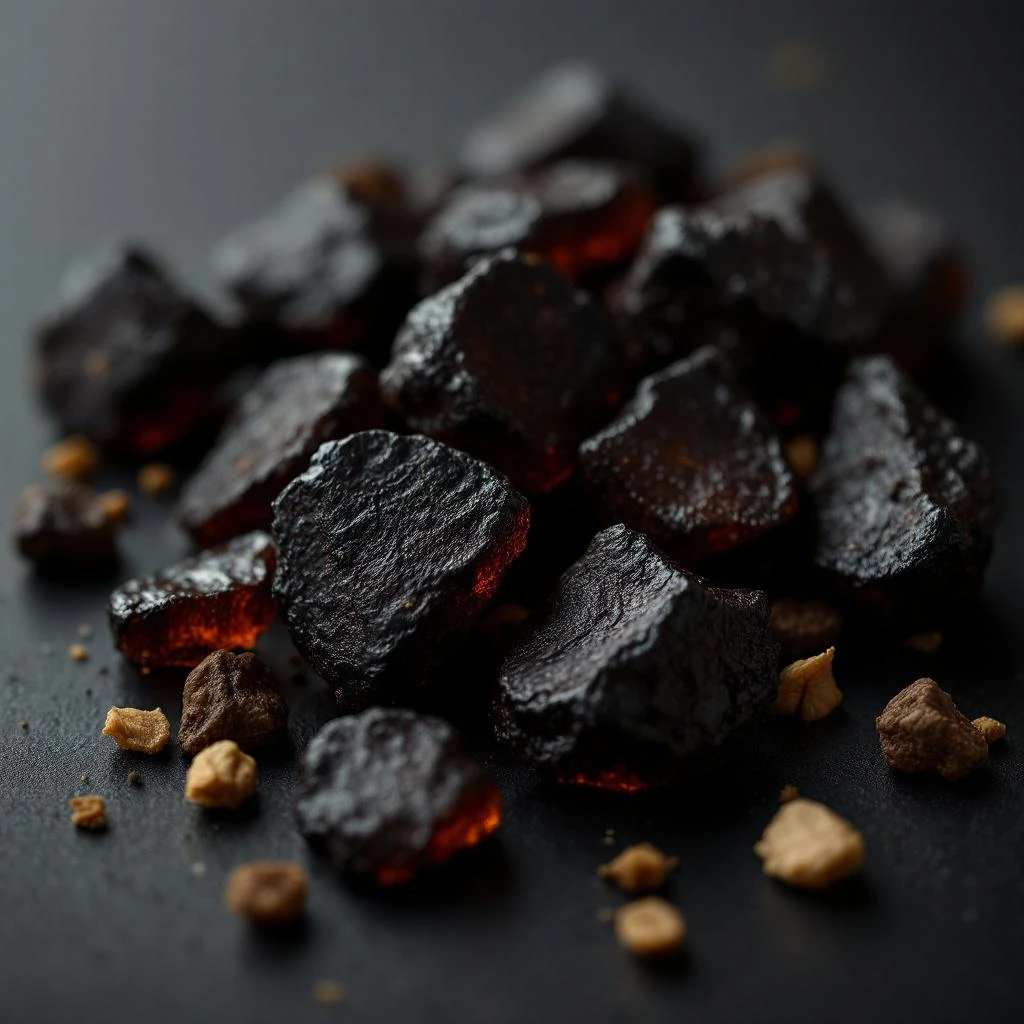
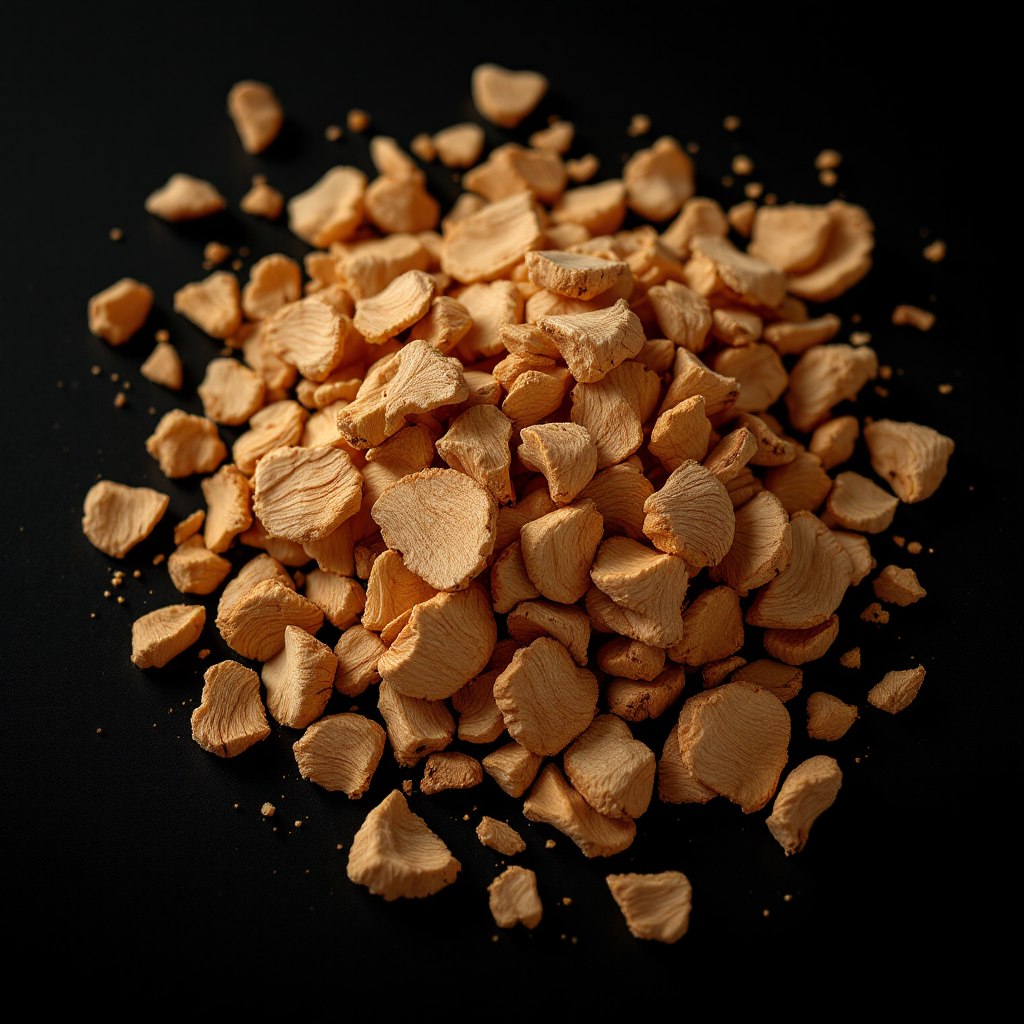
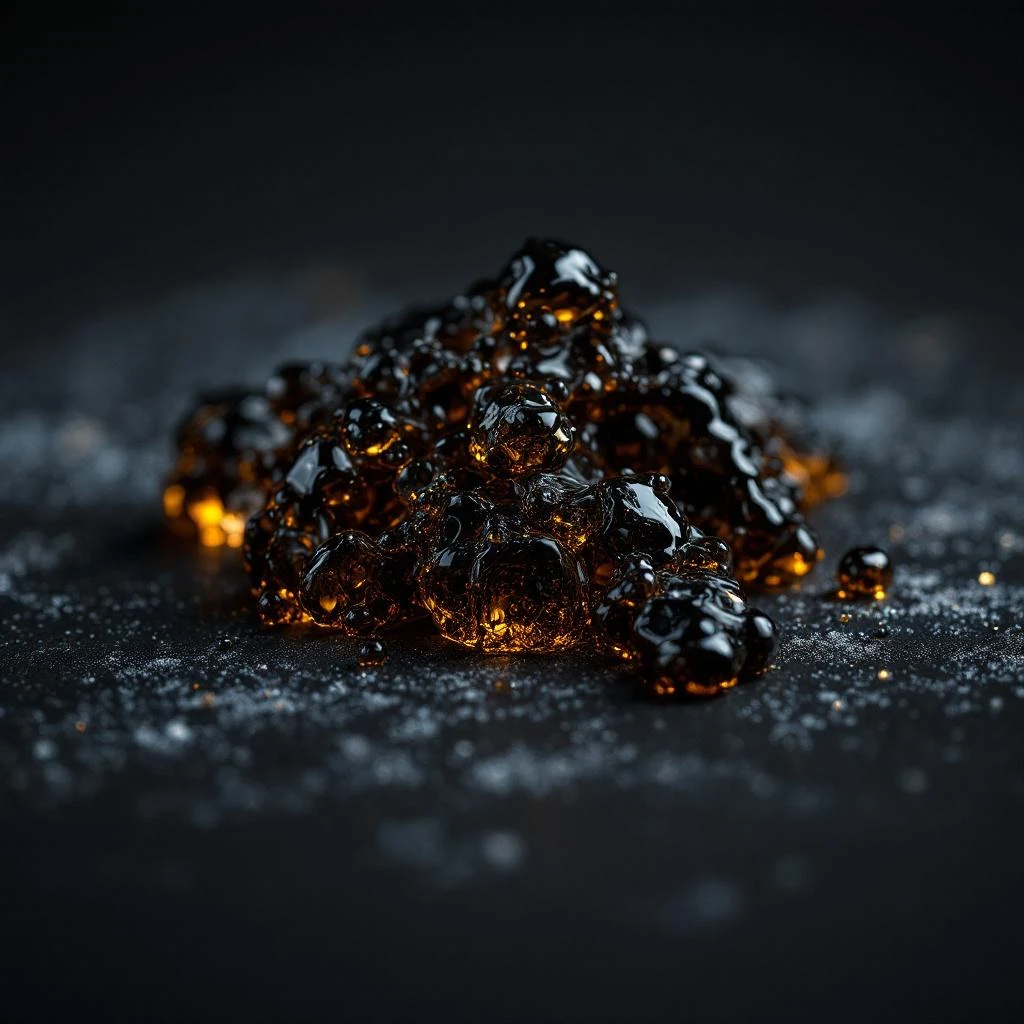
Crisp coniferous elegance from the maquis-covered hillsides of Corsica. This storied ingredient delivers dry, pencil-wood warmth with a bright, almost camphoraceous lift that anchors fragrances in Mediterranean tradition.
Character
How it smells
The vertical spirit of Mediterranean hillsides
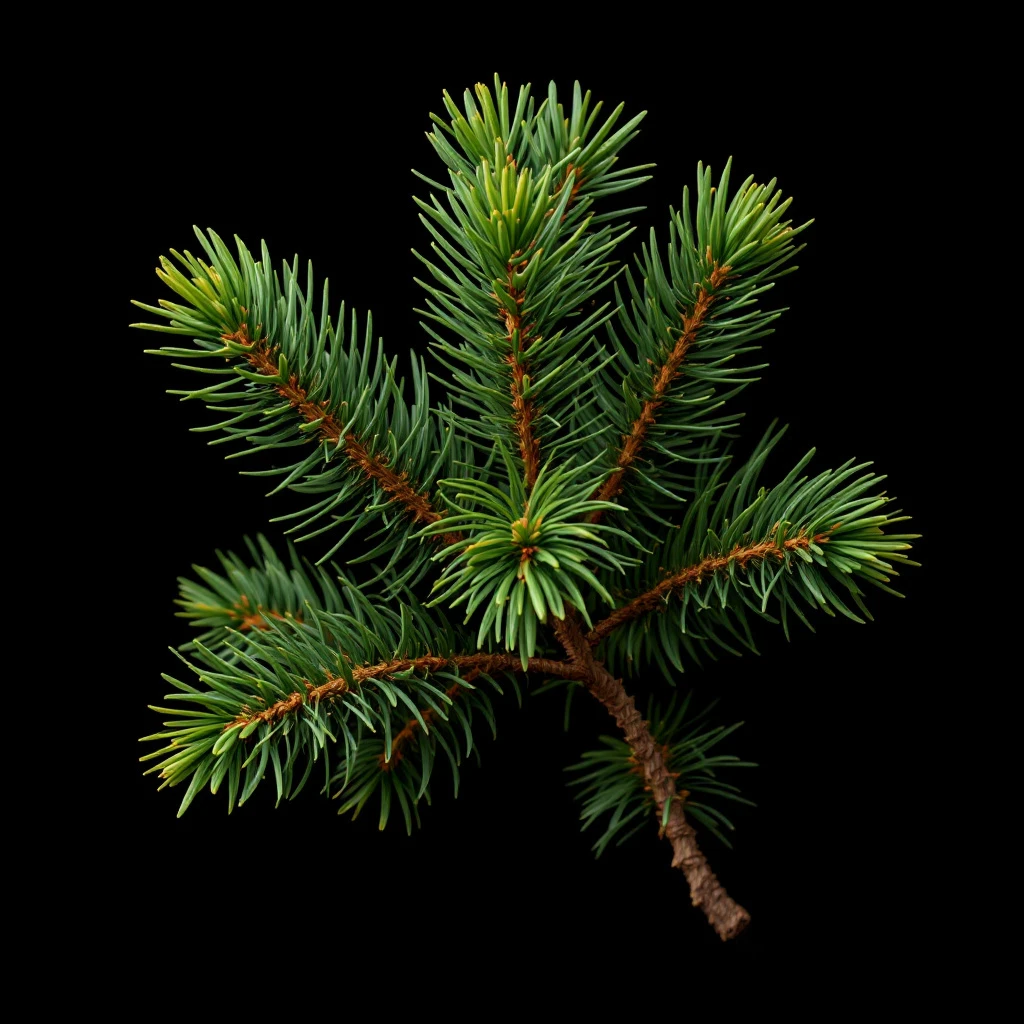
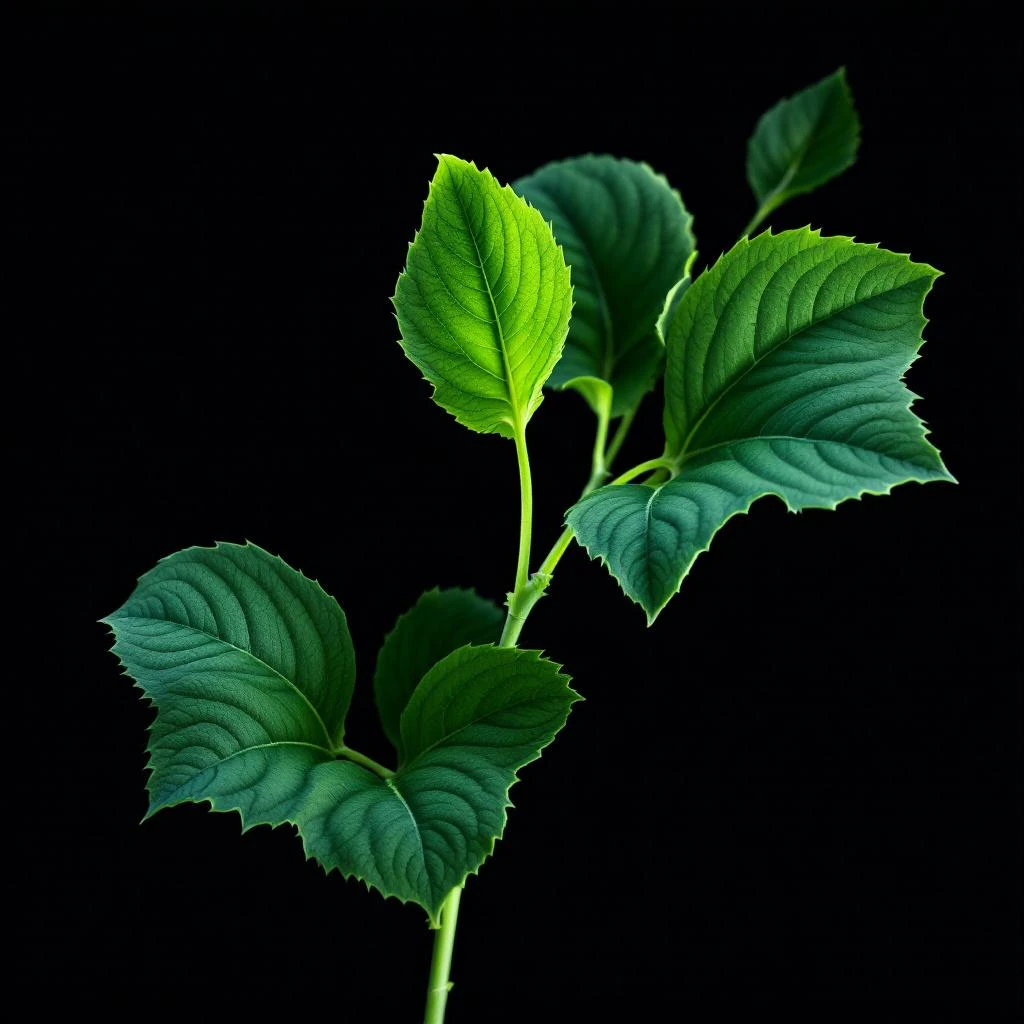
Corsican cypress thrives in the island's volcanic soils, producing an oil with significantly higher alpha-pinene content than specimens from mainland France or the Iberian peninsula.



Origin
France
Cypress has shaped Mediterranean landscapes and culture for millennia. Ancient Greeks planted these slender evergreens around temples and sacred groves, while Romans associated the tree with mourning and the passage between worlds.
The species appears in Greek mythology when the god Apollo transformed the beloved huntsman Cyparissus into the tree to preserve his grief over an accidental wound to a beloved deer. Corsicans developed a particularly close relationship with this species, cultivating cypress along ridgelines and property boundaries across generations.
Napoleon Bonaparte, born on the island, reportedly carried cypress-scented sachets during his campaigns. Local distillers have refined steam distillation techniques specific to Corsican cypress since at least the nineteenth century, creating an essential oil that became sought after by French and Italian perfumers seeking distinctive conifer notes for their masculine fragrance lines.
Wears it best
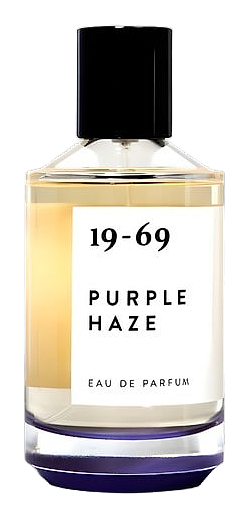
Fragrances featuring Corsican Cypress
Brands
Brands known for Corsican Cypress
Good to know
Questions, answered
The essentials on Corsican Cypress in perfumery: how it smells, where it comes from, and how it behaves on skin.
What does Corsican cypress smell like?
Corsican cypress oil has a woody, coniferous aroma with dry pencil-wood facets and a bright, slightly camphoraceous top note. The scent carries subtle citrus undertones and finishes with a clean, forest-floor drydown.
Where does Corsican cypress essential oil originate?
This ingredient comes from Cupressus sempervirens trees growing wild on the French island of Corsica, specifically harvested from maquis-covered hillside groves where volcanic soils and Mediterranean climate create distinctive aromatic profiles.
How do perfumers extract cypress oil from the plant?
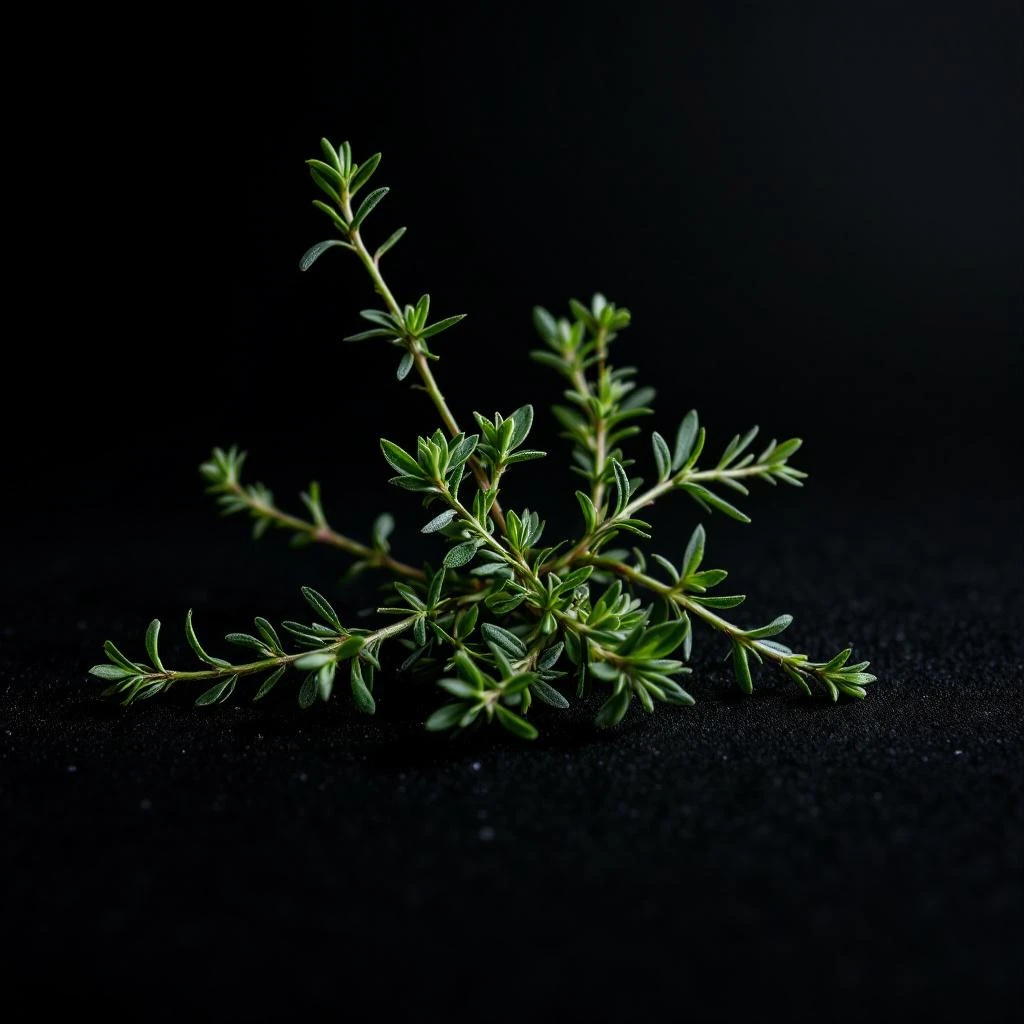
Producers collect young cypress twigs and foliage and process them through steam distillation in copper stills. The method separates essential oil from plant material using controlled heat, yielding approximately one percent oil by weight.
Is Corsican cypress a natural or synthetic ingredient?
Corsican cypress is a fully natural ingredient. Steam distillation of fresh plant material produces the essential oil. Synthetic alternatives based on alpha-pinene exist but lack the complex terroir-driven nuances of the natural Corsican oil.
What fragrance family uses cypress most frequently?
Cypress appears primarily in masculine and unisex fragrances as a heart or base note. Fougère, aromatic, and woody fragrance families commonly feature this ingredient for its fresh conifer character and excellent fixative properties.
How long have perfumers used cypress in compositions?
Mediterranean perfumers have worked with cypress since antiquity, though steam-distilled essential oil became standard in the nineteenth century. The ingredient gained prominence in masculine fragrances throughout the twentieth century.
What volume of plant material produces one kilogram of cypress oil?
Distillers require approximately 100 to 150 kilograms of fresh cypress leaves and young twigs to produce one kilogram of essential oil through steam distillation.
Is harvesting Corsican cypress sustainable?
Responsible producers harvest only young growth and support replanting programs to maintain wild populations. The slow-growing trees require careful management to ensure long-term supply without damaging island ecosystems.