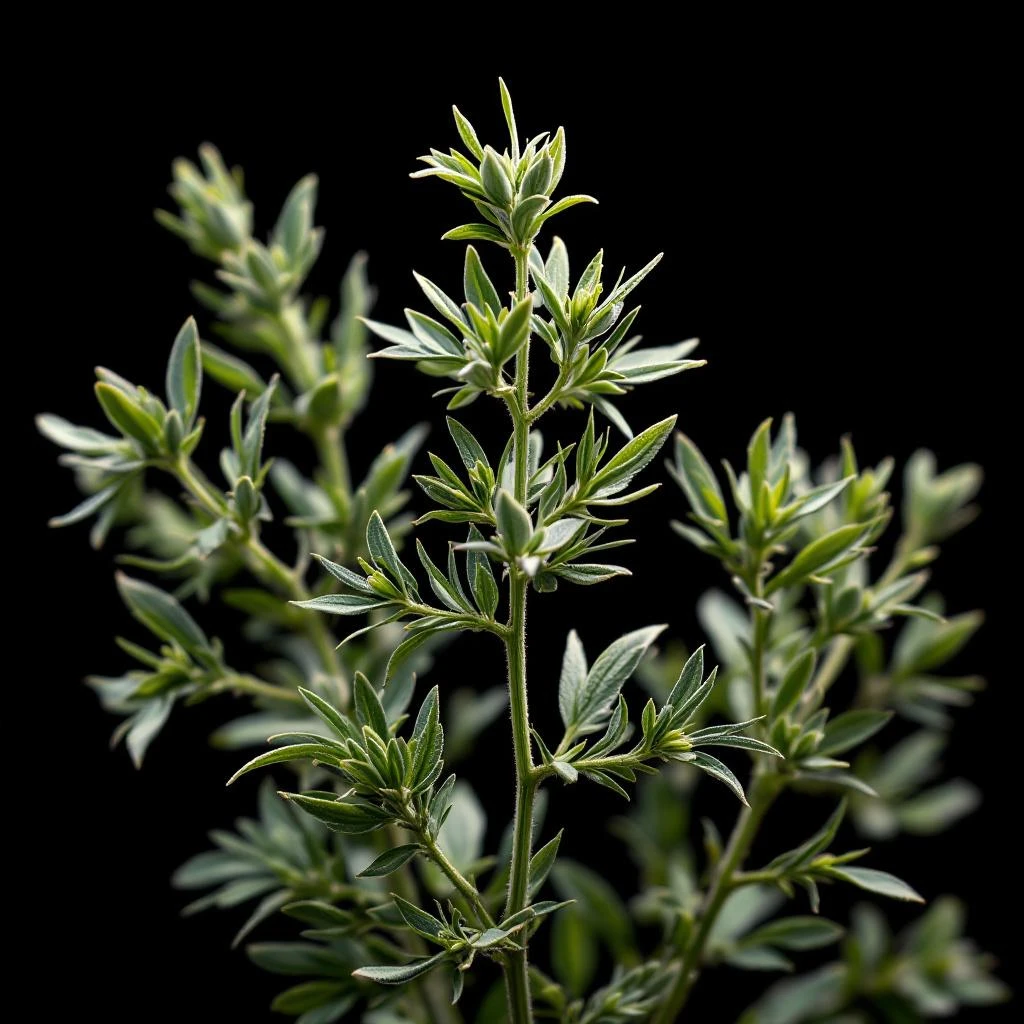
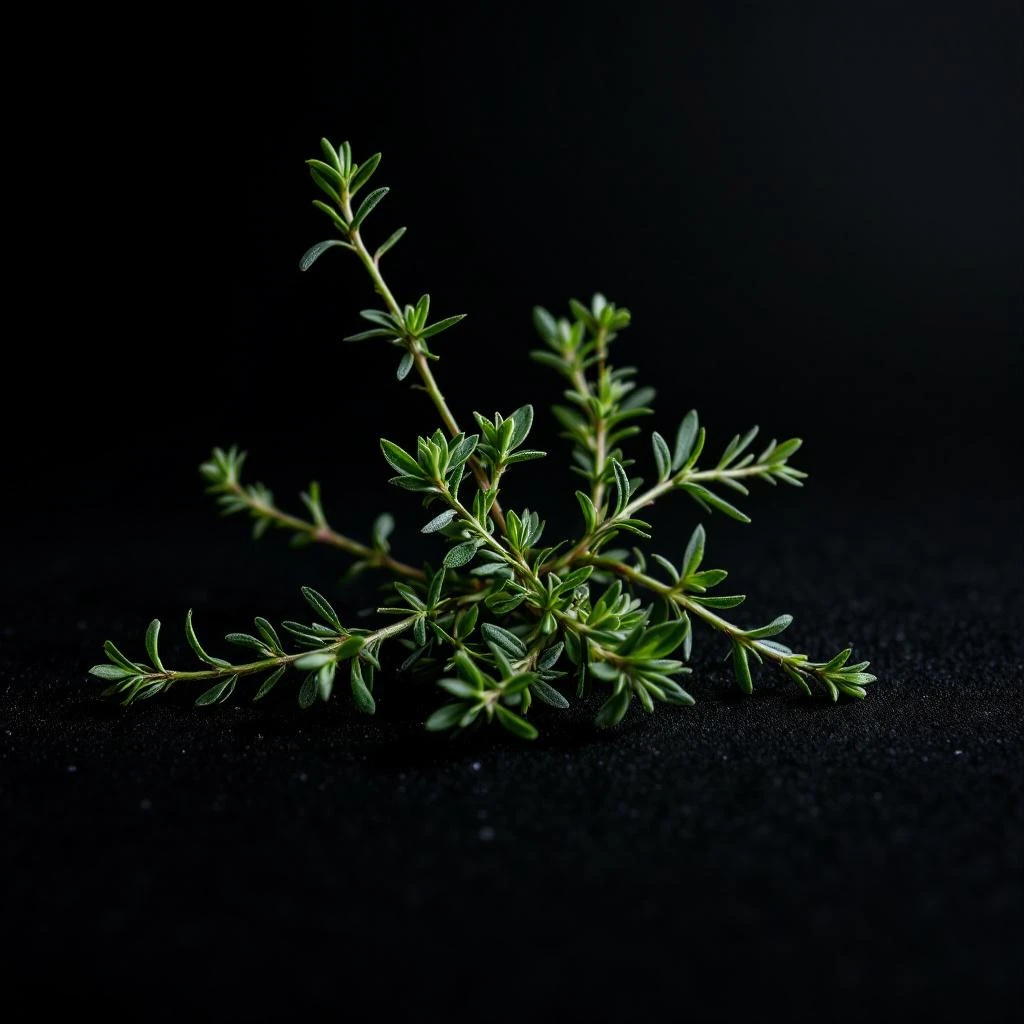
Ravansara
Ravansara essential oil from Madagascar delivers a crisp, camphoraceous warmth with subtle spice and eucalyptus undertones. Steam-distilled from wild-harvested leaves, this botanical brings herbal clarity to masculine bases and aromatic compositions.

Character
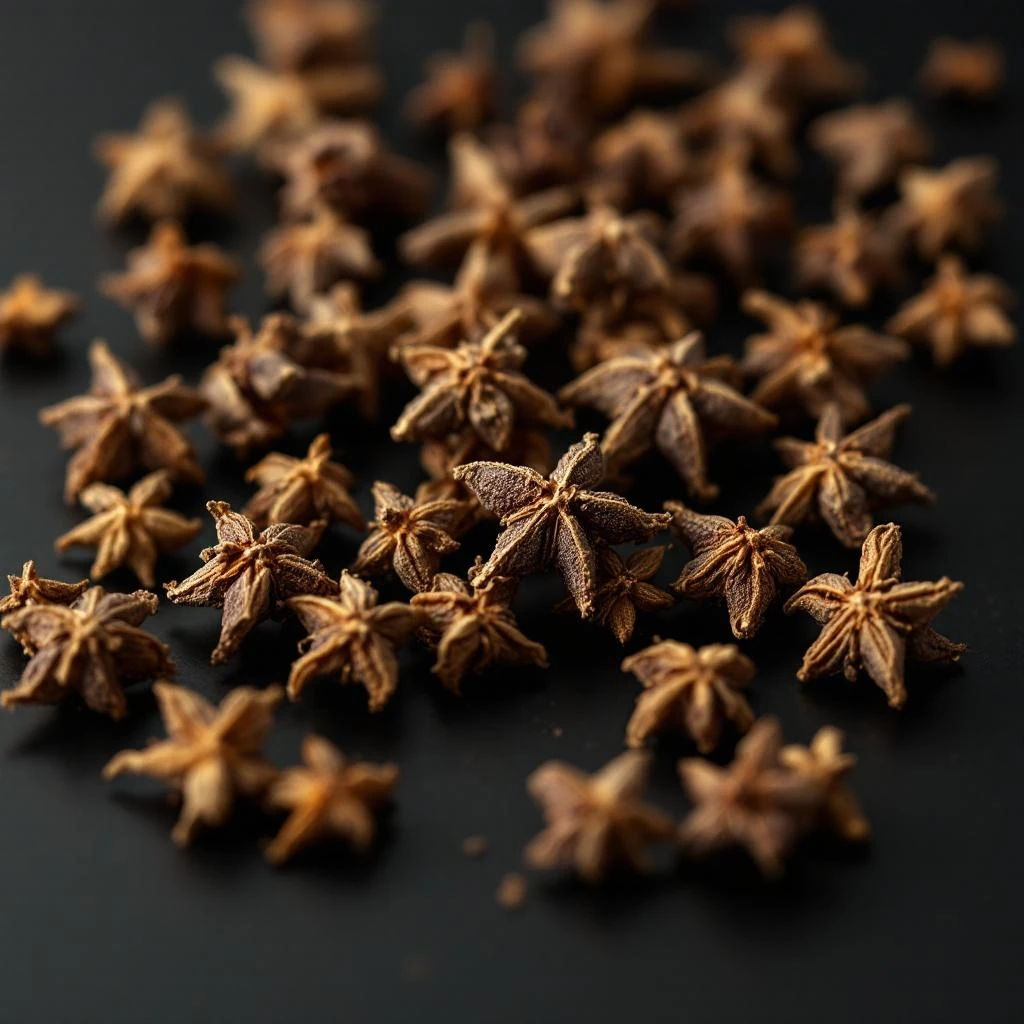
How it smells
Madagascar's camphoraceous leaf with a spicy, warming soul
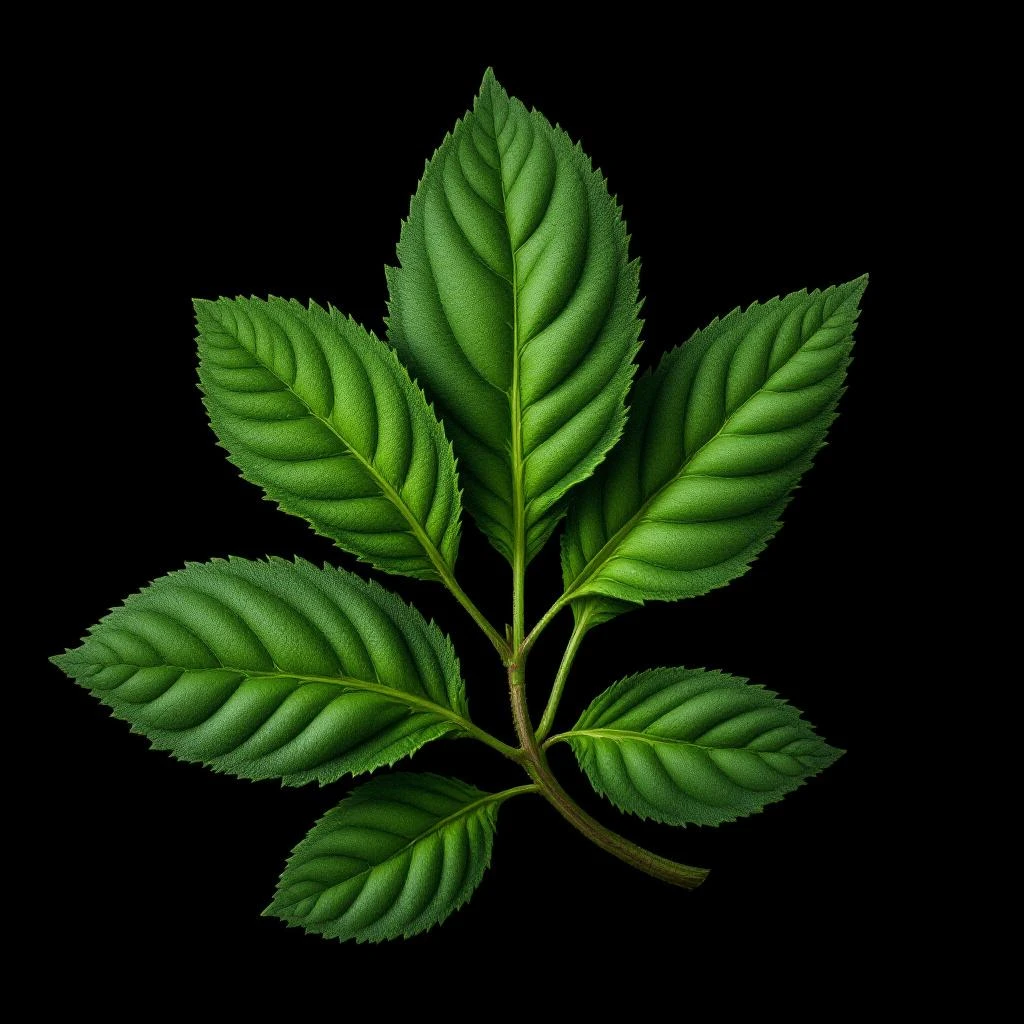
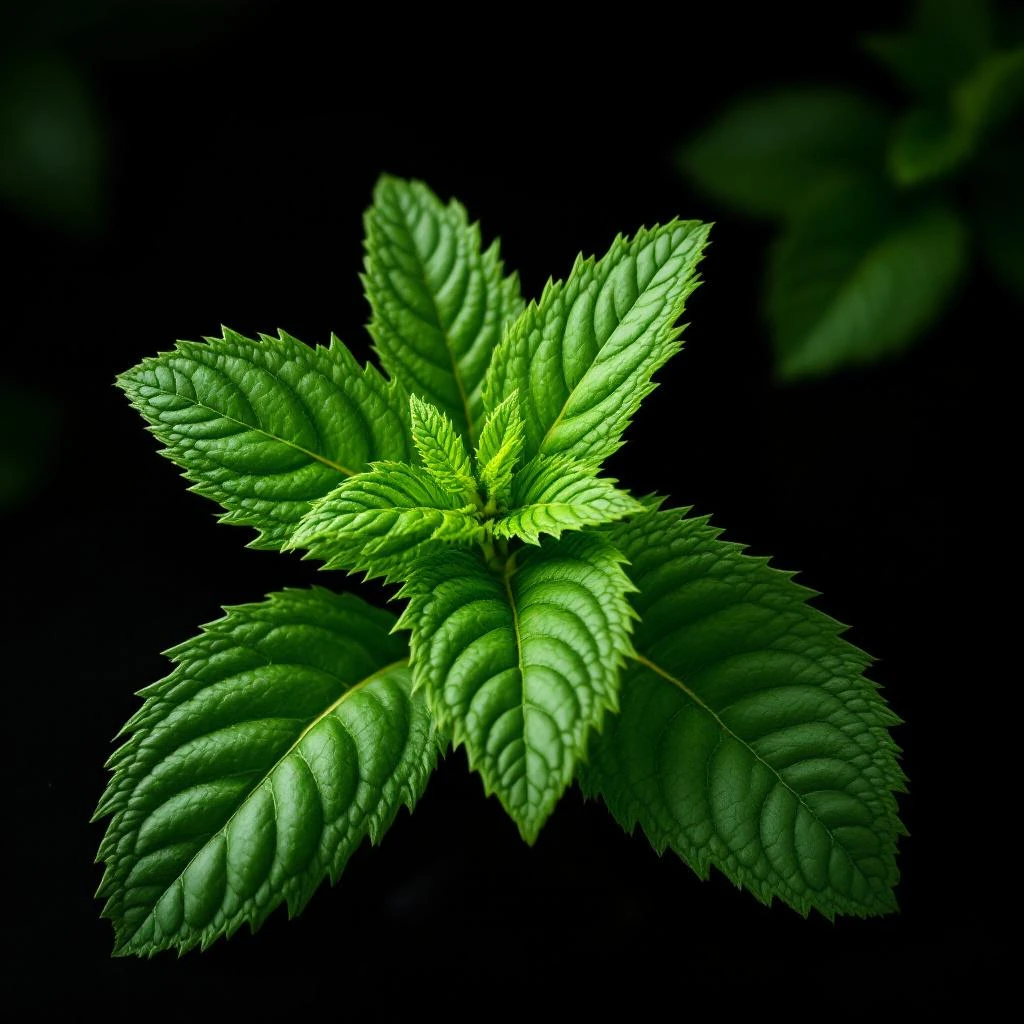
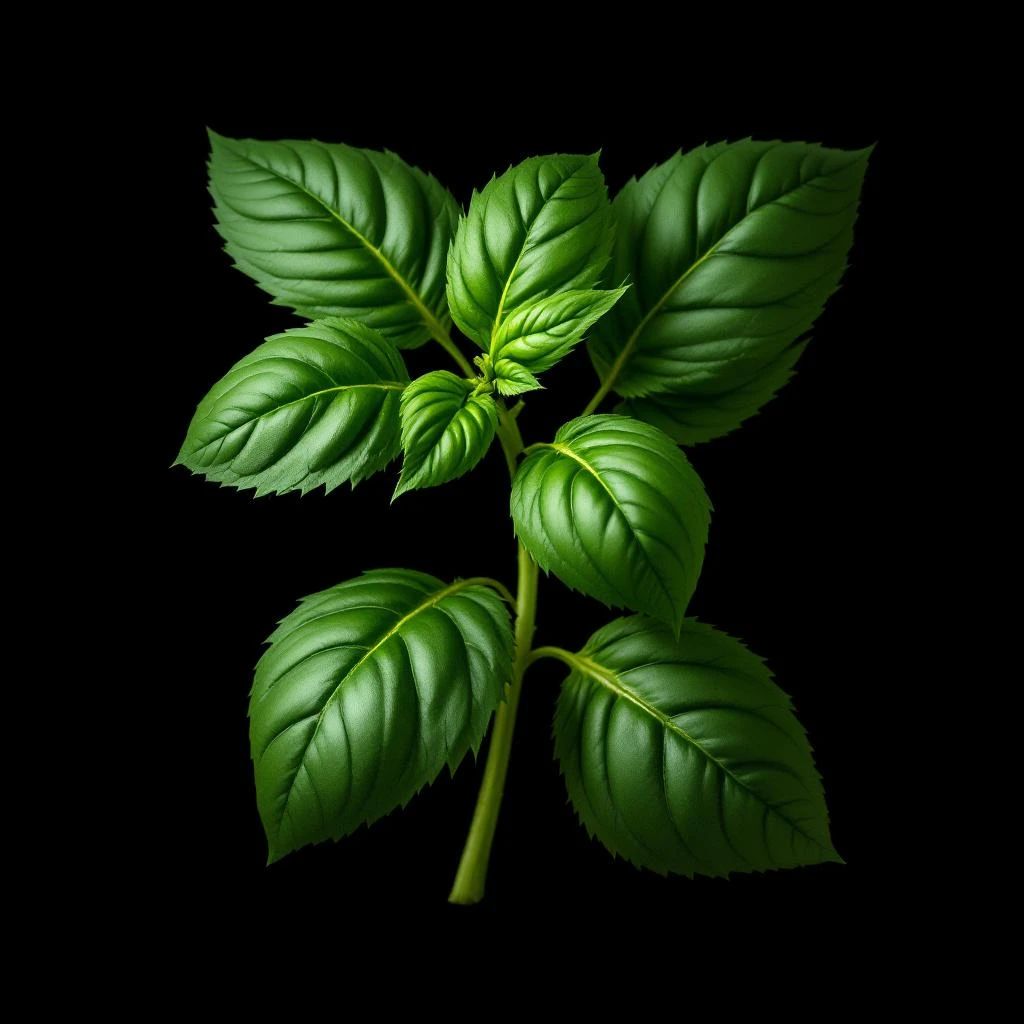
Ravansara gets its name from 'ravina' (leaf) and 'sara' (aromatic) in Malagasy, literally meaning aromatic leaf.






Origin
Madagascar
Indigenous Malagasy communities have used ravansara leaves for centuries in traditional medicine and ritual incense. Healers incorporated the aromatic leaves into preparations for respiratory ailments and spiritual cleansing ceremonies. French colonial traders documented the tree's presence in the late 17th century, though commercial essential oil production only began in the 1970s.
Today, Madagascar supplies over 90% of global ravansara oil, with the harvest and distillation of wild leaves providing income for rural communities in the Sava Region. The ingredient remains relatively niche in perfumery, appearing primarily in masculine fragrances and aromatherapy-inspired compositions.
Wears it best
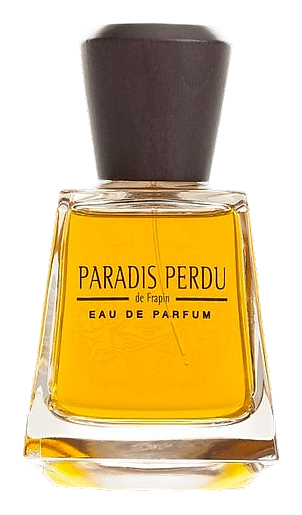
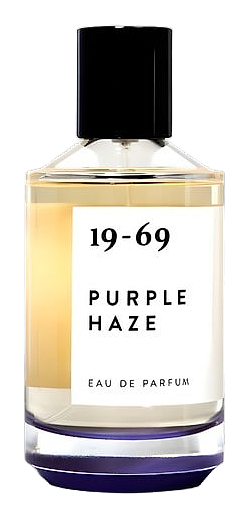
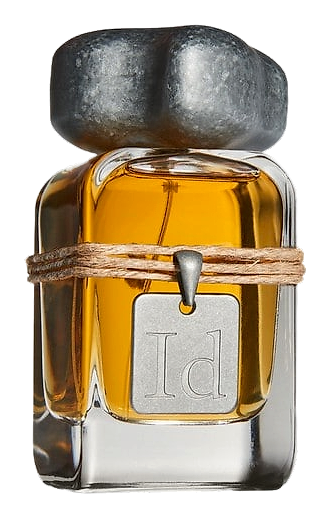
Fragrances featuring Ravansara
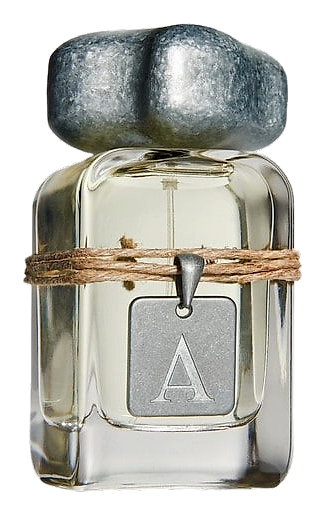
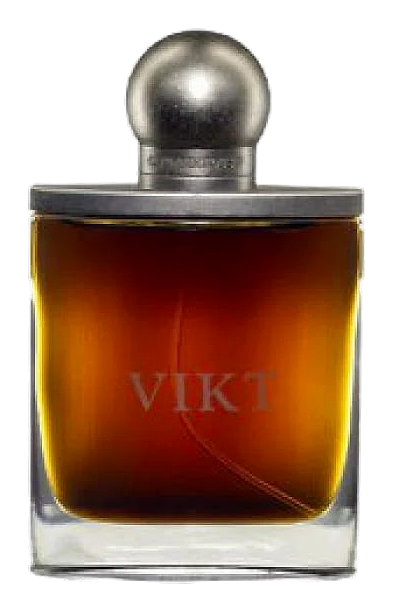
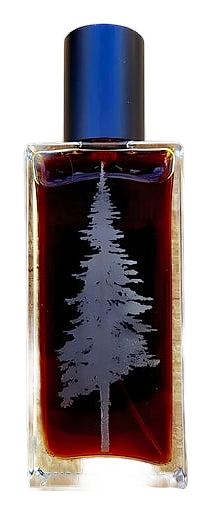
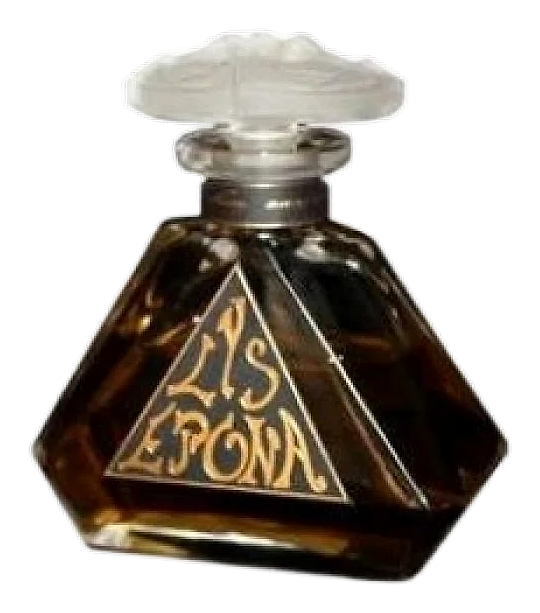
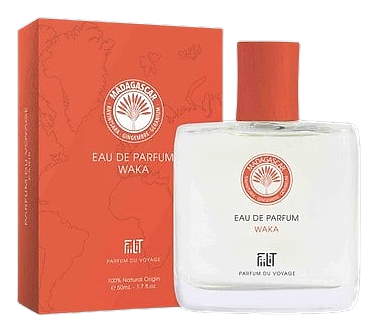
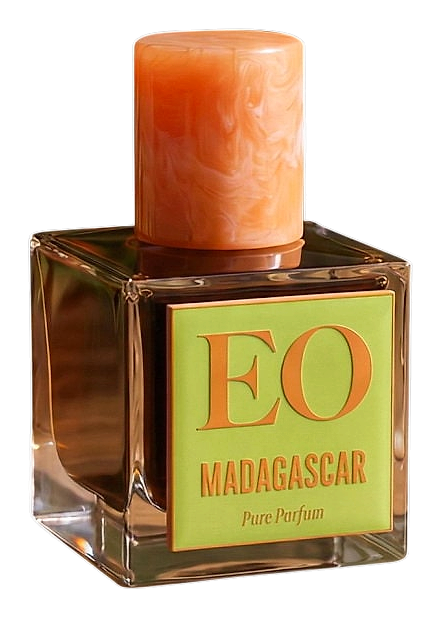
Brands
Brands known for Ravansara
Good to know
Questions, answered
The essentials on Ravansara in perfumery: how it smells, where it comes from, and how it behaves on skin.
What does ravansara smell like?
Ravansara opens with sharp, camphoraceous freshness reminiscent of eucalyptus, then reveals spicy warmth with subtle woody undertones. It adds herbal clarity and a cooling quality to fragrance bases.
Where does ravansara essential oil come from?
Ravansara originates exclusively from Madagascar, where wild and cultivated trees thrive in the island's humid northeastern forests. The Sava Region produces most of the world's supply.
Is ravansara oil safe for skin use?
Ravansara oil contains cineole and safrole compounds that may cause skin sensitization in some individuals. IFRA guidelines recommend max 0.1% concentration in leave-on cosmetic products.
How is ravansara oil extracted?
Producers harvest leaves and run them through steam distillation for 2-4 hours. The process yields 0.5-2% oil by weight, with quality varying by harvest season and tree maturity.
What blends well with ravansara?
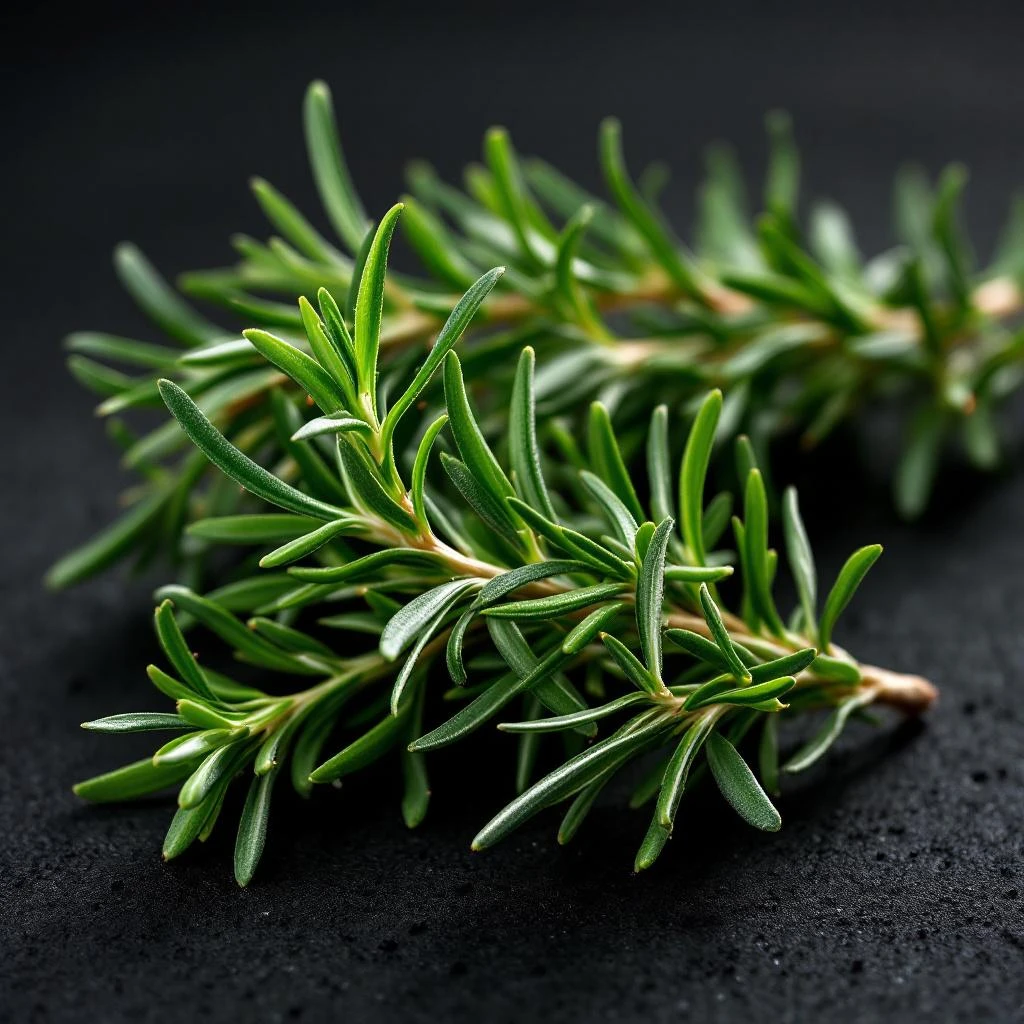
Ravansara pairs naturally with other aromatic materials like rosemary, niaouli, and eucalyptus. In perfumery, it complements woody notes including cedar and sandalwood, plus spices like cardamom.
What fragrance families use ravansara?
Ravansara appears mainly in masculine aromatic and fougère fragrances. It also shows up in natural-leaning perfumes with herbal, woody, or chypre structures seeking a cooling, camphoraceous element.
Does ravansara contain allergens?
Ravansara oil contains linalool and eugenol as natural components, both listed as fragrance allergens under EU cosmetics regulation. Products containing ravansara require appropriate allergen declaration.
What is the difference between ravansara and ravintsara?
Despite similar names, ravansara (Cinnamomum camphora) and ravintsara (Cinnamomum camphora CT cineole) differ in their dominant chemistry. Ravintsara oil is cineole-dominant and considered milder for aromatherapy use.