
The Story
Why it exists.
The beginning
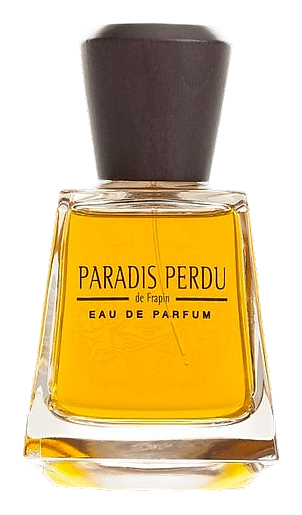
Paradis Perdu translates directly to Lost Paradise, a name that gestures toward something beautiful that slipped away. Frapin, the house rooted in Grande Champagne since 1270, gave Amélie Bourgeois the task of composing something that lived in that tension: between the ideal and the real, between nature and artifice. The fragrance was released in 2013, built around an unusual combination, an intensely aromatic top that moves quickly into something more aquatic, almost synthetic, before landing in a woody-mossy base that feels ancient. The name isn't metaphorical. It's a landscape: overgrown, humid, untamed.
What makes Paradis Perdu structurally unusual is the presence of an ozonic molecule, a material known for introducing watery, atmospheric qualities into fragrance compositions. In most blends, it reads as a subtle accent. Here, Amélie Bourgeois used it differently, as a counterweight to the green, bitter, almost aggressive aromatics. The galbanum and basil want to dominate. This ozonic quality keeps them honest. The result is a fragrance that smells both manicured and wild, as if someone planted an English garden and then abandoned it.
The evolution
The opening arrives fast, grapefruit, bergamot, and something that reads almost metallic, like crushed citrus peel on a zinc counter. Citron brings a bitter, pithy quality rather than sweet juice. The aromatic heart takes over as the citrus fades: galbanum presses down on the top notes like a hand on a flame. Basil and spinach notes appear as a green mass, dense and slightly vegetal. The ravintsara and milk broom add an odd, almost medicinal quality, cool, camphorated, like steam rising from crushed leaves. Something in the composition is introducing a watery, ozonic pulse that pushes against the green, creating a sensation like humidity in a greenhouse. The drydown arrives eventually. Vetiver and Virginia cedarwood arrive together, dry, slightly smoky, with a cedar quality that reads more pencil shavings than forest.
Cultural impact
Paradis Perdu occupies an interesting position in the niche fragrance world. It attracted a specific kind of wearer: someone who wanted a fragrance with genuine character, something that didn't apologize for its bitterness or its density. The name itself, Lost Paradise, suggests something beautiful and slightly overgrown. This is a fragrance that refuses the trend toward softness and sweetness.