Paradisamide
Paradisamide is a synthetic amide fragrance compound engineered to capture the lush, sun-drenched essence of tropical fruit. Developed by Givaudan, this aromatic molecule delivers an unusually complex tropical profile that evolves across the dry-down, making it a standout modern creation in fruity fragrance design.
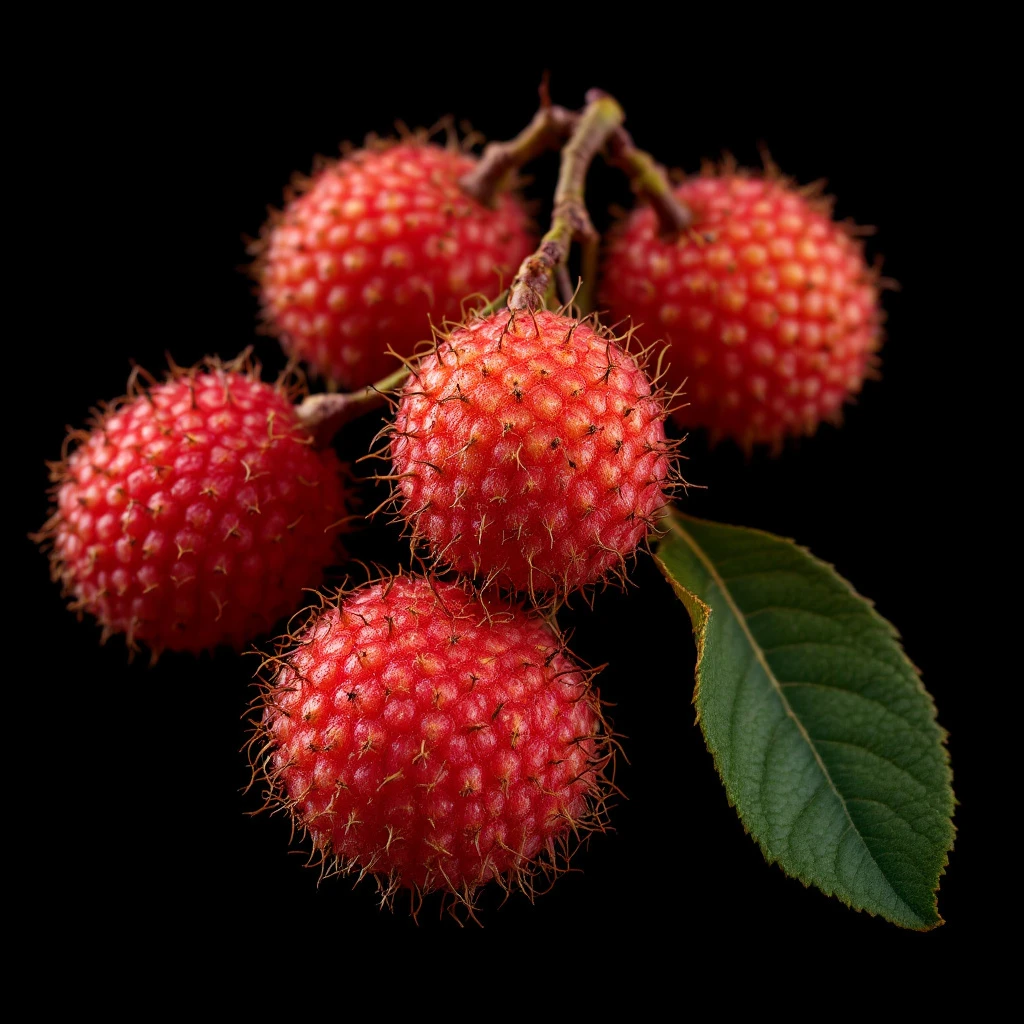
Character
How it smells
A laboratory-captured tropical garden in molecular form.
Givaudan developed Paradisamide by modifying amide chemistry to unlock tropical fruit notes that resist the degradation common in natural fruit extracts.



Origin
Switzerland
Modern perfumery transformed in the nineteenth century when chemists began synthesizing aroma compounds at industrial scale, moving beyond the botanical limitations that shaped fragrance for millennia. Paradisamide emerged from this tradition, representing the mid-to-late twentieth century when fragrance houses systematically explored amide chemistry to access scent profiles unavailable through natural extraction.
Givaudan's research in this area led to compounds that bridge the gap between laboratory science and sensory experience, allowing perfumers to construct tropical notes with a precision that natural materials cannot reliably provide. The development of Paradisamide reflects how modern fragrance chemistry creates new olfactory possibilities rather than simply replicating nature.
Wears it best
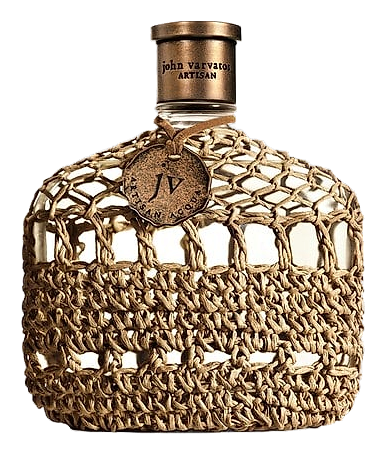
Fragrances featuring Paradisamide
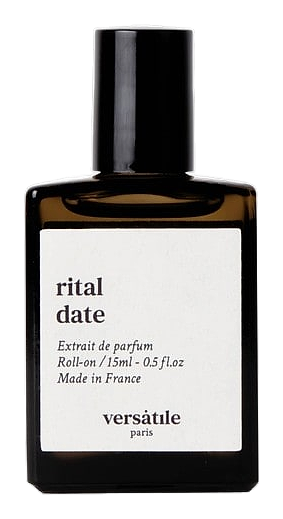
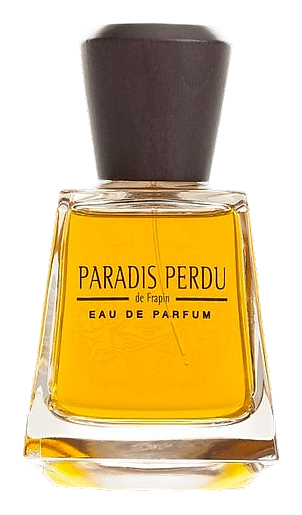
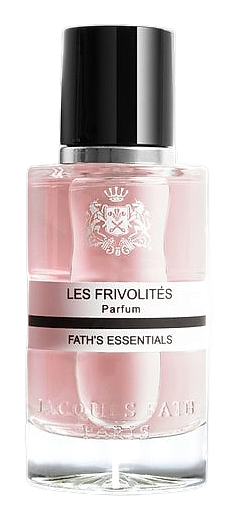
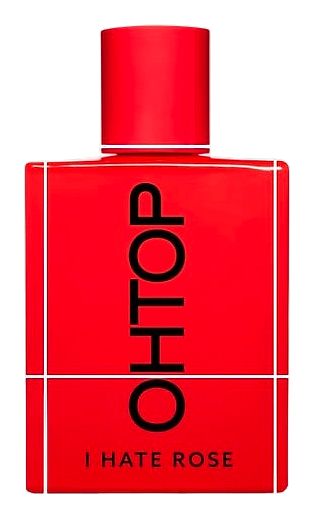
Brands
Brands known for Paradisamide
Good to know
Questions, answered
The essentials on Paradisamide in perfumery: how it smells, where it comes from, and how it behaves on skin.
What is Paradisamide?
Paradisamide is a synthetic aromatic amide developed by Givaudan that delivers fresh tropical fruit notes. It is a lab-created molecule designed to provide consistent guava, grapefruit, rhubarb, and cassis character in fragrance formulations.
What does Paradisamide smell like?
Paradisamide presents a bright tropical fruit profile led by guava and grapefruit, with undertones of rhubarb and cassis emerging during the dry-down phase. It reads as fresh and juicy rather than sweet or heavy.
Is Paradisamide a natural or synthetic ingredient?
Paradisamide is fully synthetic, produced through controlled organic synthesis. It belongs to the amide family of aroma chemicals, which emerged as a significant perfumery resource in the twentieth century.
How does Paradisamide differ from natural tropical fruit extracts?
Natural tropical extracts often degrade rapidly and vary between harvests. Paradisamide offers molecular stability and batch-to-batch consistency that natural materials cannot reliably provide, while delivering a comparable tropical profile.
What fragrance families use Paradisamide?
Paradisamide appears primarily in fruity and tropical fragrance constructions, supporting modern women's and Unisex juices. It works particularly well in the top and heart notes where its fresh character has the most impact.
What ingredients pair well with Paradisamide?
Paradisamide pairs effectively with citrus materials like grapefruit and bergamot, floral components such as frangipani and hibiscus, and woody bases including cedar and sandalwood to anchor the tropical effect.
What concentration is Paradisamide typically used at?
Fragrance formulators typically use Paradisamide at low to moderate concentrations, generally below 5% in concentrate, to achieve its tropical effect without overwhelming the overall composition.
Why are amide compounds significant in modern perfumery?
Amide chemistry opened new olfactory territory for perfumers by offering fruit and tropical notes that resist the instability common in natural equivalents. Paradisamide exemplifies how synthetic chemistry expands creative possibilities.