
The Story
Why it exists.
The beginning
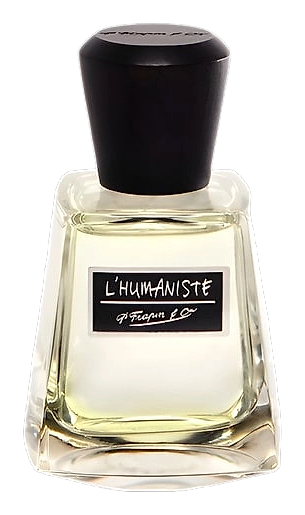
L'Humaniste arrived in 2009, and the name says everything. Perfumer Sidonie Lancesseur built this around a single conviction: that the gin and tonic, bright, bitter, botanical, could be a fragrance philosophy. Not a gimmick. Not a novelty. A structure for thought. The name echoes the humanist tradition: reason over ornament, clarity over noise. What started as a spirit became a way of wearing the afternoon. The gimlet at the end of a long day, translated into scent.
Five top notes. Four in the heart. Three at the base. The pyramid is deliberate, structured, almost rationalist in its architecture. But the gin note does something the pyramid doesn't predict, it overruns everything. The citrus and pepper open bright, the juniper and thyme arrive with botanical precision, and then the gin lingers like an argument you can't quite finish. Tonka bean softens the edges just enough to keep it wearable. Oakmoss keeps it grounded. This is a fragrance that knows what it wants.
The evolution
The opening hits sharp and clean. Citrus, cardamom, pink pepper, the kind of brightness that announces itself without apology. Ten minutes in, the gin takes over. Not dramatically. It just... settles. Like the glass you set down but haven't forgotten. The peony appears mid-drydown, a quiet floral moment that feels borrowed from a different fragrance entirely. Then the tonka bean arrives, soft and warm, pulling everything toward skin. The oakmoss is the tell at the end, it lingers on fabric long after the skin has gone quiet. Lasts 4-6 hours on most. Longer on a cotton shirt. Close to the skin, but the kind of close that gets noticed.
Cultural impact
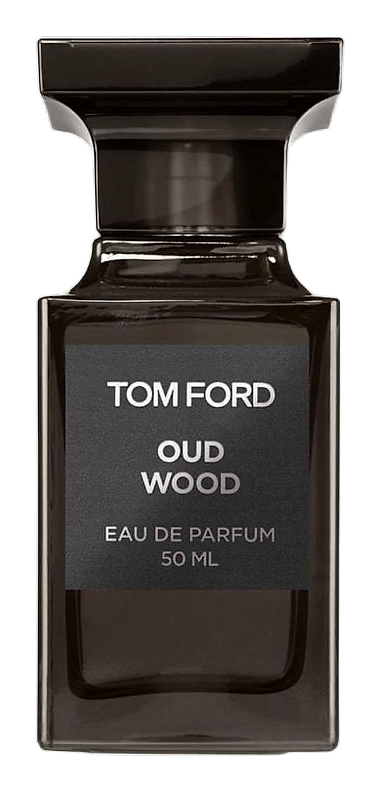
L'Humaniste arrived in 2009 as a counterpoint to the sweet, oud-heavy masculine releases that dominated that era. By grounding the composition in gin and botanical aromatics, the fragrance spoke to a growing cultural fascination with artisanal spirits and the craft cocktail revival that was beginning to take hold. Frapin, the French cognac house founded in 1270, brought its heritage of precision and quality to bear on a fragrance that refused to shout. The minimal sillage was a deliberate statement, a rejection of the performative masculinity that characterized much of the masculine fragrance market at the time. L'Humaniste signaled a quieter, more intellectual approach to scent, one that rewarded the wearer rather than the room. Perfumer Sidonie Lancesseur built the composition with the rationalist clarity of a Parisian laboratory, five top notes, four heart notes, three base notes, structured like a well-made gin and tonic. In doing so, she created not just a fragrance but a cultural artifact of a moment when culinary and fragrance arts were beginning to intersect in new ways.