Gin
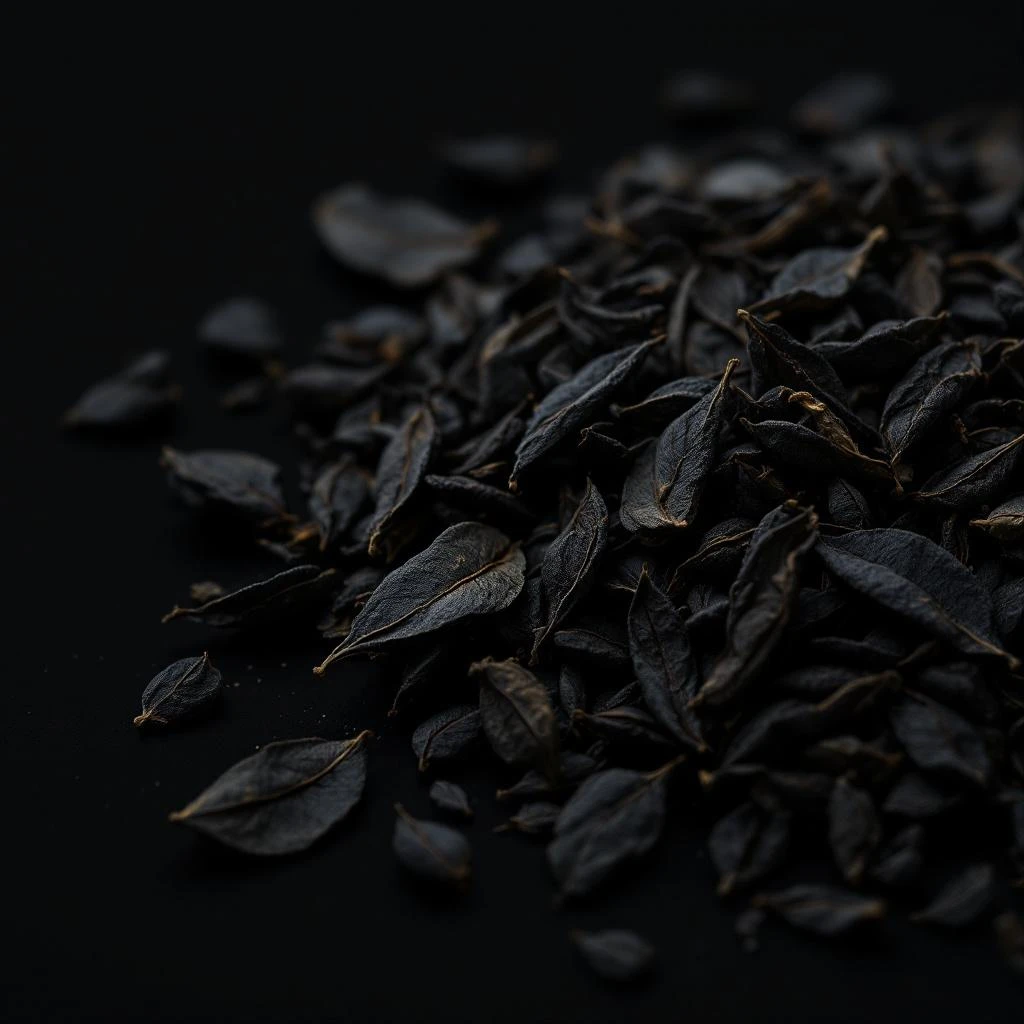
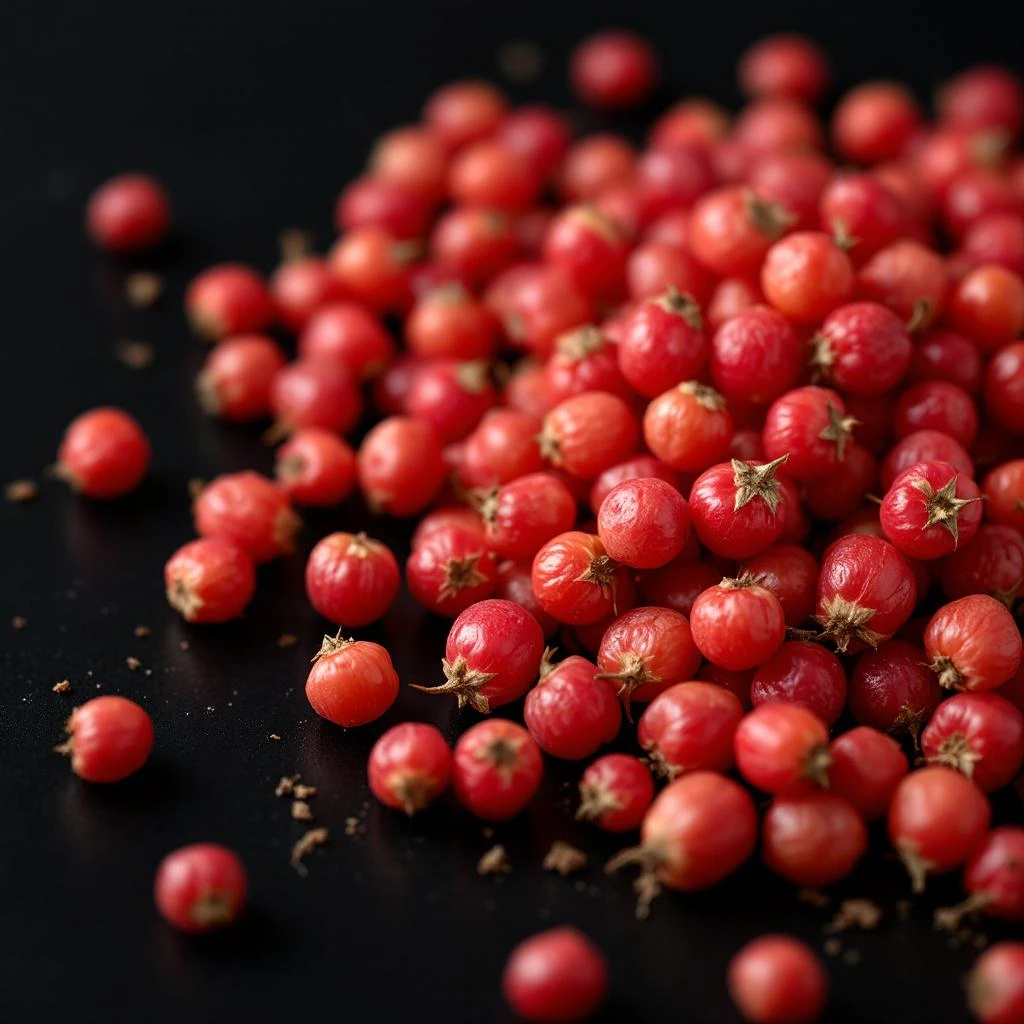
Gin brings a crisp, pine‑sharp character to fragrance, echoing the juniper‑laden spirit that has traveled from Dutch distilleries to modern perfume labs.
Character
How it smells
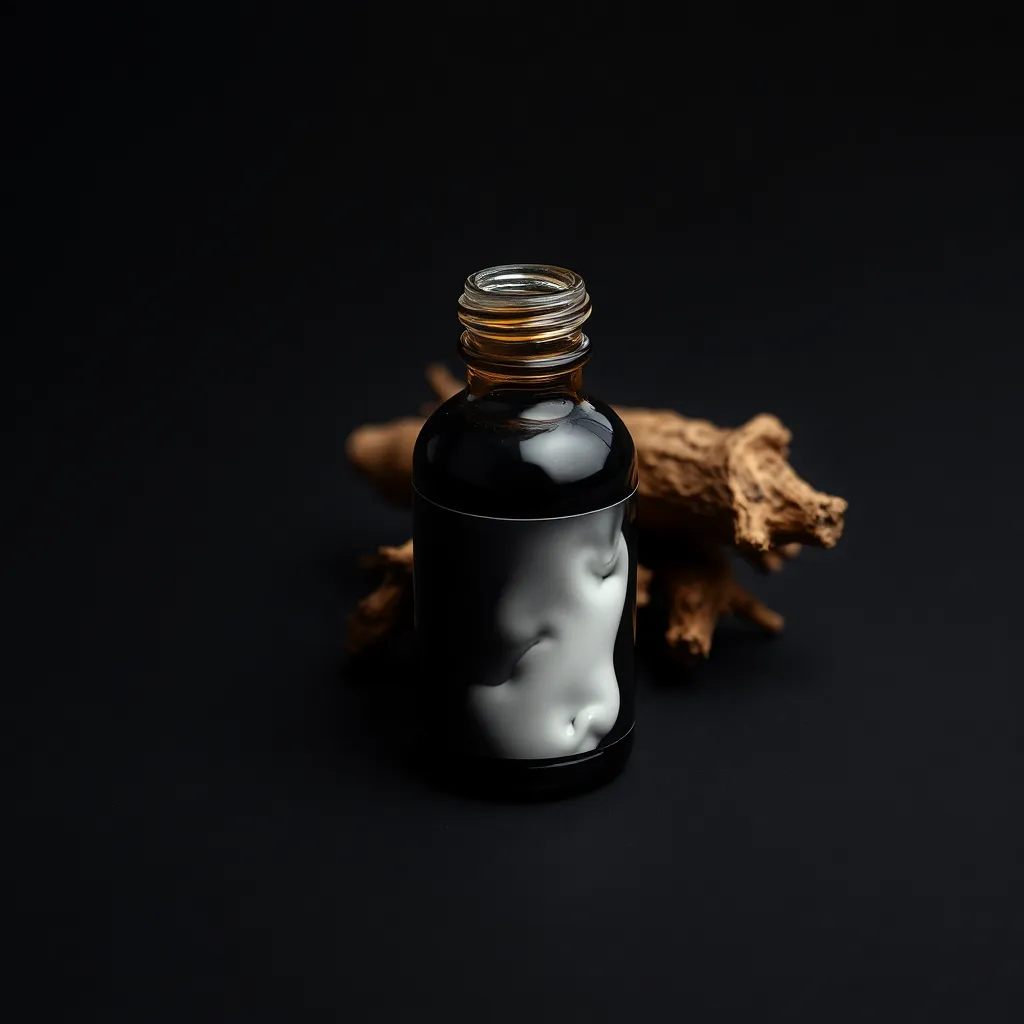
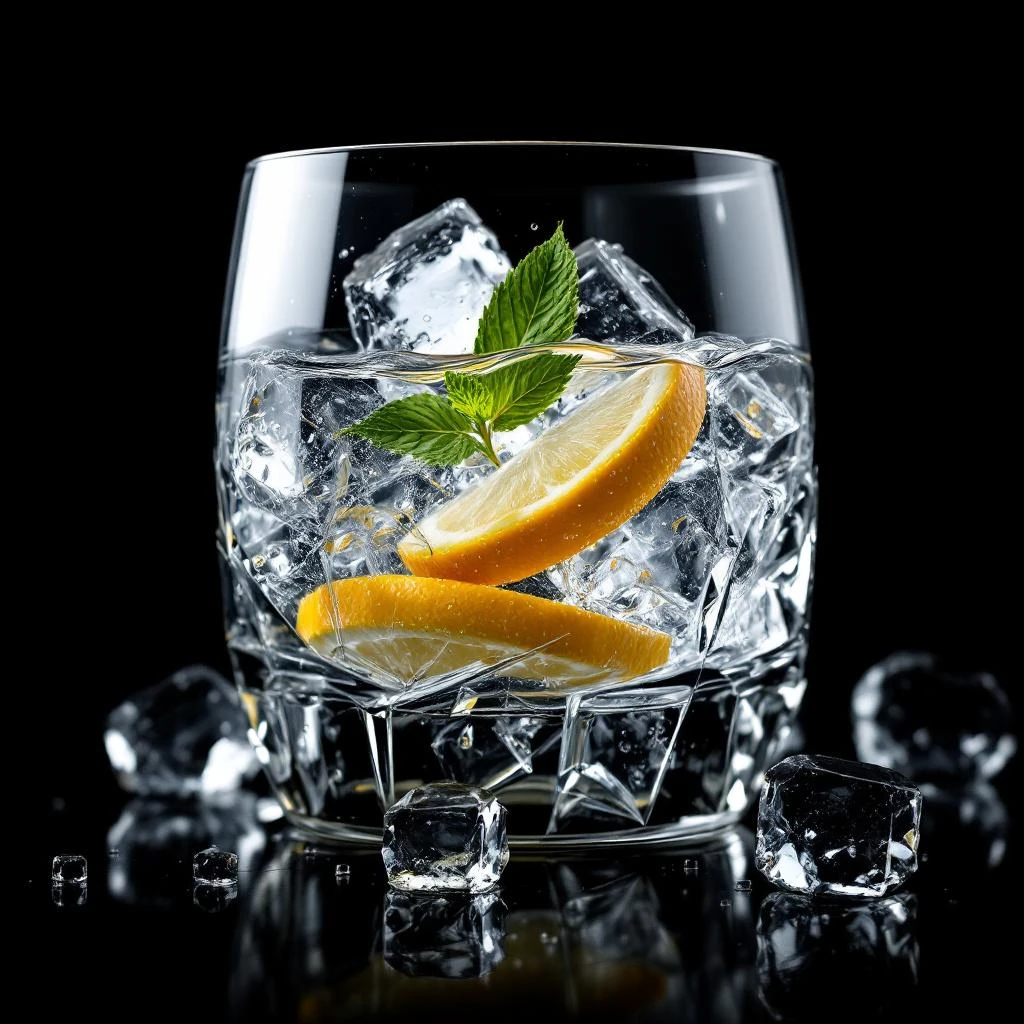
Juniper‑sharp clarity in a bottle.
The original Dutch genever used a blend of malt wine and juniper, creating a flavor profile that early perfumers later captured as a bright, resinous note in aromatic compositions.







Origin
Netherlands
Gin emerged in the early 1600s in the Dutch Republic, where physicians blended juniper berries with malt wine to produce genever, a medicinal tonic believed to aid digestion. British soldiers encountered the spirit during the Thirty Years' War and brought it home, where it evolved into London dry gin by the mid‑18th century. The spirit's popularity surged during the Gin Craze, shaping social life in England.
By the 19th century, gin’s botanical profile attracted the attention of early perfumers, who recognized its crisp, resinous qualities as a fresh counterpoint to heavy floral bases. Today, gin-inspired accords appear in niche fragrances, linking a historic spirit with contemporary scent design.
Wears it best
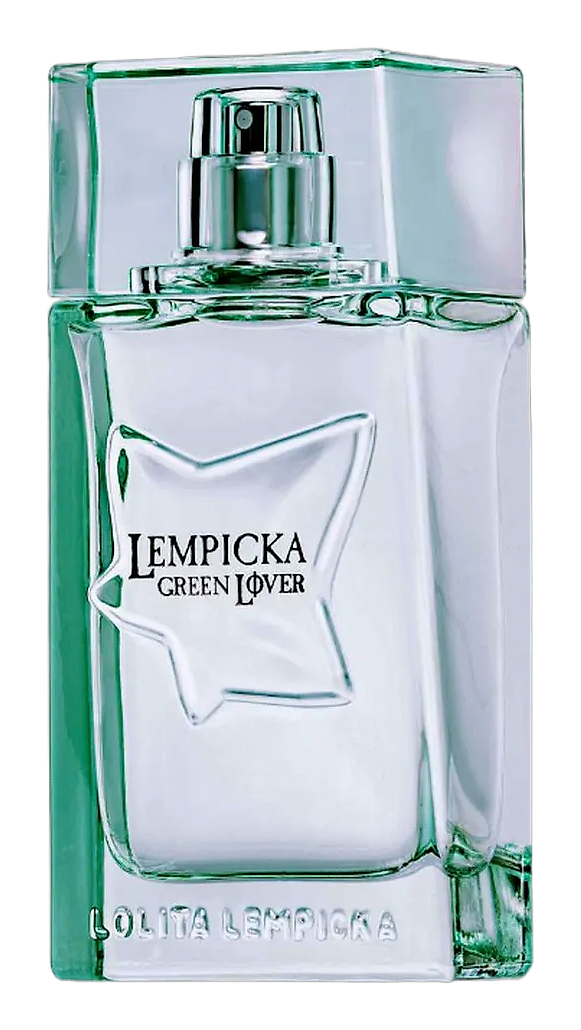
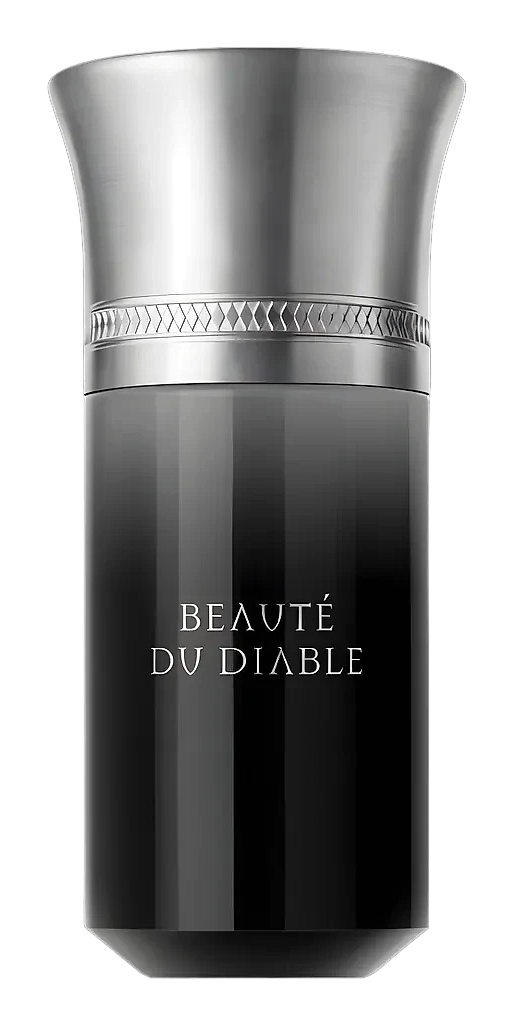
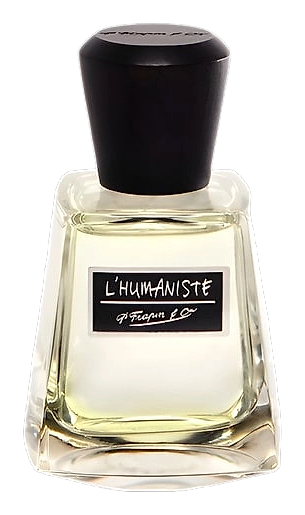
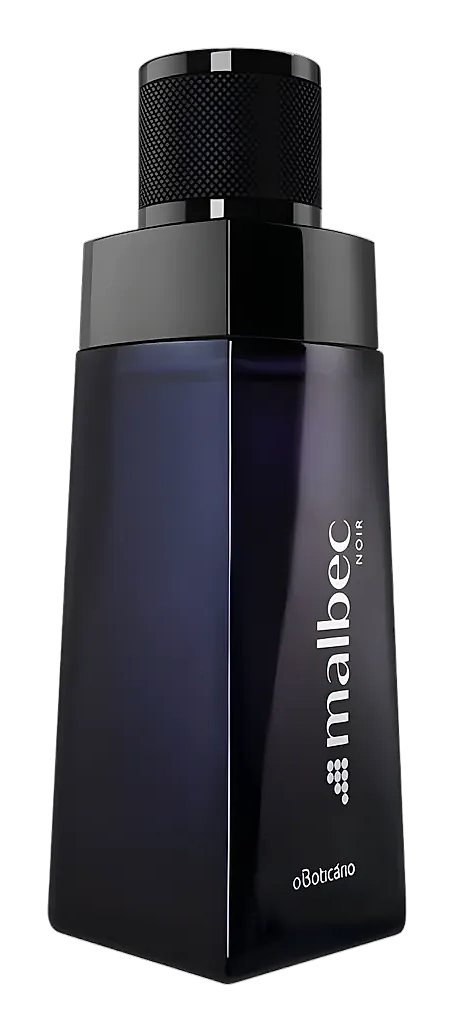
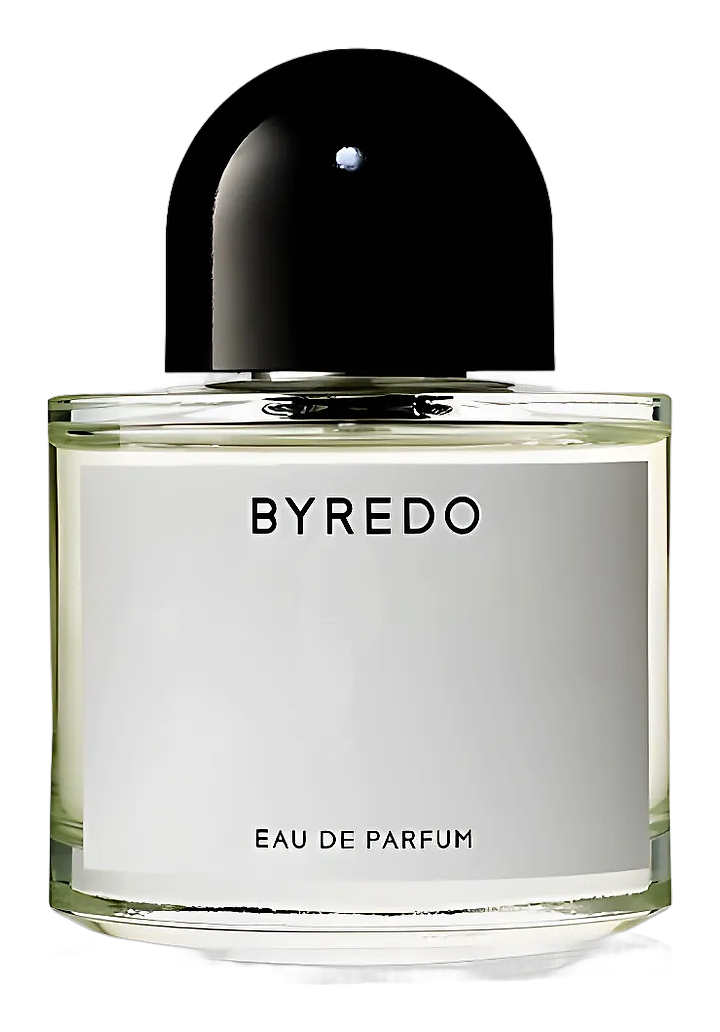
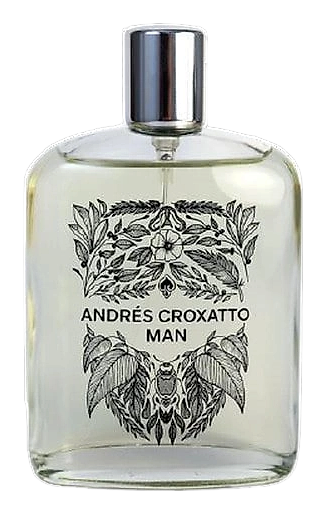
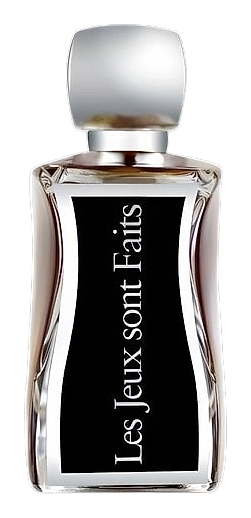
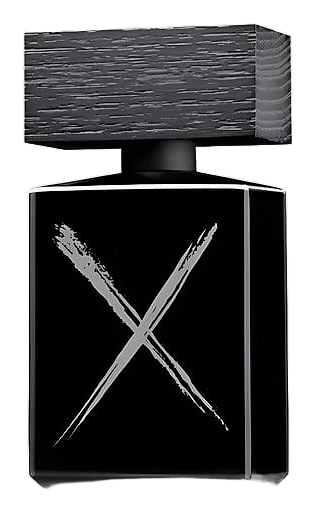
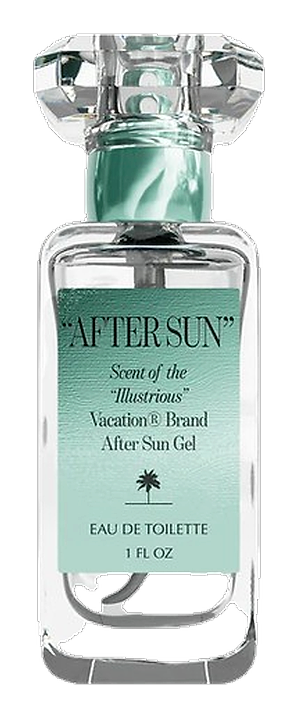
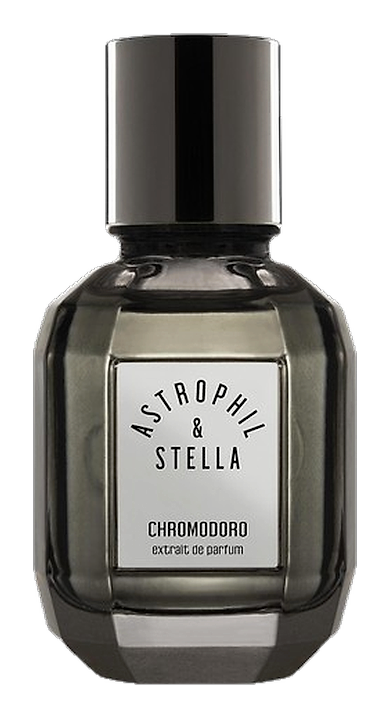
Fragrances featuring Gin


Good to know
Questions, answered
The essentials on Gin in perfumery: how it smells, where it comes from, and how it behaves on skin.
What primary botanical gives gin its signature scent?
Juniper berries provide gin’s defining pine note. A 2021 analysis of commercial gin samples showed juniper contributed over 30% of the total volatile composition.
Is gin used as a natural ingredient in perfumery?
Yes, perfumers isolate gin’s botanical distillate as a natural aromatic. The International Fragrance Association lists gin‑derived distillates among approved natural extracts.
How does the production of gin differ from typical essential oils?
Gin combines a high‑proof alcohol base with botanicals before distillation, while essential oils are usually extracted directly from plant material. In 2020, the average gin distillation retained 85% of botanical volatiles compared to 70% for many essential oil processes.
Can synthetic gin notes replace natural gin extracts?
Synthetic analogues can mimic juniper’s piney aroma but lack the complex supporting notes of coriander and citrus. A 2019 study found synthetic juniper aldehydes reproduced only 60% of the sensory profile of natural gin distillate.
What climate conditions favor the growth of juniper berries used in gin?
Juniper thrives in cool, well‑drained soils of temperate zones. The European juniper population in the Netherlands yields an average of 1.2 kg of berries per hectare annually, according to a 2022 agricultural report.
Is gin compatible with all fragrance families?
Gin blends best with aromatic, citrus, and woody families, where its crispness balances richer accords. Market data from 2021 shows 42% of gin‑featured fragrances pair it with citrus top notes.
How long does gin retain its aromatic integrity after distillation?
Gin’s volatile profile remains stable for up to two years when stored in sealed glass at cool temperatures. A 2018 stability test recorded less than 5% loss of key aromatics after 18 months.
Do regional gin styles affect their use in perfumery?
Regional styles, such as Dutch genever versus London dry, emphasize different botanicals, influencing their scent contribution. Genever typically contains higher malt notes, while London dry highlights juniper and citrus, as documented in a 2023 comparative flavor study.