
The Story
Why it exists.
The beginning
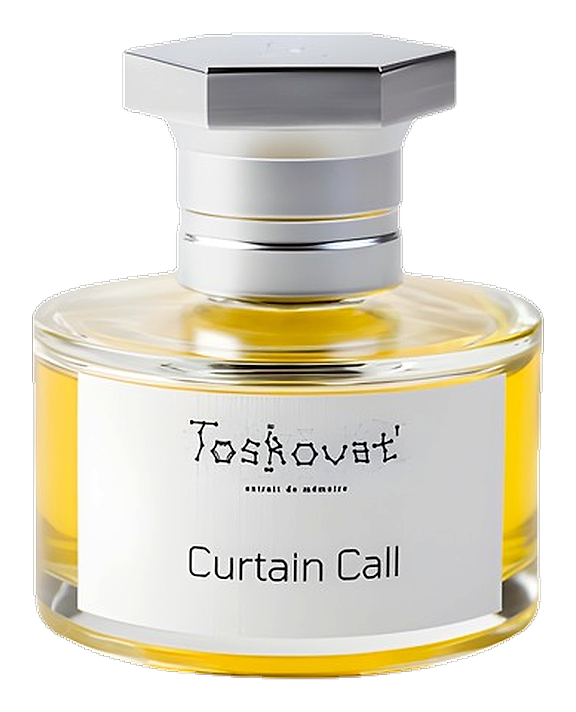
Toskovat' named this one for the moment after the final bow. That held breath. The hope that the applause means come back, one more time. In interviews, David-Lev Jipa-Slivinschi has described his creative process as beginning with a feeling rather than a formula, an emotional memory that demands to be made tangible. Curtain Call started there: the specific ache of hoping someone returns, of buying their favorite pralines and never eating them. Of wanting one final act when the other person never acted at all. The Romanian perfumer translated that into a fragrance that opens tart and bright, then deepens into something warmer, longer, more unresolved. The elderflower note carries that particular sadness, sweet but with a tartness that lingers like a memory you've been chewing on.
What makes Curtain Call unusual is the elderflower working against the praline. Praline is pure comfort, sweetness as reward. Elderflower is sweetness with a back note of astringency, a slight bitterness that prevents the whole composition from becoming a dessert. In most fruity-florals, the sweet notes win completely. Here they hold tension with each other for the first hour. The base of tobacco absolute and Gurjan Balsam adds another layer of complexity. Gurjan Balsam is a dense, resinous material more common in oud compositions than in fruity florals. It gives Curtain Call a resinous weight underneath the powdery florals, the kind of depth that makes skin smell expensive rather than just sweet.
The evolution
The opening is a sharp, tart burst. Blood orange hits first, bright and immediate, almost astringent in its freshness. Raspberry follows within seconds, softening the citrus into something rounder. The praline and elderflower arrive together, and for the first twenty minutes the composition reads as confectionery: sweet, slightly powdery, almost bubblegum-adjacent. Then the florals take over. Magnolia opens first, creamy and large-blossomed, quickly joined by white rose and jasmine. The jasmine is well-behaved here, not indolic, not sharp. It reads as warm rather than heady. Musk underneath smooths everything into something velvety. By the second hour, the tobacco absolute emerges. It doesn't dominate, it anchors. The sweetness doesn't disappear but it matures, becoming less confection and more something warm and slightly smoky. Vanilla and tonka bean carry the drydown for another four to six hours depending on skin. Patchouli adds earthiness at the very base. The next morning, skin holds a faint trace of vanilla and tobacco, not sweet anymore, just warm.
Cultural impact
Since its 2022 debut, Curtain Call has divided opinion in ways that reveal more about the wearer than the fragrance. Community reviews describe it as surprisingly feminine despite the unisex classification, with comparisons to Coco Mademoiselle surfacing repeatedly. One reviewer distilled it to a single phrase: sapphic romance bottled into a fragrance. The elderflower note appears frequently in discussions, either as a nostalgic draw or a polarizing element that keeps the sweetness from feeling generic. Toskovat' occupies an unusual position in the niche landscape: self-taught, Romanian, deliberately anti-conventional, and already drawing comparisons to major houses despite releasing only a handful of scents.
The House
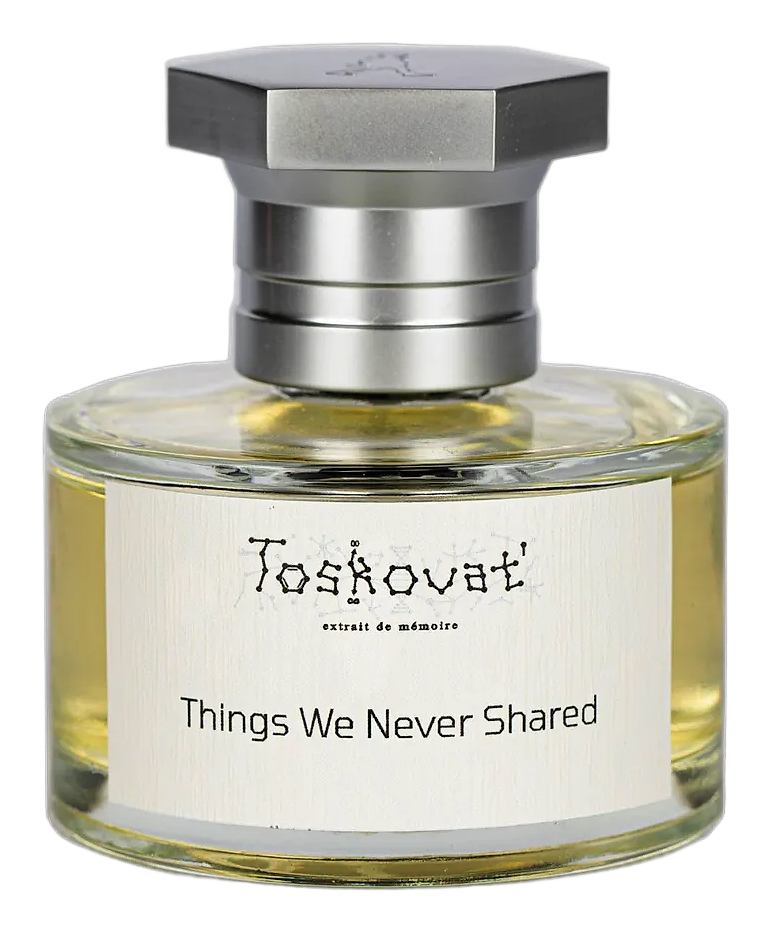
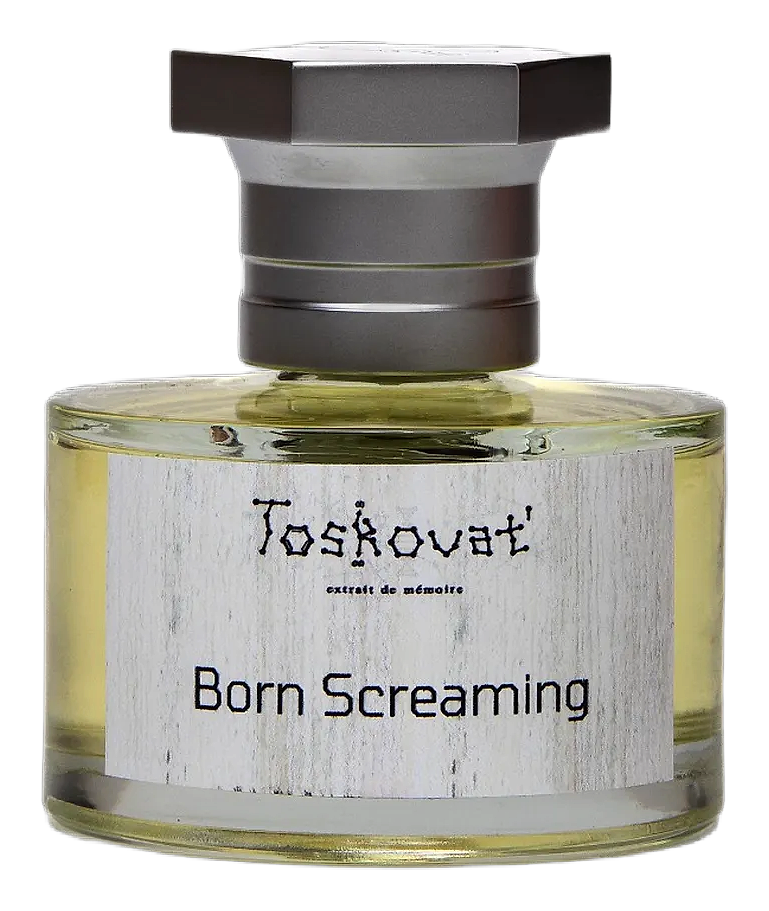
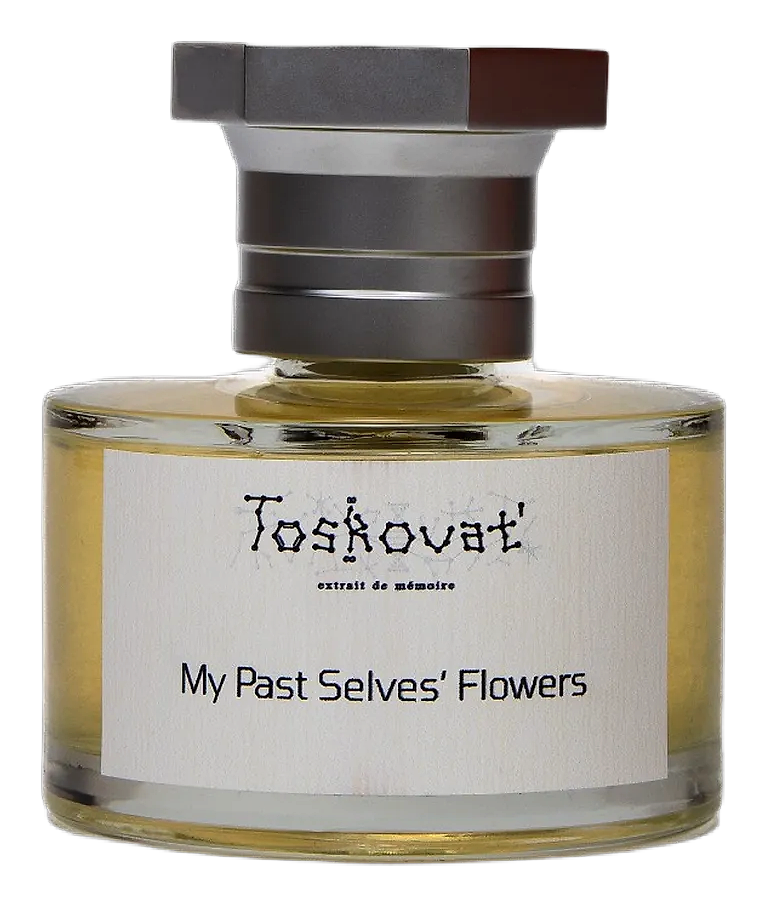
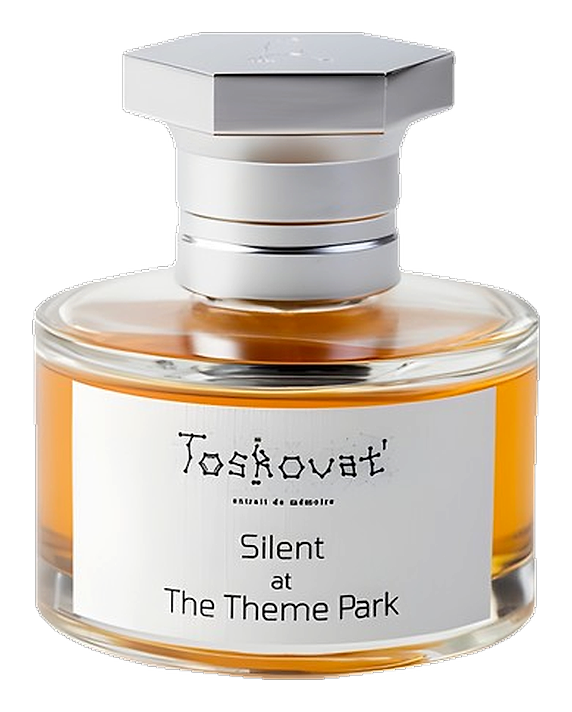
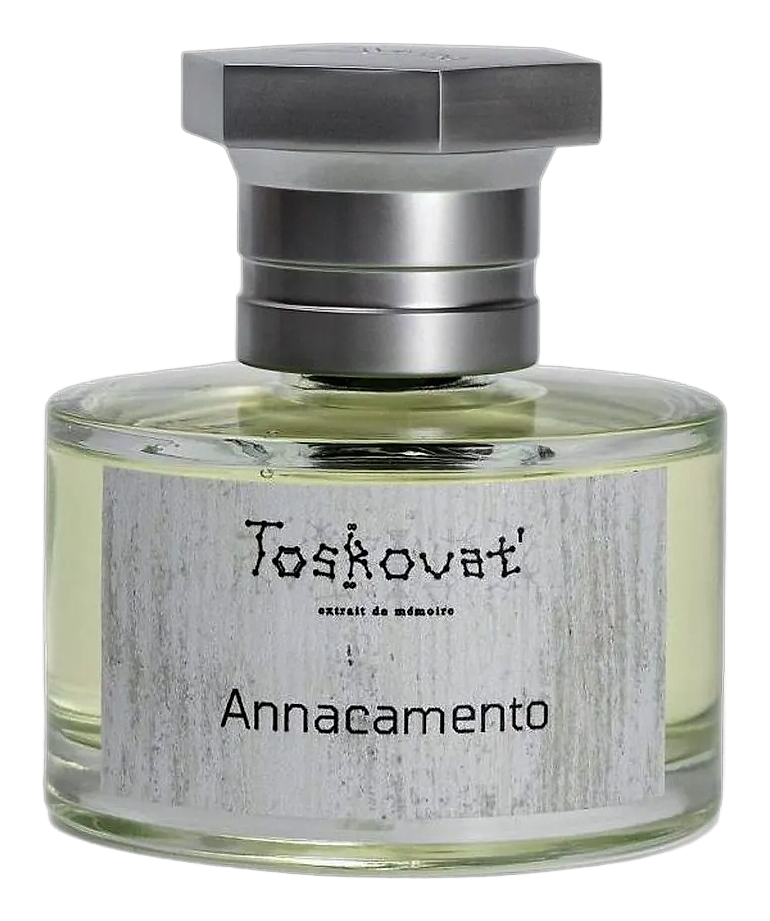
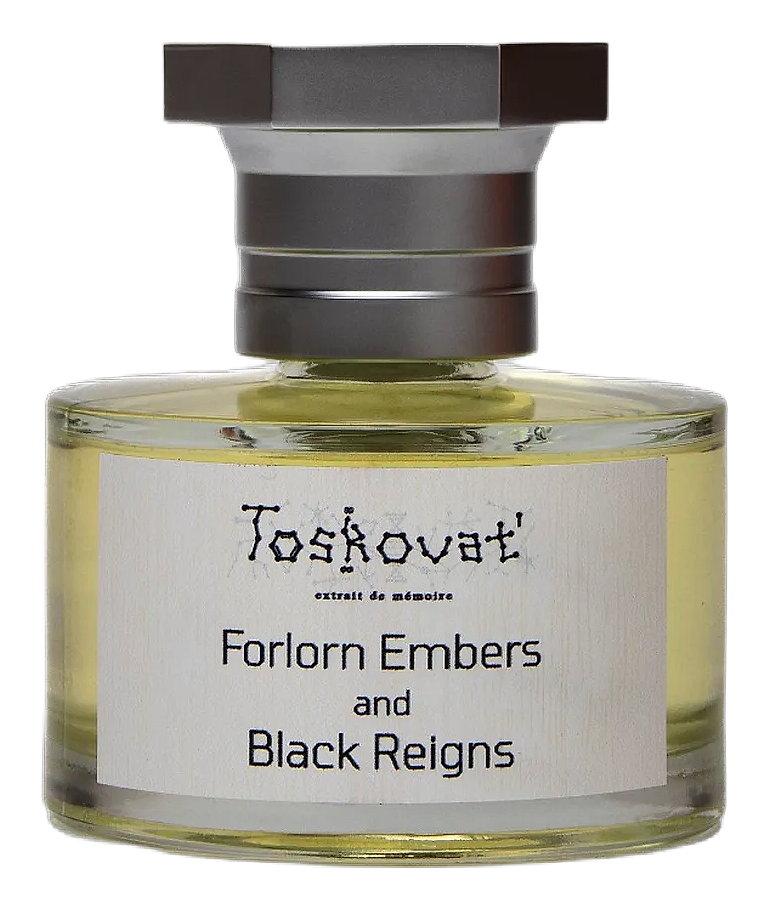
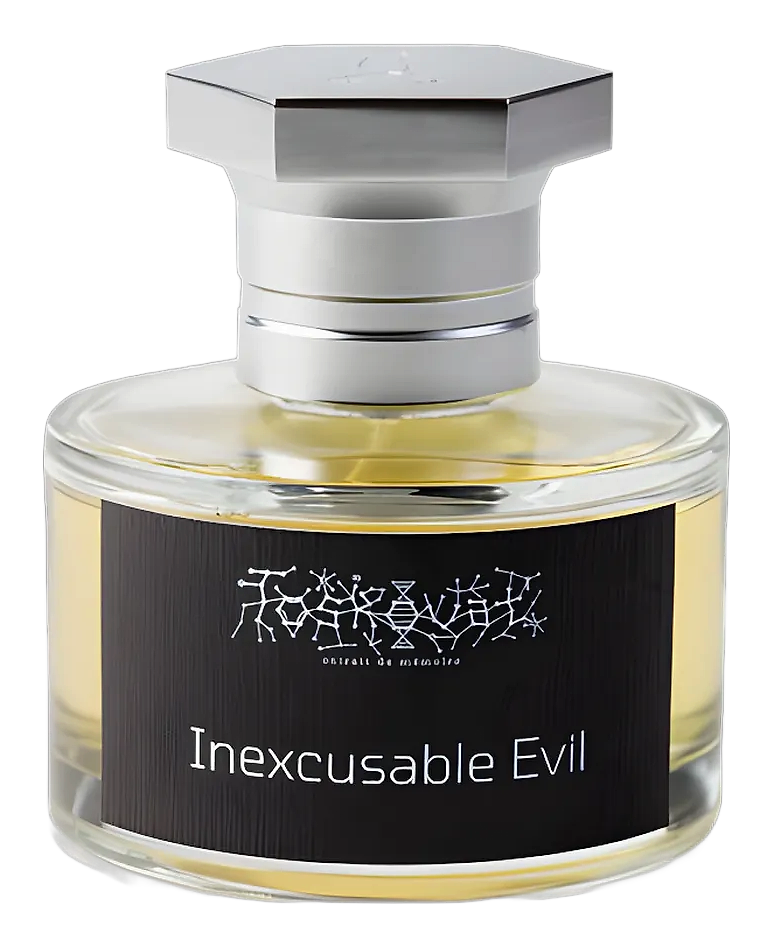
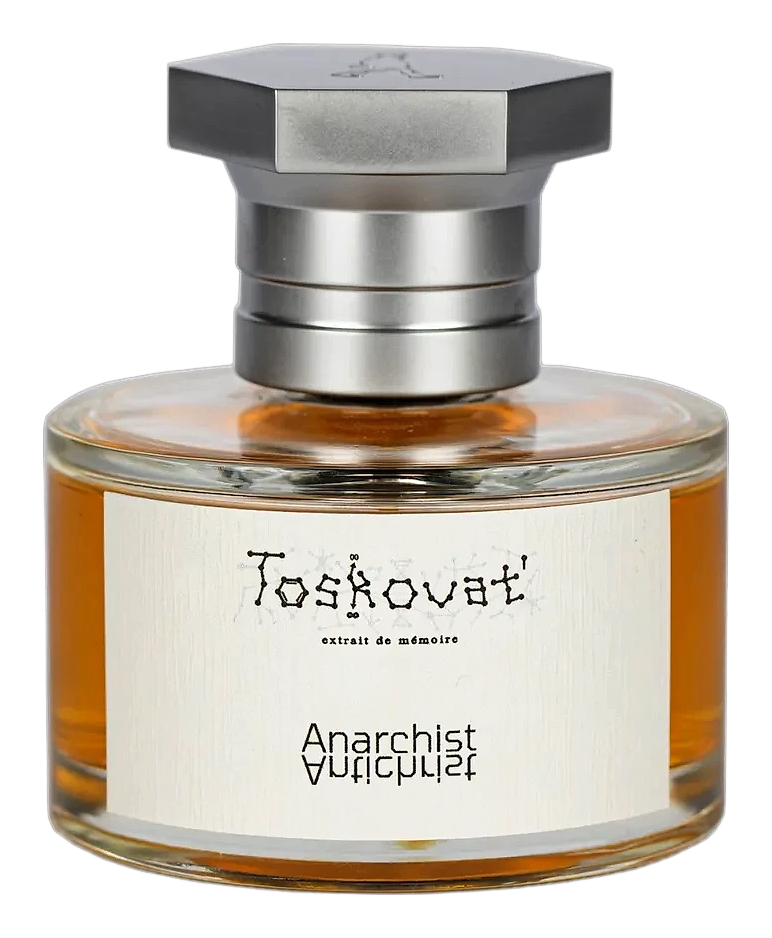
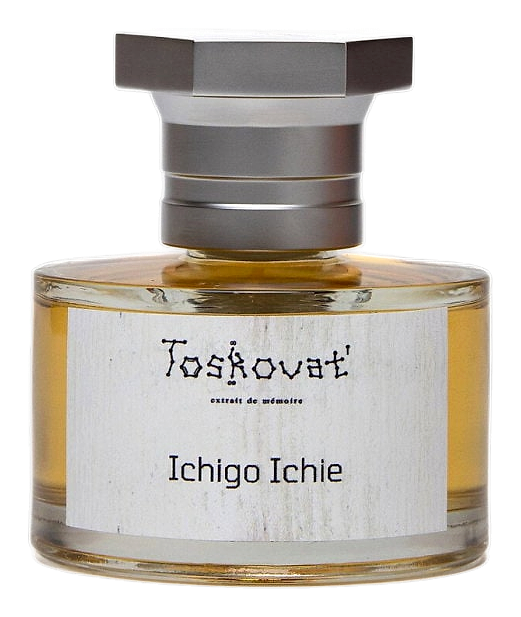
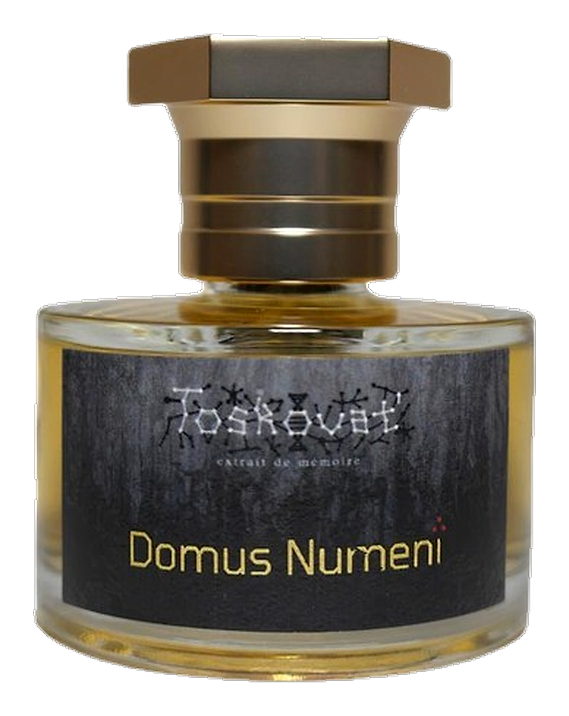
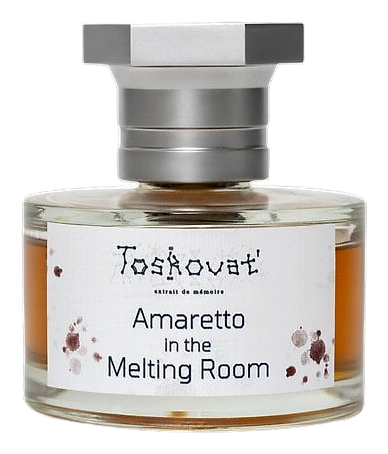
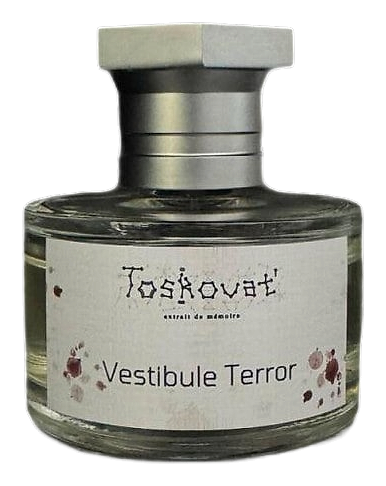
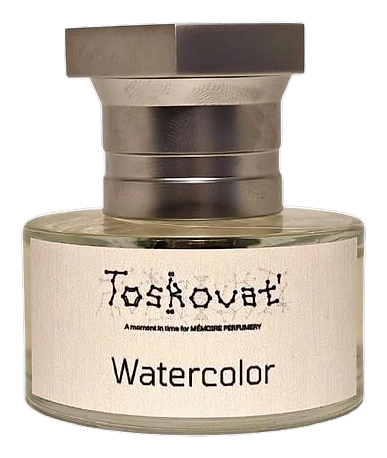
Toskovat'Toskovat' is a Romanian niche fragrance house founded in 2022 by self-taught perfumer David-Lev Jipa-Slivinschi. The brand name derives from the Russian word toска (toska), approximating a feeling of longing without a clear object. Toskovat' creates what it calls extraits de mémoire, memory-driven fragrances built from personal recollection rather than perfumery convention. David-Lev works without classical training and embraces provocative combinations: bubblegum with gasoline, notes of blood and holy water, scents evoking childhood, desire, and transgression. The brand garnered international attention early, earning features in Vogue UK and The Wall Street Journal. Luca Turin, one of the field's most influential critics, sampled six Toskovat fragrances and described them as having "shocking top notes and gothic ingredient lists, followed by well-behaved heart and base notes." Each release sparks passionate debate within fragrance communities. The house operates from Bucharest and has built a devoted following in remarkably little time.
The Creator
David-Lev Jipa SlivinschiThe perfumer favors complex, layered constructions that shift dramatically over the wearing period. He employs dark, smoky, and resinous base materials to anchor his narratives, often building around contrasts between warmth and astringency, sweetness and decay.