Velvet
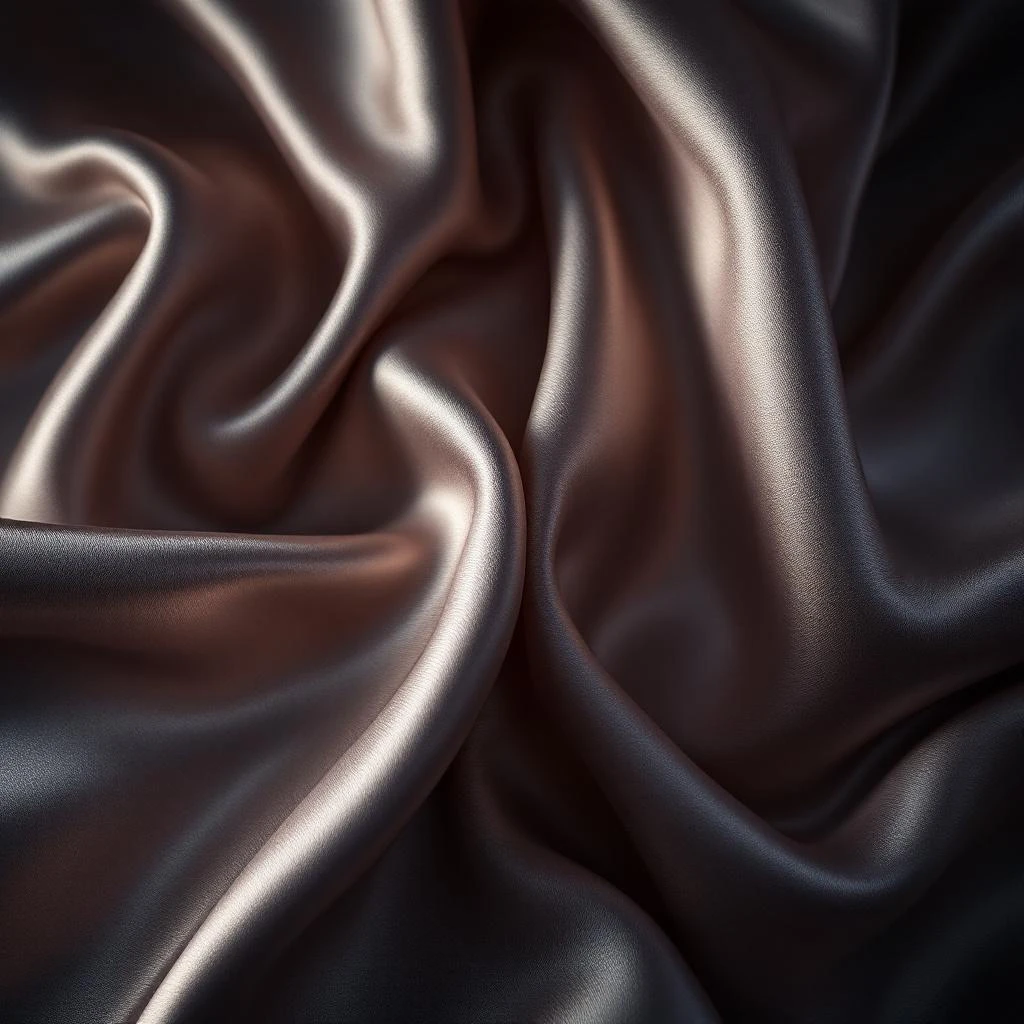
Velvet is not an ingredient but a tactile sensation in perfumery: the soft, plush impression certain materials leave on skin. It describes the weightless smoothness of fine musk, the powdery warmth of orris, or the creamy embrace of sandalwood on skin.
Character
How it smells
The texture that whispers rather than shouts.
The word velvet comes from the Latin villus, meaning shaggy hair, yet in perfumery it describes the opposite: materials that feel impossibly smooth against the skin.






Origin
France
Before perfumers had vocabulary for texture, they chased sillage and projection. The concept of velvet emerged as perfumery matured beyond presence into skin feel. Jacques Guerlain recognized this with Mitsouko in 1917, where the peach skin accord created something felt, not just smelled.
By the 1920s and 30s, Chanel and Caron began explicitly crafting fragrances meant to be worn close to the body, emphasizing intimacy over declaration. The development of synthetic musks in the 1950s and 60s gave perfumers new tools to engineer this sensation. Today, velvet is a deliberate design choice.
A perfumer composes the drydown specifically to coat skin in this plush feeling, selecting materials for their tactile contribution as much as their scent.
Wears it best
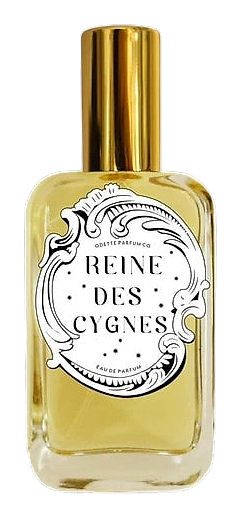
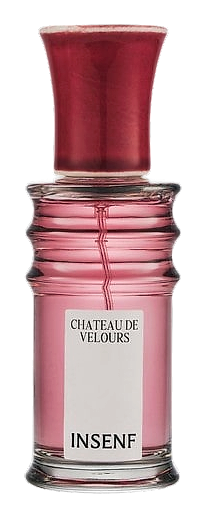
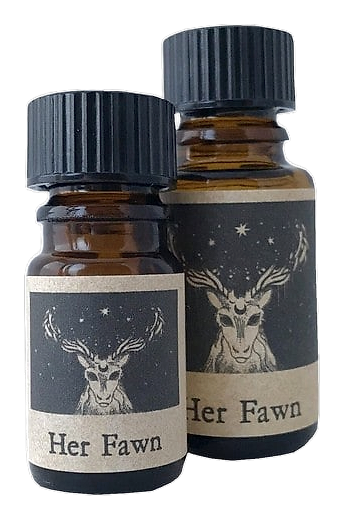
Fragrances featuring Velvet
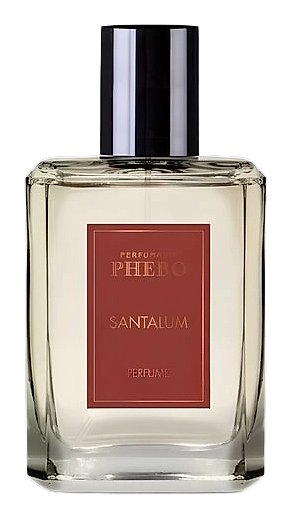
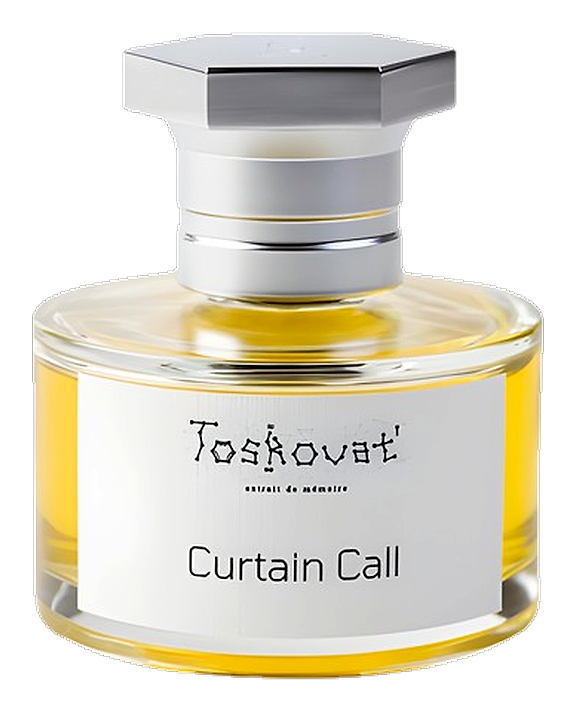

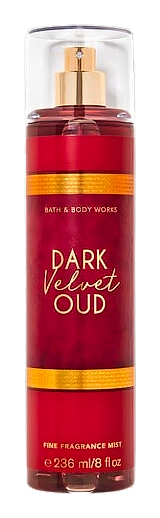
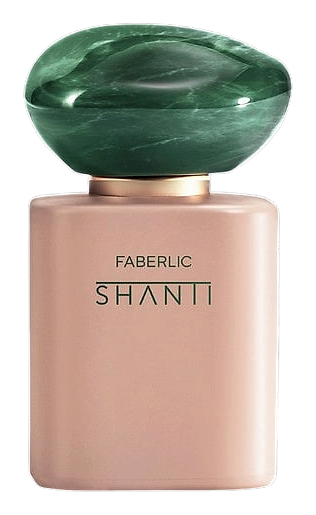
Brands
Brands known for Velvet
Good to know
Questions, answered
The essentials on Velvet in perfumery: how it smells, where it comes from, and how it behaves on skin.
What does velvet mean in a fragrance description?
Velvet describes a tactile sensation rather than a scent. It refers to how a fragrance feels against skin: smooth, plush, weightless, and enveloping. Perfumers achieve this through musks, sandalwood, orris, and certain synthetic molecules.
Which ingredients naturally create a velvet sensation?
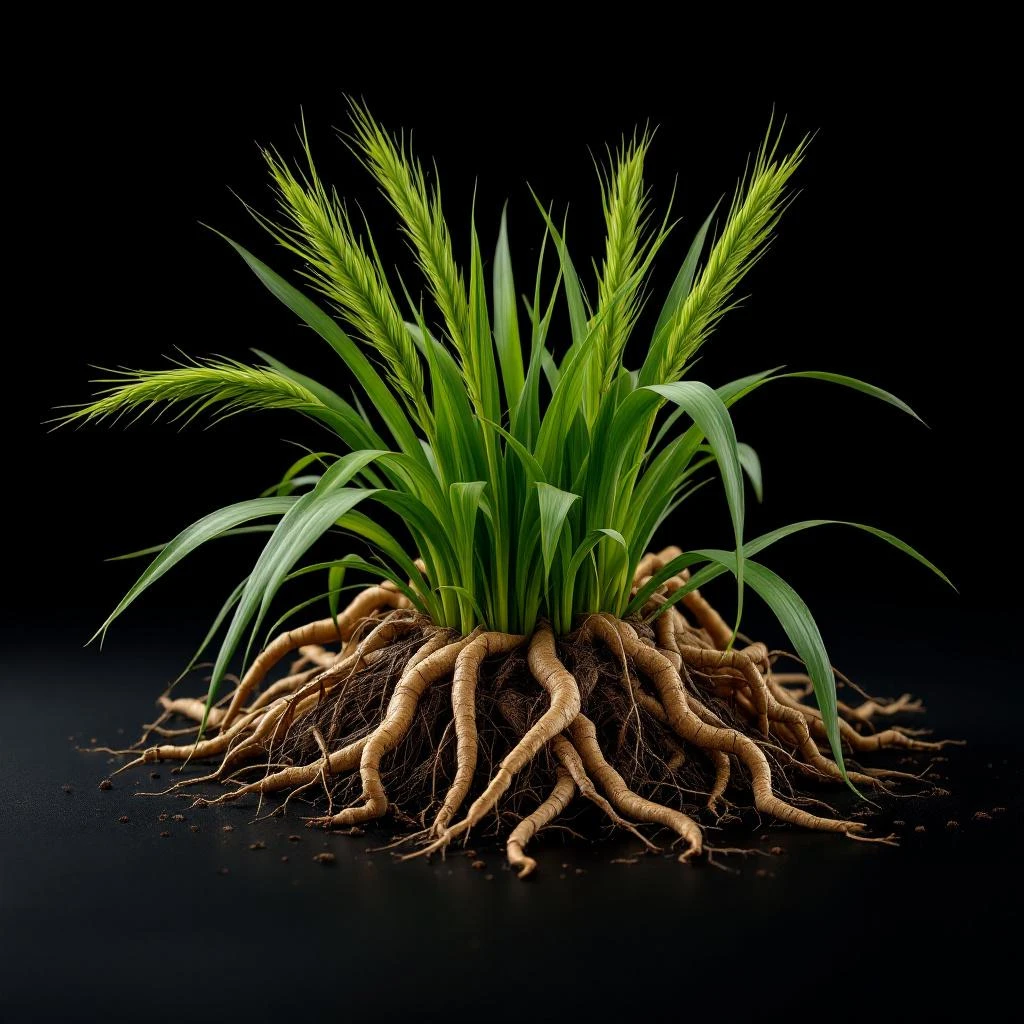
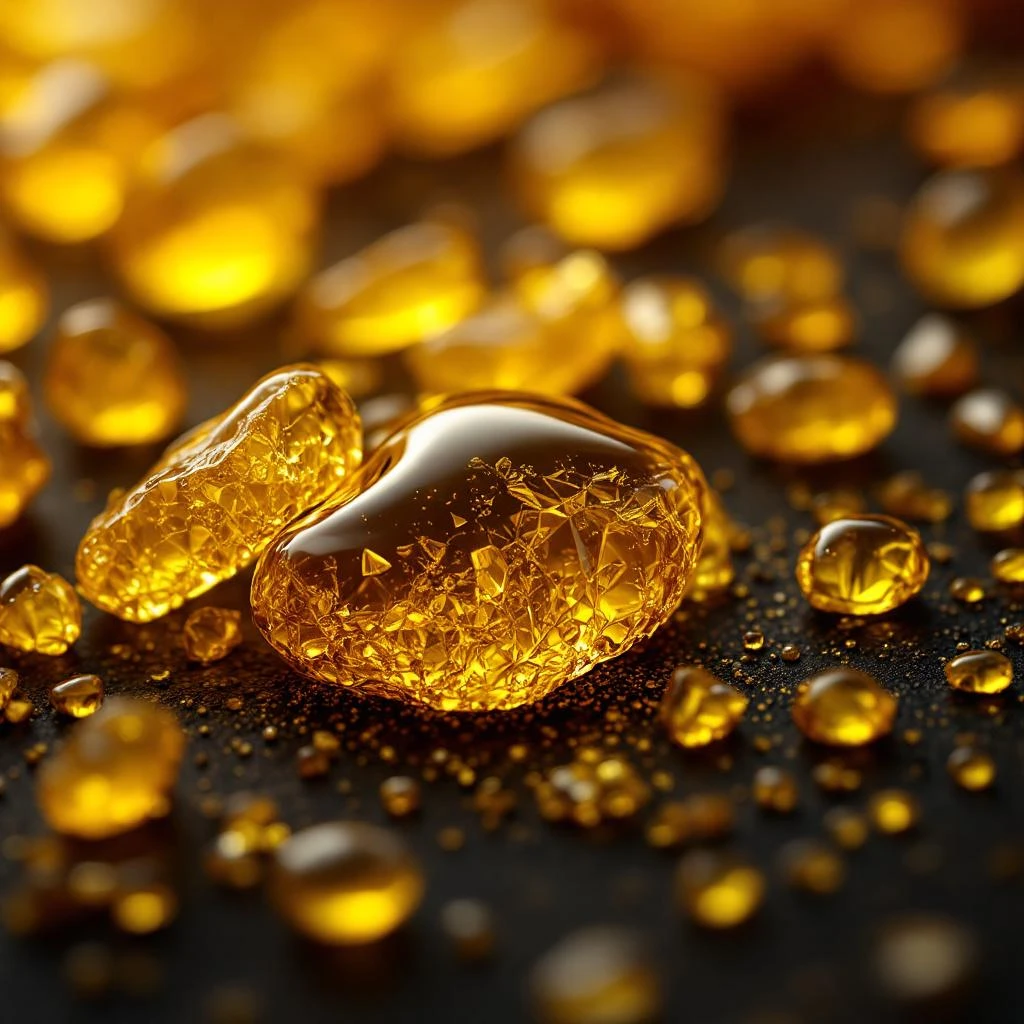
Sandalwood oil, particularly from Mysore, creates true velvet warmth due to its santanol content. Orris butter aged for three years produces powdery plushness. Natural musks from botanical sources like ambrette seed also contribute this texture.
Are there synthetic materials that create velvet texture?
Yes. Macrocyclic musks like Exaltolide and Habanolide create skin-like warmth. Captive molecules designed specifically for this effect include Serenolide and newer captures exclusive to specific houses. These give perfumers precise control over velvet texture.
How does velvet differ from other texture descriptors like silk or cashmere?
Silk is cooler and lighter, often associated with citrus or delicate florals. Cashmere carries more warmth and powderiness, closer to velvet. Velvet is the plushest, most enveloping texture, suggesting warmth close to skin like fine musk.
Which fragrance families typically feature velvet notes?
Chypre, oriental, and skin-musk fragrances emphasize velvet most prominently. Powdery florals and woody compositions also frequently seek this texture. It appears across all genders in modern perfumery.
When did perfumers start designing for velvet texture?
The concept emerged in the early 20th century. Jacques Guerlain's Mitsouko in 1917 demonstrated how a fragrance could be felt as much as smelled. By the 1950s, with synthetic musks available, velvet became a deliberate compositional goal.
Does velvet refer to a specific chemical compound?
No single compound creates velvet. It results from combining materials that share this quality: musks, certain woods, orris, and ambery materials. Perfumers layer these to achieve the plush, smooth sensation on skin.
How long does velvet sensation last in a fragrance?
Velvet character typically appears in the drydown phase, emerging 30 minutes to an hour after application. It lasts through the base phase, often six to eight hours or more, depending on the concentration and specific materials used.