
The Story
Why it exists.
The beginning
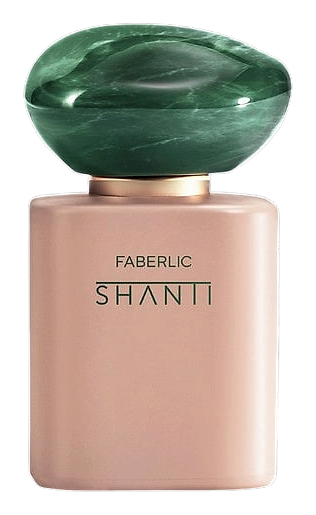
Shanti takes its name from the Sanskrit word for peace, and that intent runs through every layer of the composition. Faberlic's official copy frames it as a "meditative Zen complex," a fragrance built around the idea of harmony rather than projection. Perfumer Aliénor Massenet structured the scent around contrast: bergamot and Telicherry pepper open clean and bright, while night jasmine and woody notes settle into something more contemplative. The name isn't decorative. It's the brief.
What makes Shanti unusual is how the heart and base refuse to compete. Night blooming jasmine, a flower that opens after dark, associated with quiet and reflection, anchors the middle. The woody notes don't overpower it. Tolu balsam and palo santo add warmth without heaviness. The result is a fragrance that breathes rather than announces. For a brand positioned around everyday accessibility, it's a quiet statement: you don't need to shout to be present.
The evolution
The opening hits crisp, bergamot and grapefruit bright, black pepper adding a quiet heat underneath. Within twenty minutes the citrus recedes and night jasmine takes over, soft and insistent at once. The heart phase lasts longest on most skin types, holding around the 2-4 hour mark as nutmeg and velvet round the floral edge. Then the base arrives: palo santo smoke, tolu balsam sweetness, sandalwood warmth. By hour six the sillage has thinned to a skin-close presence, but the amber and sandalwood linger another two hours on clothing. A quiet fragrance that asks to be leaned into.
Cultural impact
Shanti arrived in 2023 as Faberlic's first explicit meditation-aligned fragrance, reflecting a broader cultural shift toward wellness-oriented personal care products in post-pandemic Russia. The name itself means peace in Sanskrit, positioning the scent within a vocabulary of mindfulness that has permeated beauty and lifestyle marketing since 2020. While Faberlic built its reputation on accessible cosmetics and approachable fragrances, Shanti marks a departure into contemplative territory, echoing a global trend of consumers seeking scents that signal intentionality rather than simply smelling pleasant.