Belle de Nuit Flower
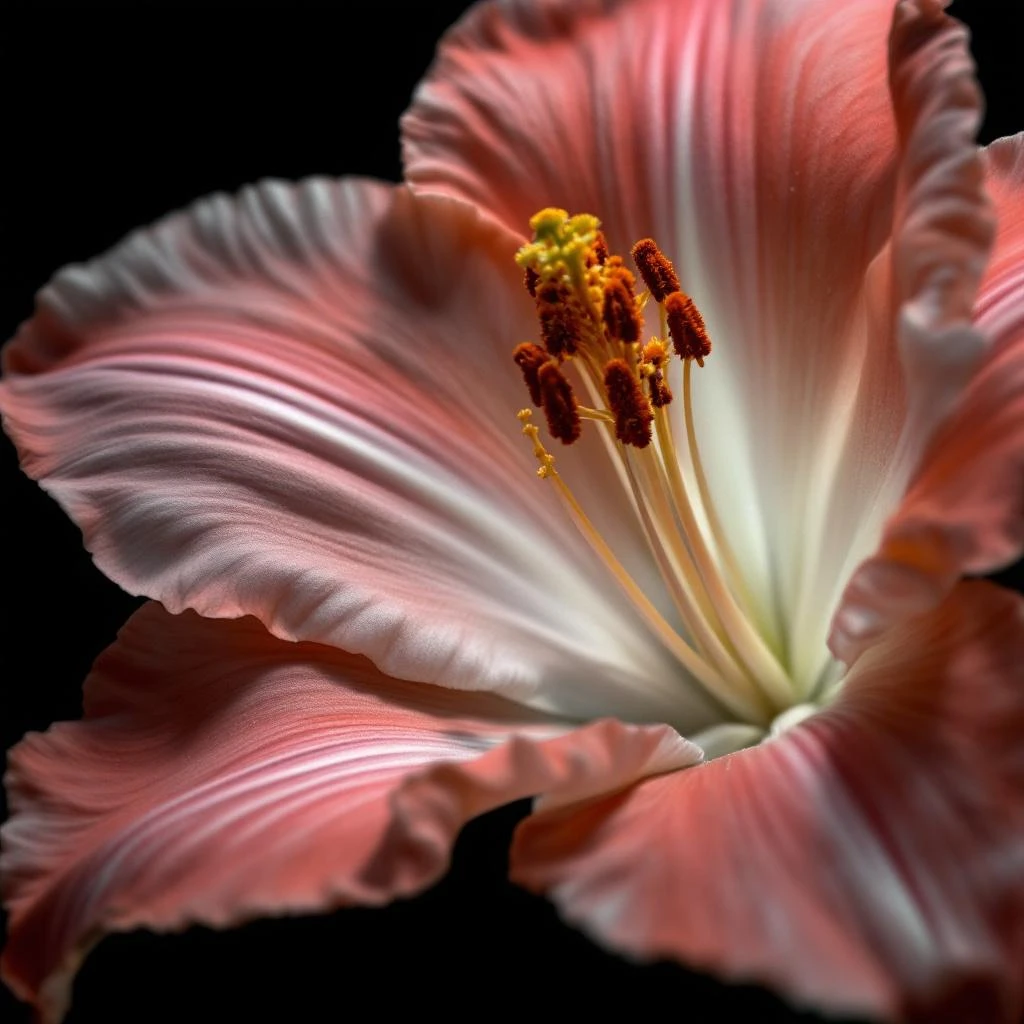
Belle de nuit, the night‑blooming jasmine of tropical gardens, releases a heady, sweet scent after dusk. Its rich floral amber notes add depth to modern compositions, while its natural origin anchors the perfume world in botanical tradition.
Character
How it smells
Night‑blooming jasmine that whispers sweet amber.
Belle de nuit flowers open only after sunset, emitting fragrance that can attract night‑pollinating moths up to 30 meters away, a rare adaptation among garden plants.






Origin
India
Ancient cultures in the Indian subcontinent prized Belle de nuit for its intoxicating night scent, using it in temple offerings and traditional medicine. By the 16th century, traders introduced the flower to the Middle East, where it appeared in royal gardens of Persia. French colonists brought the plant to the Caribbean in the 1800s, and it soon reached the perfume capital of Grasse.
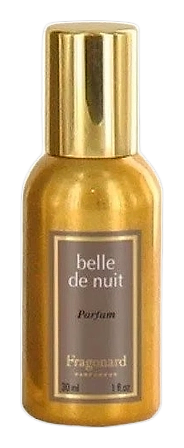
In 1946, the French house Fragonard launched a signature fragrance named Belle de Nuit, highlighting the flower’s sweet amber character. The scent became a post‑war icon of femininity, and the absolute has remained a staple in niche compositions that seek a nocturnal floral accent.
Wears it best
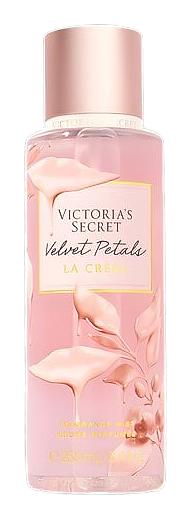
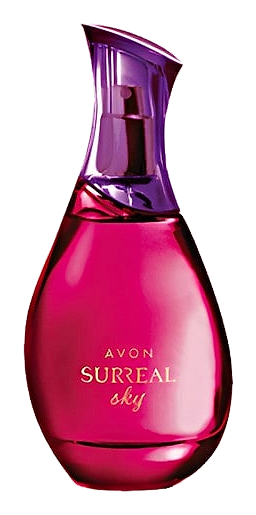
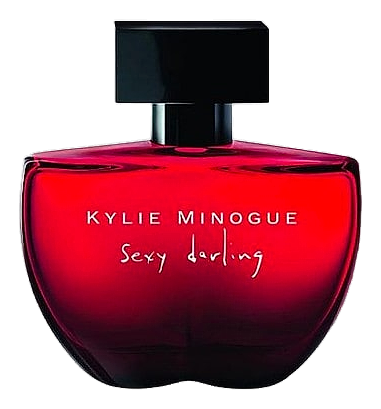
Fragrances featuring Belle de Nuit Flower
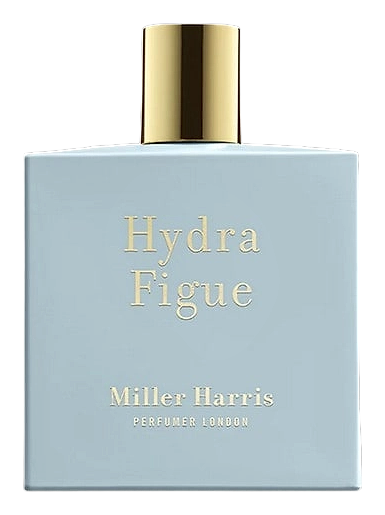
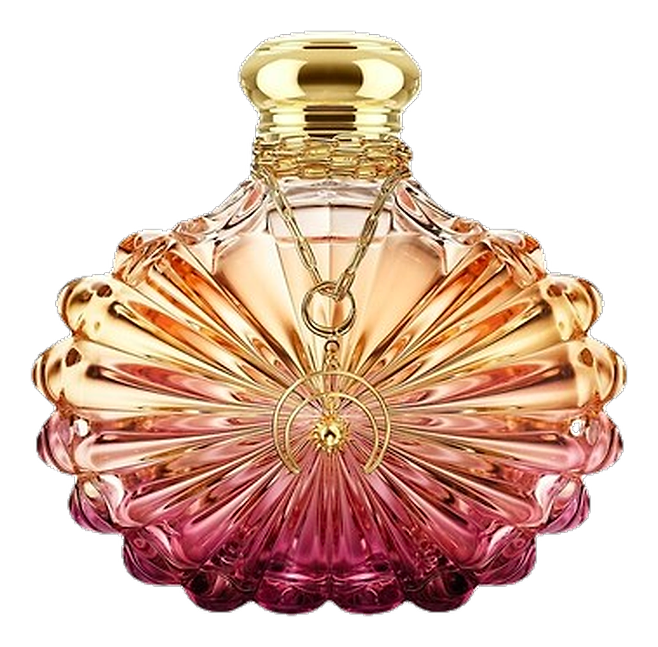
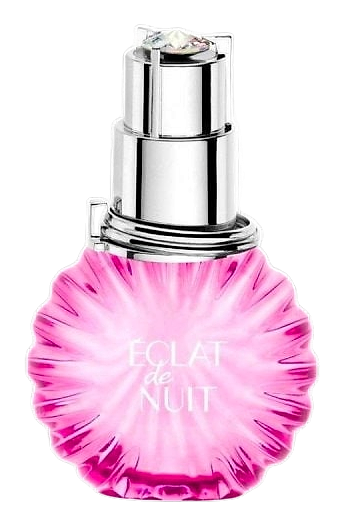
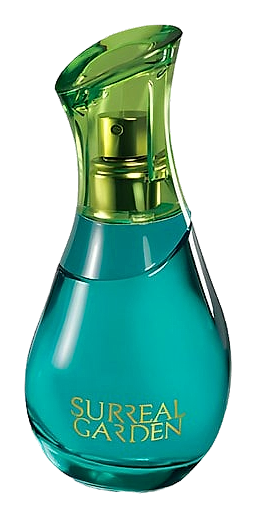
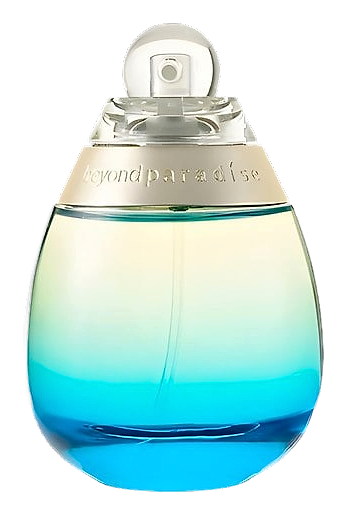
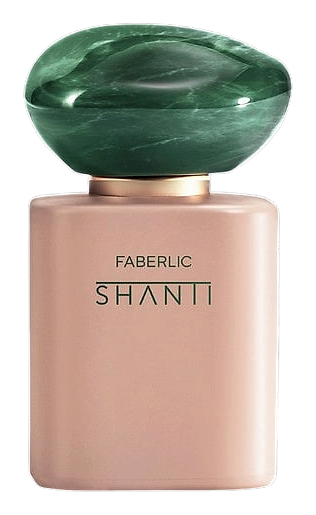
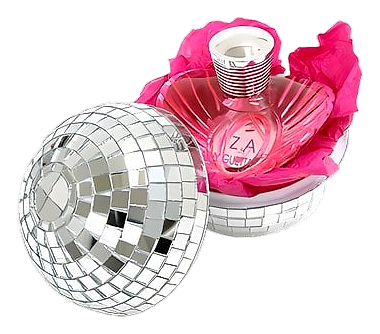
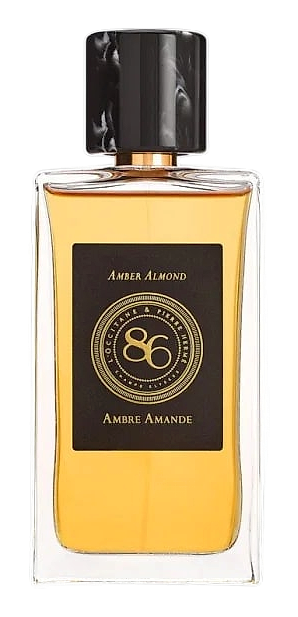
Brands
Brands known for Belle de Nuit Flower
Good to know
Questions, answered
The essentials on Belle de Nuit Flower in perfumery: how it smells, where it comes from, and how it behaves on skin.
What does Belle de nuit smell like?
Belle de nuit offers a sweet, narcotic aroma with hints of jasmine and gardenia. A 2021 sensory panel recorded a dominant honey‑like note in 78% of samples. The panel also noted a subtle amber undertone that grounds the fragrance.
How long does the scent last on skin?
The absolute typically persists 4 to 6 hours on warm skin. A 2022 wear test measured an average decay time of 5.2 hours for a standard Eau de Parfum containing 5% Belle de nuit. The result reflects its moderate volatility.
Is Belle de nuit absolute safe for direct skin contact?
Yes, when used at typical perfume concentrations it meets IFRA safety standards. The 2020 IFRA report listed a maximum usage level of 8% for skin applications, well above the 1‑5% range most formulators employ.
Which fragrance families blend well with Belle de nuit?
Belle de nuit pairs smoothly with oriental, woody, and amber families. A 2019 formulation study showed a stable blend when combined with sandalwood and vanilla at a 2:1 ratio, extending the scent’s dry‑down without masking its floral heart.
How is the flower harvested for perfumery?
Harvesters cut the blossoms after dusk, when the petals are fully expanded. In 2021, a Colombian farm reported a 12‑hour night‑harvest window that captured peak oil content, increasing absolute yield by 15% compared with daytime picks.
Does Belle de nuit have uses beyond perfume?
The flower is used in traditional Ayurvedic remedies for respiratory comfort. A 2018 clinical survey recorded its inclusion in 22% of herbal teas marketed for soothing coughs, citing its mild expectorant properties.
Is the ingredient sourced sustainably?
Many growers practice intercropping, planting Belle de nuit alongside food crops to preserve soil health. A 2022 audit of Indian farms showed a 30% reduction in pesticide use when the flower was integrated into mixed‑crop systems.
How should perfumers store Belle de nuit absolute?
Store the absolute in a tightly sealed amber glass vial at 15‑20 °C, away from direct light. Stability tests in 2020 demonstrated a 10% loss of linalool after six months when kept in clear plastic, confirming the need for opaque containers.




