Palo Santo
Palo Santo, meaning sacred wood in Spanish, yields a warm, resinous scent with notes of citrus, mint, and deep wood. Harvested only from naturally fallen trees in South America, this ingredient carries centuries of spiritual tradition into modern perfumery.
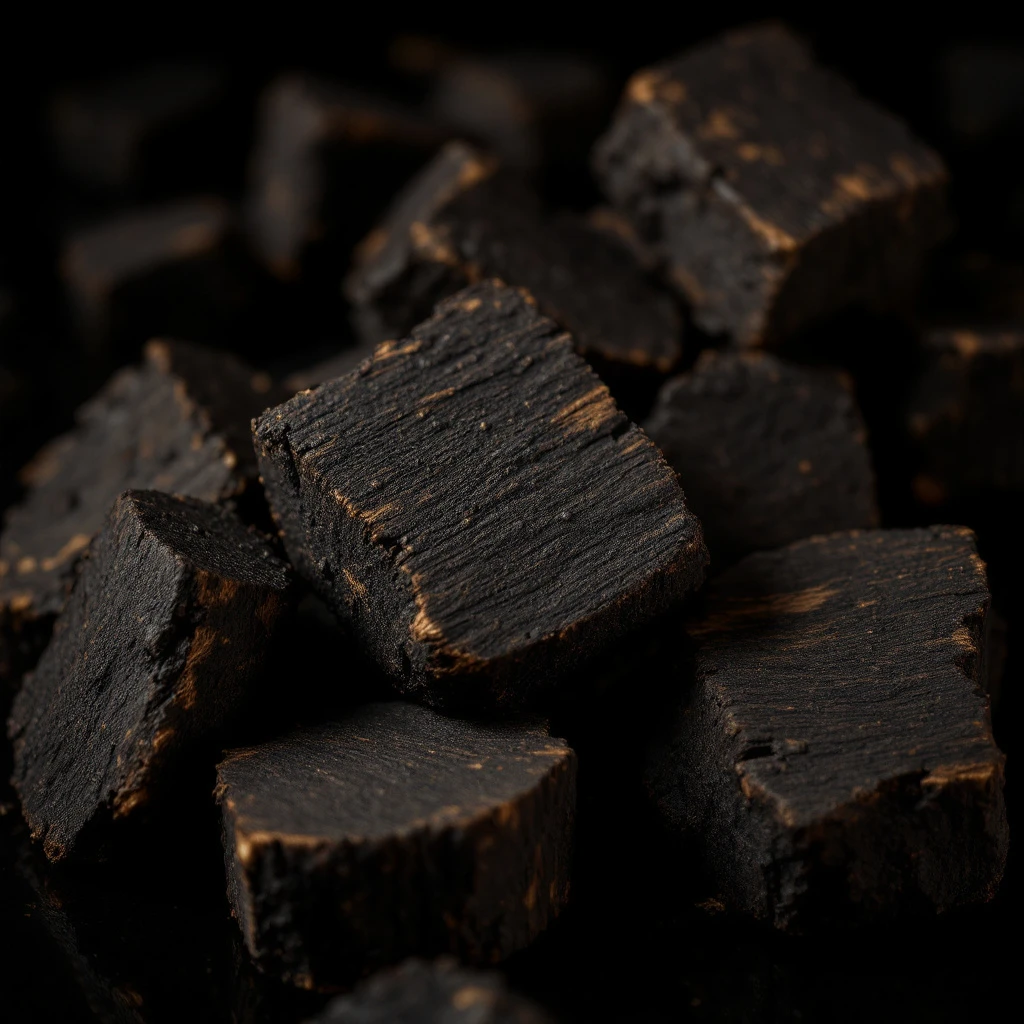
Character
How it smells
Sacred wood with a soul of smoke and citrus
Palo Santo trees must die naturally and rest on the forest floor for years before their aromatic compounds fully develop.




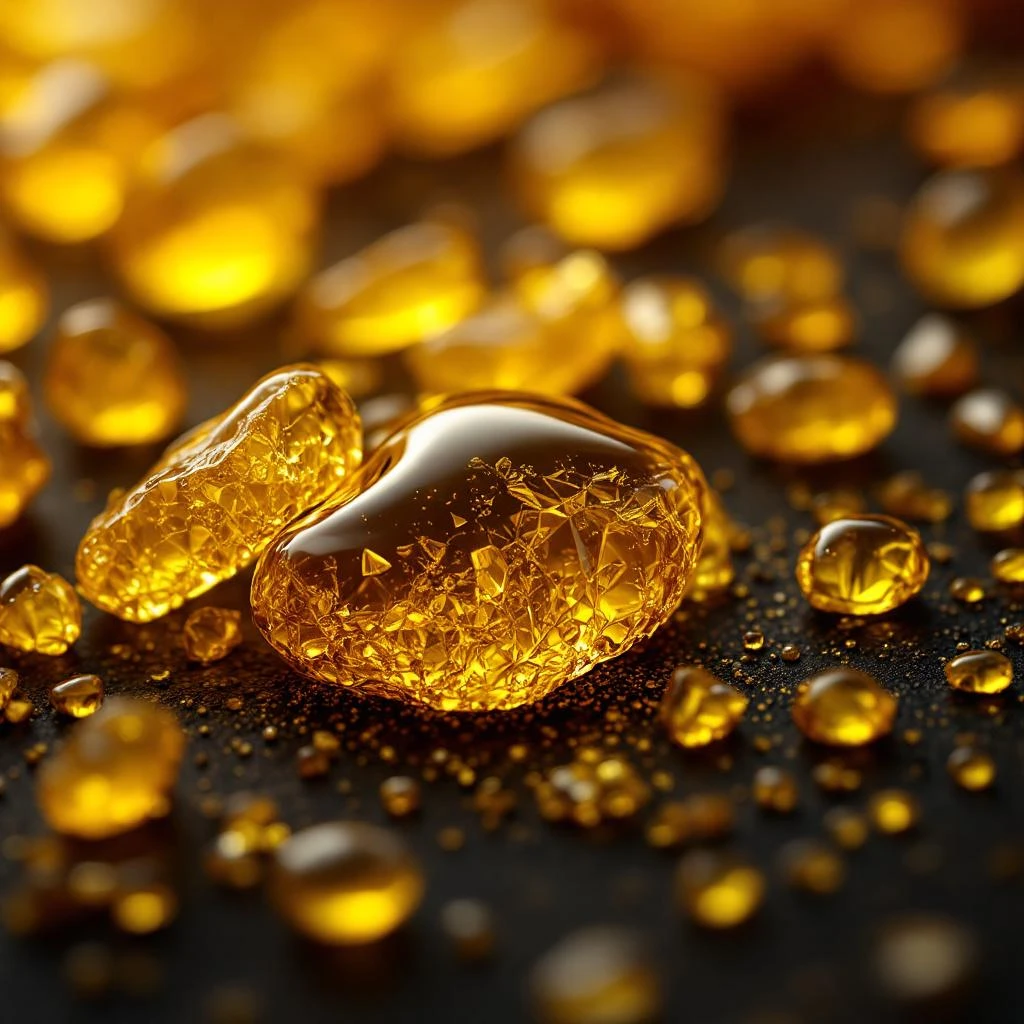




Origin
Peru
The name Palo Santo translates to sacred wood or holy stick in Spanish, a name that reflects its central role in Indigenous ceremony across South America. Archaeological evidence traces its ritual use to the Incan Empire, where shamans burned the wood as incense during healing rituals and spiritual cleansings. The smoke was believed to clear negative energy and invite positive spirits. Coastal communities in Ecuador and Peru continued these practices long after colonial contact, using the wood in Catholic-influenced ceremonies that blended Indigenous and European traditions.
By the early 20th century, Palo Santo had crossed into folk medicine, where it served as a remedy for headaches, colds, and muscle pain. Its entry into perfumery came later, as natural perfumers in France and the United States began seeking alternatives to frankincense and myrrh. The oil's complex profile, sweet wood, soft smoke, hints of mint and citrus, offered perfumers a material that bridged sacred and secular use. In the 2010s, Palo Santo experienced renewed attention as niche perfumers featured it in compositions aimed at evoking calm and grounding.
Conservation concerns followed. Peru's 2016 export ban, later replaced by strict permitting, sought to protect wild Bursera graveolens populations from overexploitation. Today, ethically sourced Palo Santo represents both cultural heritage and ecological responsibility.
Wears it best
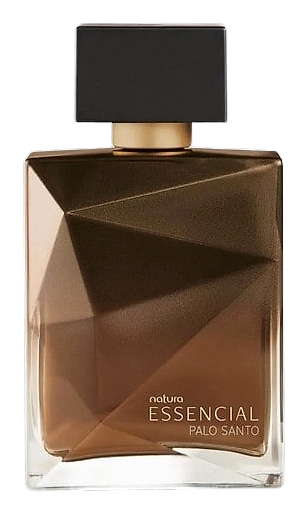
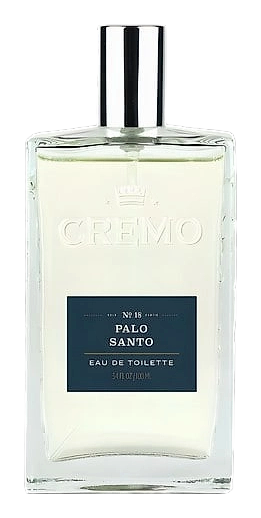
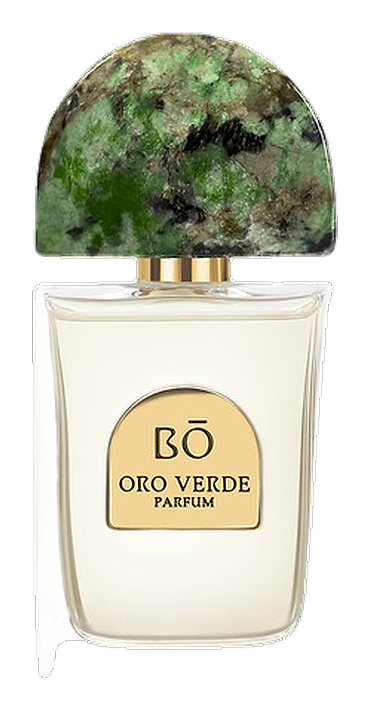
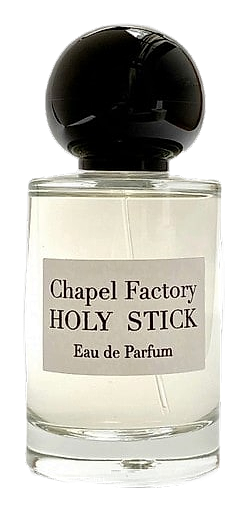
Fragrances featuring Palo Santo

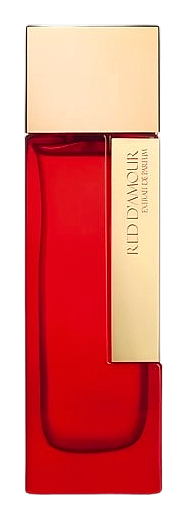
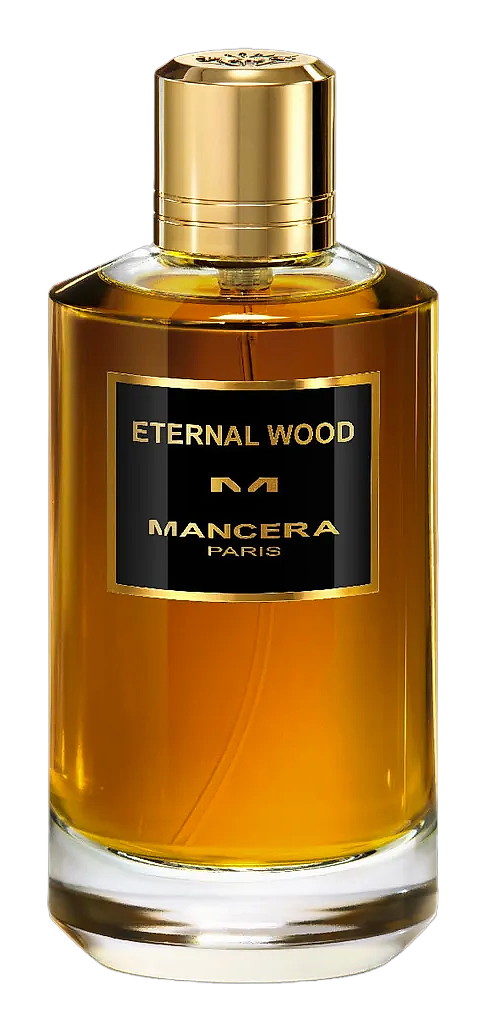

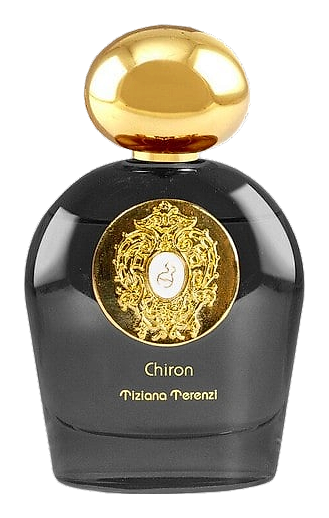
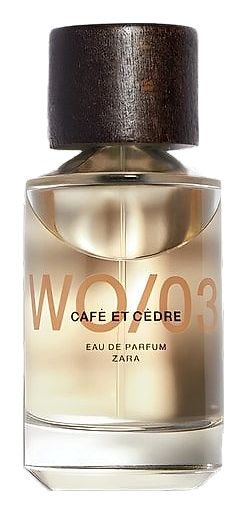
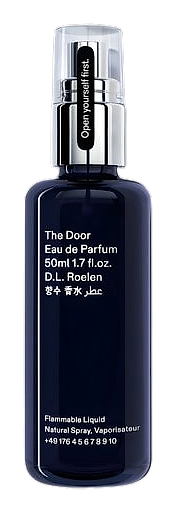
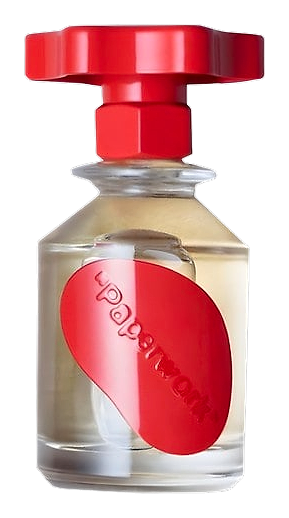
Brands
Brands known for Palo Santo
Good to know
Questions, answered
The essentials on Palo Santo in perfumery: how it smells, where it comes from, and how it behaves on skin.
What does Palo Santo smell like in perfume?
Palo Santo smells like warm wood softened by citrus peel and mint, with a dry, almost smoky undertone. Its complexity sits between frankincense and cedar, offering both brightness and depth in a single material.
Is Palo Santo oil sustainable?
Sustainability depends entirely on sourcing. Ethically produced oil uses only naturally fallen wood harvested under permits from Peruvian or Ecuadorian forests. Unsustainable versions rely on illegally cut live trees, which damage wild populations.
What is the main aromatic compound in Palo Santo?
Limonene dominates Palo Santo's chemical profile, typically comprising 50 to 70 percent of the oil. Alpha-terpineol and guaiacol contribute its woody and faintly smoky character.
Why must Palo Santo trees die before harvesting?
The aromatic compounds in Bursera graveolens develop during a post-mortem curing period lasting several years. Living trees produce little usable oil, which is why ethical harvesters collect only fallen branches and trunks.
How does Palo Santo differ from frankincense?
Palo Santo carries sweeter, woodier, and more lemony facets than frankincense, which leans toward resinous bitterness. In compositions, Palo Santo often feels warmer and less austere.
Can Palo Santo be used in natural perfumery?
Yes. Palo Santo essential oil is widely used in natural and artisan perfumery as a base or heart note. It blends especially well with citrus oils, resins, and soft woods.
Is Palo Santo safe to apply to skin?
Diluted Palo Santo oil is generally safe for topical use in perfumery. Standard dilution in carrier oil or alcohol keeps concentration low enough to avoid irritation in most people.
Where does the best Palo Santo come from?
Peru remains the most respected origin, particularly the dry forests along the northern coast and Amazonian edge. Ecuadorian Palo Santo shares similar characteristics, though Peruvian oil is often considered the benchmark.