The Story
Why it exists.
The beginning
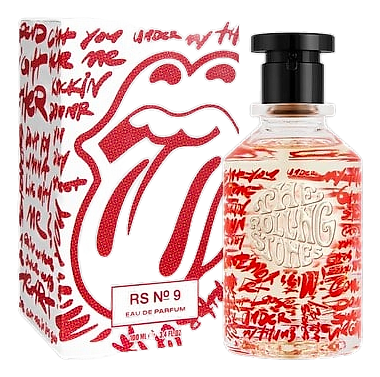
Catherine Selig built RS No.9 around a single idea: the smell of London's Soho as The Rolling Stones knew it. Bergamot and bourbon open like a stage door, bright, a little theatrical. The leather arrives unannounced in the heart, oak settling behind it like a barstool claimed for the night. Labdanum adds resin, warmth, the texture of something smoked low and slow. Nine hundred and ninety-nine bottles released exclusively in the UK and Japan in 2024. Not a volume play. A statement.
The note architecture is interesting because it refuses the expected sequence. Bourbon whiskey appears in the top, usually a drydown material, here it functions as an opener that announces intention before the composition fully reveals itself. Velvet is the connective tissue, the unexpected softness between sharp citrus and darker woods. The base doesn't fight for attention. It arrives quietly and stays longest, oud and patchouli providing the earth, musk the skin-warmth that makes people lean in instead of step back.
The evolution
The bergamot hits first, bright, almost startled by its own arrival. Within minutes, the bourbon smooths the edges while velvet keeps everything tactile, like a jacket worn long enough to forget it's leather. Bergamot doesn't disappear, it recedes, becomes a pulse underneath as leather and labdanum build. Oak anchors the middle act, dry and warm without going static. Musk arrives soft, intimate, close. Oud and patchouli layer underneath, dark without being heavy, present without projecting. The next morning: patchouli, faint and grounded. Like the cigarette someone smoked outside the venue.
Cultural impact
RS No.9 arrives as more than a fragrance, it is a statement embedded in a 2024 limited release of 999 bottles. Subversive Scents by The Rolling Stones channels the band's sixty-year legacy of musical rebellion into scent form. The composition draws from Soho's underground atmosphere and 1960s London counterculture, translating Mick Jagger and Keith Richards' aesthetic into olfactory language. The bourbon whiskey placement disrupts fragrance conventions by anchoring the top notes rather than the drydown, mirroring how The Rolling Stones disrupted rock conventions throughout their career.