Bourbon Whiskey
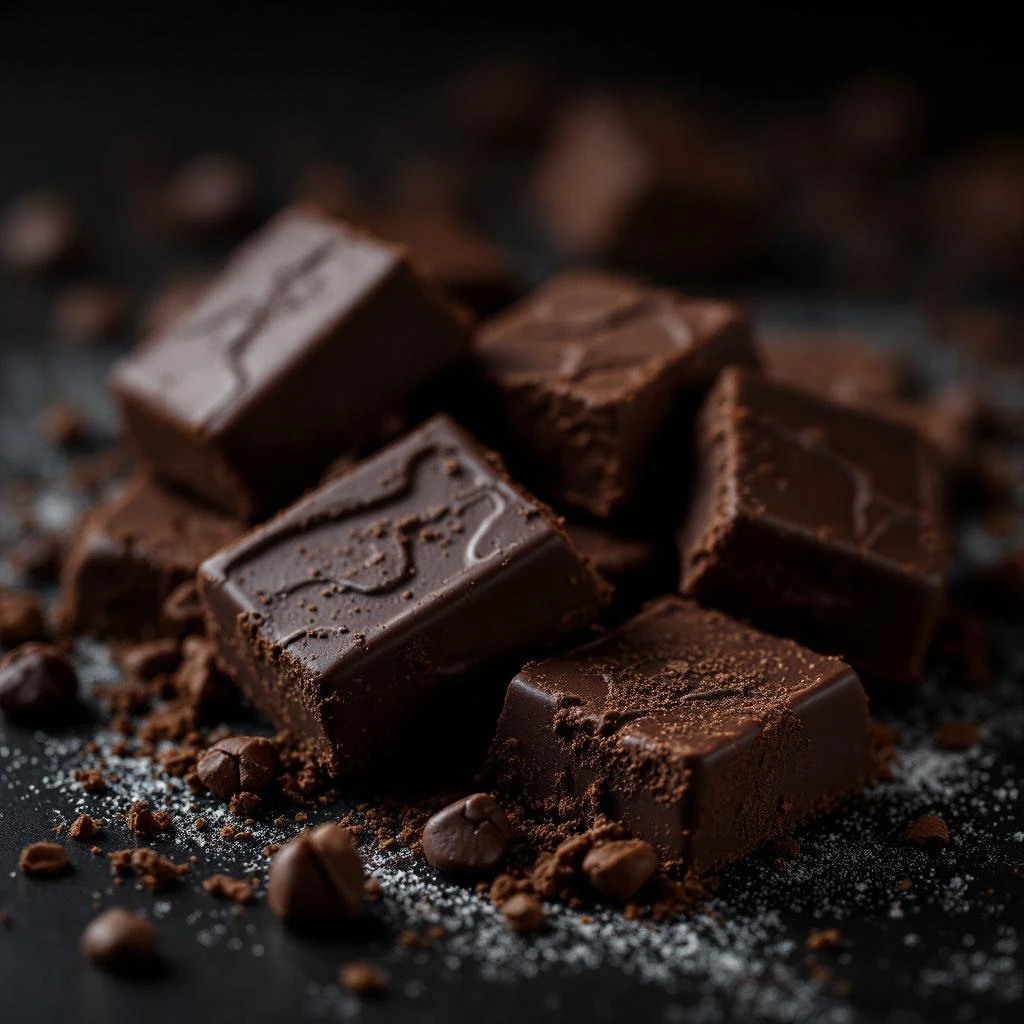
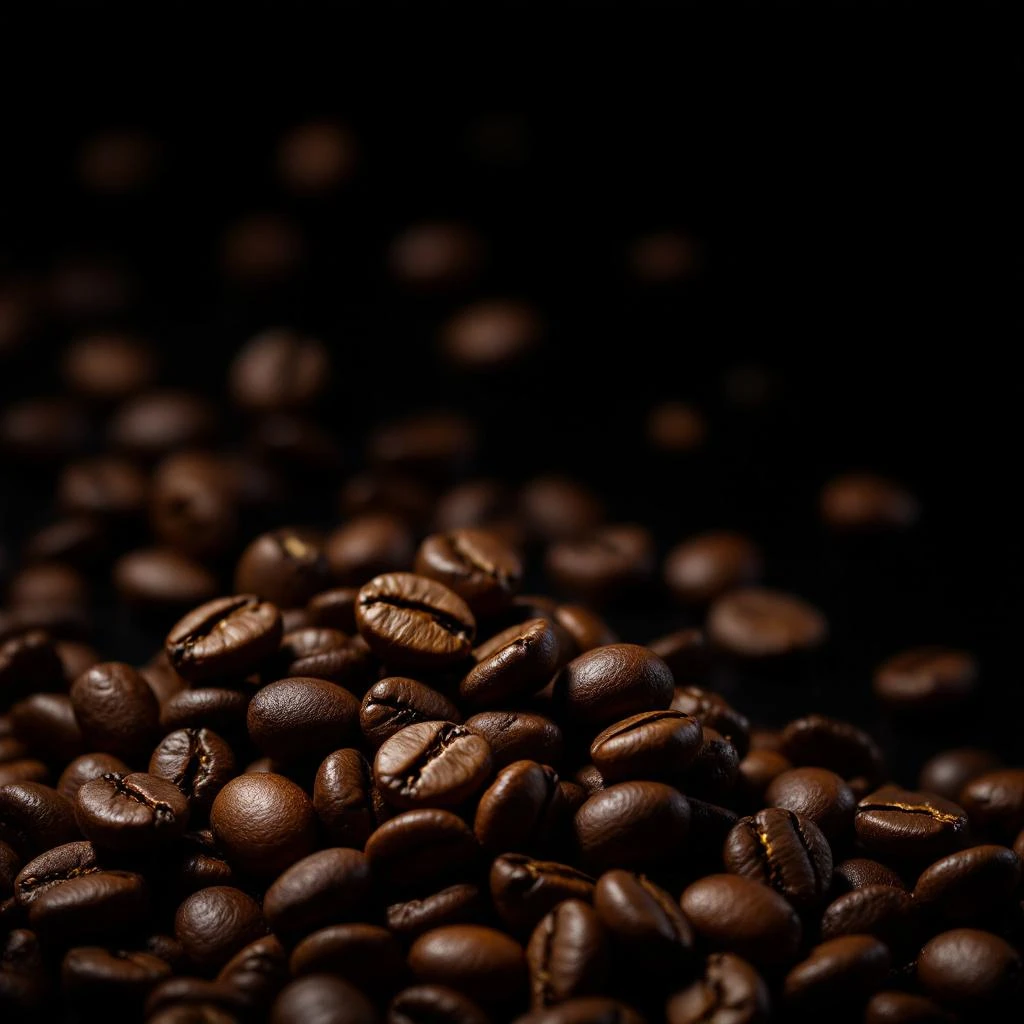
Bourbon whiskey in perfumery captures the warm, rich aroma of barrel-aged corn spirit. It delivers notes of vanilla, caramel, toffee, smoky oak, and a hint of tobacco. Perfumers use this note as a base component in oriental, amber, and leather fragrances to create depth and warmth.

Character
How it smells
Barrel-aged warmth distilled into a perfumer's palette.
By U.S. law, bourbon must contain at least 51% corn and age in new, charred oak barrels, a requirement that gives the spirit its signature vanilla and smoky character.







Origin
United States
Bourbon whiskey takes its name from the French House of Bourbon, though its true origins lie in the Ohio River Valley of early American settlement. Distillers in Kentucky and surrounding regions discovered that the area's limestone-rich water, combined with abundant white oak forests, produced exceptional whiskey when aged in new charred barrels. By the late 18th century, whiskey labeled as bourbon traveled downriver to New Orleans, cementing its reputation.
In 1964, the U. S. Congress designated bourbon as Americas native spirit, granting it legal protection.
Perfumers adopted bourbon's evocative aroma profile as a symbol of American craftsmanship and warmth, translating its cultural cachet into a sensory language of comfort, heritage, and indulgence.
Wears it best
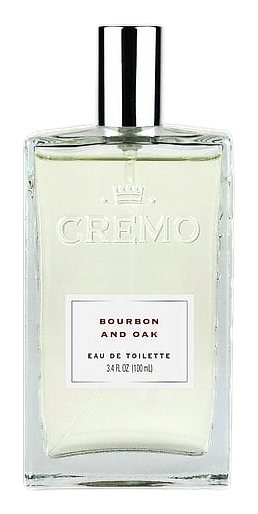
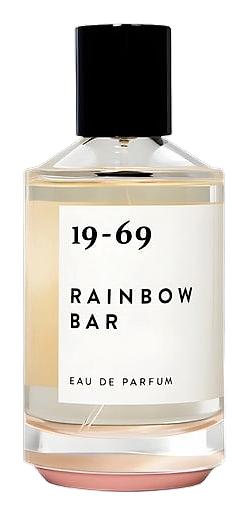
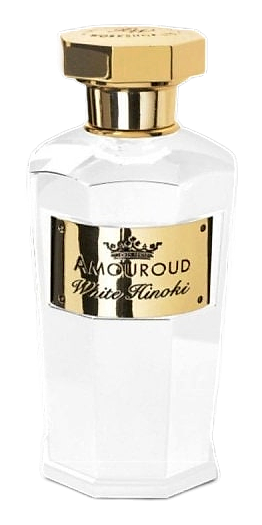
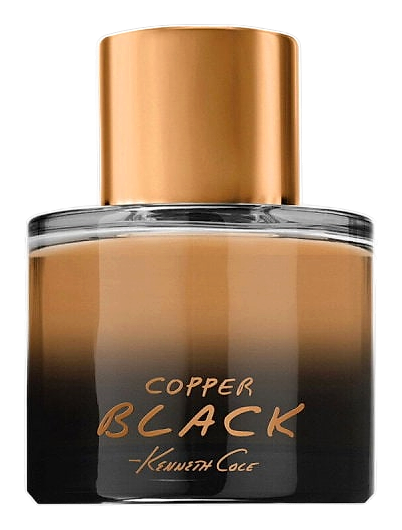
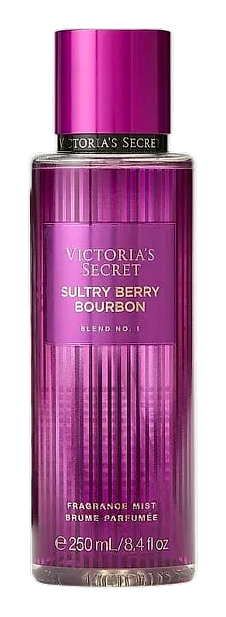
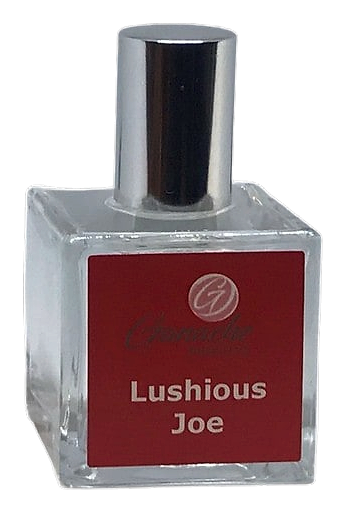
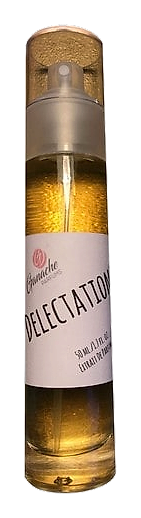
Fragrances featuring Bourbon Whiskey
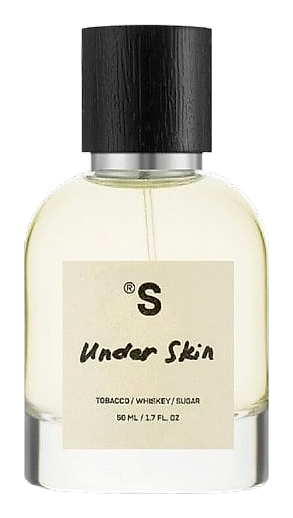
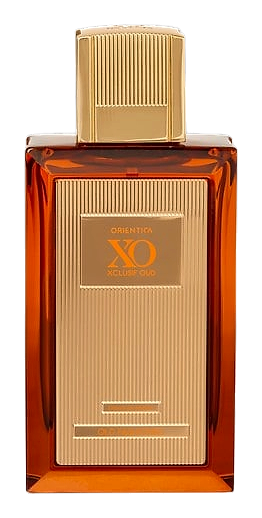
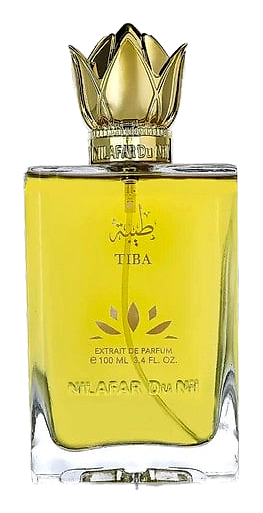
Brands
Brands known for Bourbon Whiskey
Good to know
Questions, answered
The essentials on Bourbon Whiskey in perfumery: how it smells, where it comes from, and how it behaves on skin.
What does Bourbon Whiskey smell like in perfume?
Bourbon whiskey in perfume smells warm, sweet, and woody. Typical descriptors include vanilla, caramel, honey, toasted oak, smoke, and leather. The precise character depends on the perfumer's accord, which may emphasize sweetness or smokiness depending on the fragrance family's intent.
Why is Bourbon Whiskey used in perfumery?
Bourbon whiskey conveys warmth, depth, and a sense of crafted indulgence. Its association with long aging and American heritage adds emotional resonance. Perfumers use it to anchor base compositions and provide a rich, lingering trail that develops over hours on the skin.
Is Bourbon Whiskey in perfume natural or synthetic?
Bourbon whiskey is almost always synthetic in perfumery. No natural extraction from whiskey exists at commercial scale. Perfumers build bourbon accords from natural materials like benzoin and vanilla alongside nature-identical aroma chemicals. Some niche perfumers use real bourbon as a maceration medium.
What famous perfumes contain Bourbon Whiskey?
Bourbon appears in fragrances including Tom Ford Tobacco Vanille, Kilian Back to Black, and Byredo Gypsy Water. These compositions use the note to reinforce warmth and tobacco or vanilla associations. The ingredient remains especially popular in unisex and gender-neutral niche releases.
Is Bourbon Whiskey a top note, heart note, or base note?
Bourbon whiskey functions as a base note in nearly all fragrances. Its molecular weight produces low volatility, meaning the scent emerges after 30 to 60 minutes and persists for several hours. The note anchors dry-down phases and contributes to fragrance longevity on skin.
What notes pair well with Bourbon Whiskey in perfume?
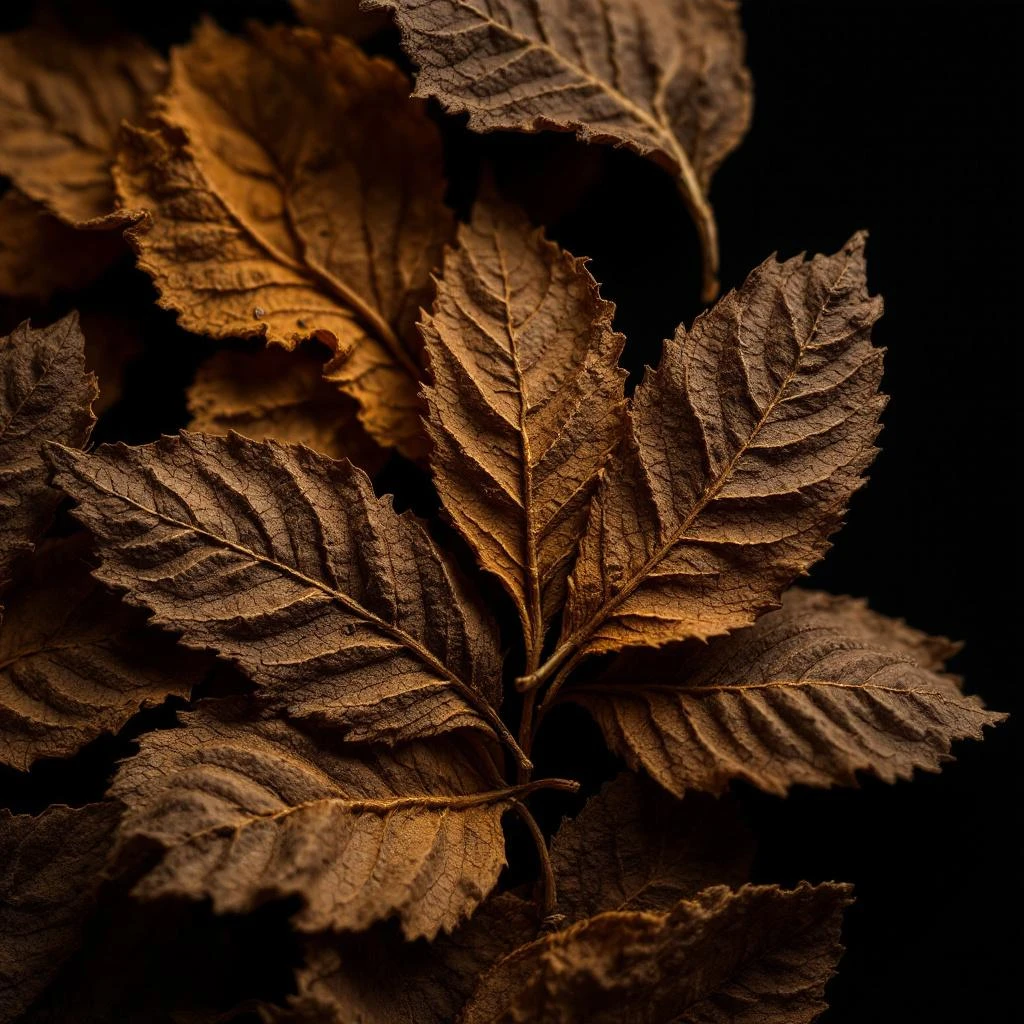
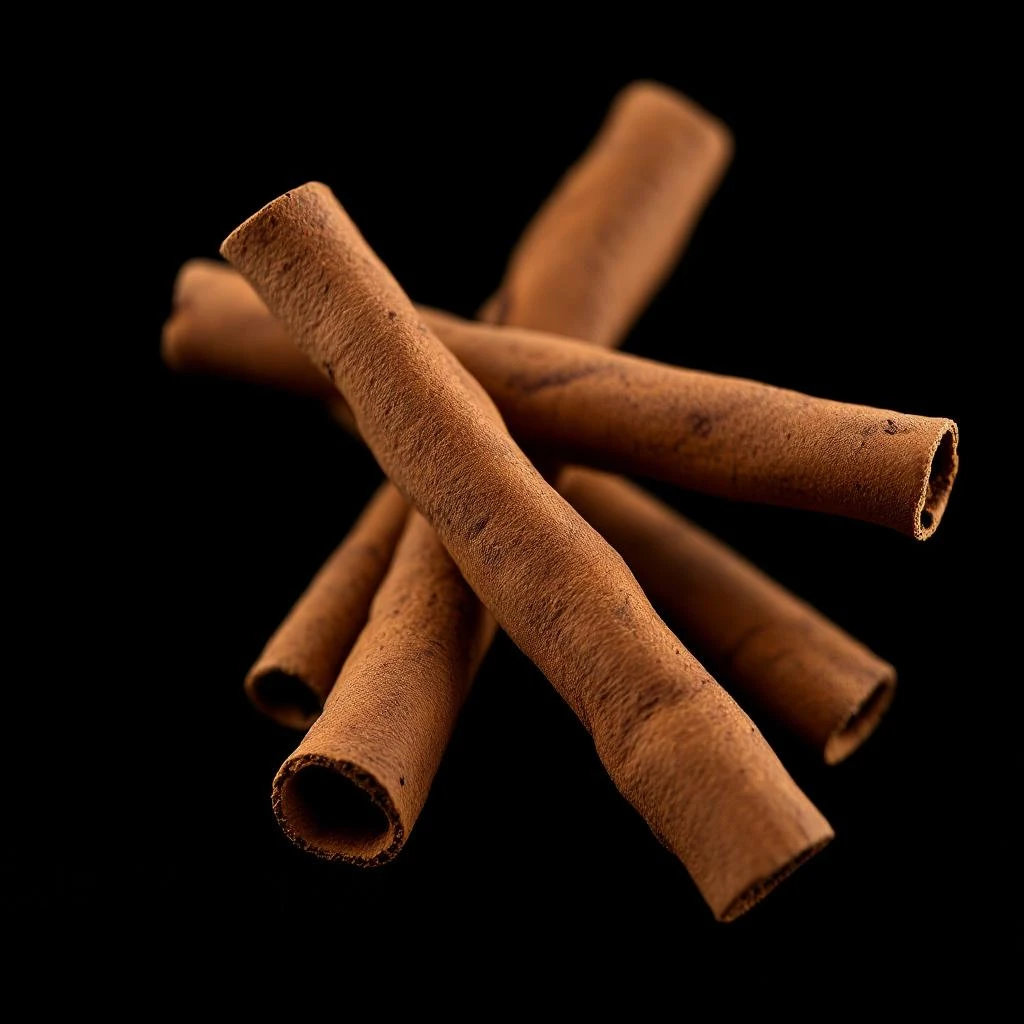
Bourbon whiskey pairs naturally with tobacco leaf, vanilla, leather, tonka bean, and warm spices like cinnamon and clove. These combinations reinforce the cozy, indulgent character. Smokier expressions may add vetiver, birch tar, or cistus labdanum for a more rugged profile.
Where does Bourbon Whiskey come from?
The bourbon inspiration originates in Kentucky, where American bourbon whiskey has been produced since the late 18th century. The region supplies the cultural and aromatic reference point that perfumers translate into synthetic accord. Kentucky produces roughly 95% of the world's bourbon supply.
Is Bourbon Whiskey used in men's or women's fragrances?
Bourbon whiskey skews toward men's and unisex fragrances but appears increasingly in women's warm and amber compositions. In 2023, 62% of fragrances featuring bourbon notes were marketed toward men, though the ingredient has expanded into shared gender territory across niche and designer categories.