
The Story
Why it exists.
The beginning
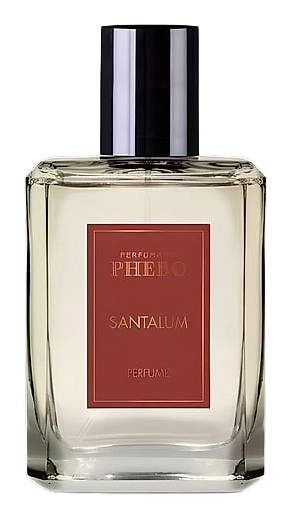
Phebo has been translating botanical richness into fragrance since 1930. Santalum, Latin for sandalwood, makes no mystery of its intention. The 2019 release from perfumer Gabriela Maldonaldo takes India's sacred tree as its anchor, but builds the story around it. Carrot seed and cardamom open with a green-spicy tension that makes the powdery heart feel earned, not assumed. The name is the brief.
What makes Santalum interesting is structural. The heart uses velvet and musk to achieve its powder, not the usual iris or heliotrope route. It's warmer, more human. Then the base layers sandalwood against frankincense in a way that feels deliberate: the resin lifts the wood, keeps it from going flat. Vetiver enters last, dry and grounding. The thanaka wood in the heart, a Burmese material rarely seen in Western fragrances, adds a quiet strangeness that separates this from straightforward sandalwood compositions.
The evolution
The opening hits green and mineral. Carrot seed brings an herbal, almost root-like quality while green notes keep things fresh. The cardamom arrives quickly, warming the edges. By the second hour the heart takes over, velvet texture, musk warmth, that powdery softness that gives Santalum its identity. The sandalwood starts its slow integration early, already present in the base even as the top notes fade. The drydown is where Santalum earns attention. Sandalwood, frankincense, and vetiver settle into something resinous and warm, with an earthy-green undertone that feels like the scent has become part of the skin rather than sitting on top of it. On the wrist the next morning: a faint trace of sandalwood and vetiver, intimate and close. The kind of presence that requires proximity to notice.
Cultural impact
Santalum positions itself within a category that has grown crowded: sandalwood as the centerpiece, powder as the texture. What separates it is the heart's use of thanaka wood, a Burmese material rarely encountered outside niche composition, and the frankincense in the base that lifts the sandalwood rather than competing with it. The fragrance speaks to a wearer who wants the material without the statement, the longevity without the sillage.
The House
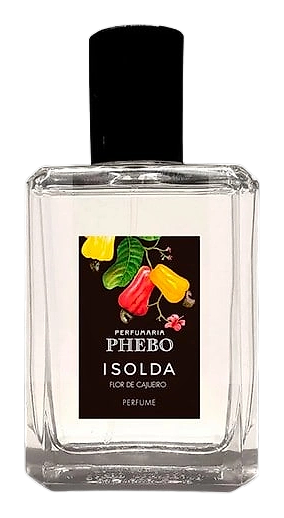
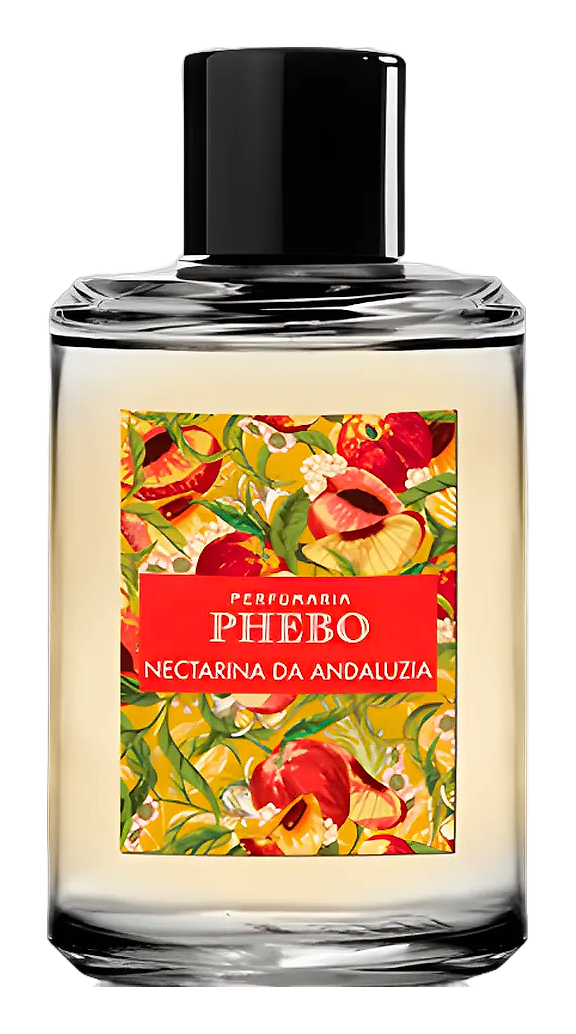
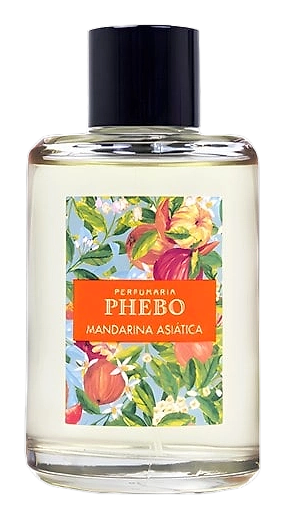
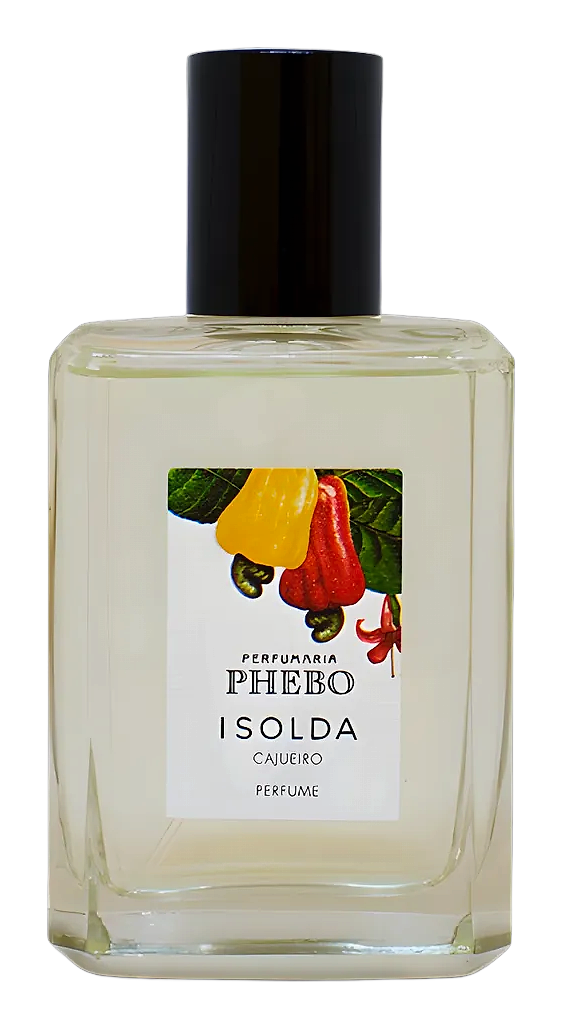
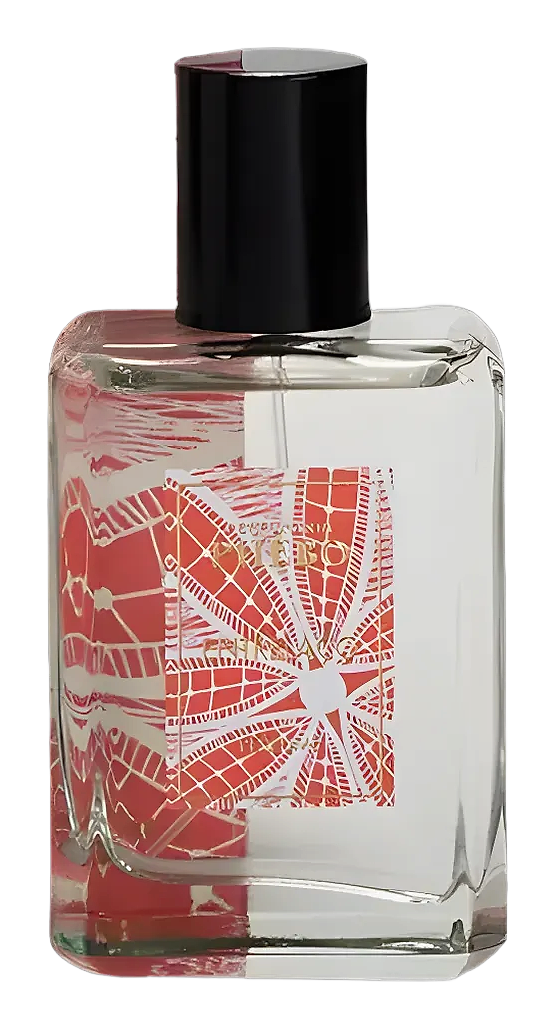
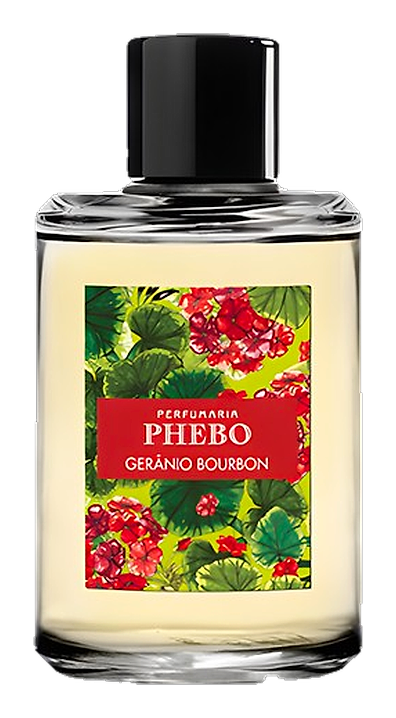
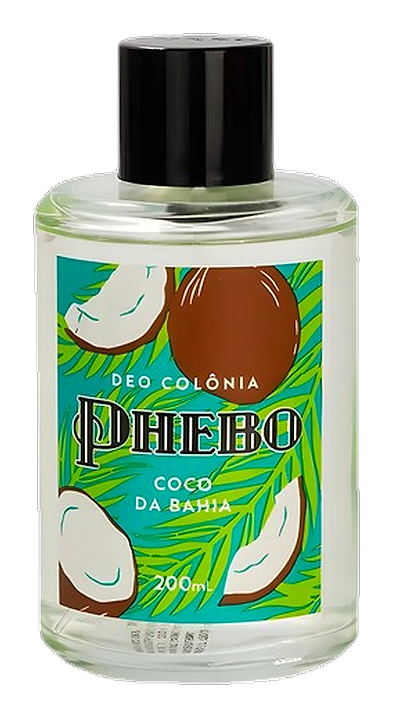
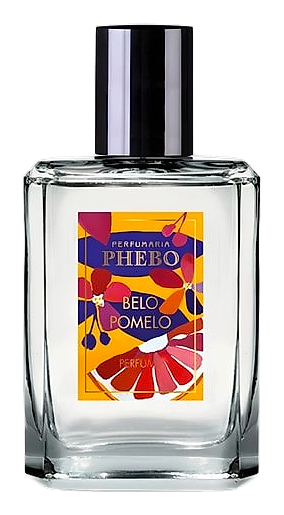
PheboPhebo is a Brazilian perfume house rooted in the Amazon city of Belém. Founded in 1930 by Portuguese cousins Antonio and Mario Santiago, the brand has built a catalogue that draws on the region’s rich botanical heritage. Its scents—such as Basílico Roxo (2026), Entrelaço (2025) and Isolda Cajueiro (2018)—mix native ingredients with classic French‑style structure, offering a bridge between South American flora and global perfumery trends. Today Phebo operates under the umbrella of Granado Pharmácias, preserving the original ethos while reaching a new generation of scent explorers.
The Creator
Gabriela MaldonaldoGabriela's stylistic signature lies in her confident handling of fruit-forward compositions and her ability to layer tropical ingredients into complex, multi-dimensional scents. She appears drawn to ingredients that carry vivid sensory associations, particularly those evoking…