The Story
Why it exists.
The beginning
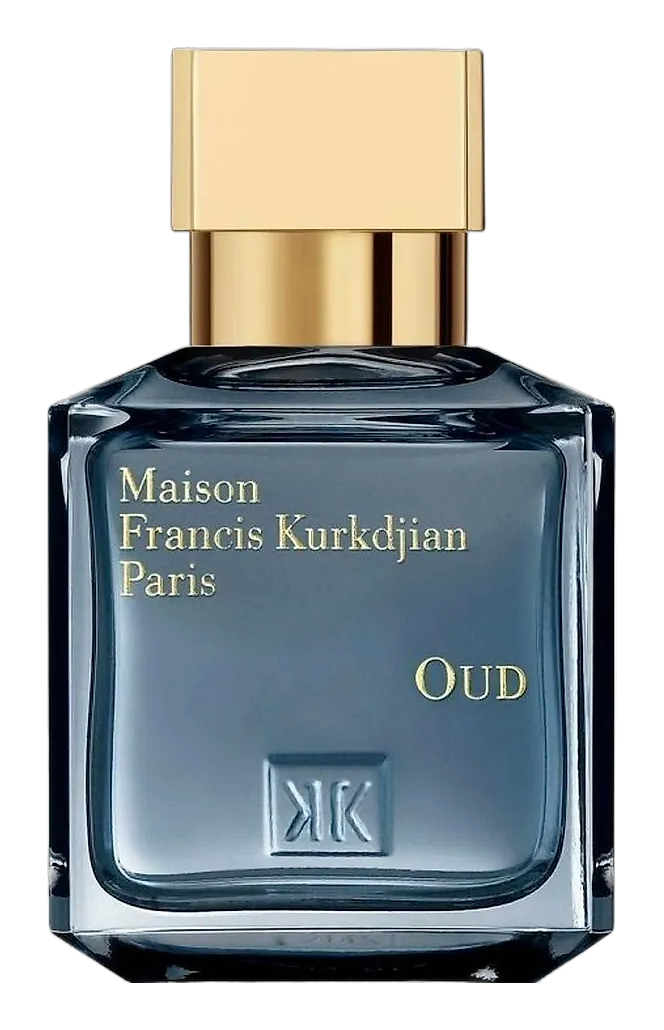
The name says everything. No metaphor, no backstory, just the material itself, distilled. Oud arrived from the house with a clear intention: to present this treasured note without the usual layers of sweetness and theatrical darkness that have come to define so many interpretations. Where others lean into richness and heaviness, this composition finds its character elsewhere. The approach is spare and deliberate, building around the central note rather than burying it beneath an avalanche of precious materials. It's the kind of fragrance that feels inevitable rather than decorated, confident in its restraint and committed to clarity above all else.
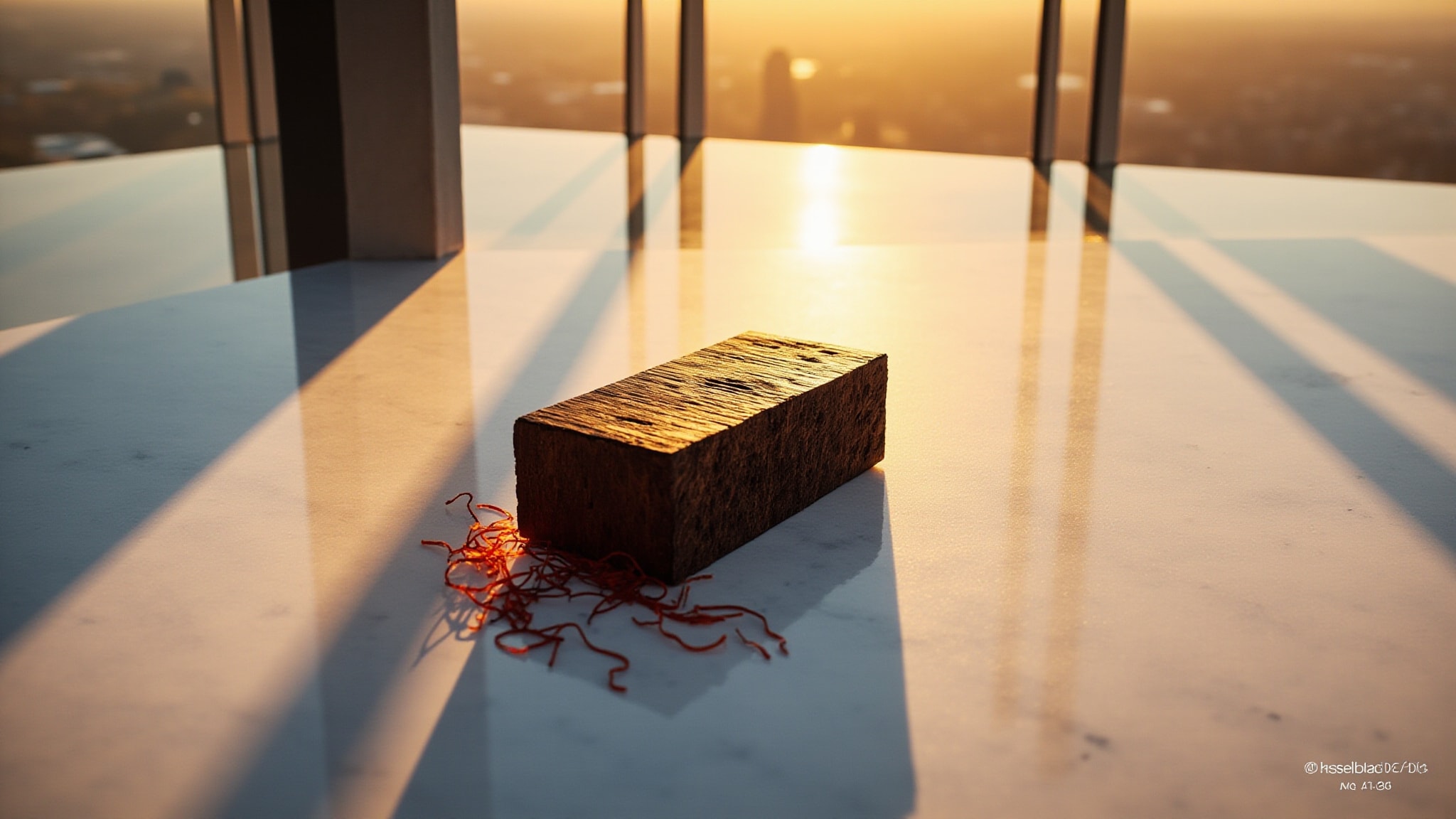
The composition starts with oud at its foundation and builds outward from there, keeping the central note present and legible throughout. Bergamot and lavender open the sequence with unexpected freshness, their crispness tempering the wood's natural depth before the heart begins to unfold. Cinnamon leaf brings a warm spice that lifts rather than sweetens, while atlas cedar provides structure without sharpness. In the base, guaiac wood and patchouli create darkness without heaviness, their woody-earthy quality anchoring the composition downward.
The evolution
The opening arrives with bergamot's bright citrus quality and lavender's cool herbal character, a surprisingly fresh start for a fragrance built around oud. Brief, though. The citrus fades quickly, and the heart begins to reveal itself. Jasmine emerges with its indolic floral warmth, while papyrus adds a dry, papery quality that keeps everything grounded. Cinnamon leaf continues its warm spice through the middle phase, weaving between the florals and woods. The base arrives gradually, oud and guaiac wood creating something denser and smokier than either manages alone, with patchouli pulling the composition downward into earth. Labdanum adds its resinous depth, and vanilla rounds the edges with soft warmth. The drydown settles into dry, woody warmth that remains close to the skin for hours, revealing itself slowly rather than announcing itself loudly.
Cultural impact
Oud has been treasured in perfumery for centuries, valued for its deep, complex aroma that evokes aged wood, smoke, and subtle sweetness. This interpretation takes that storied material and presents it in a refined, modern context. The composition honors the note's rich heritage while making it accessible to contemporary sensibilities. It's neither a traditional incense presentation nor a Westernized softening, but something in between. The fragrance speaks to both those familiar with oud's history and newcomers curious about its character, bridging appreciation and discovery in a single bottle.