Cinnamon Leaf
Cinnamon Leaf essential oil delivers warm, spicy intensity with an eugenol-forward character that differs markedly from bark oil. Its aromatic profile is sharper, more herbal, and less sweet, offering woody depth with subtle clove-like facets. As a fixative in oriental, spicy, and woody compositions, it enhances longevity and adds aromatic complexity. The oil also serves as a natural preservative in functional fragrances.
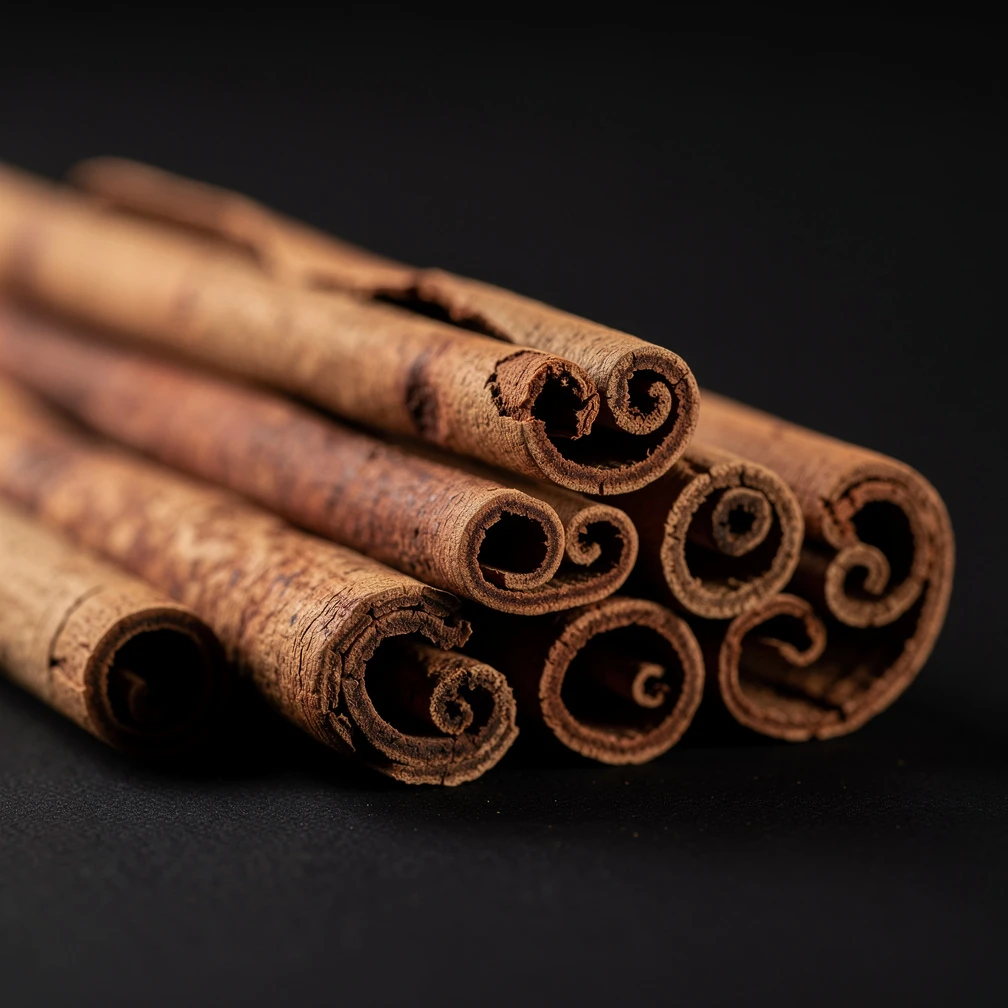
Character
How it smells
Warm eugenol-rich spice from Ceylon's storied island shores.
Cinnamon leaf oil contains approximately 75% eugenol, making it chemically closer to clove oil than to cinnamon bark oil, which is dominated by cinnamaldehyde.







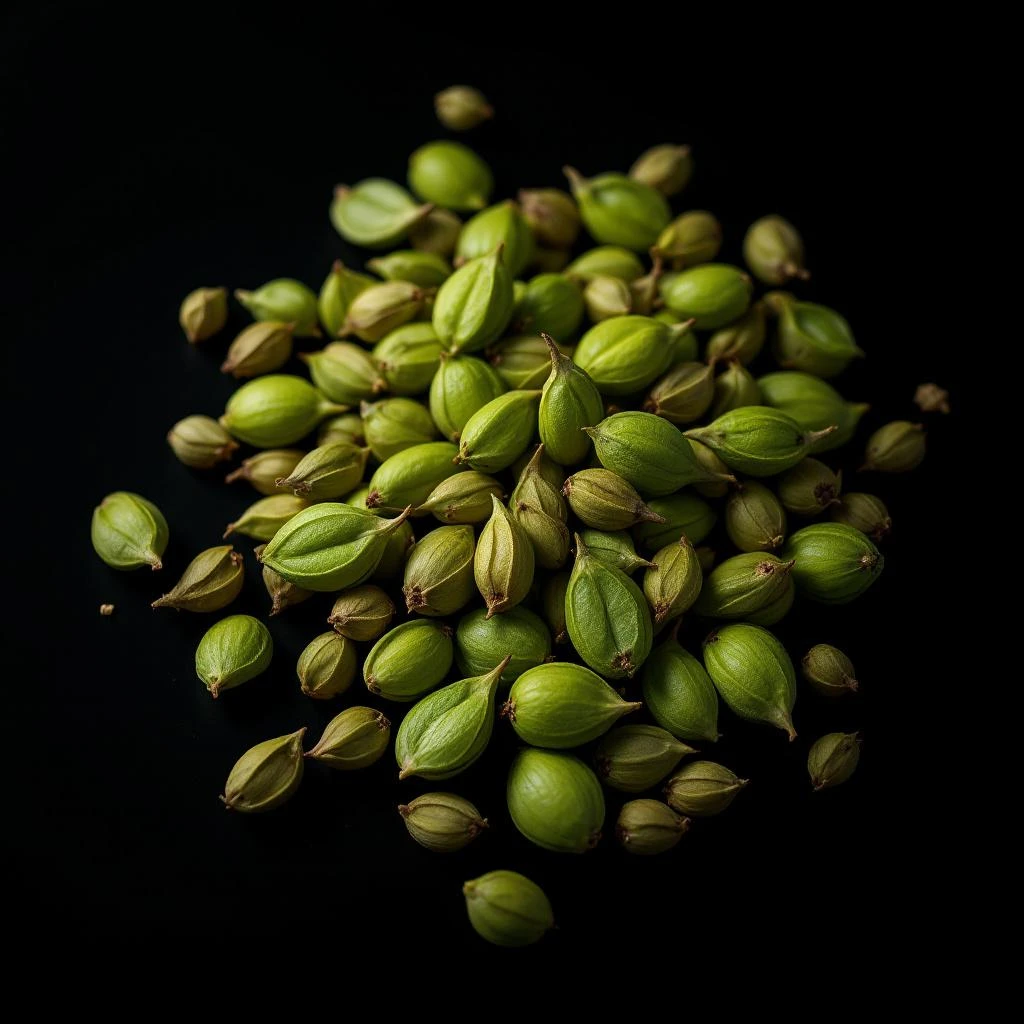

Origin
Sri Lanka
Sri Lanka's relationship with cinnamon spans over two millennia, beginning with Arab traders who controlled access to the island's prized spice long before European powers arrived. The Portuguese, Dutch, and British each recognized Ceylon cinnamon's superiority over cheaper cassia alternatives, making the island a strategic colonial prize. During this era, cinnamon leaf oil emerged as an important commercial by-product, discovered when distillers processed the leaves that previously went to waste after bark harvest.
Ancient medicinal texts documented cinnamon's warming properties, but perfumers gradually incorporated both bark and leaf oils into their palettes, drawn to the spice's ability to add warmth and character to complex blends. The trade routes that once carried quills to European apothecaries now transport distilled leaf oil to fragrance manufacturers worldwide, continuing a relationship between island and scent that began in antiquity.
Wears it best
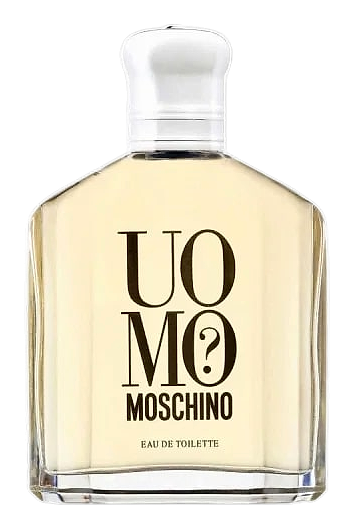
Fragrances featuring Cinnamon Leaf

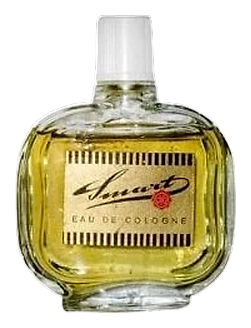
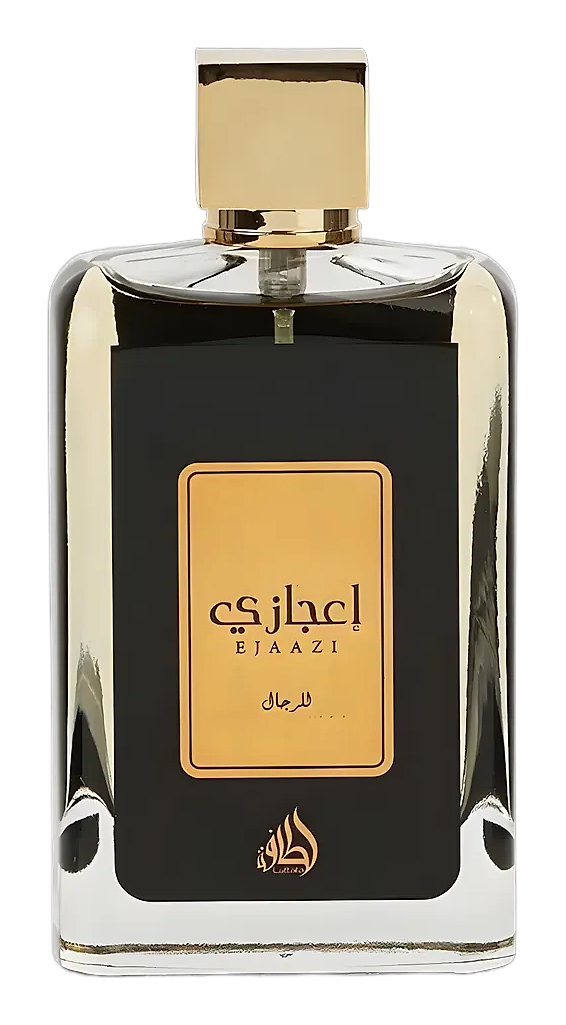
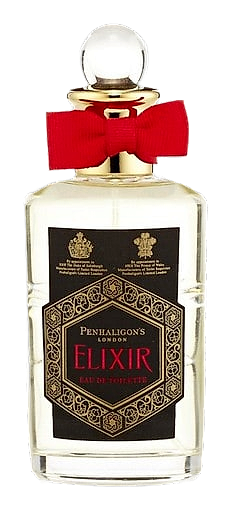

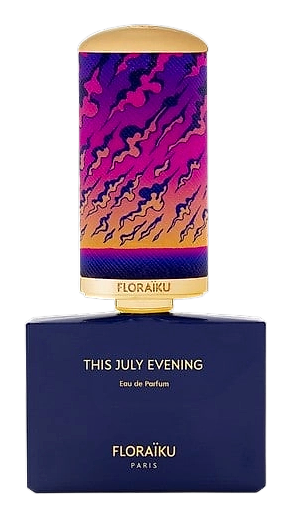
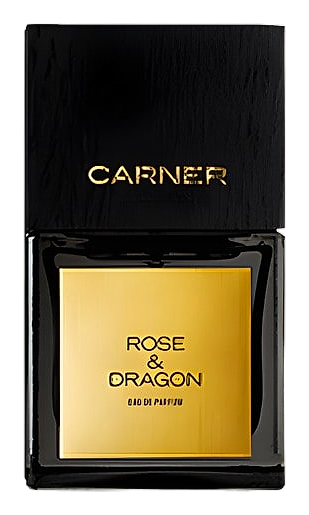
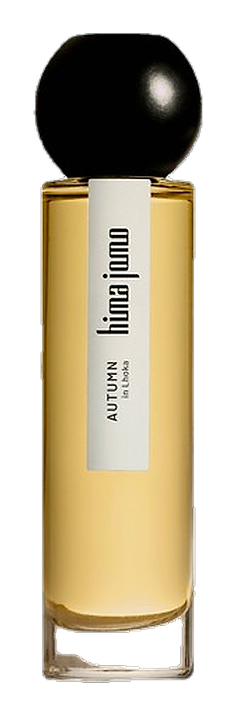
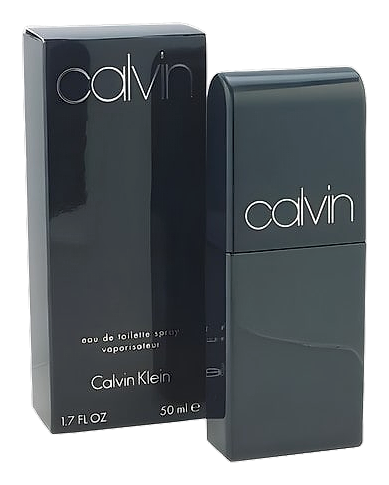
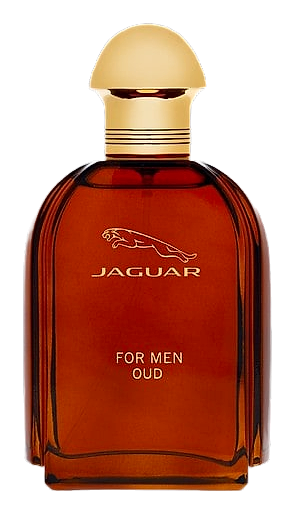
Brands
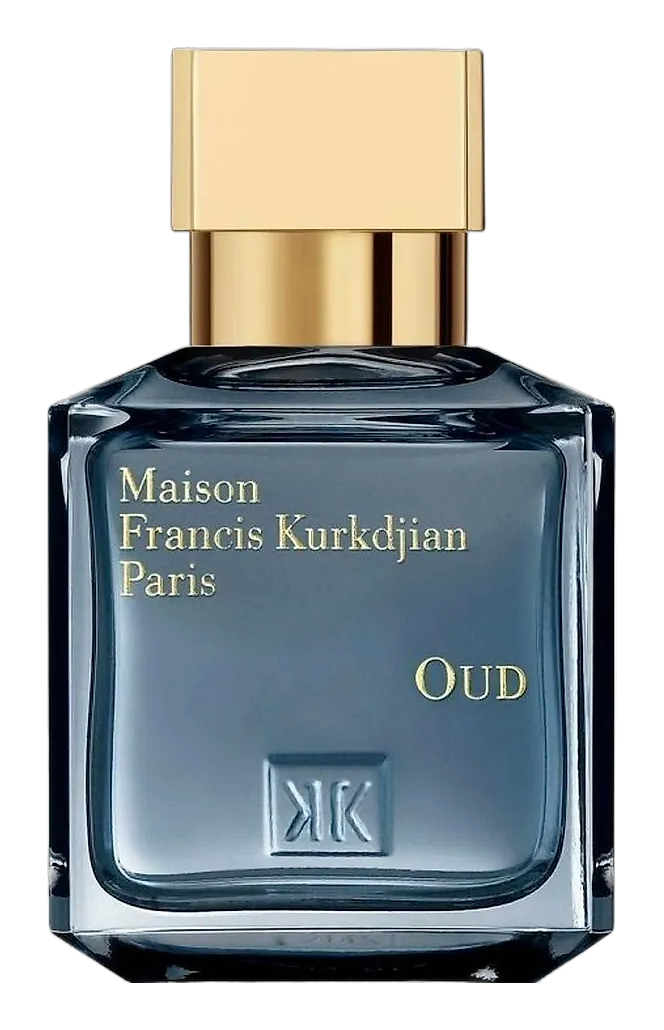
Brands known for Cinnamon Leaf
Good to know
Questions, answered
The essentials on Cinnamon Leaf in perfumery: how it smells, where it comes from, and how it behaves on skin.
What does Cinnamon Leaf smell like in perfume?
Cinnamon leaf oil smells warm, spicy, and aromatic with dominant eugenol character. Unlike the sweet cinnamaldehyde notes of bark oil, leaf oil has sharper, more herbal qualities with subtle woody and clove-like undertones. It adds depth without overwhelming a composition.
Why is Cinnamon Leaf used in perfumery?
Cinnamon leaf oil serves as both a fragrance ingredient and natural fixative. Its eugenol content (approximately 75%) adds warmth and permanence to oriental and spicy compositions. Perfumers value it for enhancing aromatic complexity while helping lighter notes linger on the skin.
Is Cinnamon Leaf in perfume natural or synthetic?
Cinnamon leaf oil in perfumery is typically natural, extracted via steam distillation from Cinnamomum verum leaves. Synthetic eugenol exists and is used in some mass-market fragrances, but luxury and niche houses predominantly use natural-derived leaf oil for its more complex aromatic profile.
What famous perfumes contain Cinnamon Leaf?
While fragrance houses rarely disclose specific ingredients, cinnamon leaf oil appears in numerous oriental and spicy fragrances across the market. It pairs particularly well with rose, vanilla, sandalwood, and other warm bases found in popular scent profiles from brands like Tom Ford, Serge Lutens, and Dior.
Is Cinnamon Leaf a top note, heart note, or base note?
Cinnamon leaf oil functions primarily as a heart-to-base note ingredient. Its spiciness surfaces in the dry-down rather than initial spray, and eugenol's molecular weight provides moderate tenacity. The oil bridges top note brightness with lingering warmth in the composition's foundation.
What notes pair well with Cinnamon Leaf in perfume?
Cinnamon leaf oil harmonizes with warm, resinous, and woody materials including sandalwood, cedar, benzoin, and vanilla. Floral companions like rose and jasmine soften its sharpness. Citrus top notes and oriental bases like amber create balanced compositions that showcase the leaf oil's aromatic range.
How is Cinnamon Leaf extracted?
Cinnamon leaf oil is extracted via steam distillation, the industry standard for essential oil production. Fresh or partially dried leaves are subjected to steam, which ruptures oil glands and carries volatile compounds to a condenser. The resulting mixture separates into oil and hydrosol, yielding approximately 0.5 to 1% oil by weight.
Is Cinnamon Leaf used in men's or women's fragrances?
Cinnamon leaf oil is unisex in modern perfumery. Its warm, spicy character suits masculine fragrance families (woods, leathers, orientals) as readily as it enhances feminine orientals and spicy florals. The ingredient's versatility across gender categories reflects broader industry trends away from rigid fragrance gendering.