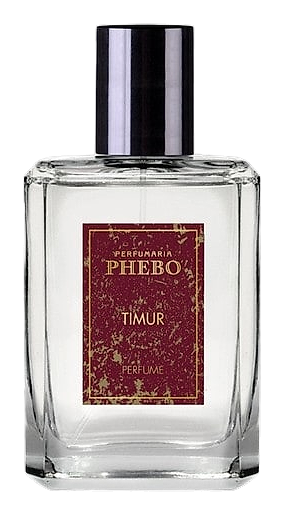

The Story
Why it exists.
The beginning
Serge Majoullier designed Timur in 2019 as a study in contrast. The name comes from the Timur pepper, a wild shrub native to the Himalayas, harvested by hand in Nepal at altitudes where the air thins and the berries develop their peculiar character. Unlike true pepper, the Timur plant belongs to the citrus family. Its flavor reads as grapefruit, wood, and something faintly sour all at once. Majoullier built the composition around that ambiguity, letting the berry's natural contradictions define the fragrance's personality from the first spray.
What makes Timur unusual is how the top accord holds. Most spicy-citrus fragrances use brightness as a door, something to get past on the way to the heart. Here, the grapefruit and Timur pepper don't surrender easily. The cardamom adds a warm counterweight that prevents the opening from reading as merely sharp, while the magnolia in the heart introduces a quiet floral cool that the composition earns rather than announces. Cashmere wood bridges everything, adding softness without diluting the structure.
The evolution
The first twenty minutes belong to the Timur pepper. Its citrus-woody character dominates over the grapefruit, creating an opening that is simultaneously fresh and warm, a paradox the fragrance never fully resolves, only deepens. Cardamom weaves through, adding aromatic depth that prevents the top from feeling like a single note. By the second hour, the lavender arrives. Not the lavender of soap or sachets, something greener, more alive. Magnolias appear as a quiet swell beneath, offering a cool floral counterweight that steadies everything. The cashmere wood softens the edges without losing the structure. The drydown belongs to the vetiver. Earthy, slightly smoky, it lingers longer than anything else in the composition. Patchouli and amber hold the base, creating a warm finish that stays close to the skin but persists for six to eight hours on most wearers. The next morning, a faint trace of vetiver remains, rooty, calm, the scent of something that settled in rather than announced itself.
Cultural impact
Timur represents an interesting cultural bridge between East and West. The Timur pepper, a key ingredient, has deep roots in Central Asian and Chinese cuisine, known for its distinctive citrusy bite and tingling sensation. Phebo, a heritage Brazilian brand, cleverly incorporates this ingredient to create a fragrance that speaks to global connectivity. In Brazil, where fragrance culture is deeply personal and tied to identity, this cross-cultural approach reflects the country's diverse influences and growing international fragrance market.
The House
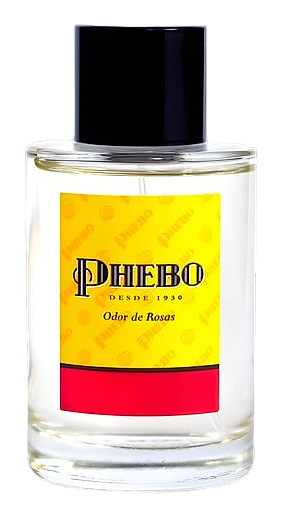
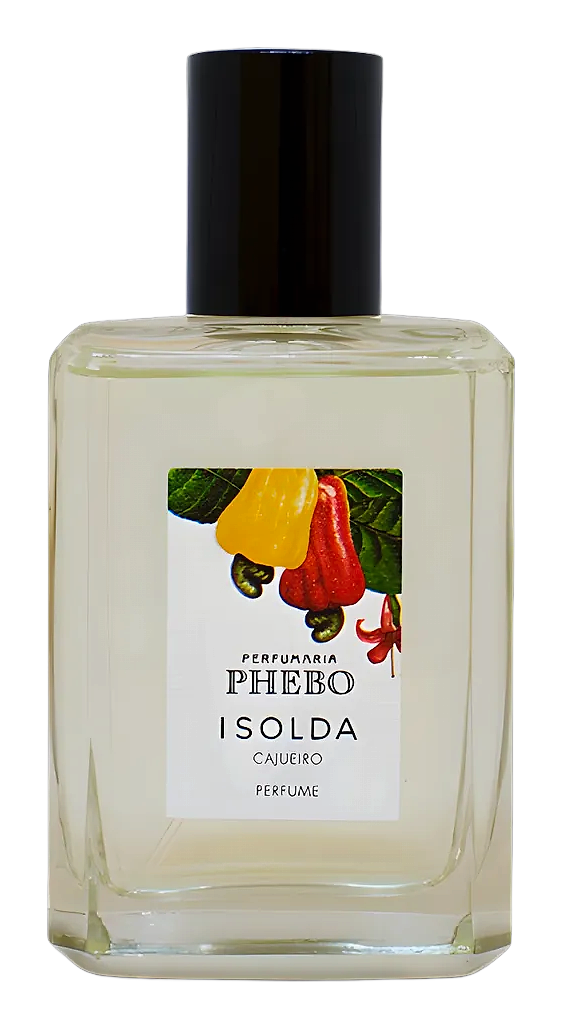
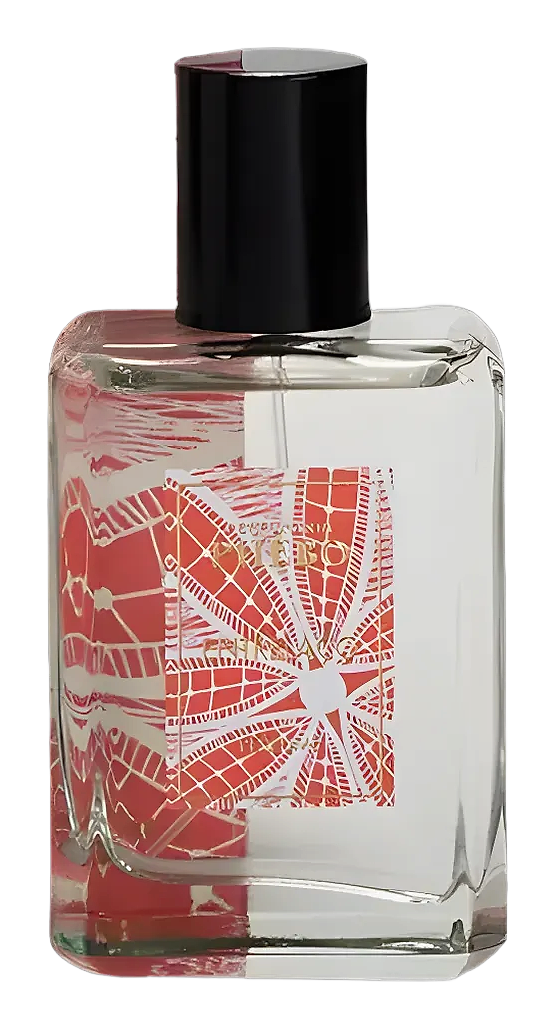
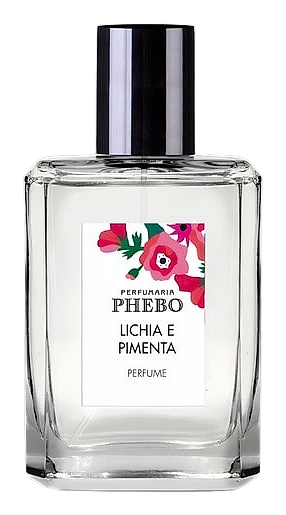
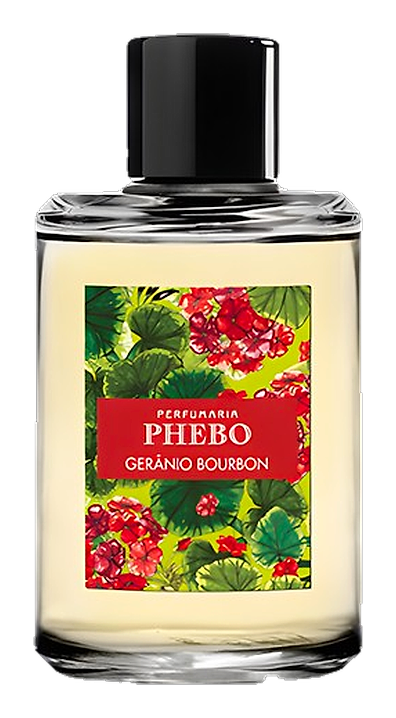
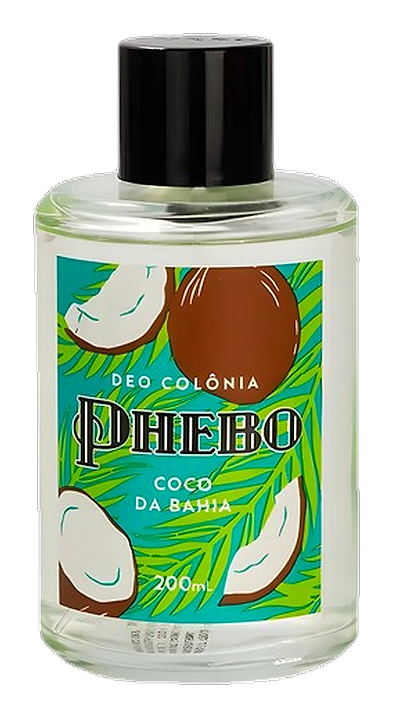
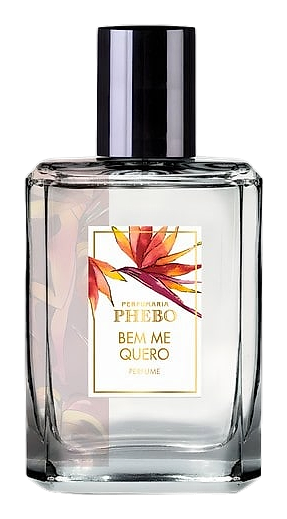
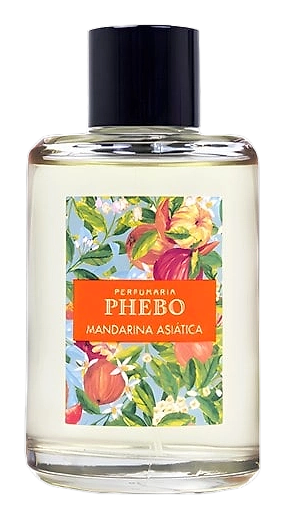
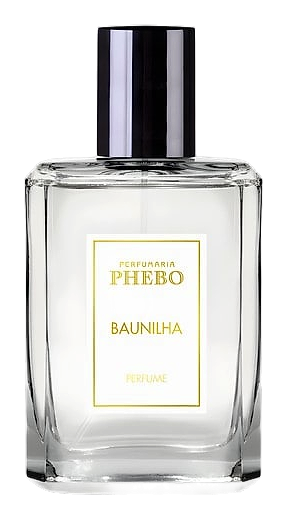
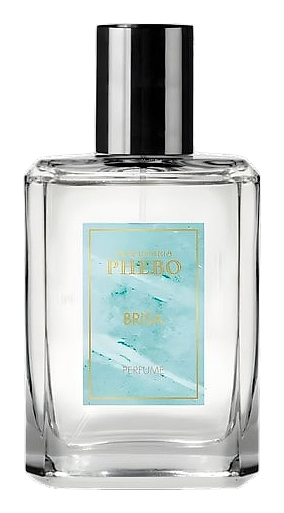
PheboPhebo is a Brazilian perfume house rooted in the Amazon city of Belém. Founded in 1930 by Portuguese cousins Antonio and Mario Santiago, the brand has built a catalogue that draws on the region’s rich botanical heritage. Its scents—such as Basílico Roxo (2026), Entrelaço (2025) and Isolda Cajueiro (2018)—mix native ingredients with classic French‑style structure, offering a bridge between South American flora and global perfumery trends. Today Phebo operates under the umbrella of Granado Pharmácias, preserving the original ethos while reaching a new generation of scent explorers.
The Creator
Serge MajoullierMajoullier operates comfortably in both maximalist and refined registers. His work spans the lush caramel vanilla of Viktor & Rolf Bonbon to the precise, tea-driven minimalism of the Jo Malone Rare Teas collection, a six-fragrance series including Silver Needle, Oolong, and Mi…