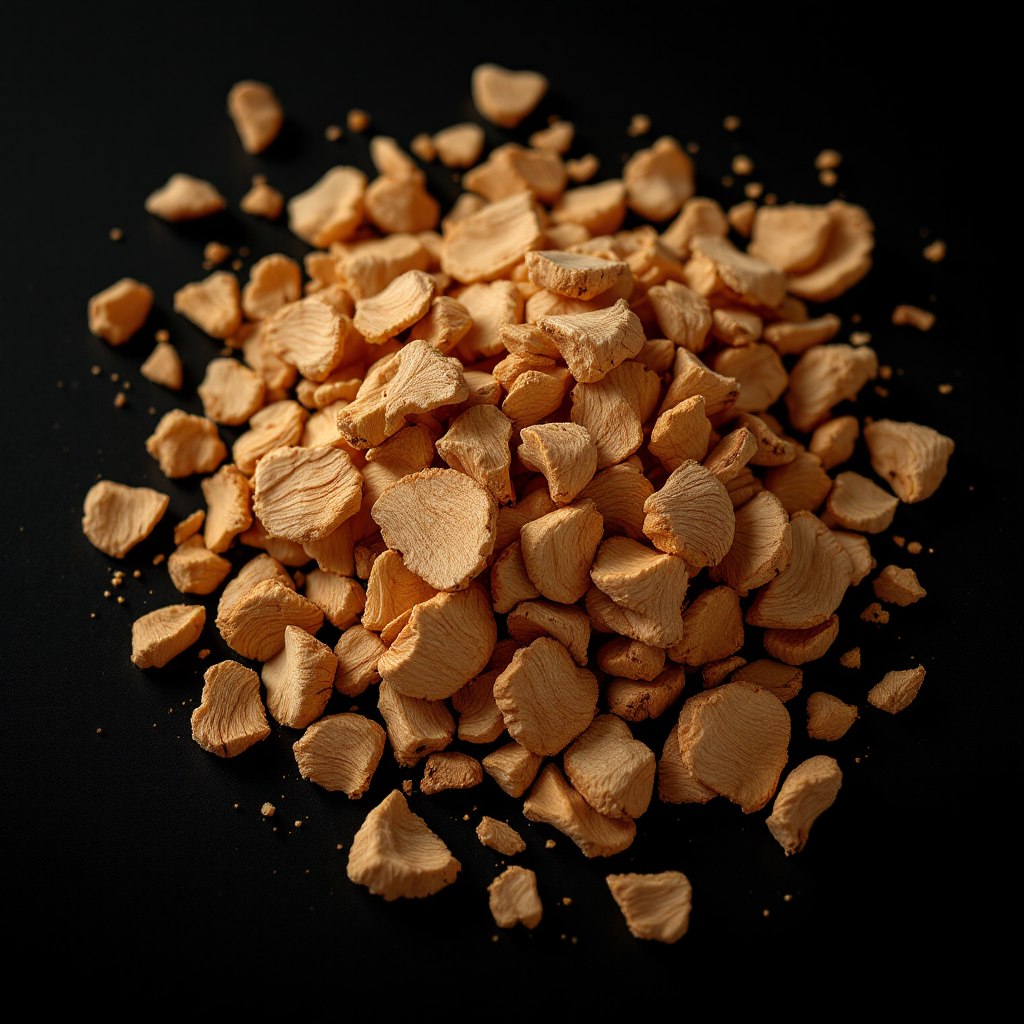
Thanaka Wood
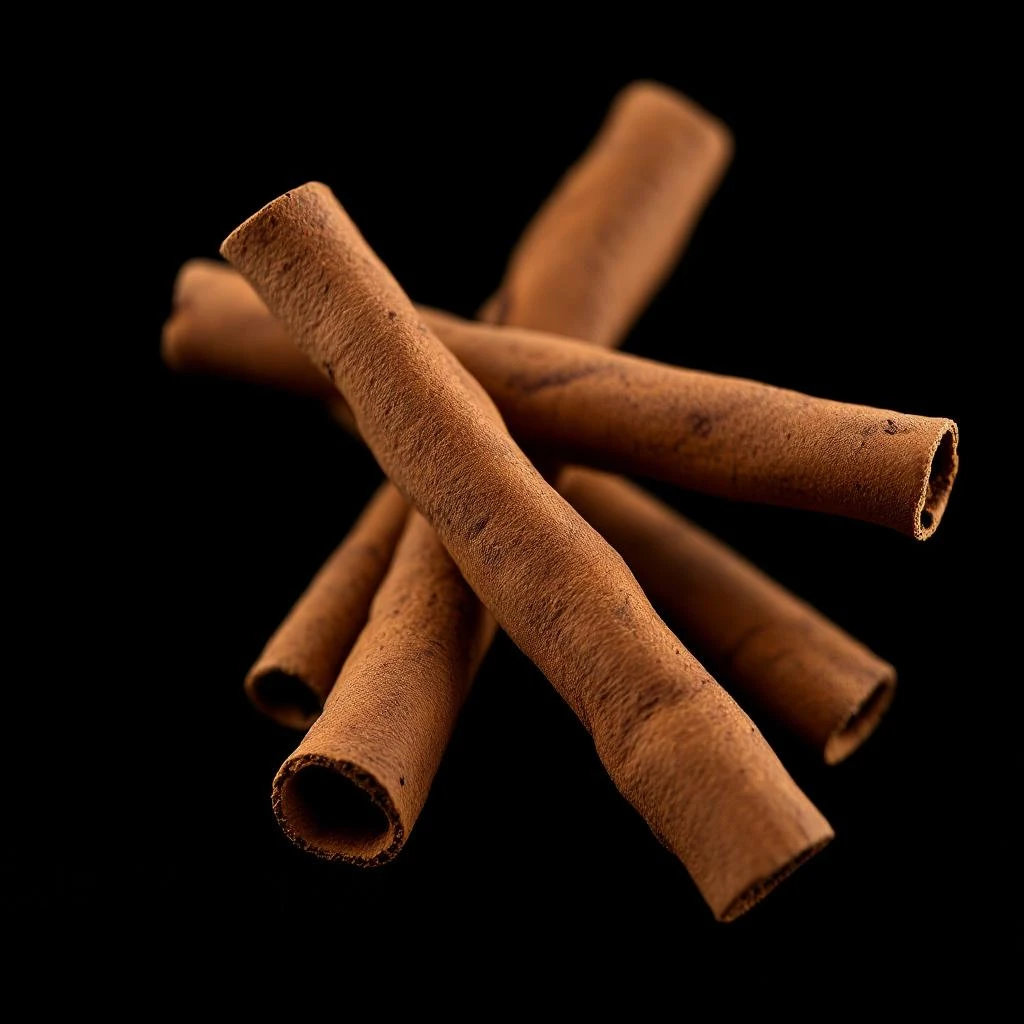
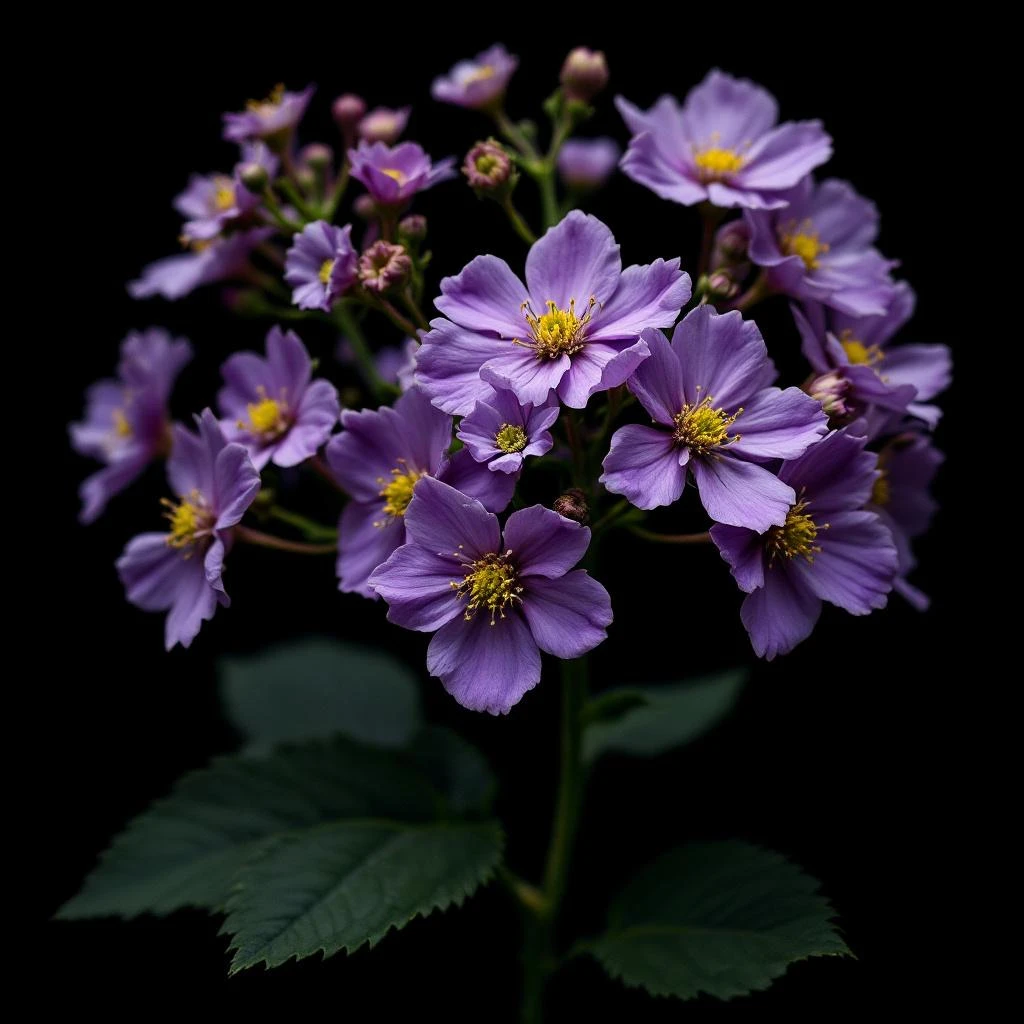
Thanaka Wood offers a warm, creamy sandalwood-like fragrance with subtle citrus and floral nuances. Sourced from Limonia acidissima trees in Myanmar, this traditional ingredient has graced Burmese skin care rituals for over two millennia as both perfumer's treasure and protective balm.
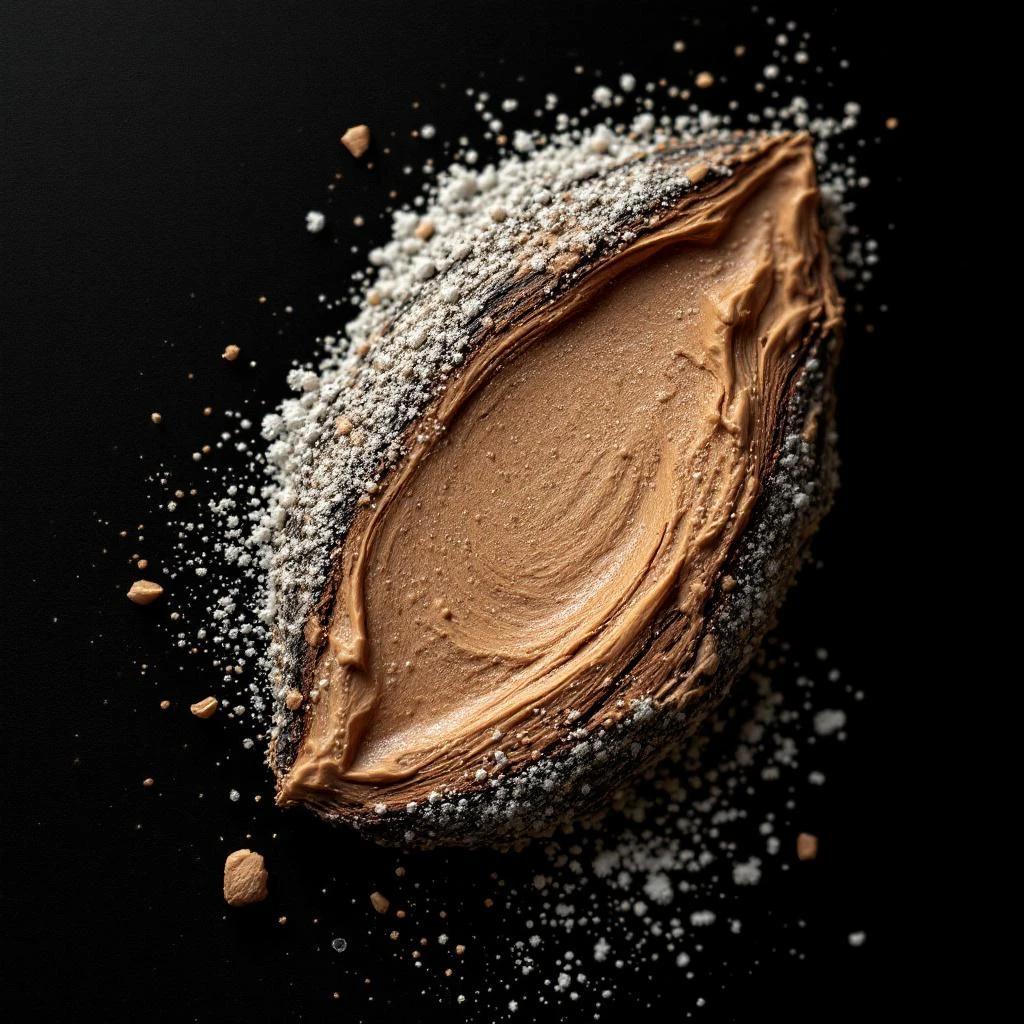
Character
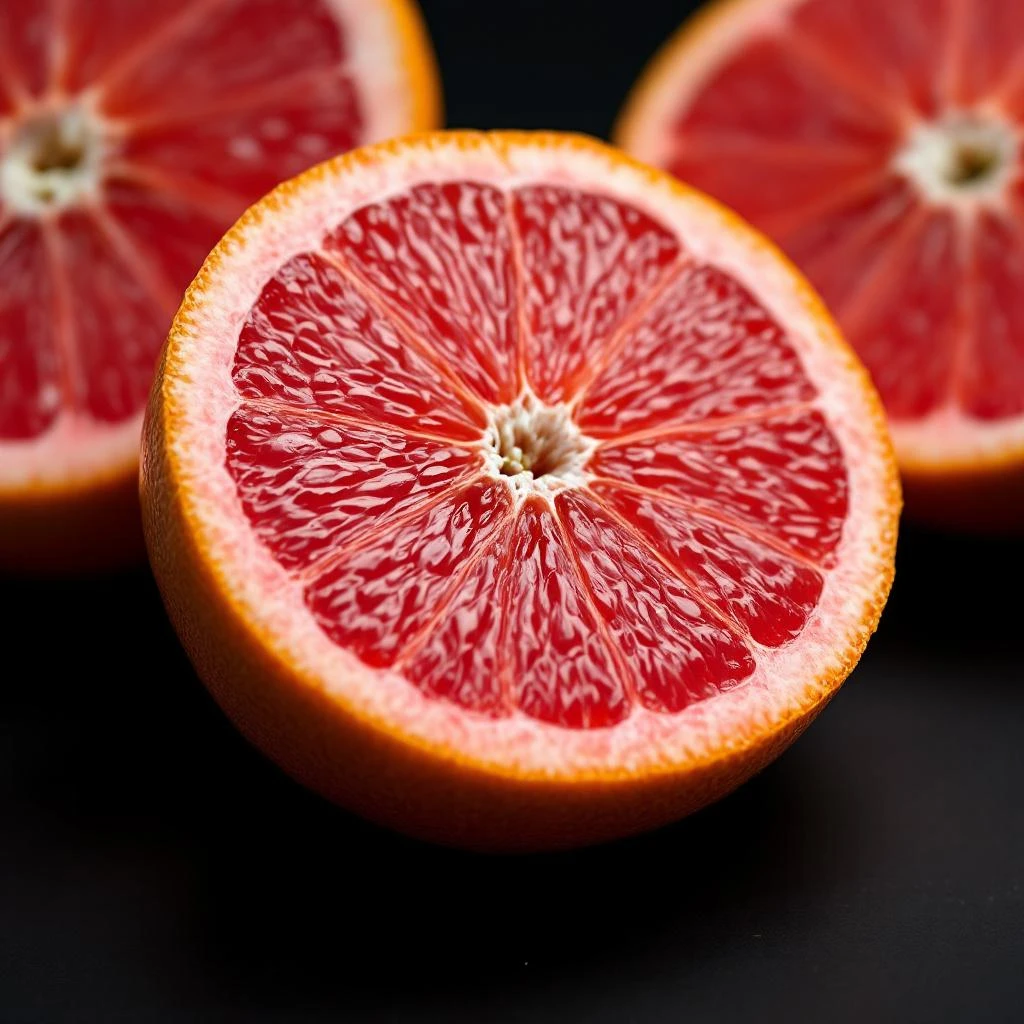
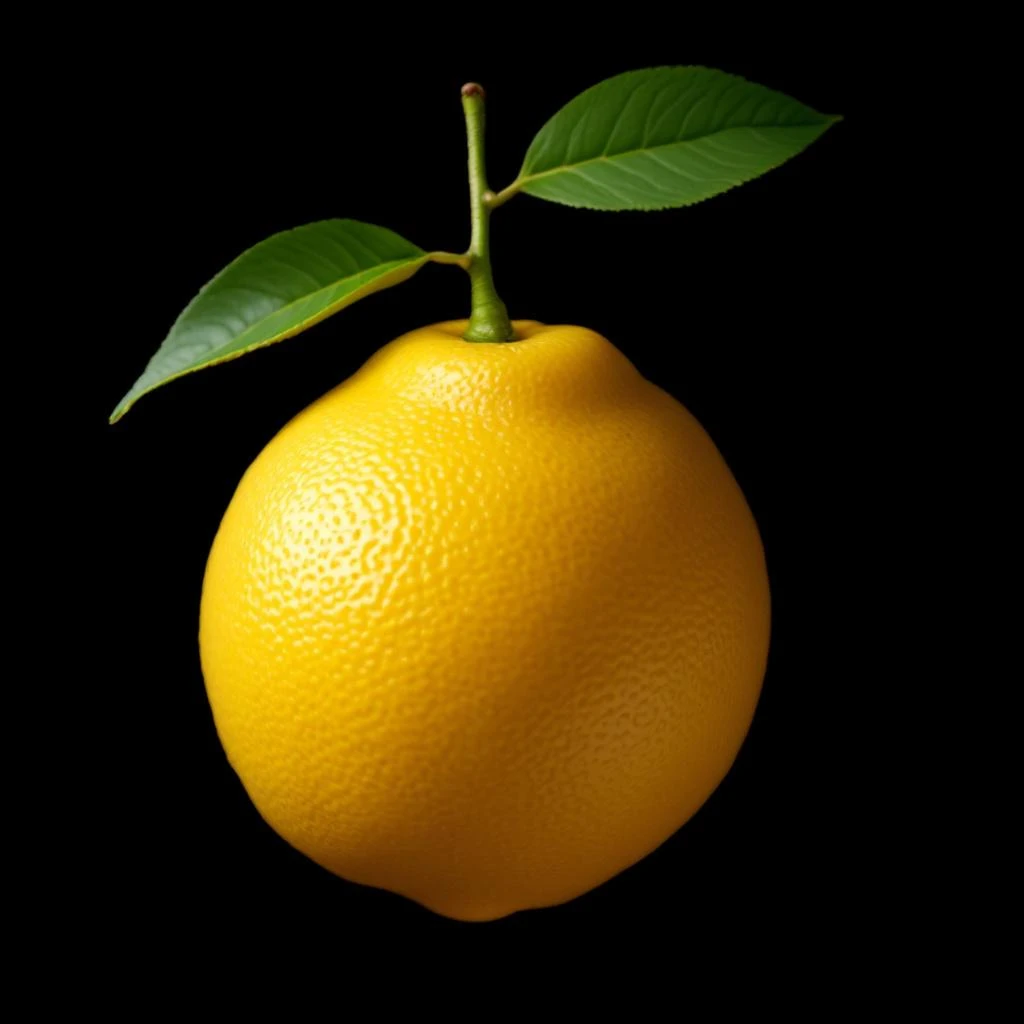
How it smells
A 2,000-year-old Burmese beauty tradition from sacred forests.
In Myanmar, women apply Thanaka paste daily as natural sunscreen—the paste leaves a distinctive yellow crust with a fragrance called 'wood apple.'



Origin
Myanmar
The people of Myanmar have used Thanaka for over 2,000 years, with the earliest documented reference appearing in a 14th century Burmese poem. Unlike many fragrance ingredients that traveled through trade routes, Thanaka remained a distinctly Burmese treasure. The paste serves triple duty as sunscreen, moisturizer, and decorative cosmetic, applied traditionally to cheeks, nose, and sometimes the entire body.
This daily ritual connects modern Burmese culture directly to ancient practices, making Thanaka one of perfumery's few ingredients with an unbroken continuous usage history spanning two millennia. Its fragrance profile, often compared to sandalwood, developed its own identity long before Western perfumery took notice.
Wears it best
Fragrances featuring Thanaka Wood

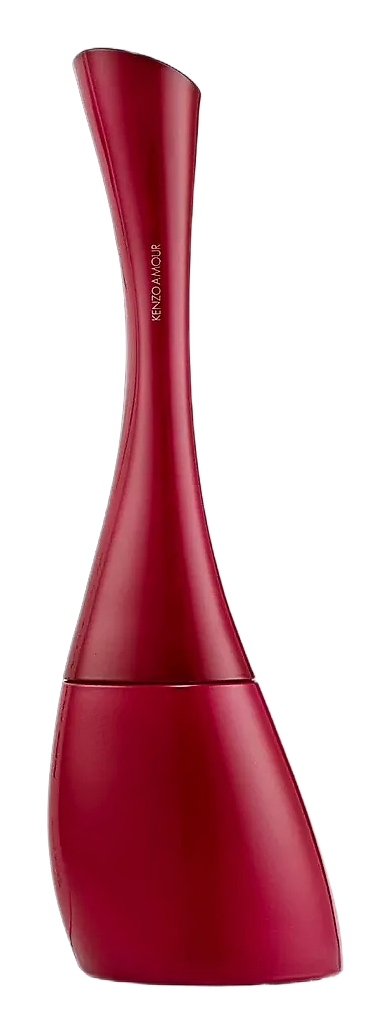
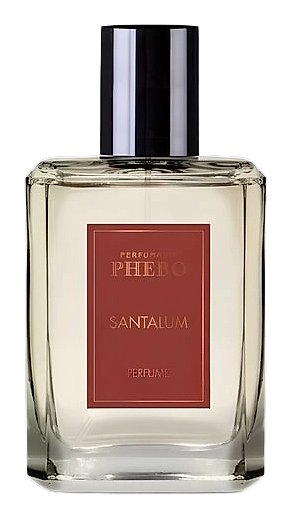
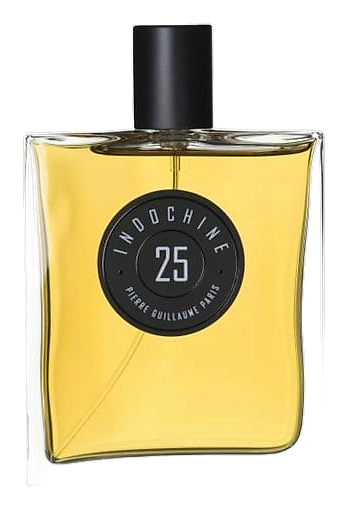
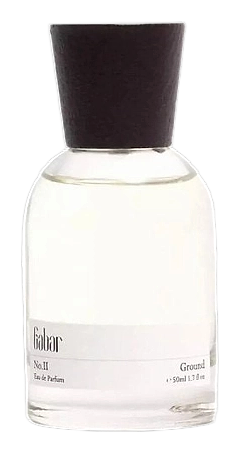




Brands
Brands known for Thanaka Wood
Good to know
Questions, answered
The essentials on Thanaka Wood in perfumery: how it smells, where it comes from, and how it behaves on skin.
What does Thanaka Wood smell like?
Thanaka Wood produces a warm, creamy fragrance often compared to sandalwood with subtle citrus undertones. The scent is softer and more delicate than pure sandalwood, carrying earthy base notes and light floral nuances that develop uniquely on each person's skin.
How long has Thanaka been used in perfumery?
Thanaka has been used for over 2,000 years in Myanmar, primarily for skin protection rather than perfumery. The earliest literary reference appears in a 14th century Burmese poem, though oral traditions suggest even earlier usage for daily skincare rituals.
Is Thanaka Wood a sustainable ingredient?
Traditional Thanaka harvesting selects mature trees and allows sustainable regrowth of bark. Myanmar'sThanaka forests near Shwebo and Shinma Taung remain the primary source, with local harvesters following generations of practices that maintain tree health and product quality.
What makes Myanmar Thanaka superior?
Central Myanmar, particularly the Shwebo and Shinma Taung regions, produces the highest quality Thanaka. Thicker bark from mature trees in these areas contains greater aromatic compound concentration, yielding more intense fragrance in perfumery applications.
Can Thanaka Wood replace sandalwood in formulas?
Thanaka Wood offers a sandalwood-adjacent profile but with distinct character. Perfumers value it as an alternative or complement to sandalwood, adding creamy warmth with its own citrus and floral nuances that create formula depth without direct substitution.
How is Thanaka Wood prepared traditionally?
Traditional preparation involves grinding dried Thanaka bark on a circular stone slab called a 'thanakha gyi' with a small amount of water. This manual process creates a yellow paste applied directly to skin, a practice unchanged for centuries.
What compounds give Thanaka its fragrance?
The bark of Limonia acidissima contains the aromatic compounds responsible for Thanaka's fragrance. Thicker bark indicates more mature trees with higher concentrations of these odorous principles, resulting in stronger, more complex fragrance profiles.
Does Thanaka Wood work well with other fragrance materials?
Thanaka Wood blends harmoniously with florals, citrus, and other woods. Its fixative properties help stabilize lighter top notes, while its warm base character rounds sharp edges in complex fragrance compositions, making it versatile across fragrance families.