Blood Orange
Blood orange delivers the bright citrus lift you recognize, but darkercurrants and berries underneath make it linger in memory long after the first spray fades.
Character
How it smells
Familiar citrus, haunted by something deeper.
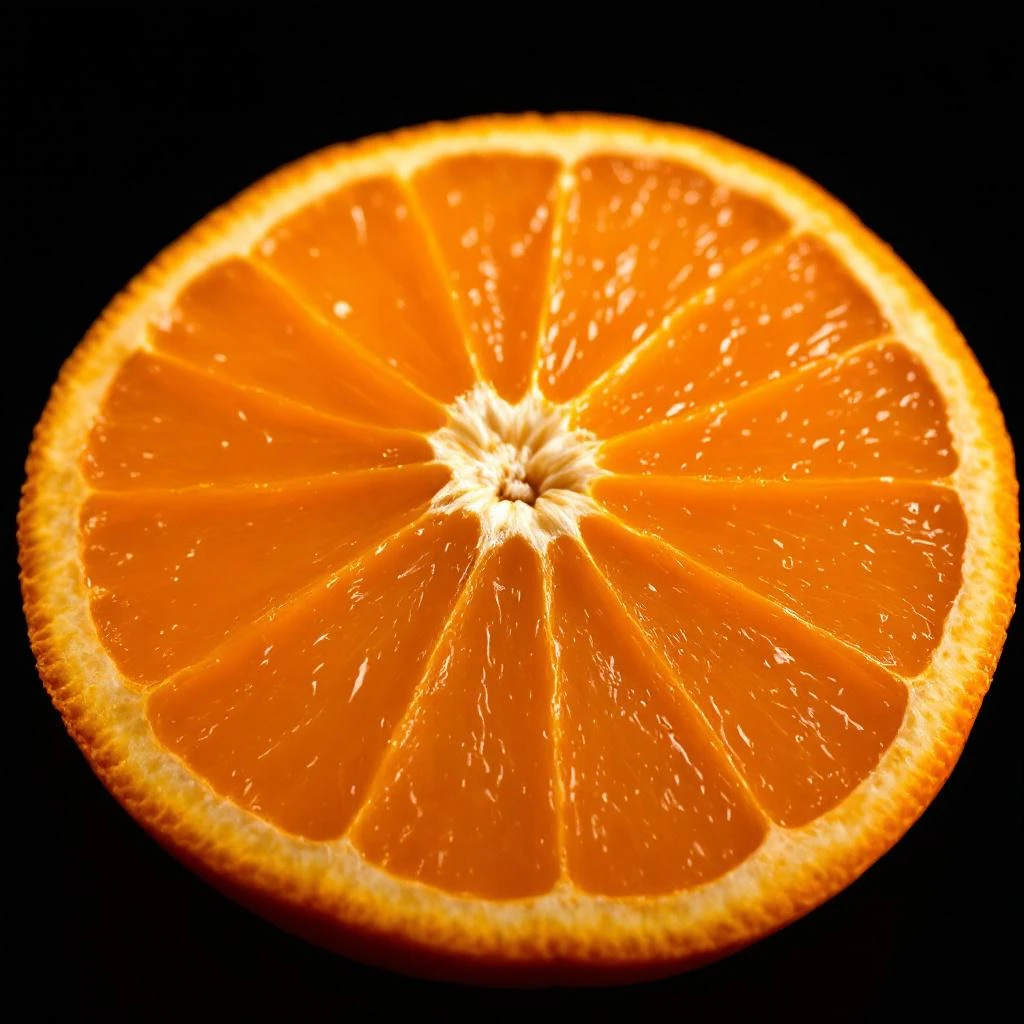
Blood orange gets its striking ruby flesh from anthocyanins, the same antioxidants that color blueberries and grapes.









Origin
Italy
Blood oranges likely originated as a natural mutation in the Mediterranean region, with Sicily becoming the spiritual home of the fruit. Unlike standard oranges, the Moro variety developed deep anthocyanin pigmentation in its flesh, responding to temperature fluctuations that trigger the same compounds found in red wine and berries.
Citrus fruits entered Western perfumery during the 16th century when Italian Renaissance courts popularized orange water and essential oils. The cold-press method for extracting peel oils became standardized around this time, allowing perfumers to capture the full aromatic complexity that steam distillation had previously masked.
Blood orange specifically gained attention in modern perfumery as consumers sought more complex citrus experiences beyond simple lemon and orange. Today it occupies a distinctive niche, simultaneously familiar and unexpected, giving contemporary fragrances a hook that older citrus materials cannot provide.
Wears it best
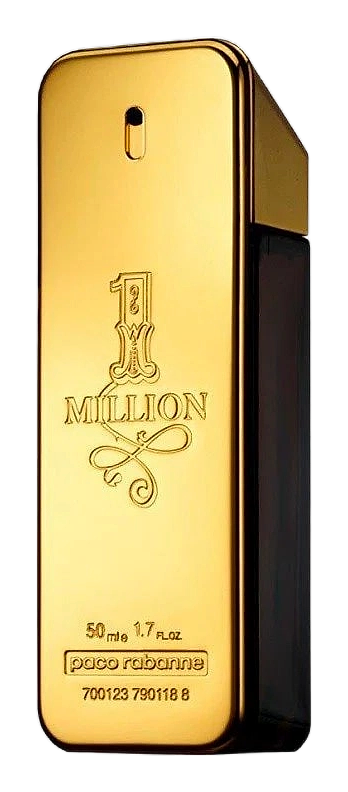
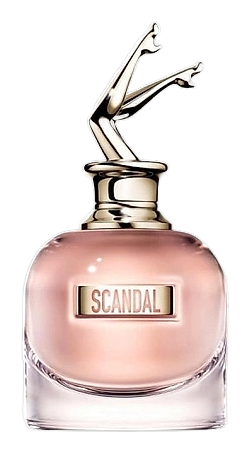
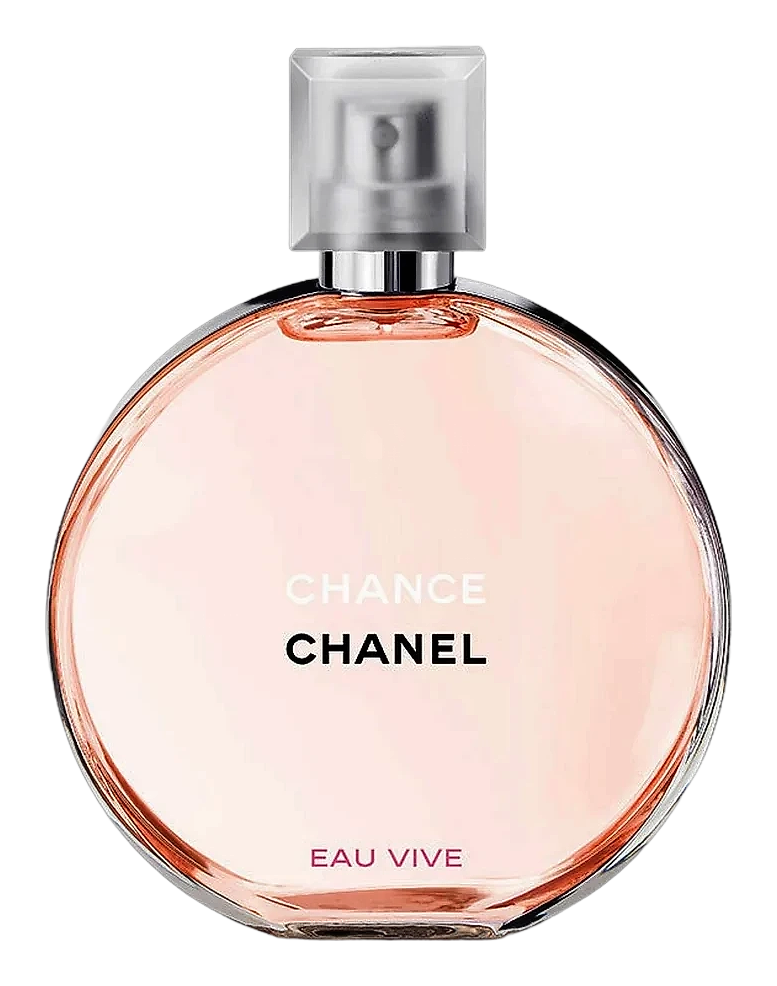
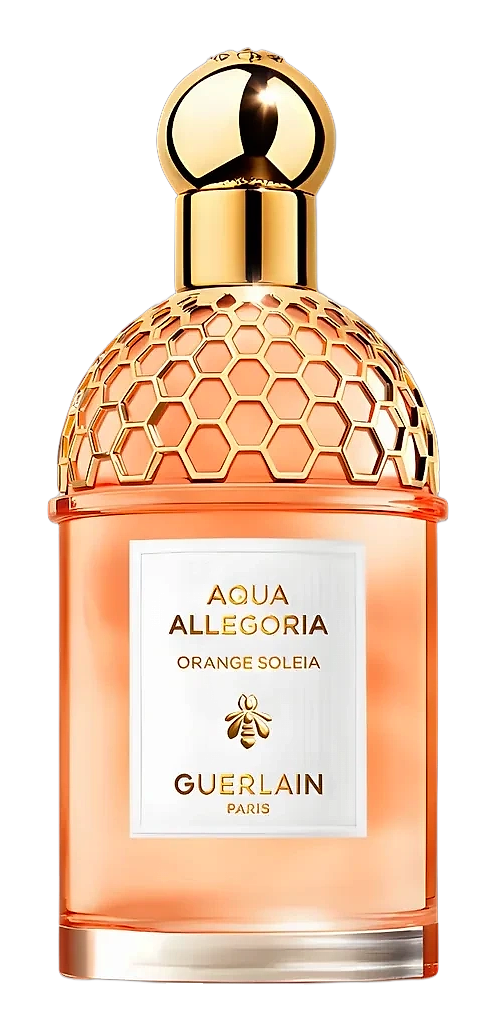
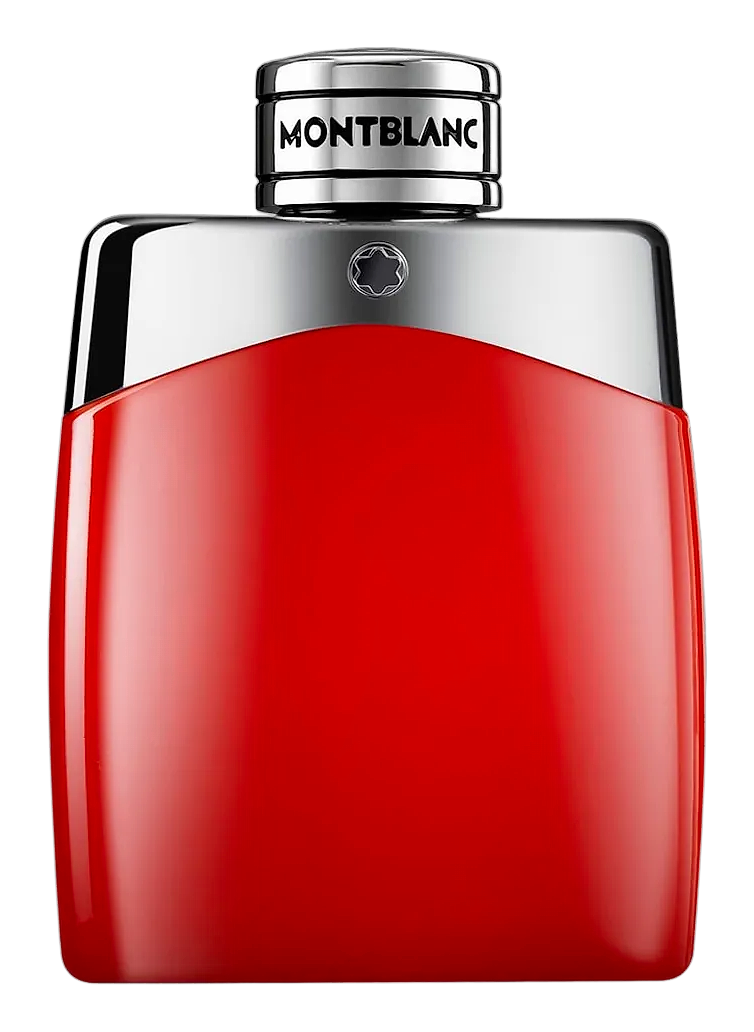
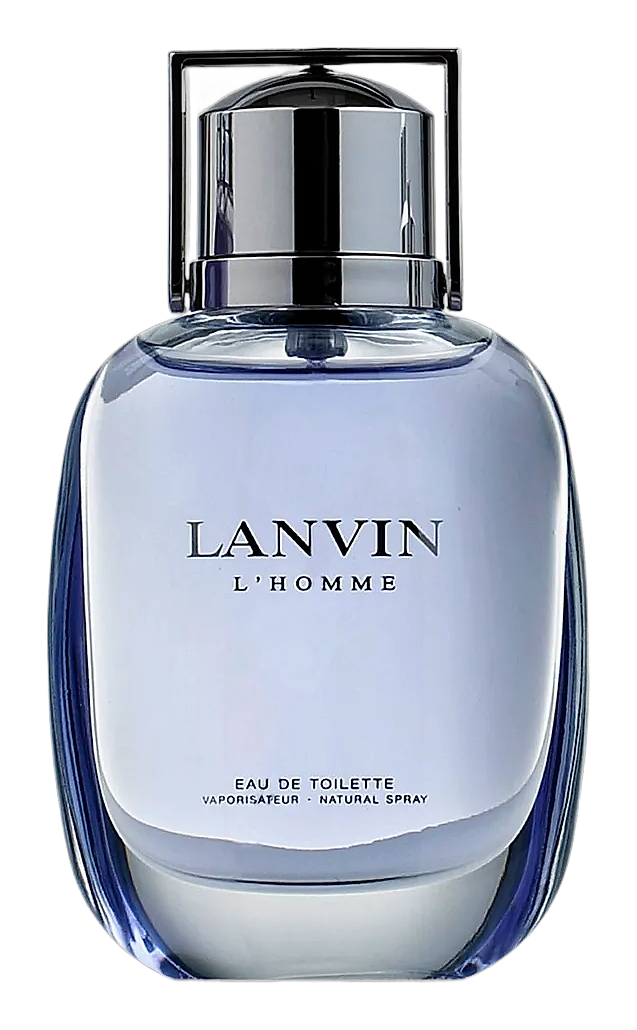
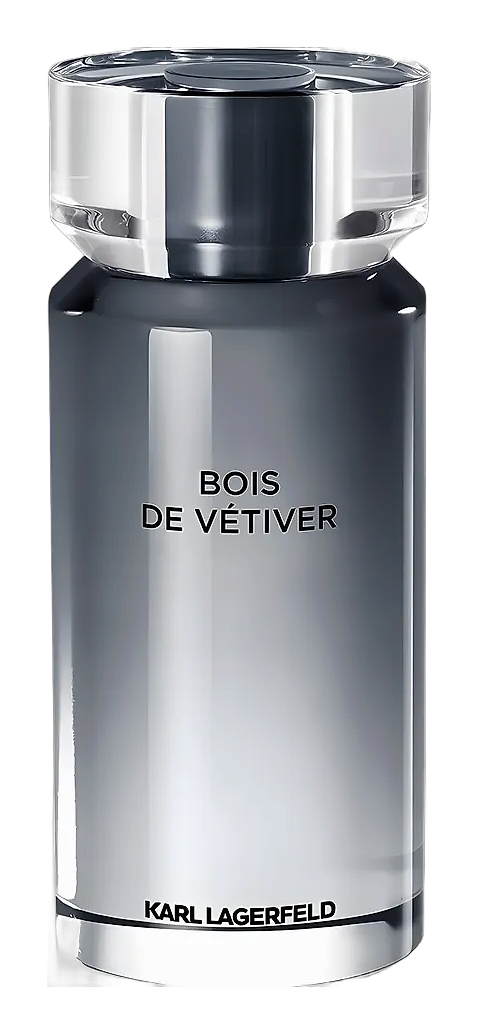
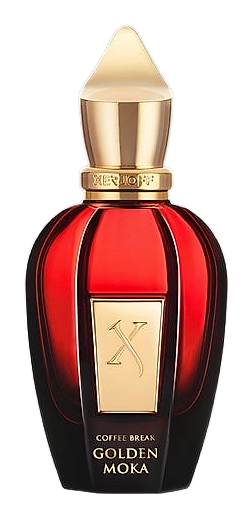
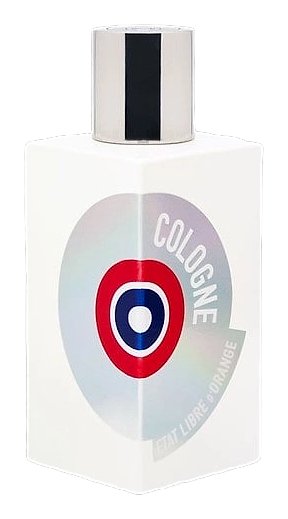
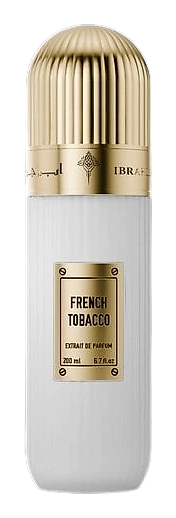
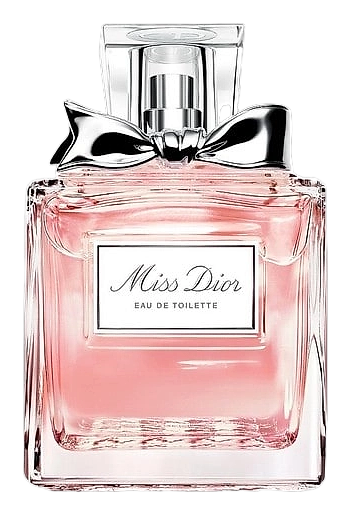
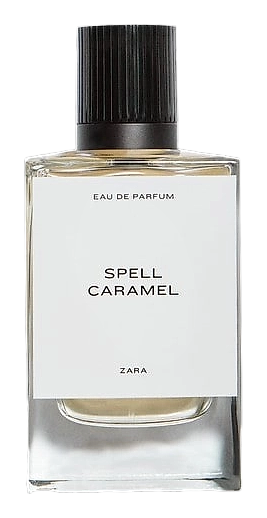
Fragrances featuring Blood Orange
Brands
Brands known for Blood Orange
Good to know
Questions, answered
The essentials on Blood Orange in perfumery: how it smells, where it comes from, and how it behaves on skin.
What does blood orange smell like?
Blood orange carries the bright, sparkling top notes of regular orange, but darker undertones of blackcurrant and red berries sit beneath the surface. The overall impression feels richer and more complex than standard citrus.
Is blood orange oil natural or synthetic?
Natural blood orange oil comes from cold-pressing the fruit peel. Most fragrance houses use this natural material, though synthetic replicates exist for consistency and cost control in large-scale production.
What fragrance families use blood orange?
Blood orange appears mainly in citrus and fresh fragrance families. Perfumers use it to brighten summer scents, colognes, and fruity compositions. It also shows up in unexpected places, lifting heavier oriental bases with unexpected warmth.
How long does blood orange last in a fragrance?
Blood orange oil is volatile and performs best in the top and heart notes of a fragrance. Expect around 30 minutes to two hours of noticeable presence, depending on the formula and the fixatives surrounding it.
What ingredients pair well with blood orange?
Blood orange blends naturally with bergamot, lemon, and other citrus oils. It also plays well against darker materials like vanilla, benzoin, and labdanum. Floral notes such as neroli and jasmine soften its edges, while green notes like galbanum add contrast.
Does the color of the blood orange affect oil quality?
The intensity of the fruit flesh color does not directly determine oil quality. The aromatic compounds live in the peel, while anthocyanins create the flesh coloration. Growing conditions, harvest timing, and processing methods matter more than visual appearance.
Where does blood orange oil come from?
Italy, particularly Sicily, produces the most prized blood orange oil. Spain, Greece, Florida, and California also cultivate the fruit commercially. Mediterranean-grown blood oranges typically develop the deepest color and most complex aromatics.
How does blood orange differ from regular orange oil?
Regular orange oil comes from Valencia oranges and presents clean, sweet citrus without much complexity. Blood orange oil contains additional aromatic compounds including anthranilic acid esters that introduce subtle berry and floral nuances missing from standard orange.