The Story
Why it exists.
The beginning
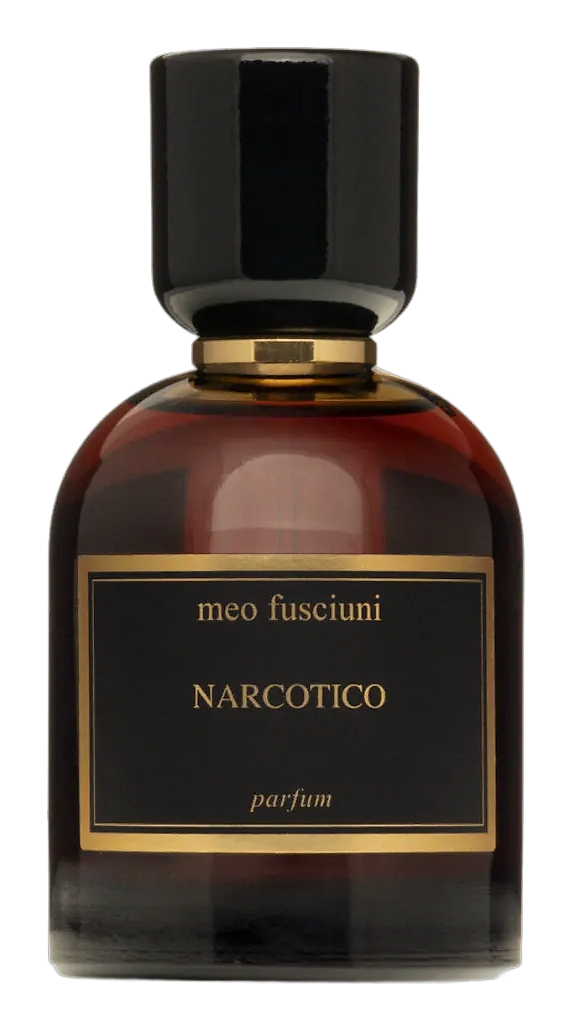
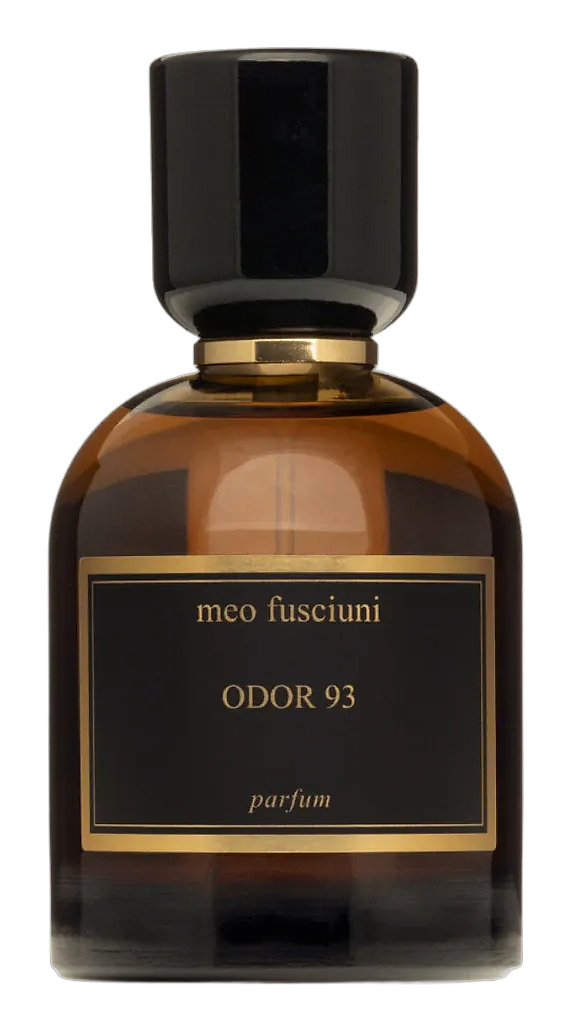
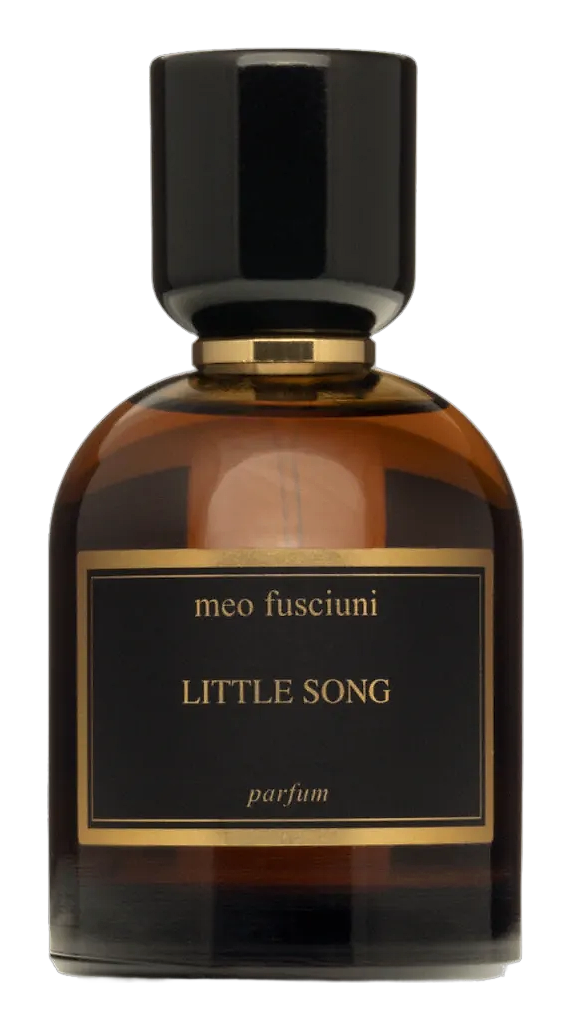
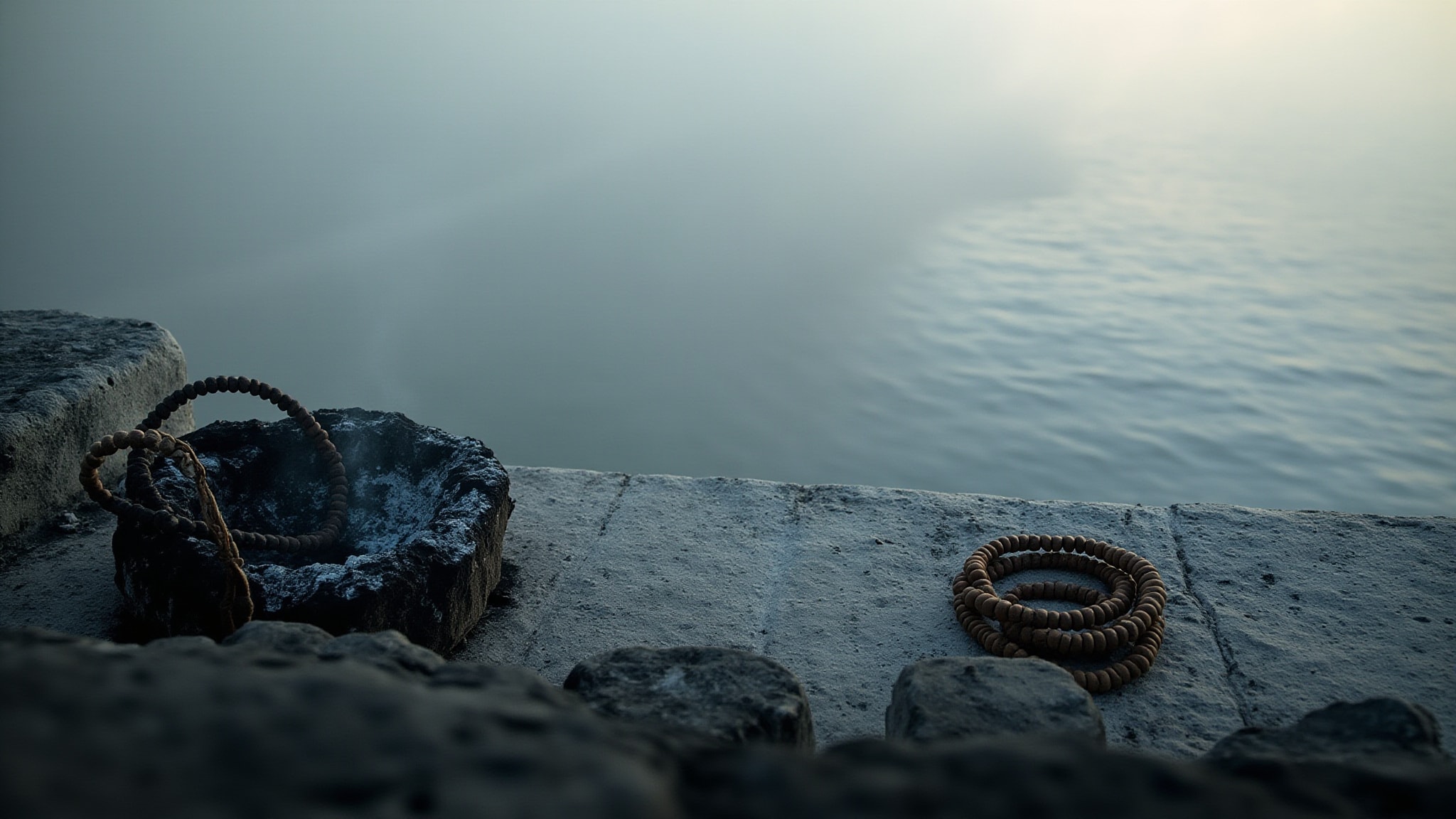
Meo Fusciuni, the Italian house founded in 2010 by Giuseppe Imprezzabile (who describes himself as a man who writes perfumes), treats each fragrance as a diary entry, autobiographical and unhurried. The house resists convention, releasing new work only when ready, not when the calendar demands. Varanasi extends this philosophy into sacred geography. The city on the Ganges where incense has burned for millennia and ritual shares space with street life provides the geographical and spiritual anchor for this composition.
The note selection reflects an intentional duality: sacred and profane, warm and animalic, beautiful and challenging. Saffron and nutmeg provide immediate warmth while frankincense establishes spiritual weight. The heart introduces marine and animalic elements through ambergris and ambrette, grounding the fragrance in something primal rather than delicate. The drydown's leather and oud ensure the wearer carries the scent rather than simply wearing it, completing a journey that begins in ritual observation and ends in intimate possession.
The evolution
The arc from opening to drydown follows a narrative of descent. The sacred clarity of frankincense and the warmth of saffron and cardamom give way to the animalic complexity of ambergris and the earthy grounding of cypriol. Florals appear and vanish like memories. By the time leather and oud arrive in the drydown, the wearer has traveled from temple to wilderness, from the composed to the primal. Gurjum, vetiver, and spikenard ensure the final hours carry a complexity that rewards patience and attention.
Cultural impact
Varanasi positions itself at the intersection of sacred ritual and modern niche composition, neither purely traditional nor safely western. It appeals to the wearer who approaches fragrance as narrative, not decoration. The frankincense-saffron-leather-oud axis places it in an rarified corner of the market shared by pieces like Serge Lutens' L'Incendiaire or Prin's Varuek, but with a distinct Italian restraint underlying the intensity. What draws people back is that the structure never collapses, the opening is an event, the drydown is a destination, and the hours between belong to the wearer alone.