The Story
Why it exists.
The beginning
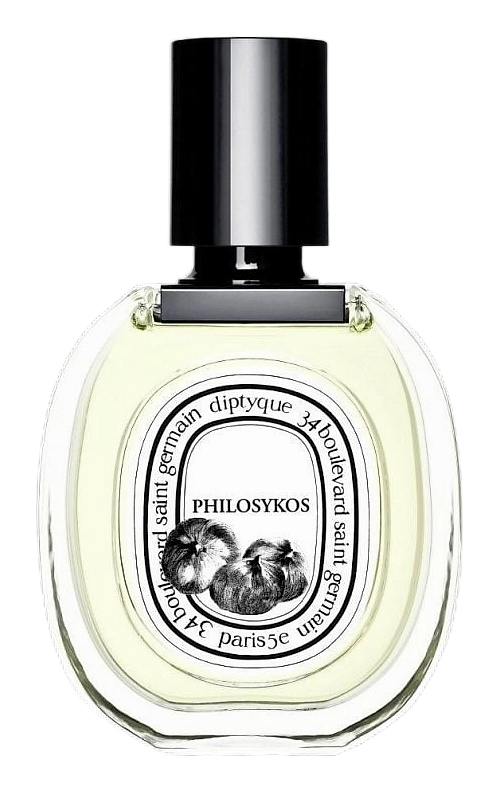
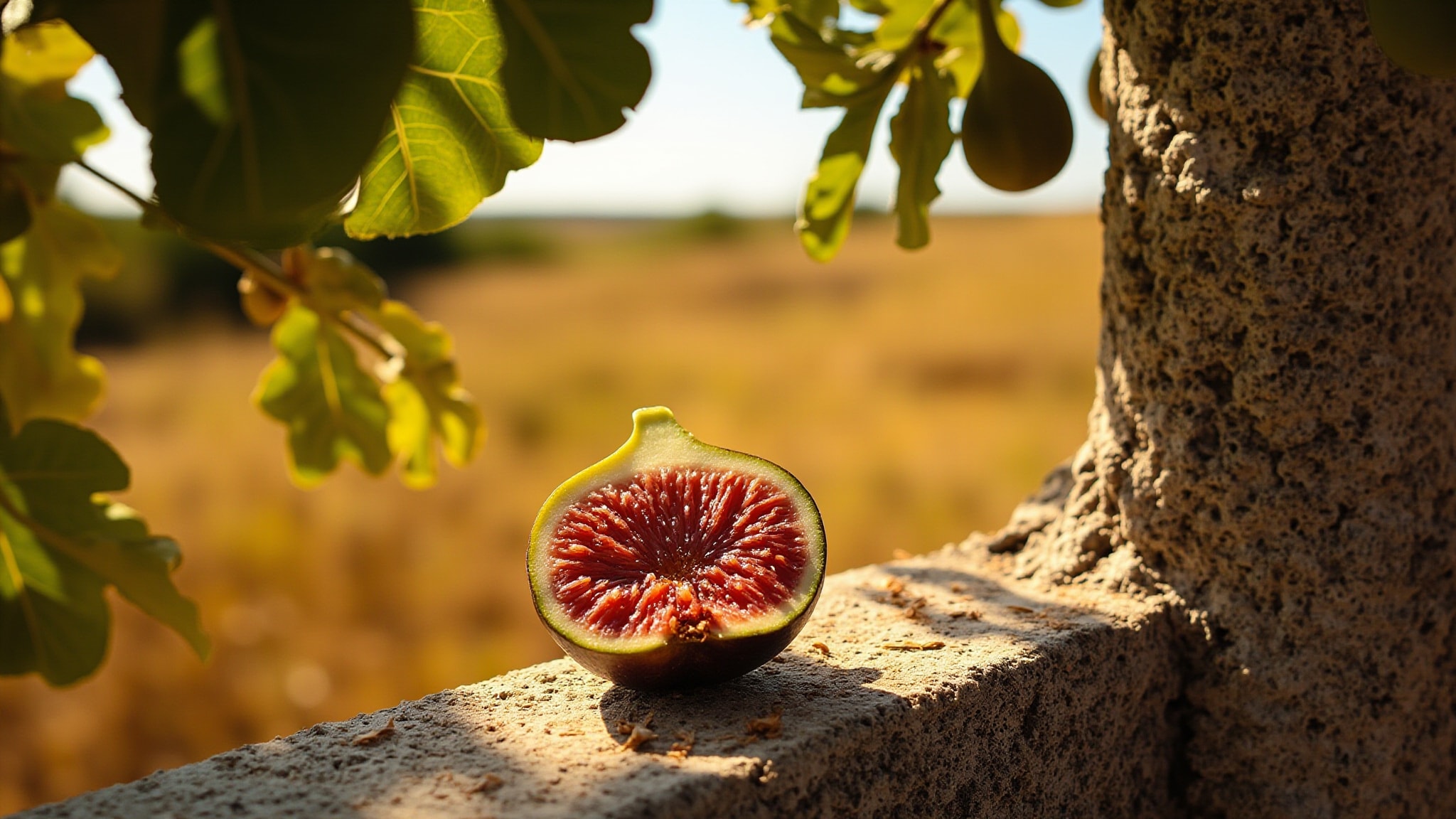
Philosobetti built Philosykos around a single idea: capture the entire fig tree, not just the fruit. The goal was ambitious, to translate a living, breathing arboreal presence into scent rather than isolating a single note. The fragrance unfolds in three distinct layers, each representing a different part of the tree. The result was something Diptyque rarely achieves: a fragrance that smells like a place you've actually been, grounding you in a specific sensory memory of fig trees and their surroundings.
An unusual structural element is the lactonic quality threading through every phase of the scent. This milky quality isn't added sweetness, it's the fig tree's presence made tangible in a way that reads as green and almost medicinal at first, then softens into something creamy and warm. The fig wood in the base isn't woody in the traditional sense, it's warm, slightly resiny, like sun-heated bark. Three notes that smell like one coherent memory. The composition weaves tog ether these distinct elements into a unified olfactory narrative, where each phase builds on what came before.
The evolution
The opening hits like crushed fig leaves, bright, vegetal, with a clean cut. No sweetness yet. The green is sharp, almost lawn-like for the first two minutes. Then the lactonic quality emerges: milky, fig-sap sweet, undeniably fig. This middle phase is where Philosykos earns its reputation. It's creamy without being heavy, fresh without being citrussy. After 30 minutes, the fig wood arrives, warm, slightly resinous, like sun-baked bark. The drydown stays close to the skin but persists. On fabric, you can still smell the wood accord the next morning. The fragrance offers a distinctive take on fig that avoids the obvious sweetness one might expect, instead offering something more nuanced and grounded.
Cultural impact
Philosykos arrived in 1996, introducing fig as a note to those seeking something different. The scent became the reference others are measured against, not because it shouts but because it offers a more complete take on the fig tree. It's the fragrance that showed what fig could be when treated with subtlety and care, and it remains the benchmark. Wearers find it specific and a little transportive, the kind of scent that says something about the person wearing it without needing explanation.