
The Story
Why it exists.
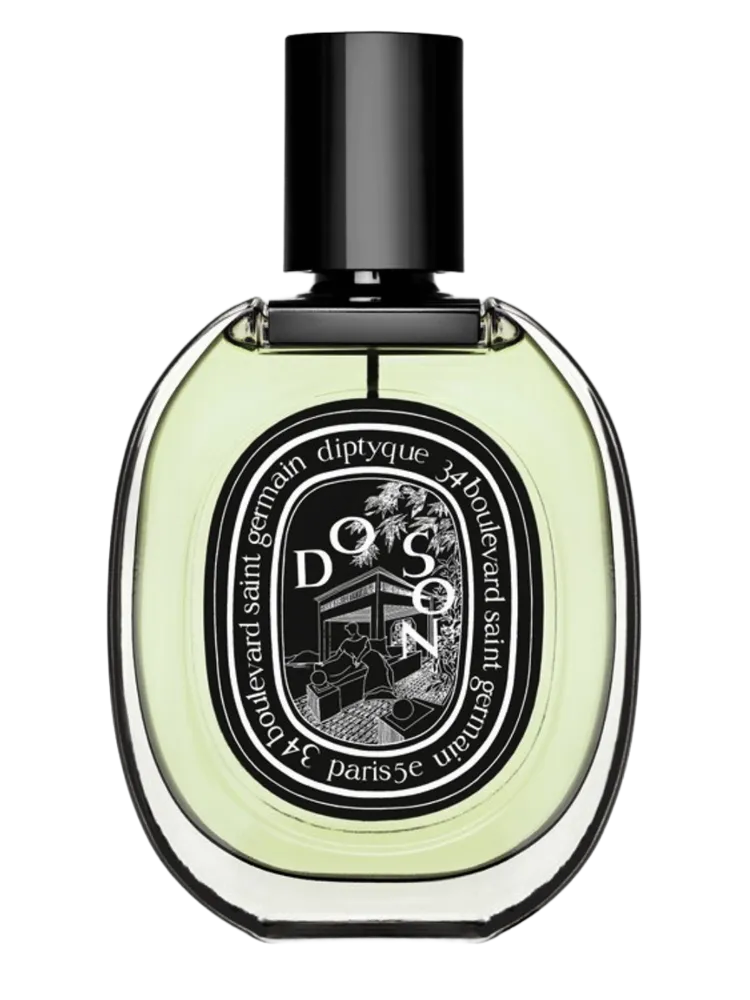
The name is a place: Do Son, a coastal city in Vietnam where two of the founders spent humid evenings surrounded by white flowers. The jasmine and gardenia of those nights, the intensity of tropical blooms opening at dusk, that's what Diptyque wanted to capture. Fabrice Pellegrin was commissioned to translate that specific atmospheric memory into a fragrance, one that would carry the feeling of evening air in a garden, not just a list of ingredients. Do Son exists because memory deserves its own scent.
If this were a song
Community picks
Dream a Little Dream of Me
Doris Day
The Beginning
The name is a place: Do Son, a coastal city in Vietnam where two of the founders spent humid evenings surrounded by white flowers. The jasmine and gardenia of those nights, the intensity of tropical blooms opening at dusk, that's what Diptyque wanted to capture. Fabrice Pellegrin was commissioned to translate that specific atmospheric memory into a fragrance, one that would carry the feeling of evening air in a garden, not just a list of ingredients. Do Son exists because memory deserves its own scent.
Diptyque builds fragrances around one exceptional ingredient. For Do Son, it's the heady white tuberose from Grasse, the specific variety known for its sun-drenched, hazy character that the house describes as expressing "sunny, hazy, creamy, indolent seductiveness." The perfumer didn't soften that claim. The orange leaf adds a green snap at the opening that keeps the composition from drowning in sweetness, while the musk base anchors everything into something animalic and warm. The result is that specific thing you smell on skin hours later: creamy, warm, close.
The Evolution
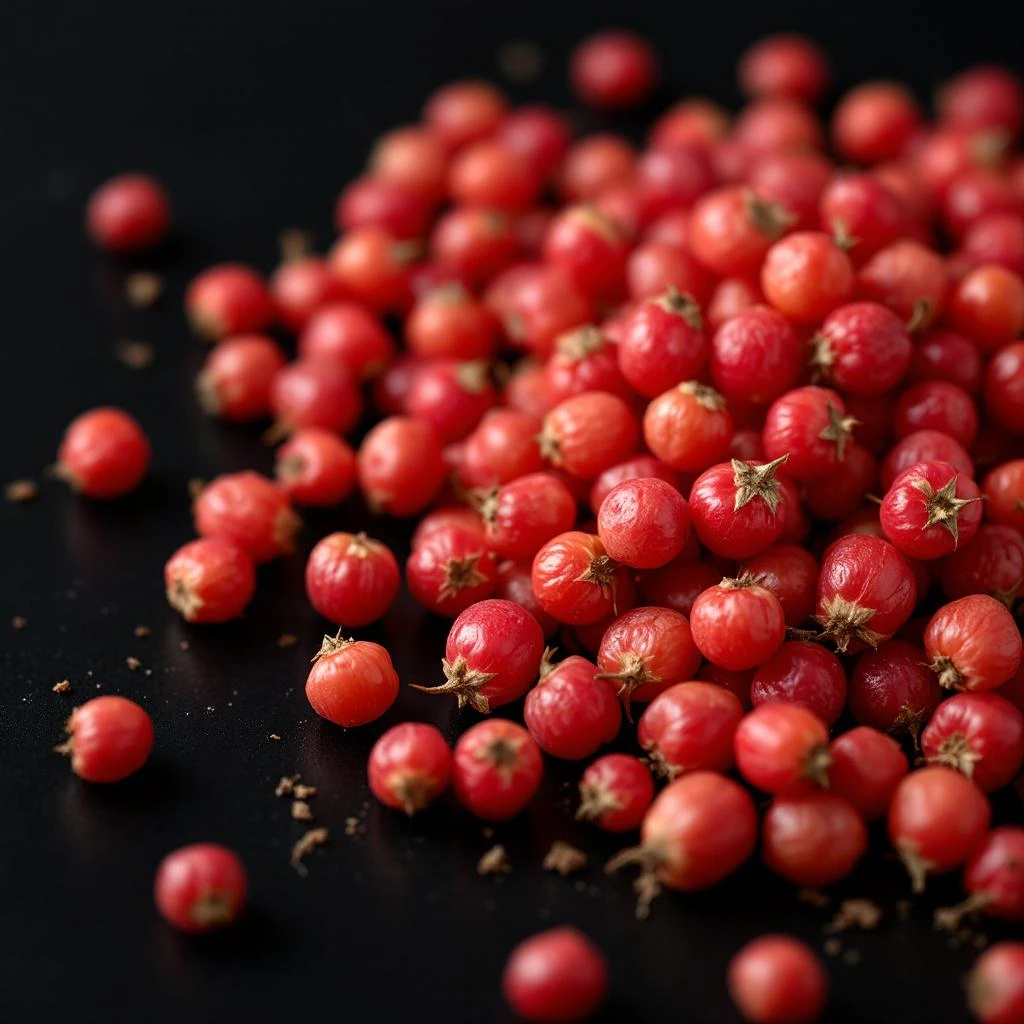
The opening doesn't announce itself. Pink pepper and orange leaf create a green-floral entrance, there's a slight spice, a snap, but it's clean, almost mineral. The breath it takes. For the first 30 to 45 minutes, that green-floral brightness does the work. Then the hand-off. Tuberose moves in and doesn't leave for hours. Creamy, heady, the kind of white flower that dominates the composition without apology. This is the heart of Do Son, the part people are responding to when they stop you on the street. It carries the next three hours with presence. The drydown is where the musk and tuberose become inseparable. That green snap of pink pepper dissolves into a blended warmth, warm, skin-like, intimate. The sillage stays close rather than projecting. What lingers is the feeling of something worn close to the skin, not shouted across the room.
Cultural Impact
Do Son is the fragrance people mention when recommending Diptyque to someone who's never tried the house. It functions as an entry point, not because it's simple, but because its singular focus on tuberose makes the house's approach legible. Where other Diptyque scents ask more of a first-time wearer, this one offers its argument clearly: one flower, done without apology. The reception has been consistent since 2013: a fragrance people return to, gift, and name as their Diptyque.
The House
France · Est. 1961
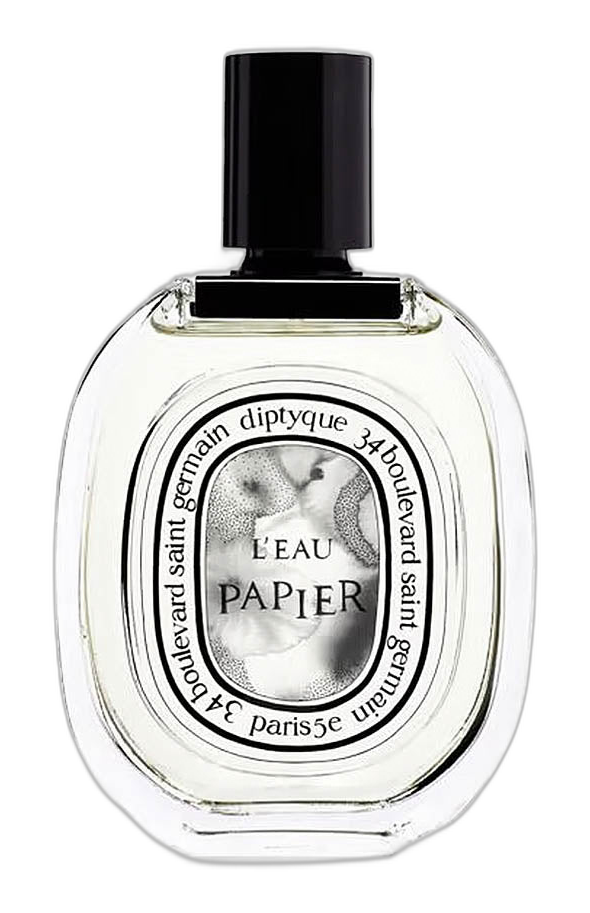
Three friends — a painter, an interior designer, and a theater director — opened a boutique on Paris's Boulevard Saint-Germain in 1961. What began as a fabric and décor shop became one of the most influential niche houses in perfumery. Diptyque's oval-label candles are iconic, but its fragrances deserve equal reverence: literary, textured compositions that smell like places rather than products.
If this were a song
Community picks
Do Son sounds like a vapor trail drifting from a white garden at dusk. A green snap first, mineral, almost cold, then the tuberose arrives in slow, indolent waves. Warm skin, close sillage. The pink pepper is the thread, threading through everything.
Dream a Little Dream of Me
Doris Day