Orange Leaf
Orange leaf delivers a sharp, green freshness that transforms fragrance compositions from the first spray. Part of the bitter orange tree's versatile olfactory profile, this ingredient bridges the gap between bright citrus and deep herbal complexity.
Character
How it smells
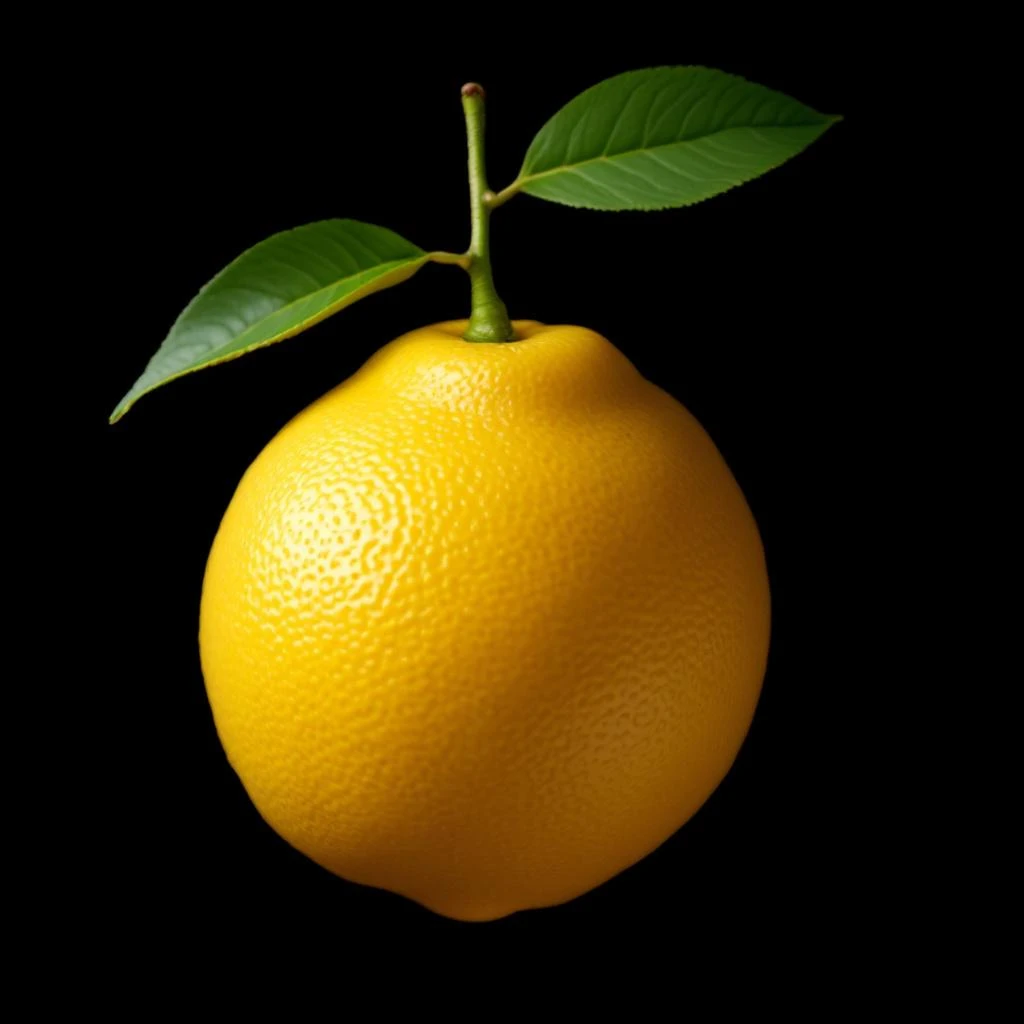
Green, leafy freshness from the bitter orange tree.
Petitgrain, the oil distilled from bitter orange leaves, was named for the small orange seeds originally used in its production.







Origin
Paraguay
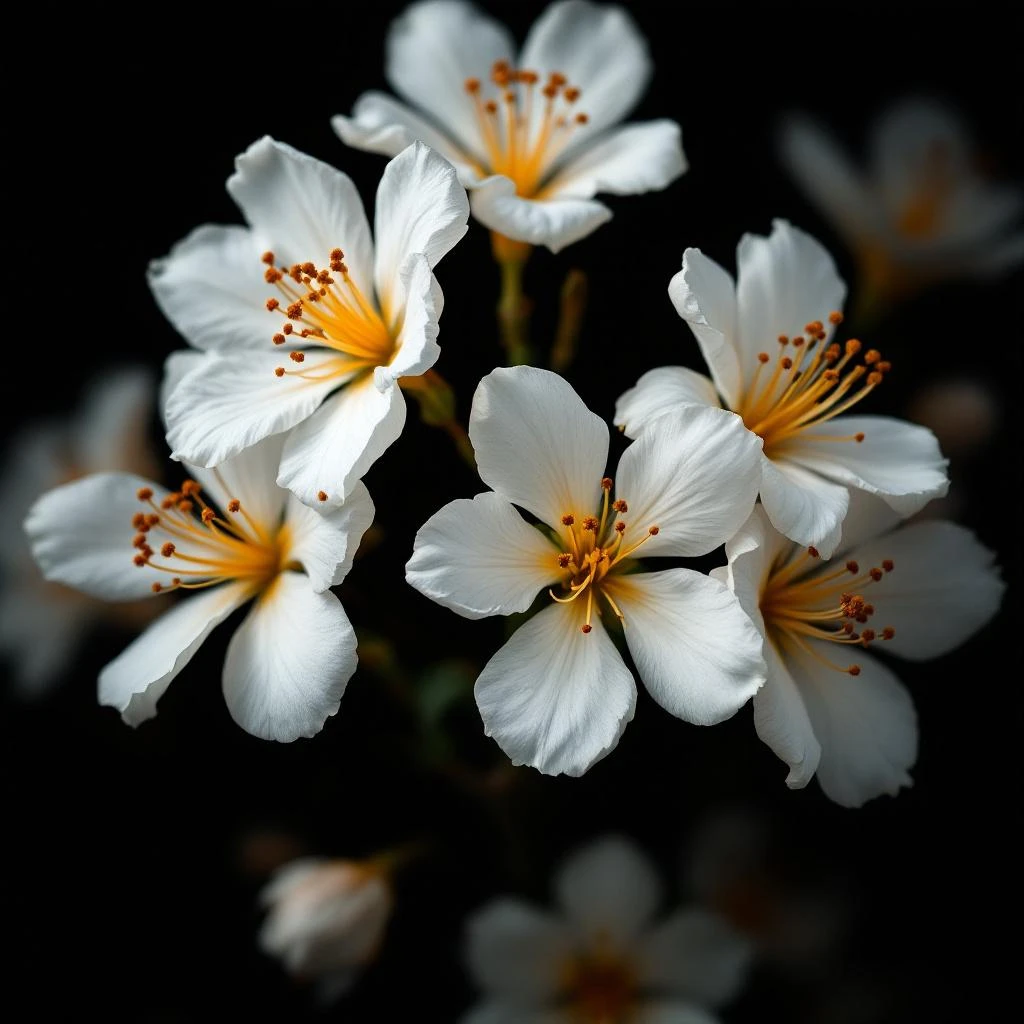
The bitter orange tree reached the Middle East via Islamic trade routes from China and Southeast Asia around the 10th century. Persian and Arab cultivators recognized the tree's potential, and it became a perfumery staple.
French cultivation began in the early 1800s, centered in Grasse, where local perfumers developed techniques for extracting aromatic compounds from each part of the tree. The flowers yielded neroli, the rind produced orange essential oil, and the leaves became petitgrain.
A devastating winter in 1956 decimated French production, shifting cultivation to Mediterranean climates and Paraguay. Today, the bitter orange tree remains essential to perfumery, with each extract offering distinct olfactory characteristics that perfumers combine in varying proportions.
Wears it best
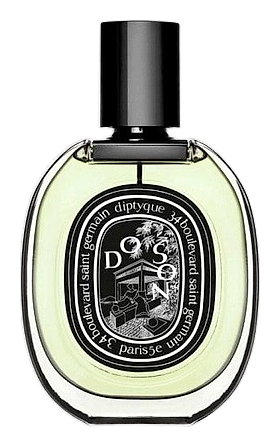
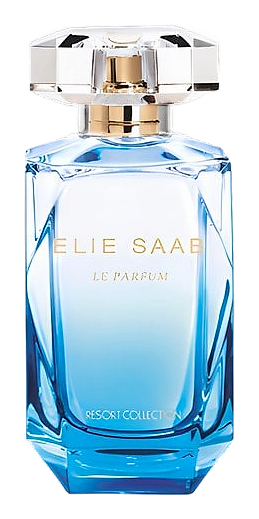
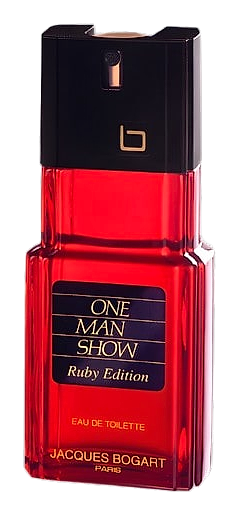
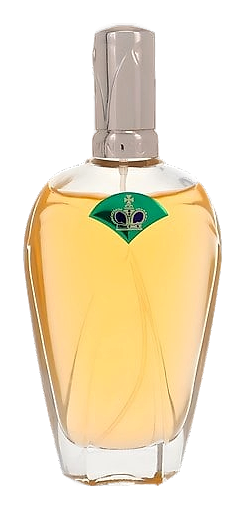
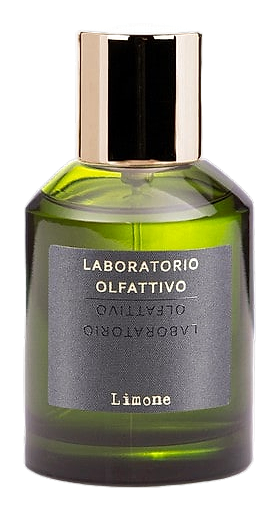
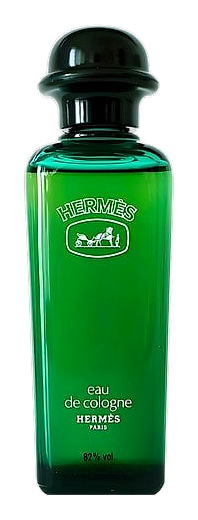
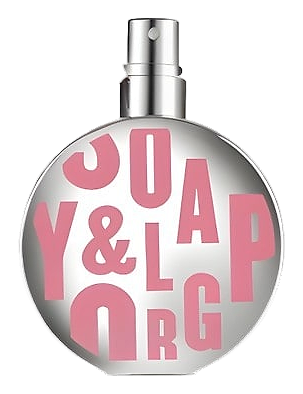
Fragrances featuring Orange Leaf

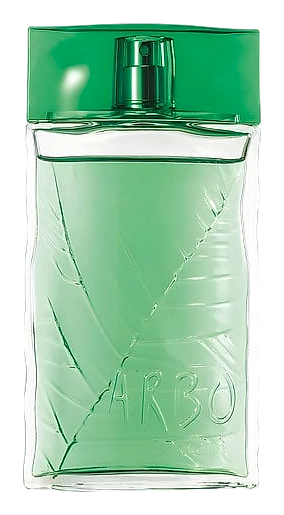
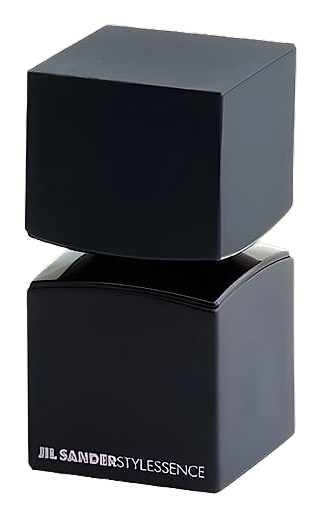
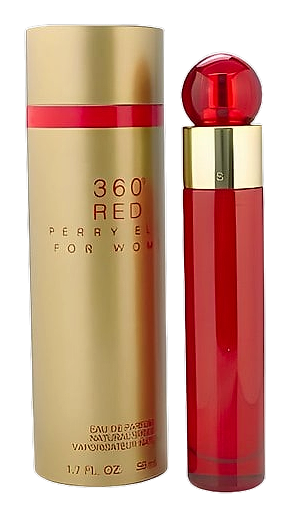
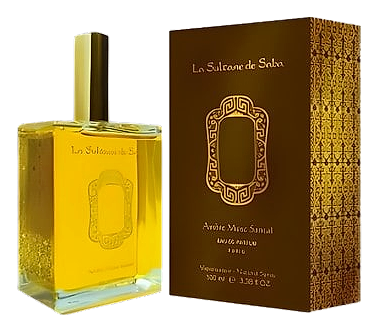
Brands
Brands known for Orange Leaf
Good to know
Questions, answered
The essentials on Orange Leaf in perfumery: how it smells, where it comes from, and how it behaves on skin.
What does orange leaf smell like?
Orange leaf delivers sharp green and citrusy notes with subtle floral undertones. Think freshly cut leaves with a mild sweetness beneath. It smells greener and more bitter than orange blossom absolute.
What fragrance family is orange leaf used in?
Orange leaf appears mainly in floral and citrus fragrance families. Perfumers use it as a top note to add herbal freshness that extends the initial impression of citrus compositions.
Is orange leaf the same as petitgrain?
Yes. Petitgrain essential oil is produced by distilling bitter orange leaves. The name comes from the small orange seeds originally used to make this oil, not the leaves themselves.
How does orange leaf differ from neroli?
Neroli comes from bitter orange flowers, while orange leaf comes from leaves. Neroli smells intensely floral and sweet. Orange leaf smells greener and more herbaceous with less sweetness.
Where does commercial orange leaf oil come from?
Paraguay produces most commercial petitgrain oil, accounting for roughly 80 percent of global supply. Tunisia and Egypt also cultivate bitter orange for leaf extraction.
Can orange leaf be synthesized?
Key components like linalool and linalyl acetate exist in synthetic forms. However, natural orange leaf oil contains over 100 compounds that are difficult to replicate fully.
Does orange leaf extract contain allergens?
Natural orange leaf oil contains linalool, which ranks among the 26 fragrance allergens that EU regulations require listing on product labels. Always check ingredient lists if you have fragrance sensitivities.
What fragrances feature orange leaf as a main ingredient?
Orange leaf works best as a supporting note in fresh, green fragrances. It complements citrus, white flowers, and herbal accords without overpowering floral elements.