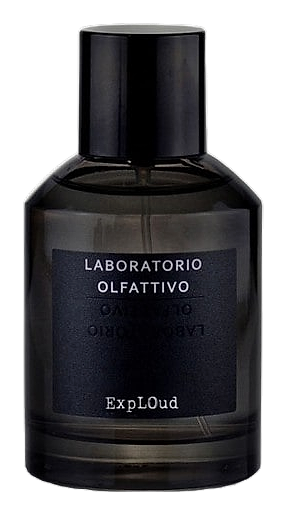
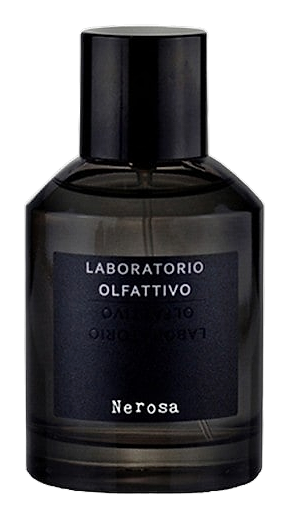
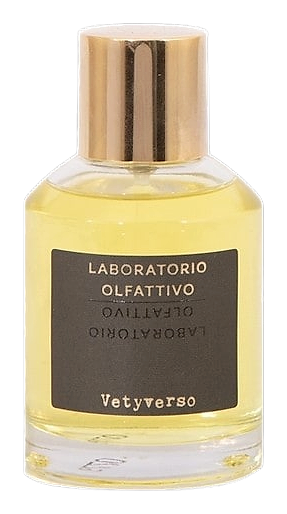
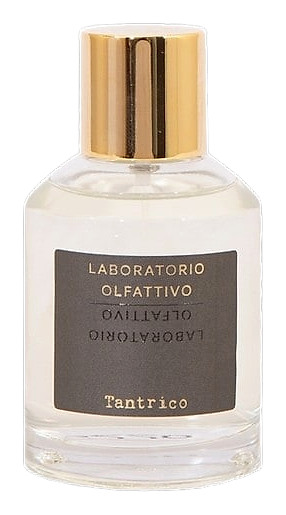
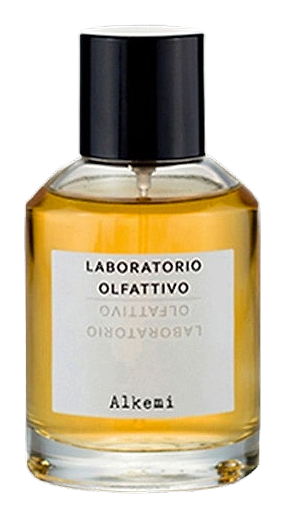
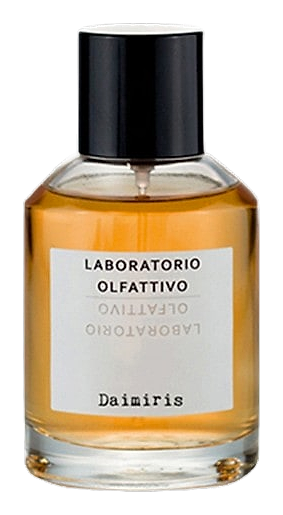
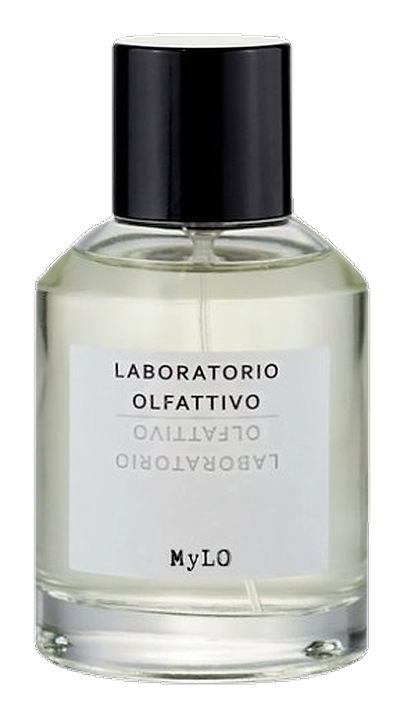
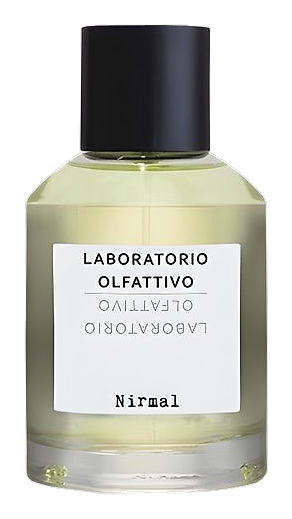
The Heritage
The Story of Laboratorio Olfattivo
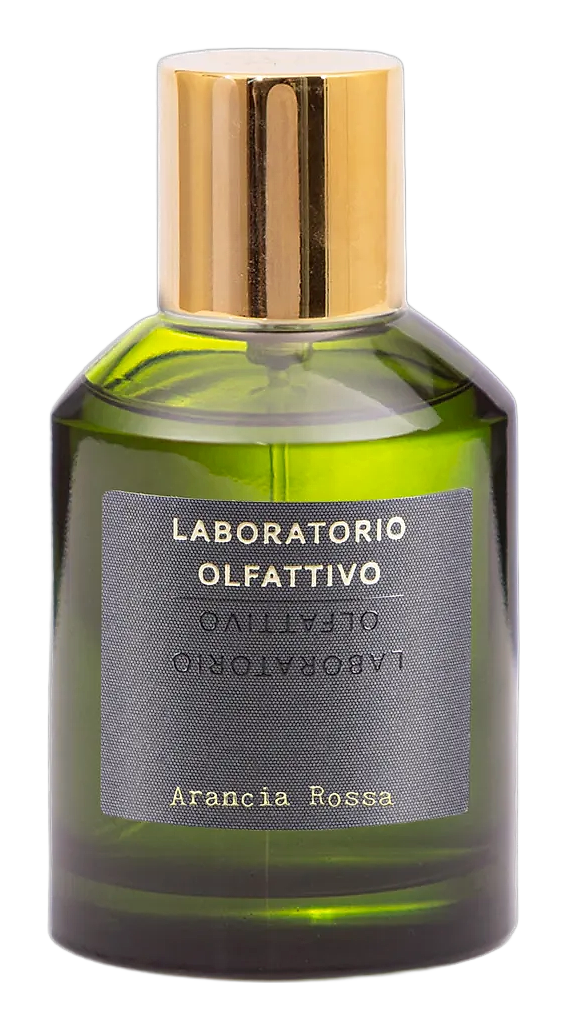
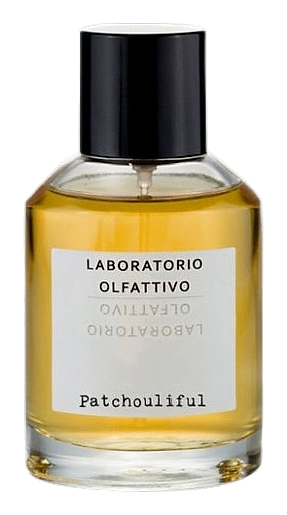
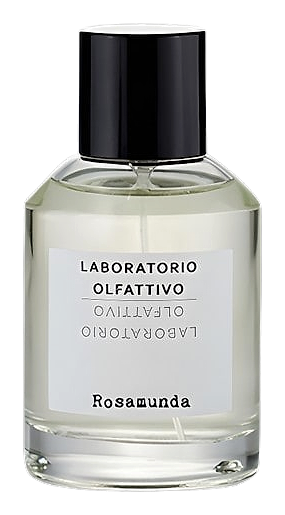
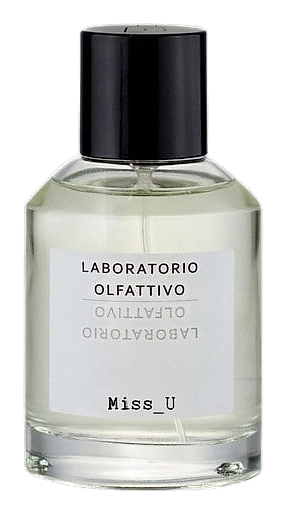
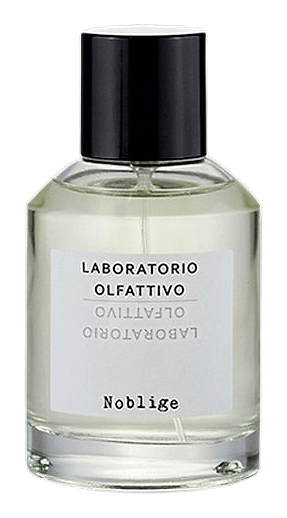
Laboratorio Olfattivo is an independent Italian niche house founded in Rome in 2009 by creative director Roberto Drago and business partner Daniela Caon. The house operates as a creative platform, collaborating with perfume craftsmen who work autonomously under the Laboratorio Olfattivo name rather than operating through an in-house perfumer. Each fragrance exists as its own standalone work, not part of a numbered collection. The house is recognizable by a characteristic dark amber, vetiver, and resin signature anchored by a consistent base structure across releases. Arancia Rossa stands out as a vivid, saturated blood-orange perfume built over that warm amber-vetiver foundation. The catalog spans orientals with deep burnished woods and resins alongside brighter citrus compositions. The output is deliberately unhurried, with one to three new fragrances arriving most years, and the two founders remain the sole creative force behind the label. Roberto's family background runs through the Italian perfume trade, reportedly through his father Luigi Drago's work running a perfume distribution house. By contrast, Laboratorio Olfattivo itself has never sought outside investment, remaining entirely founder-owned and operated. The self-funded structure means完全没有外部资金压力,创意方向不受投资者期望驱动。This shape shifting has translated into a genuine point of view that longtime followers recognize in the catalog. The founding story holds particular interest within the niche fragrance community because the label avoids the conventional channels of beauty entrepreneurism. There is no private label background, no pivot from cosmetics, and no celebrity angle. Instead, a distribution professional and a marketing executive with a shared passion built something from scratch in Rome and held to it for over a decade. The name Laboratorio Olfattivo translates roughly to olfactory laboratory. It signals that the house is understood as a working studio for assembling aromatic materials rather than a heritage brand performing its own mythology. The founder-driven ethos has also meant that the house has remained genuinely small in team size, operating with a long-term perspective rather than chasing market relevance. Every creative decision filters through the two founders, contributing to a catalog that feels internally motivated rather than assembled by committee.
Heritage
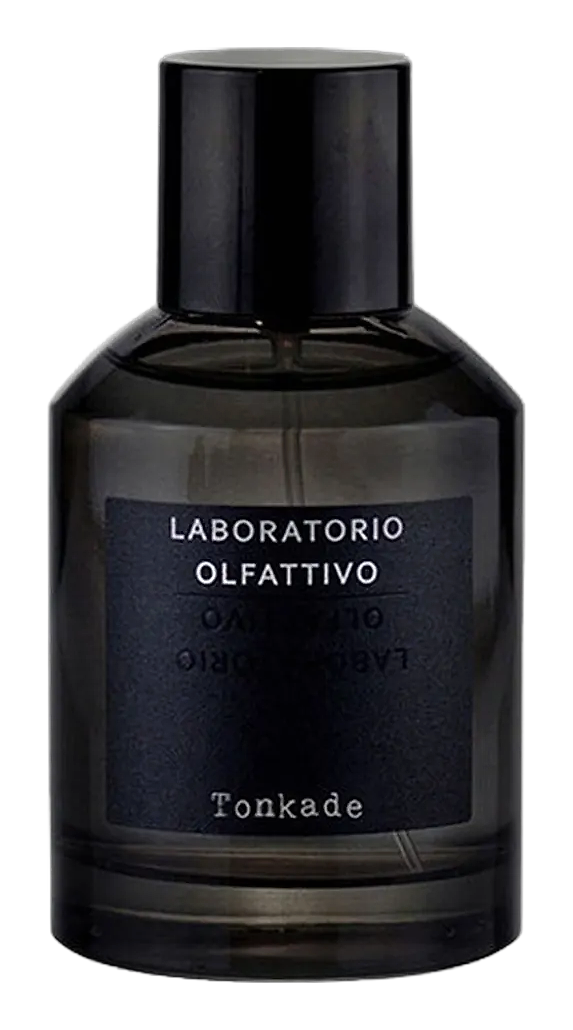
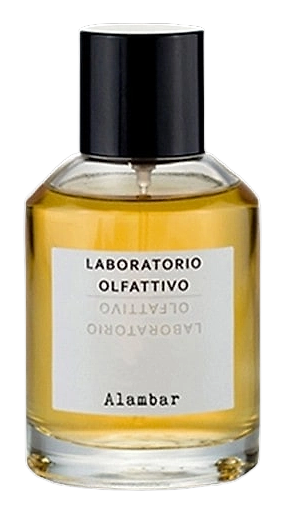
Laboratorio Olfattivo was established in 2009 in Rome by Roberto Drago and Daniela Caon, drawing on Roberto's family connection to the Italian perfume trade. His father, Luigi Drago, reportedly ran a perfume distribution company before founding Primavera, exposing Roberto to aromatic materials from an early age. Rather than pursuing a conventional commercial path, the two built the label as a small creative enterprise from the ground up, without outside investment. The founding model was self-funded from the beginning, and the house has remained entirely independent. The two founders hold equal roles, with Roberto operating as creative director and Daniela handling the business side. The debut collection consisted of five fragrances released in 2009, including Alambar and Nerotic, which anchored the house's characteristic amber-vetiver-resinous signature. These early releases already pointed toward the dark, complex orientation that would define Laboratorio Olfattivo's identity in the niche landscape. The name itself communicates the working-studio concept rather than a heritage brand narrative. Rather than a traditional perfumery with a house perfumer, the label functions as a platform hosting collaborating creators who develop compositions independently under the shared name. The Rome base placed the brand at a remove from the traditional centers of French perfumery in Grasse, though the house sources and composes materials through that region. From the outset, Roberto and Daniela resisted the seasonal release cycles and commercial marketing structures common in mainstream fragrance, choosing to develop new fragrances at their own pace and introduce each one as a finished work. Over the following years, the label built a catalog recognized within the niche community for its dark, resinous orientation and its sustained creative character across releases. The independent structure meant no investor pressure to expand distribution or accelerate the release calendar. Each fragrance arrived when its time had come, sometimes years after a previous release, with no obligation to feed a collection cycle. The catalog grew to encompass orientals, citruses, oud compositions, and incense-forward works, unified by a base signature that gives each new entry an identifiable coherence. The house has not pivoted into candles, body products, or other lifestyle categories. The absence of diversification is itself a characteristic stance. The two founders remain the only consistent creative force, maintaining a small-team ethos while releasing new fragrances on a one-to-three per year schedule.
Craftsmanship
The craftsmanship at Laboratorio Olfattivo centers on deliberate production choices that serve the olfactory result rather than optimizing for efficiency or cost. Ingredient sourcing runs through established specialist suppliers, with particular attention to naturals whose characteristic profile is identifiable in the finished fragrance. Patchouli sourced from Mysore, a material with a distinctly earthy, camphoraceous quality, represents one example of this specificity. Iris root from Florence, another Italian-sourced material with a cool, powdery character, appears in works where that register serves the composition. The house relies on the aromachemical expertise of producing partners in Grasse for synthetic base materials, a relationship that permits close collaboration on the technical character of each formula. Natural materials carry inherent variability tied to harvest conditions, weather, and post-harvest handling. The house manages this through small-scale production runs and batch-level evaluation rather than large-scale purchase-and-stock-forward models. When a material's harvest yields a suboptimal profile one season, the house can decline the lot without disrupting a broader supply chain built for large-volume throughput. This flexibility is a direct consequence of the independent, small-scale structure. The producing partners in Grasse compound each formula in batches tailored for Laboratorio Olfattivo's specific specifications, and the house does not share those formulations with other labels. The result is a production relationship built on continuity rather than commodity purchasing. For production quality, Roberto Drago personally tests each compounded batch against the target specification alongside expert collaborators. Maceration occurs after compounding, allowing the fragrance to evolve within its alcohol carrier before the batch receives final approval. The maceration window is not compressed to accelerate release, which means production timelines reflect the chemistry of the materials rather than a commercial calendar. Once a batch passes evaluation, the fill is released into bottles and boxes, but no fragrance ships until it has been tested on a range of skin types and in varied ambient conditions. The close attention to production quality across small batches is where the independent structure produces a tangible difference in the finished product. The house maintains close relationships with raw material producers, sometimes through multi-year contracts that give both parties stability, sometimes through direct seasonal agreements when working with material harvests that vary year to year. These sourcing relationships take time to build and maintain, and they are a direct expression of the founders' stated commitment to making each fragrance a distinct complete work rather than a interchangeable product roll-out.
Design Language
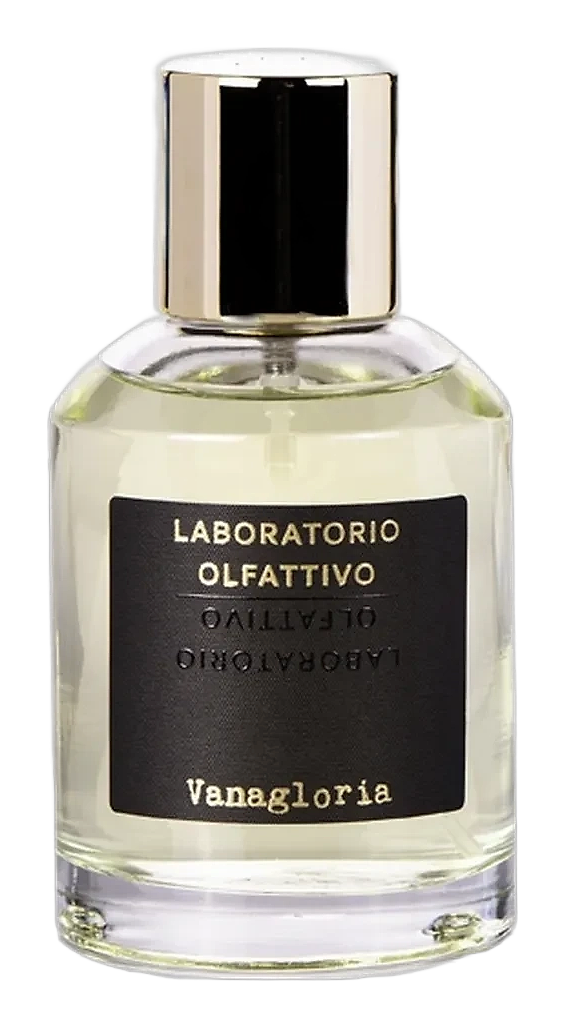
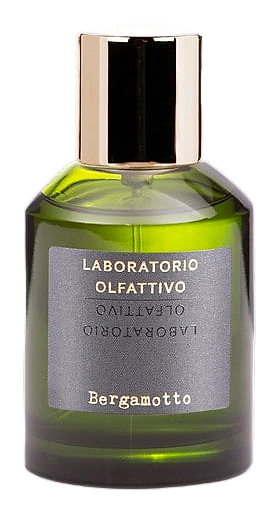
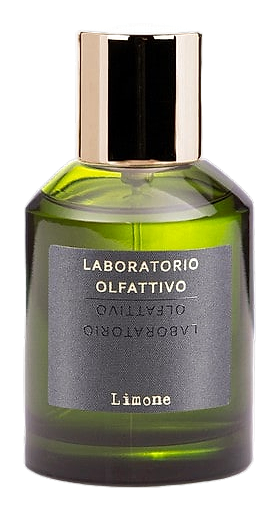
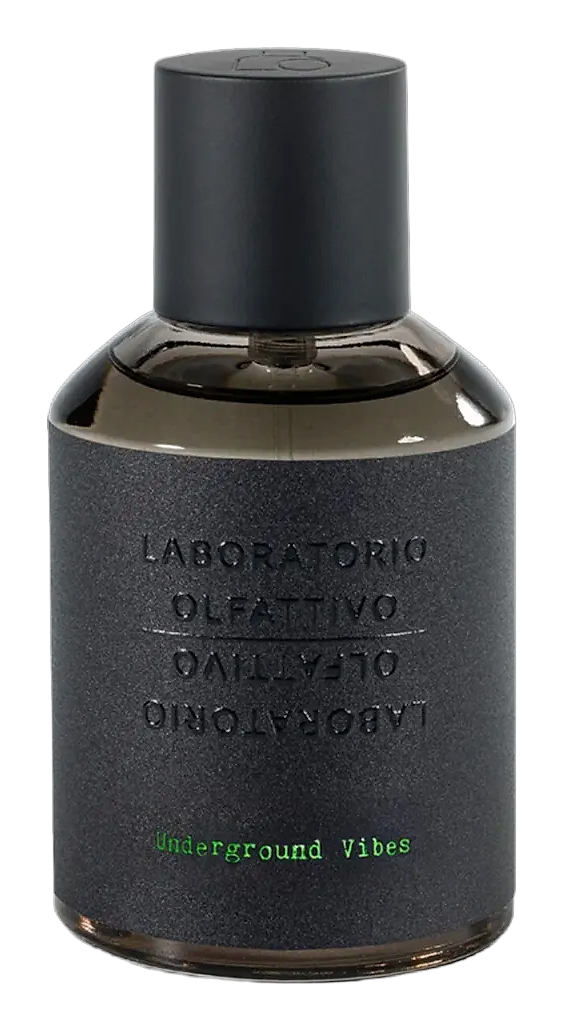
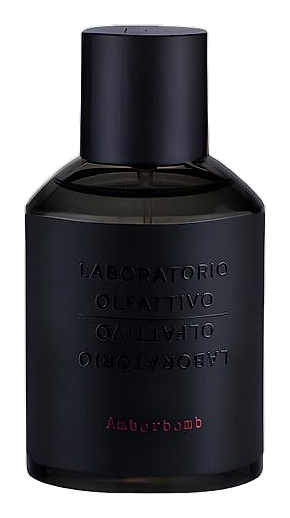
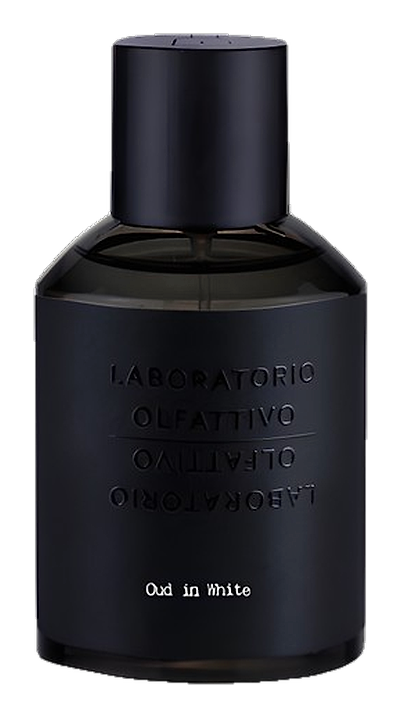
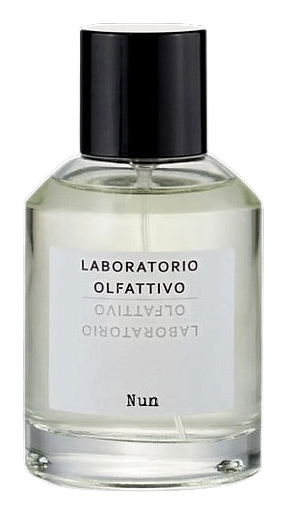
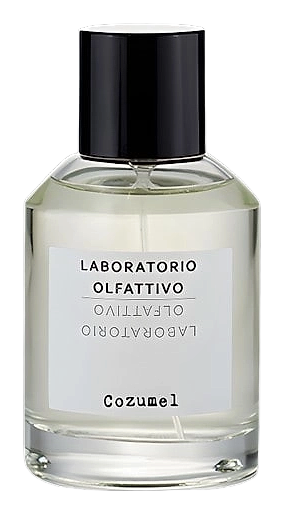
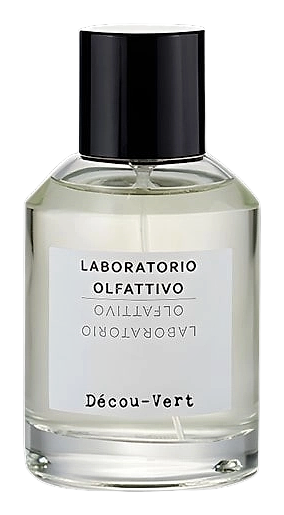
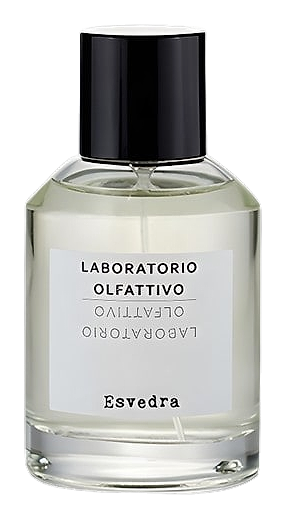
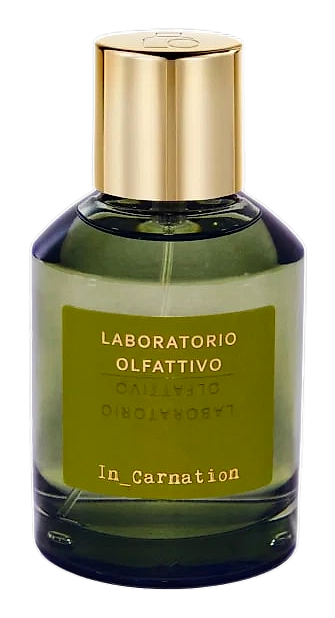
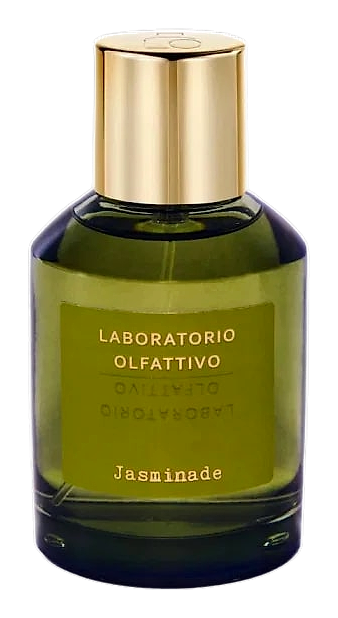
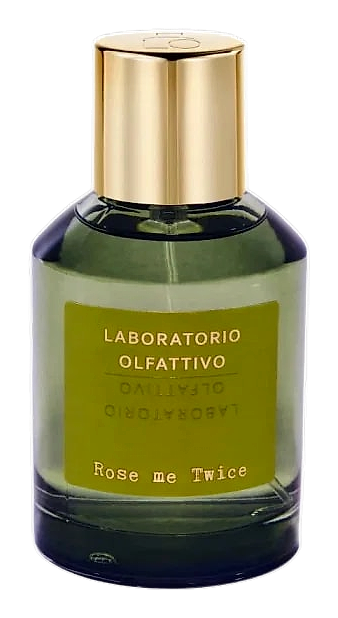
The visual identity of Laboratorio Olfattivo was designed in-house, and it communicates the house's literary, unhurried character through restraint rather than through spectacle. The packaging uses uncoated cardboard with embossed lettering in natural tones, and the design avoids the heavy gilding and glossy finishing common to prestige fragrance. The aesthetic communicates functional precision: understated, confident, and deliberately dry in its sensibility. The typography, the unlaminated paper stock, the minimal labeling all work together to signal a working studio rather than a luxury product. Within the fragrance range, each scent carries its own visual variation while maintaining the house's broader coherence. The bottle design itself is clean and unassuming: simple frosted or clear glass with a small round cap, a restrained sans-serif house name, and a block-lettered fragrance name that is legible at close range. The fill level is marked by a hand-applied dark stain at the neck, a detail that recalls the handmade quality of a working laboratory. The boxes are produced in distinct colors for each fragrance, ranging from deep black and white through more unusual choices like deep blue or warm brown, but the design system is held together by consistent typefaces, consistent paper stock, and consistent restraint in the overall composition. The result does not attempt to announce itself across a room but rewards attention at close range. The aesthetic operates on a register closer to book publishing or independent music packaging than to conventional fragrance retail. The fragrance names further reinforce the editorial character of the house. Rather than the single-word commercial brevity typical of mainstream fragrance, Laboratorio Olfattivo uses names like Vanagloria and Sacreste that carry literary weight and imply narrative content. Arancia Rossa is characteristic: the name evokes the bitter-sweet intensity of ripe Sicilian blood orange, connecting the scent to a specific agricultural geography and a specific sensory quality. The naming approach is a design element as deliberate as the bottle shape and the label stock. It anchors each fragrance to a specific emotional or geographic idea rather than allowing the name to dissolve into pure marketing. The house has largely refused the gendered for-him-for-her language common in the industry, and seasonal marketing or limited-edition packaging are not part of the approach. Each fragrance enters the catalog once, when its time has come, and the visual system has been built to outlast trend cycles and novelty cycles alike. The coherence across the range, maintained for over a decade, is the most visible expression of the founders' commitment to a sustained creative vision rather than a continuously refreshed brand story.
Philosophy
The philosophical core of Laboratorio Olfattivo concerns the independence of each fragrance as a complete work. The house does not organize its catalog into collections, nor does it position newer releases as expressions of a revised brand direction. Each fragrance carries its own inner logic, world, and emotional register. The perfumers collaborating under the label are granted full creative autonomy, which the founders view as essential to producing work with genuine expressive intensity. No brief is issued, no commercial target is set, and the fragrance is not considered successful or unsuccessful based on sales expectations. The collaborators are invited to work from instinct rather than from market research, and the house acts as a facilitator and publisher rather than a brief-giver. This structure sets Laboratorio Olfattivo apart from houses that employ a single in-house perfumer or that manage fragrance development through a centralized creative team. The philosophy also involves a specific position on the purpose of fragrance itself. Laboratorio Olfattivo treats olfaction as a medium of emotional expression rather than a purely hedonic experience. The house does not design for universal wearability or for the frictionless compatibility that mainstream fragrance typically targets. The result is fragrances with specific sillage and longevity characteristics that do not apologize for their own intensity. When reviewing the catalog, a recurrent theme emerges: the house is interested in the emotional depth of a perfume, in what it communicates and how it occupies a space over time. This stands in deliberate contrast to the commercial fragrance model's logic, which often rewards immediate likability and broad accessibility above all else. The two founders speak infrequently in public, and the house does not pose its individual collaborators as personalities or brand ambassadors. The philosophy is embedded in the catalog rather than expressed through marketing statements. The fragrance lover encountering a new Laboratorio Olfattivo release encounters a work whose references, ambitions, and limitations belong entirely to its author, shaped by the house but not constrained by it. The house has also actively avoided the gendered frameworks and seasonal marketing cycles common in mainstream and niche fragrance alike. Each fragrance exists once, complete, and is neither relaunched as an iterator nor retired to make way for a commercial replacement. The inner logic of each perfume defines when and how it is worn. This position on fragrance as a medium rather than a product is the through-line connecting the catalog across more than a decade of releases.
Key Milestones
2009
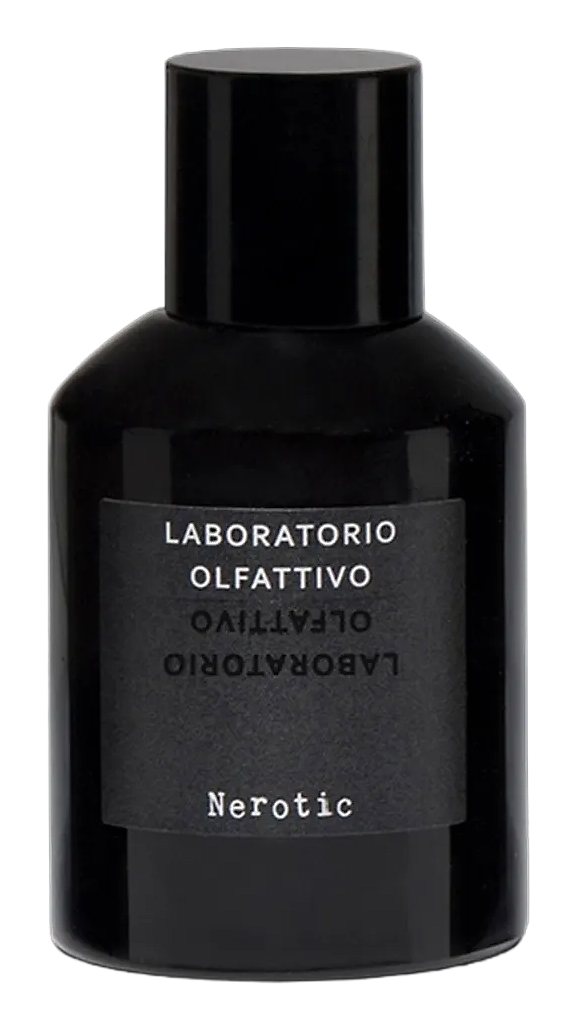
Laboratorio Olfattivo founded in Rome by Roberto Drago and Daniela Caon, debuting five fragrances including Alambar and Nerotic.
2013
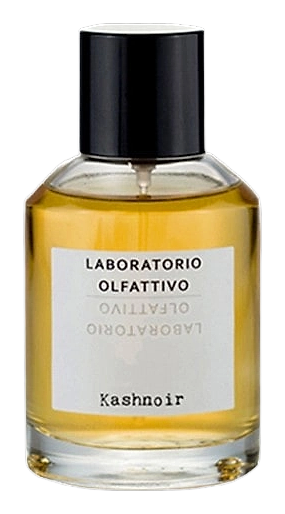
Kashnoir released, introducing an aromatic, vanilla-forward direction that expanded the house's olfactory range beyond the debut signature.
2016
Nerotic receives recognition within the niche fragrance community, solidifying the house's identity for dark, resinous orientals.
2018
Sacreste introduced, pairing smoky frankincense with dry vetiver in an incensed-oriental composition that became a collector favorite.
2020
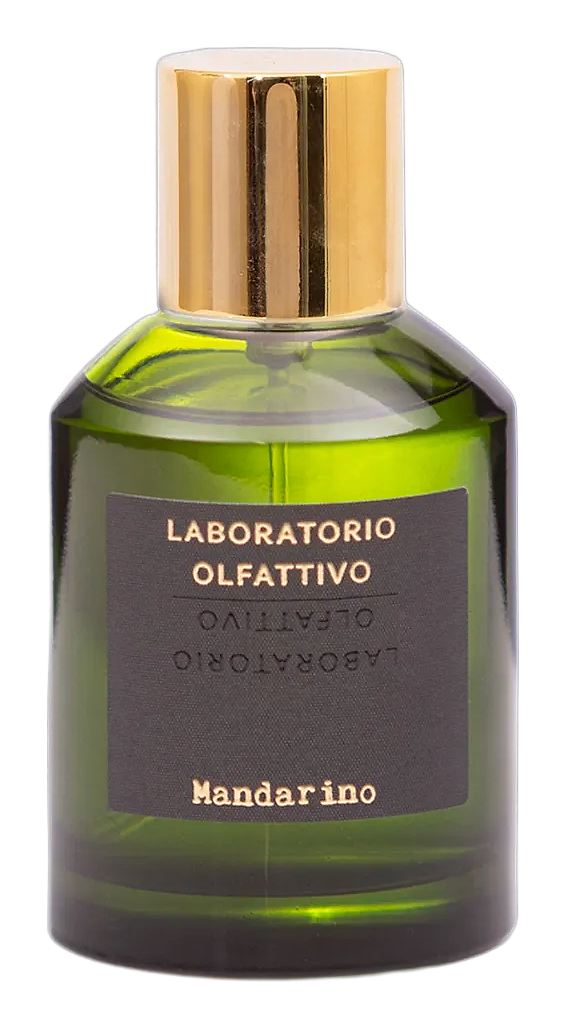
Tonkade released, marking the house's entry into oud-based compositions with a dark, resinous profile. Mandarino also arrives the same year.
2021
Vanagloria released alongside continued Tonkade distribution, expanding the house's presence in oud and oriental territory.
At a Glance
Brand profile snapshot
Origin
Italy
Founded
2009
Heritage
17
Years active
Collection
6
Fragrances released
Avg Rating
4.1
Community sentiment
Release Rhythm


