The Story
Why it exists.
The beginning
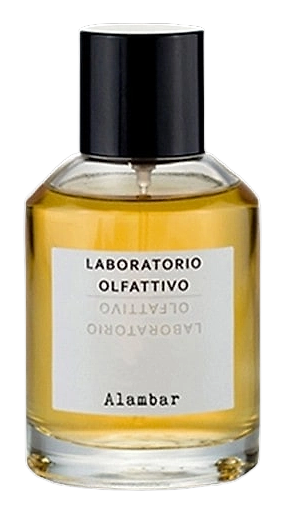
Alambar is the name. The word. Enrico Buccella's tribute to amber itself, and to the many ways it appears across languages: amber, ambar, alambre, ambra, ambrum, ambarum. The fragrance is a meditation on a single material, built from every angle. Bergamot arrives clean and bright. Cocoa adds something darker, almost edible. Then the amber takes over, not subtly, not in the background, but as the full argument. The name isn't a reference to a place or a person or a moment in history. It's the material itself, made central, made singular. Enrico built Alambar from the ground up around that idea, with amber as the defining presence throughout the composition rather than a supporting element.
What makes Alambar distinctive is the amber appearing at every level of the pyramid, top, heart, and base. Most fragrances use amber as a foundation, a warmth that settles beneath the real architecture. Here, it's the architecture itself. Bergamot and cocoa open bright and dark at once, giving the amber somewhere to land. Cinnamon and vanilla deepen it as it develops. By the time you reach the base, amber isn't a note anymore, it's the air. The composition has an ambition to it, a willingness to commit fully to a single idea rather than hedging. This isn't a subtle fragrance.
The evolution
The bergamot opens clean, that citrus brightness that makes everything else feel sharper. Cocoa comes in alongside it, giving the opening a dark, almost confectionary warmth. Then the amber arrives. Not gradually. All at once, like pouring warm resin. The heart settles into cinnamon and vanilla, but the amber doesn't step aside, it deepens, becoming medicinal, sticky, dense. The vanilla eventually surfaces, sweet and close, as the cinnamon softens. The drydown is amber and vanilla together, warm resin on skin that hasn't quite cooled. What develops over time is a sense of the amber becoming more intimate rather than fading, the sweetness of the vanilla threading through it, the darker aspects of the cocoa lingering at the edges. There's a quality to the later stages that feels like the fragrance is settling into itself, finding its most comfortable expression.
Cultural impact
Amber has long been a foundational material in perfumery, valued for its warmth and versatility across fragrance families. Alambar takes this material and builds an entire composition around it, with the cocoa note adding a dimension that keeps the amber from feeling predictable. The result is something that reads as both classic and contemporary, drawing on the richness of amber while pushing into territory that feels fresh. Laboratorio Olfattivo has positioned this fragrance for someone looking for depth without the expected sweetness, warmth without the familiar trajectory.