The Story
Why it exists.
The beginning
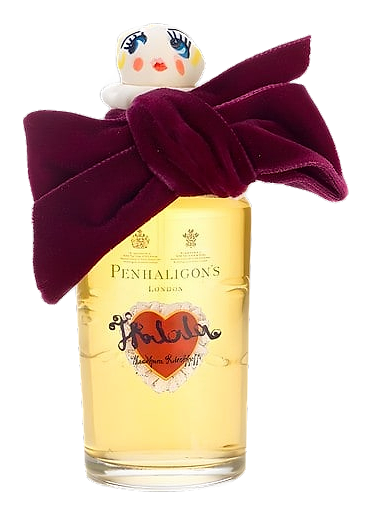
In 2014, the British fashion house Penhaligon's partnered with Meadham Kirchhoff, the London fashion label, to create their first fragrance. The brief was simple on paper: translate a fashion house's ethos into smell. Bertrand Duchaufour built Tralala around a tension that runs through the entire composition: vintage glamour versus something rawer underneath. The aldehydes evoke powder rooms and champagne flutes, that particular shimmer of another era. The whiskey suggests late nights and loosened inhibitions, its amber warmth threading through the opening. Tuberose and leather in the heart speak to skin, to heat, to intimacy. There's a flirtatious quality at first, then something more serious emerges. It's a perfume that beckons and then insists it wasn't joking.
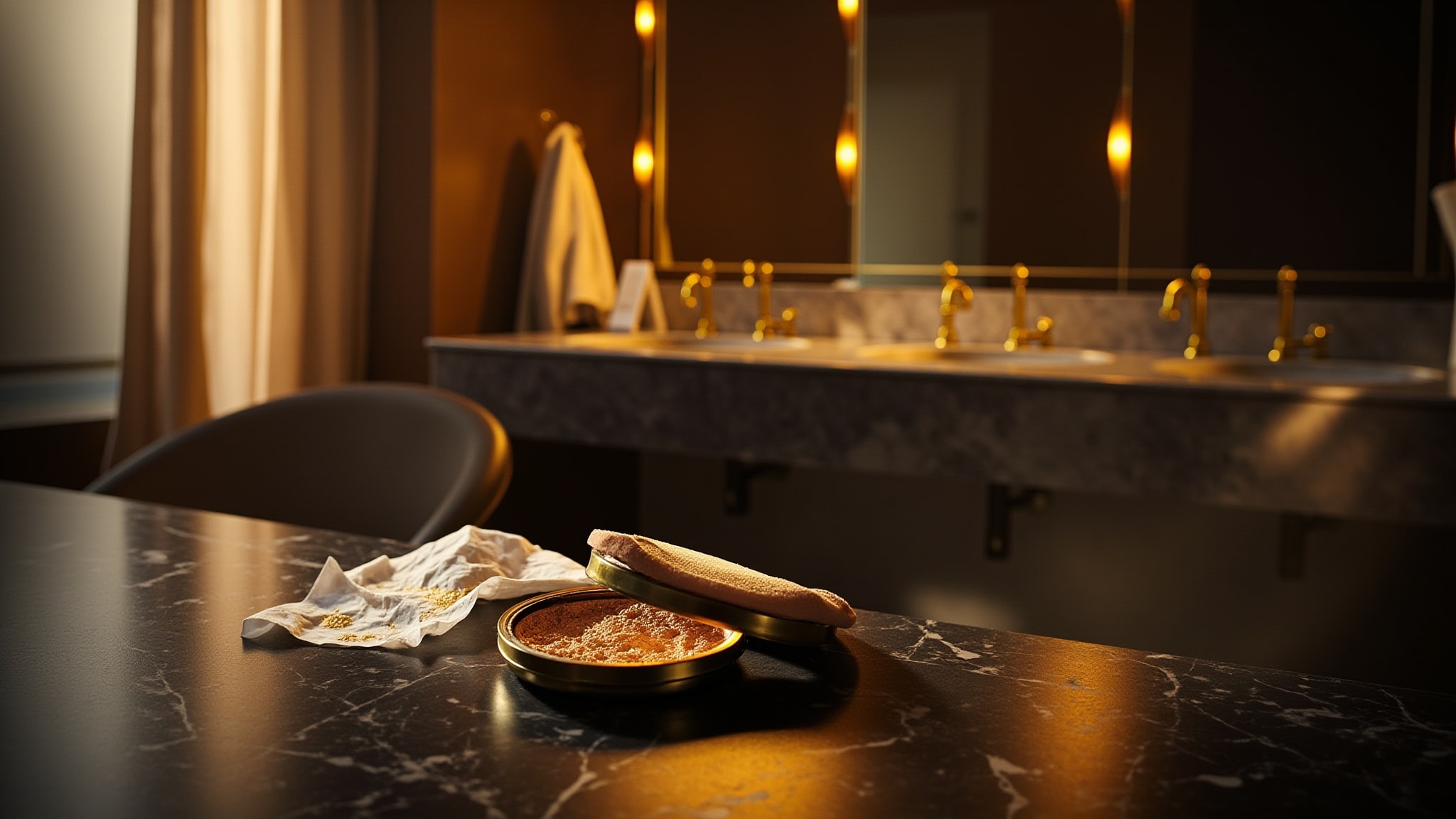
What makes Tralala's structure unusual is the aldehyde opening paired with whiskey. Aldehydes have a soapy, glittering quality. They smell like 1960s glamour, like a powder compact opened in a dressing room. Here, that shimmer collides with whiskey's amber warmth and saffron's dry spice, creating an opening that feels simultaneously elegant and slightly boozy. The transition to the heart reveals another tension: the florals aren't soft. Tuberose is creamy but also indolic, animalic. Carnation adds a peppery edge.
The evolution
Tralala opens with a mist of aldehydes, fizzy, glittering, instantly vintage. Think champagne bubbles, a powder compact, the shimmer of old Hollywood. Underneath, whiskey arrives warm and slightly boozy, with saffron adding a dry spice that keeps everything from getting too sweet. Violet leaf absolute contributes a green, almost waxy quality that grounds the opening. As the aldehydes soften, the whiskey becomes a more diffuse warmth. What emerges is the heart: tuberose, leather, frankincense. The florals aren't gentle here. Tuberose has a creamy, almost animalic presence. Leather isn't harsh but it is present, something worn and warm. Carnation adds a peppery-spicy note that keeps the heart from becoming purely feminine. The drydown settles into a quieter register. Vanilla and heliotrope create a powdery warmth that reads as intimate, close-to-skin.
Cultural impact
Tralala occupies an unusual position: a heritage British house collaborating with a fashion label. The aldehyde-vanilla-patchouli structure places it in conversation with vintage orientals. The leather and whiskey keep it feeling contemporary rather than purely nostalgic. It's more a collision than a reference. The fragrance has developed a devoted following among those who seek it out, its composition offering something that feels both familiar and unexpectedly bold.
The House
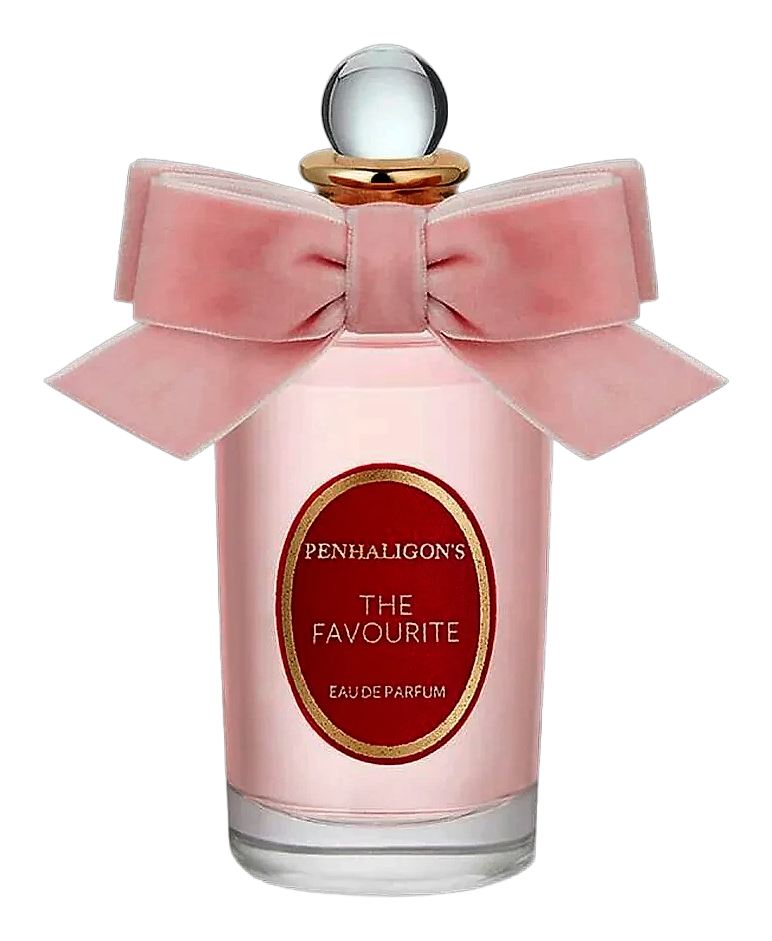
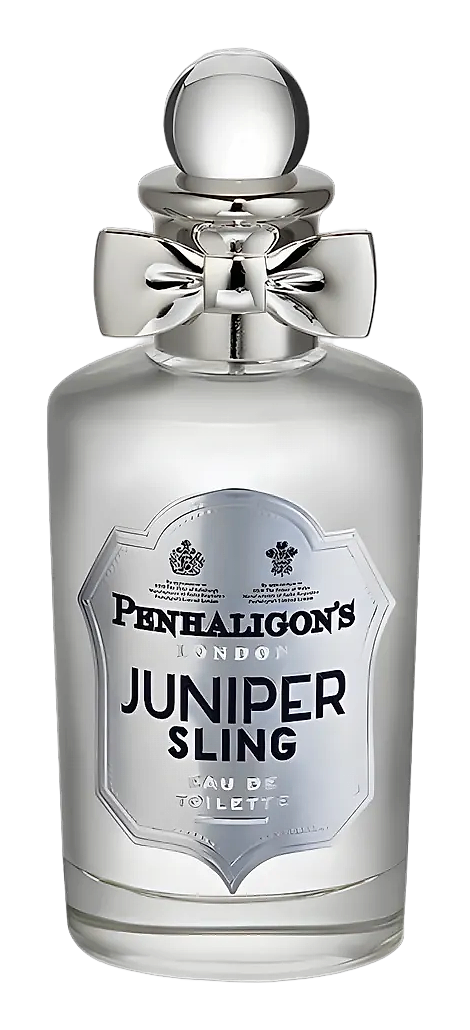
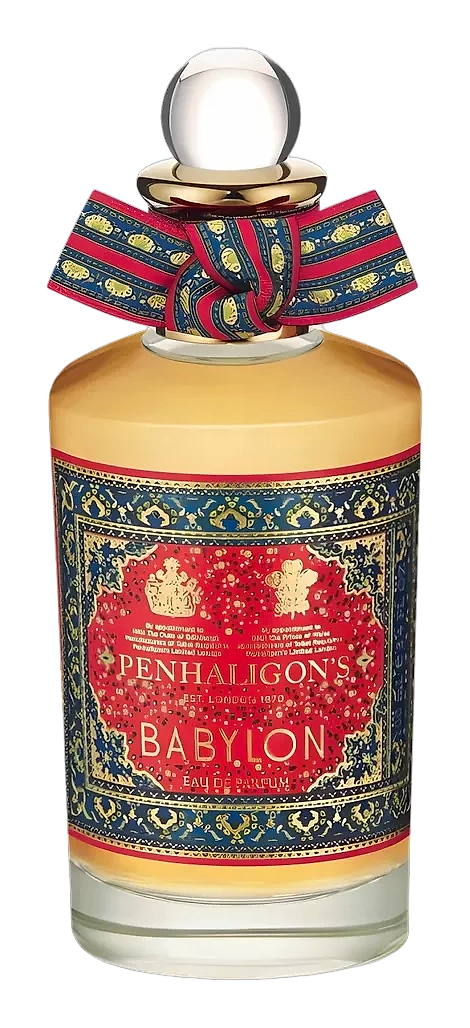
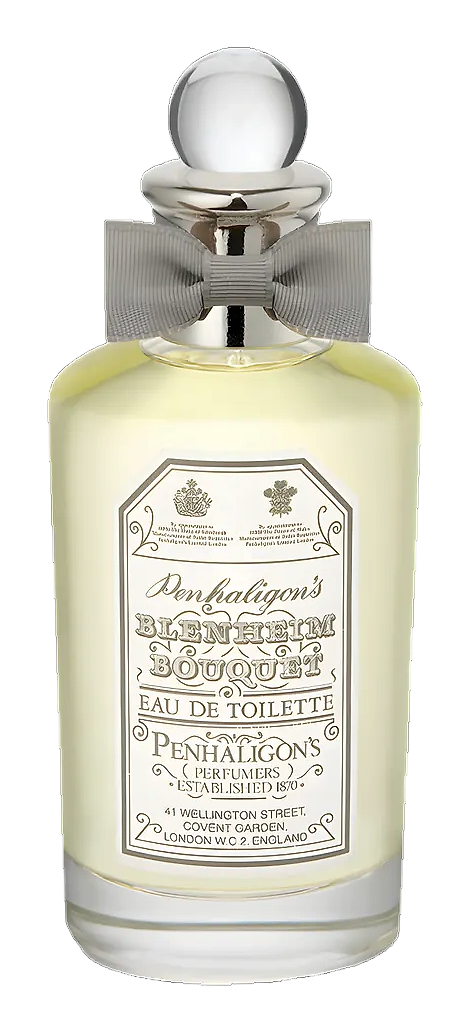
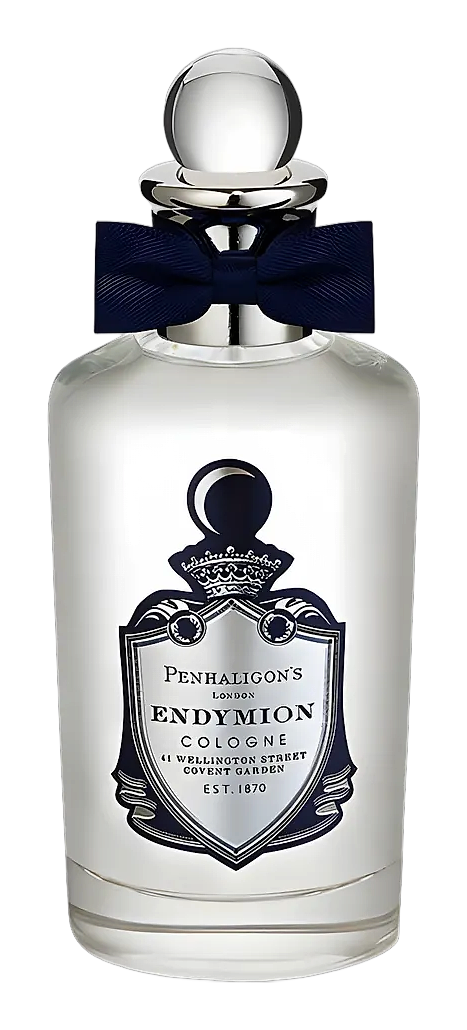
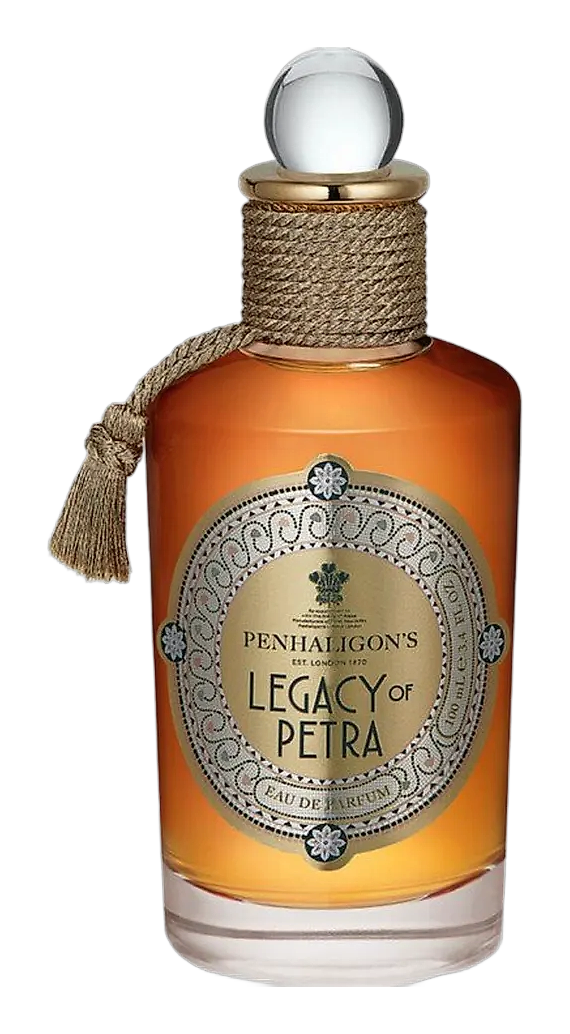
Penhaligon'sPenhaligon's stands as one of Britain's most distinguished fragrance houses, a brand born from Victorian London that has dressed royalty for over 150 years. Founded by Cornish barber William Henry Penhaligon in the 1870s, the house began crafting scents for discerning gentlemen in the heart of Mayfair. Today, Penhaligon's holds Royal Warrants from both The Prince of Wales and the Duke of Edinburgh, a testament to centuries of olfactory excellence. The collection spans heritage blends like the legendary Blenheim Bouquet alongside contemporary creations from master perfumers including Alberto Morillas and Bertrand Duchaufour. What sets Penhaligon's apart is this beautiful dialogue between eras: century-old formulations exist shoulder to shoulder with cutting-edge fragrance technology. The brand's distinctive bottles, with their signature bow-tie stoppers, remain a direct tribute to William's original design, bridging past and present with elegant restraint.
The Creator
Bertrand DuchaufourDuchaufour is the master of smoke and shadow, of incense rendered with painterly depth rather than theatrical force. Where many perfumers treat frankincense as a single note, he builds incense as a tonal range, capable of austerity or warmth depending on what the fragrance dem…