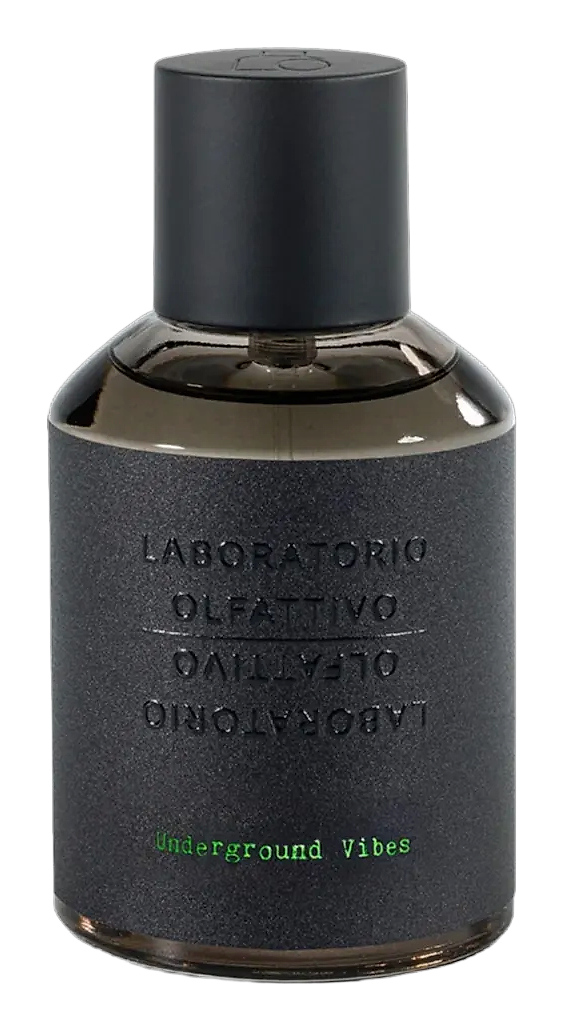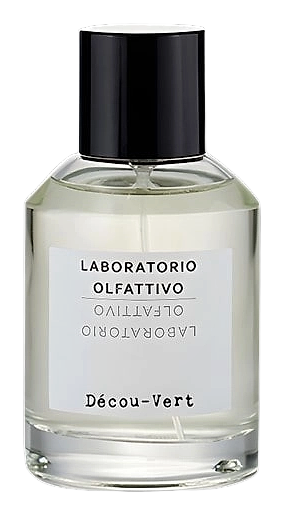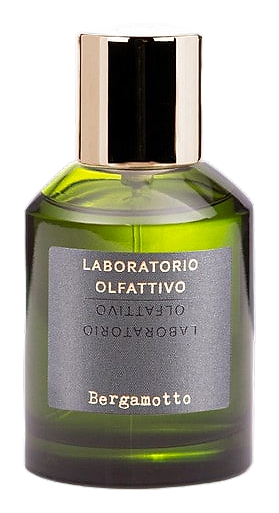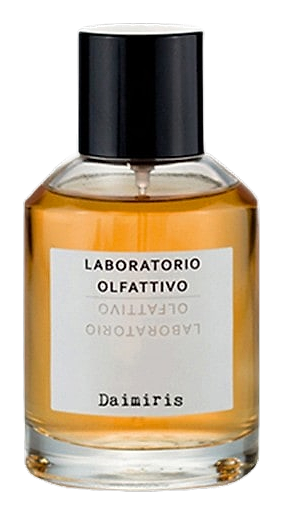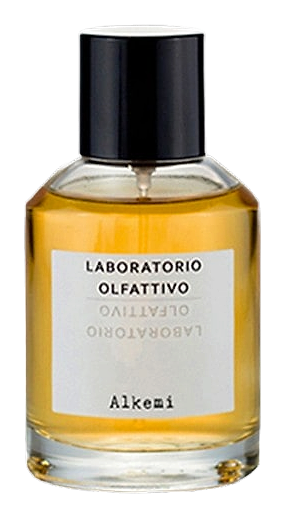

The Story
Why it exists.
The beginning
Alkemi emerged from the 2010 launch of Laboratorio Olfattivo as a study in transformation, the word itself derives from alchemy, the ancient art of turning base matter into something precious. Perfumer Marie Duchêne built Alkemi around that premise: what happens when oriental resins, warm woods, and flowers are allowed to shift and change on skin rather than arriving fully formed? The composition moves. It does not stay. The brief, if one was issued, was almost certainly loose enough to allow exactly that, Laboratorio Olfattivo grants its collaborating perfumers full creative autonomy, no commercial targets, no house codes. Duchêne used that freedom to construct a fragrance that behaves the way its name promises: a slow transmutation from bright, golden warmth into something deeper, more resinous, and ultimately more true. The amber that opens is not a static anchor. It is a starting point.
What makes Alkemi work is the tension between restraint and richness. Vanilla is present in the base, but it never overwhelms, cashmere wood and sandalwood soften its sweetness into something powdery and close. Meanwhile, Somalian frankincense adds a cool, almost medicinal smoke that cuts through the warmth before the two sides settle into balance. Indonesian patchouli contributes the earthy, camphoraceous character that Mysore-sourced patchouli is known for, distinctive rather than generic, and it threads through the heart in a way that prevents the fragrance from becoming purely dessert. Cedar rounds everything with a dry, woody precision.
The evolution
The opening is a decision. Amber arrives first, bold, golden, almost sticky, followed immediately by ylang-ylang's slightly narcotic sweetness. For the first twenty minutes, Alkemi announces itself. Then the incense moves in. Not smoke as in campfire, cooler than that, more like the memory of incense in a stone space. Myrrh thickens around it. Cedar arrives to dry the resins out slightly, pulling the composition away from sweetness and toward something contemplative. This is the heart phase: warm, resinous, and quiet. By hour three, the vanilla emerges. It does not dominate. It softens. Cashmere wood carries the powdery warmth into the final act, and sandalwood extends the base with a creamy persistence that lingers on fabric long after the skin has cooled. Alkemi lasts six to eight hours on most skin types. On wool, it lasts until the next wash. The drydown is not a ghost, it is a trace, intimate and addictive, the kind of warmth that makes someone lean closer without knowing why.
Cultural impact
Alkemi occupies a specific space in the niche fragrance world: oriental without spectacle, warm without announcement. Wearers describe it as the kind of scent someone wears when they no longer need to be noticed. The intimate sillage and resinous drydown have made it a quiet cult favorite among those who prioritize presence over projection, a winter staple for the contemplative dresser.
The House
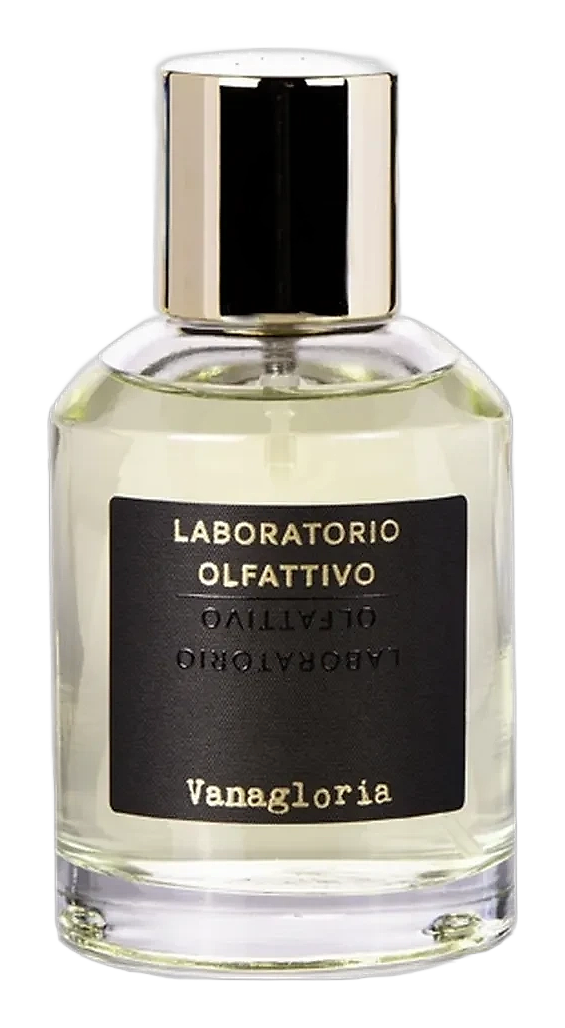
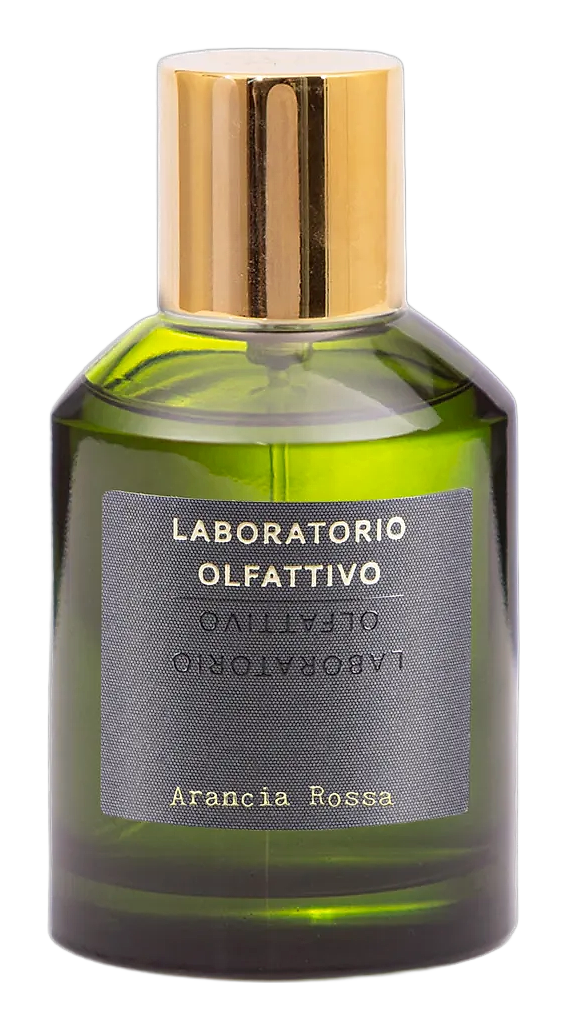
Laboratorio OlfattivoLaboratorio Olfattivo is an independent Italian niche house founded in Rome in 2009 by creative director Roberto Drago and business partner Daniela Caon. The house operates as a creative platform, collaborating with perfume craftsmen who work autonomously under the Laboratorio Olfattivo name rather than operating through an in-house perfumer. Each fragrance exists as its own standalone work, not part of a numbered collection. The house is recognizable by a characteristic dark amber, vetiver, and resin signature anchored by a consistent base structure across releases. Arancia Rossa stands out as a vivid, saturated blood-orange perfume built over that warm amber-vetiver foundation. The catalog spans orientals with deep burnished woods and resins alongside brighter citrus compositions. The output is deliberately unhurried, with one to three new fragrances arriving most years, and the two founders remain the sole creative force behind the label. Roberto's family background runs through the Italian perfume trade, reportedly through his father Luigi Drago's work running a perfume distribution house. By contrast, Laboratorio Olfattivo itself has never sought outside investment, remaining entirely founder-owned and operated. The self-funded structure means完全没有外部资金压力,创意方向不受投资者期望驱动。This shape shifting has translated into a genuine point of view that longtime followers recognize in the catalog. The founding story holds particular interest within the niche fragrance community because the label avoids the conventional channels of beauty entrepreneurism. There is no private label background, no pivot from cosmetics, and no celebrity angle. Instead, a distribution professional and a marketing executive with a shared passion built something from scratch in Rome and held to it for over a decade. The name Laboratorio Olfattivo translates roughly to olfactory laboratory. It signals that the house is understood as a working studio for assembling aromatic materials rather than a heritage brand performing its own mythology. The founder-driven ethos has also meant that the house has remained genuinely small in team size, operating with a long-term perspective rather than chasing market relevance. Every creative decision filters through the two founders, contributing to a catalog that feels internally motivated rather than assembled by committee.
The Creator
Marie DuchêneMarie’s style leans toward naturalism, favoring botanical absolutes, fine woods, and delicate florals. She often begins with a single heart‑note—lavender, rose, or jasmine—then builds a supporting structure of citrus top notes and soft musks.