The Story
Why it exists.
The beginning
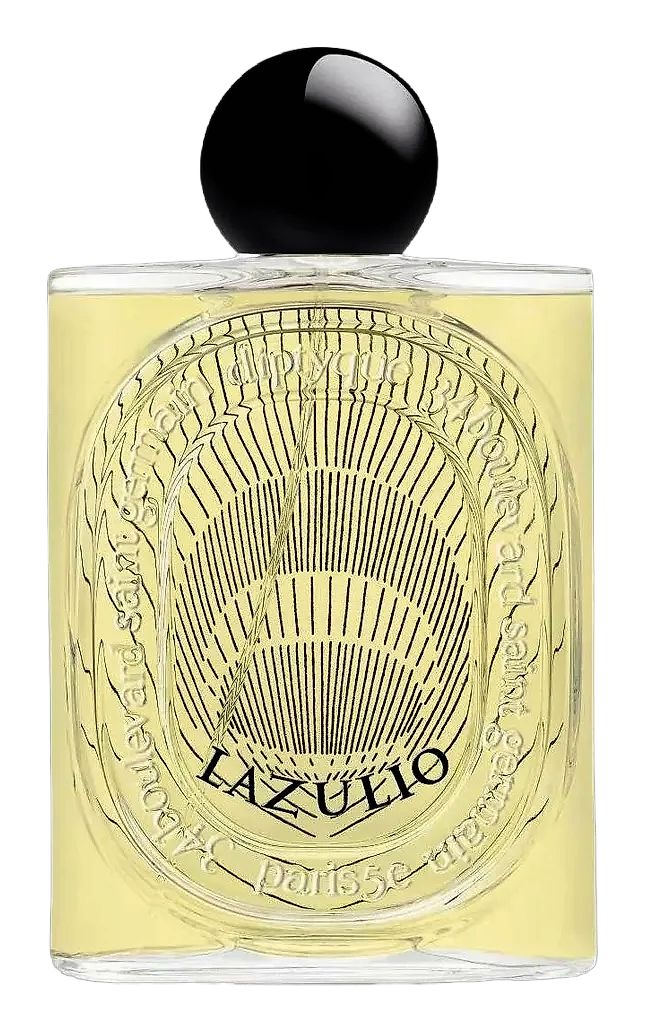
Lazulio takes its name from lapis lazuli, that deep, almost impossibly blue stone prized since antiquity. But this fragrance draws its real inspiration from the peacock, whose plumage has appeared in paintings since ancient times for one reason: its beauty is confrontational. Diptyque wanted to translate that confrontation into scent. Not a literal peacock, no blue accord or metallic shimmer, but the feeling of encountering something magnificent and not quite knowing how to respond. Quentin Bisch built the composition around rhubarb, vetiver, and benzoin, letting the tension between tart and warm do the work the peacock's colors do visually. The 2025 launch marks a continued expansion of Diptyque's Les Essences collection, which strips back some of the house's more elaborate signatures to focus on singular olfactive ideas.
What makes Lazulio interesting isn't any single material, it's how the rhubarb behaves. In most fragrances, rhubarb reads as a top-note brief: green, tart, gone in twenty minutes. Here, it persists through the heart, softening as benzoin warms it. The Haitian vetiver adds a smoky, earthy depth that keeps the sweetness from becoming cloying. The touch of rose in the heart isn't a floral pivot, it's a question mark, a moment where the composition could go several directions and chooses to pause. This restraint is Diptyque's signature move: a fragrance that knows when to stop pushing.
The evolution
The opening hits with rhubarb's tart bite, bright, vegetal, almost acidic. If you've ever chewed on a fresh stalk, that sharpness is here, but tempered by something green underneath. Within thirty minutes, the floral notes begin to surface, not the rose itself but an impression of it, clean, slightly sweet. The vetiver arrives quietly, not announcing itself but slowly replacing the sharpness with depth. By the second hour, the benzoin takes over, and the composition shifts entirely into warm, resinous territory. The sillage becomes intimate, someone standing very close will notice it, but not across a room. The drydown is where Lazulio earns its keep: benzoin and vetiver together create something that smells like warm skin left in sunlight. It lasts eight to ten hours on most skin types, fading not into nothing but into a close, warm presence that stays until you wash it off.
Cultural impact
Lazulio joins a growing collection of fragrances that resist easy categorization, woody but aromatic, sweet but grounded. The rhubarb note is unusual enough to create conversation, but the composition is restrained enough to wear daily. It's the kind of fragrance someone chooses because they've thought about it, not because a checklist of notes appealed to them.