The Story
Why it exists.
The beginning
Vétiver Écarlate arrived in 2022 as part of L'Artisan Parfumeur's Le Potager collection, a line built around the sensory inventory of the garden rather than the usual floral suspects. Perfumer Quentin Bisch reached for something unexpected: the tomato plant itself, from leaf to root. Not the fruit. The green architecture that holds it all up.
Tomato leaf is a material most perfumers avoid, it's easy to get wrong, veering into cat-piss sharpness or vanishing entirely. Bisch's solution was contrast: surround the green with citrus brightness and anchor it all in vetiver's woody depth. The result is a fragrance that smells like the moment before you realize what's growing, not the moment you harvest it.
The evolution
The opening hits sharp and immediate, tomato leaf's green bite softened slightly by grapefruit's acidity. Bergamot appears in the first minutes, lending a brief citrus shimmer before galbanum takes over, pushing the green deeper and more vegetal. Blackcurrant bud adds a faint fruity tartness that keeps things interesting. The heart belongs to tomato leaf and vetiver together, the fresh green eventually yielding to something earthier, rootier, as the citrus fades. The drydown is where this lives longest: warm vetiver, slightly smoky, skin-close and persistent. Eight to ten hours on most skin types, with moderate sillage that announces nothing but refuses to leave.
Cultural impact
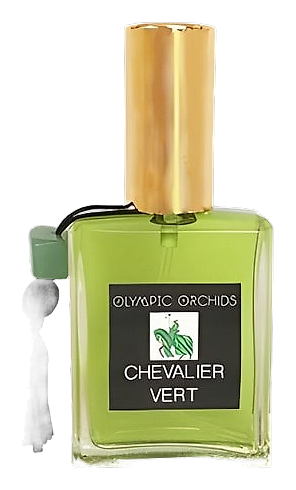
Vétiver Écarlate has found its audience among those who've been searching for a tomato leaf that works. Community reviews consistently cite it as more wearable than Olympic Orchid's Chevalier Vert, less sharp, more persistent, and longer-lasting than Hermès Jardin Sur Le Nil. It's become the benchmark for anyone else attempting the note.