Tomato Leaf
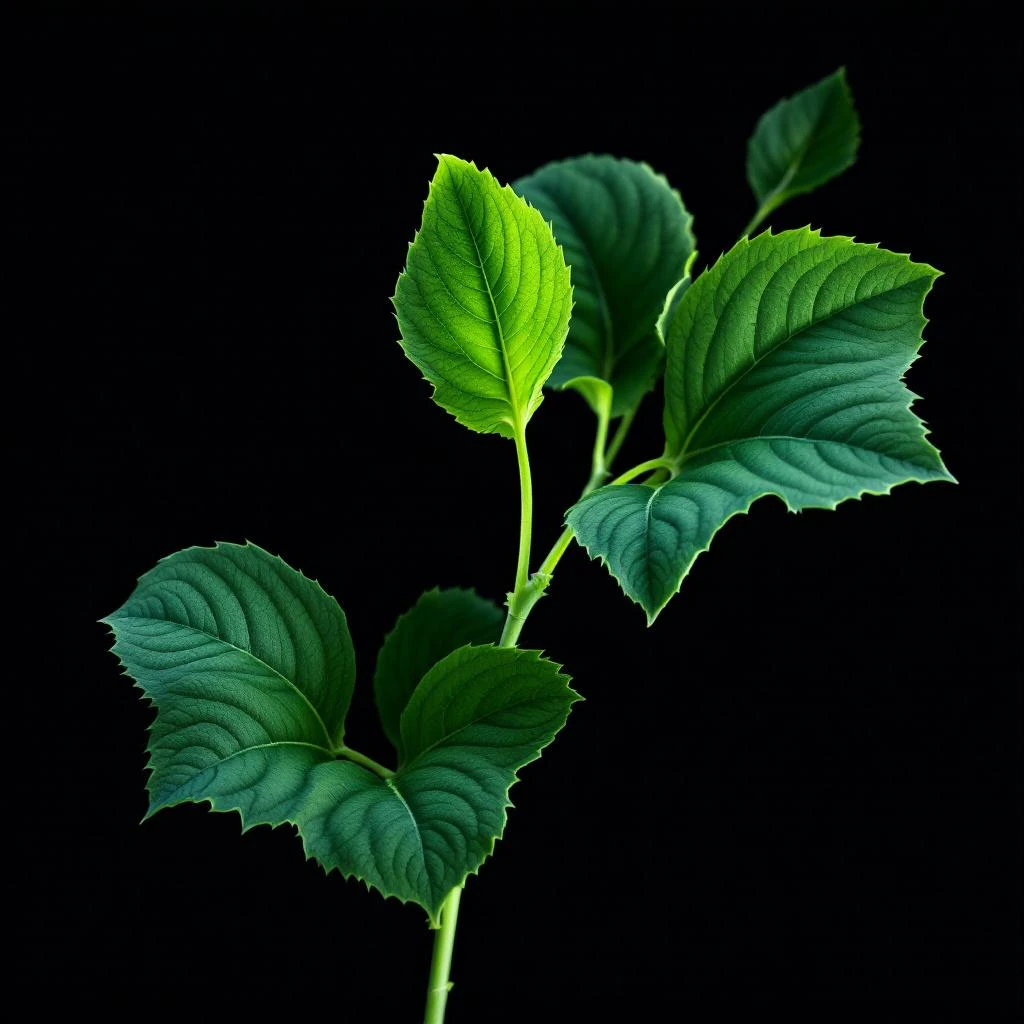
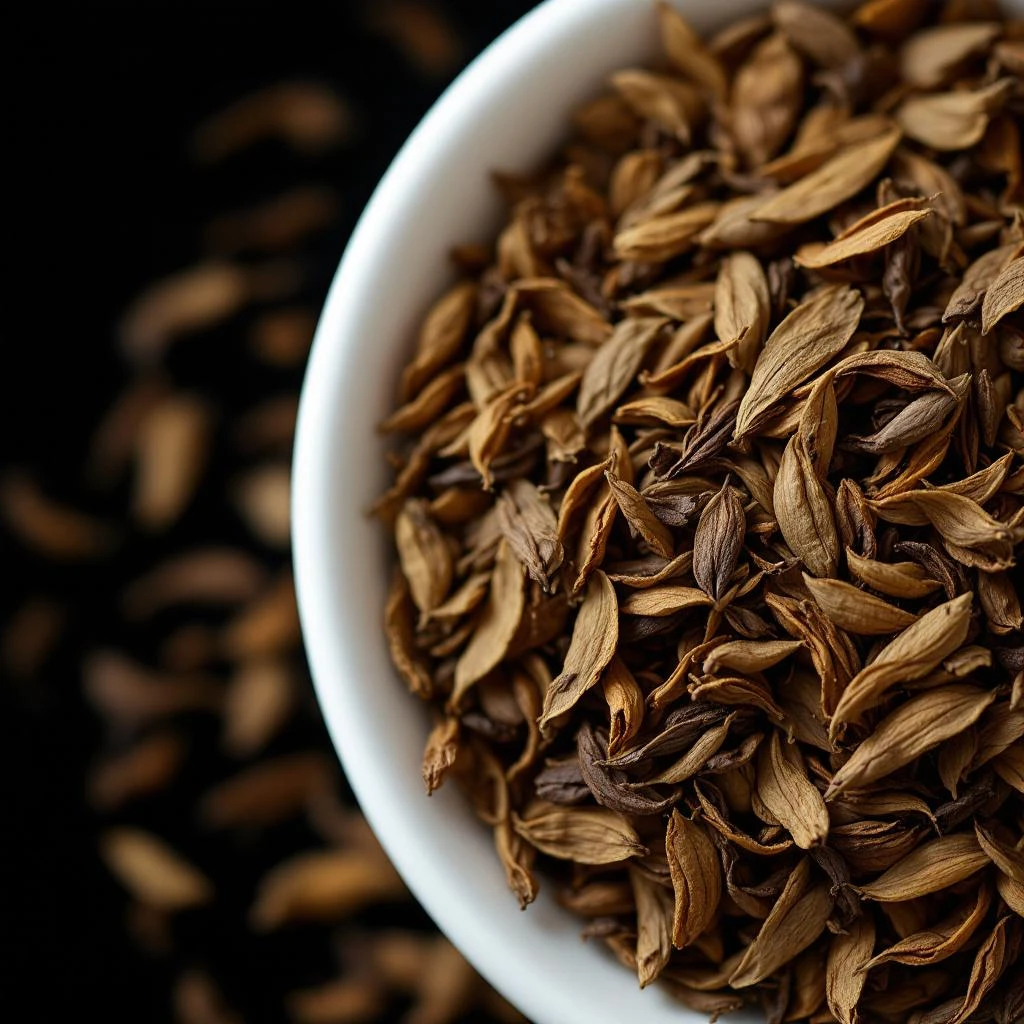
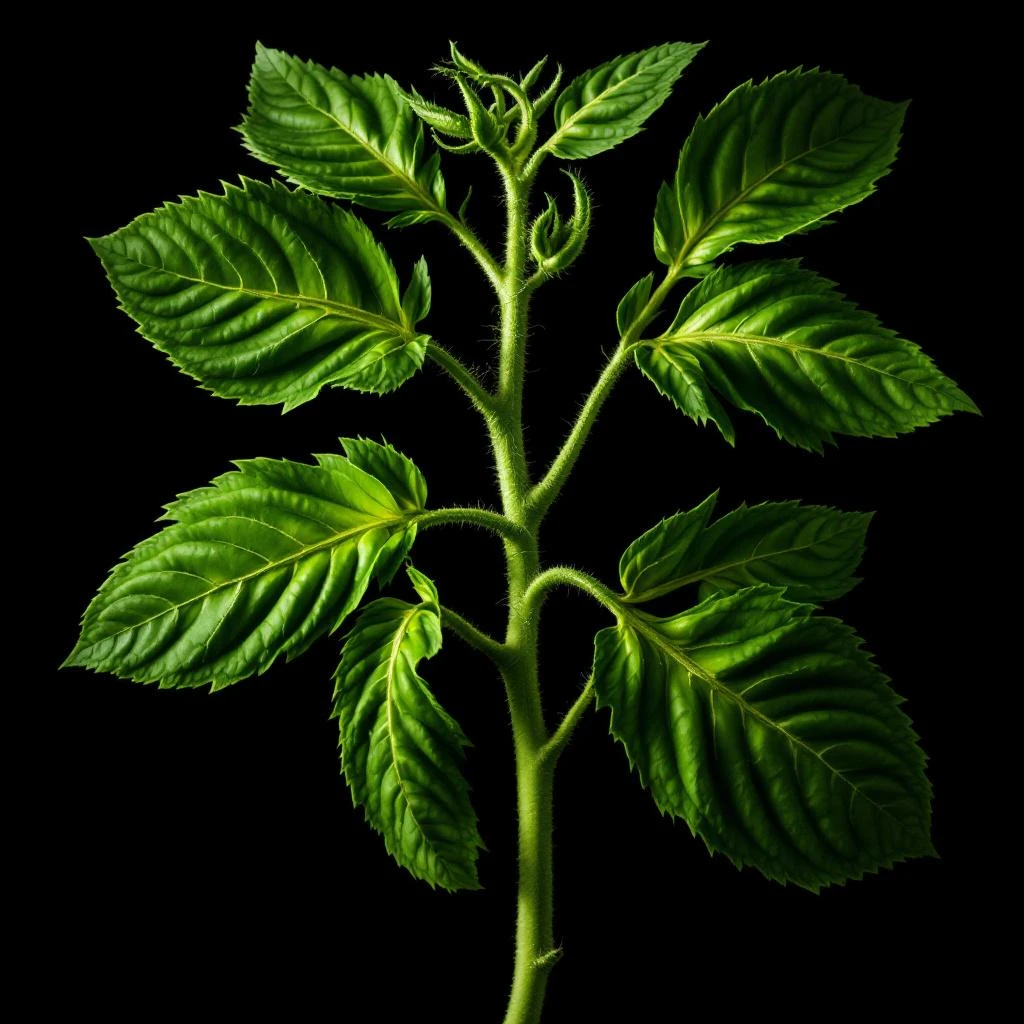
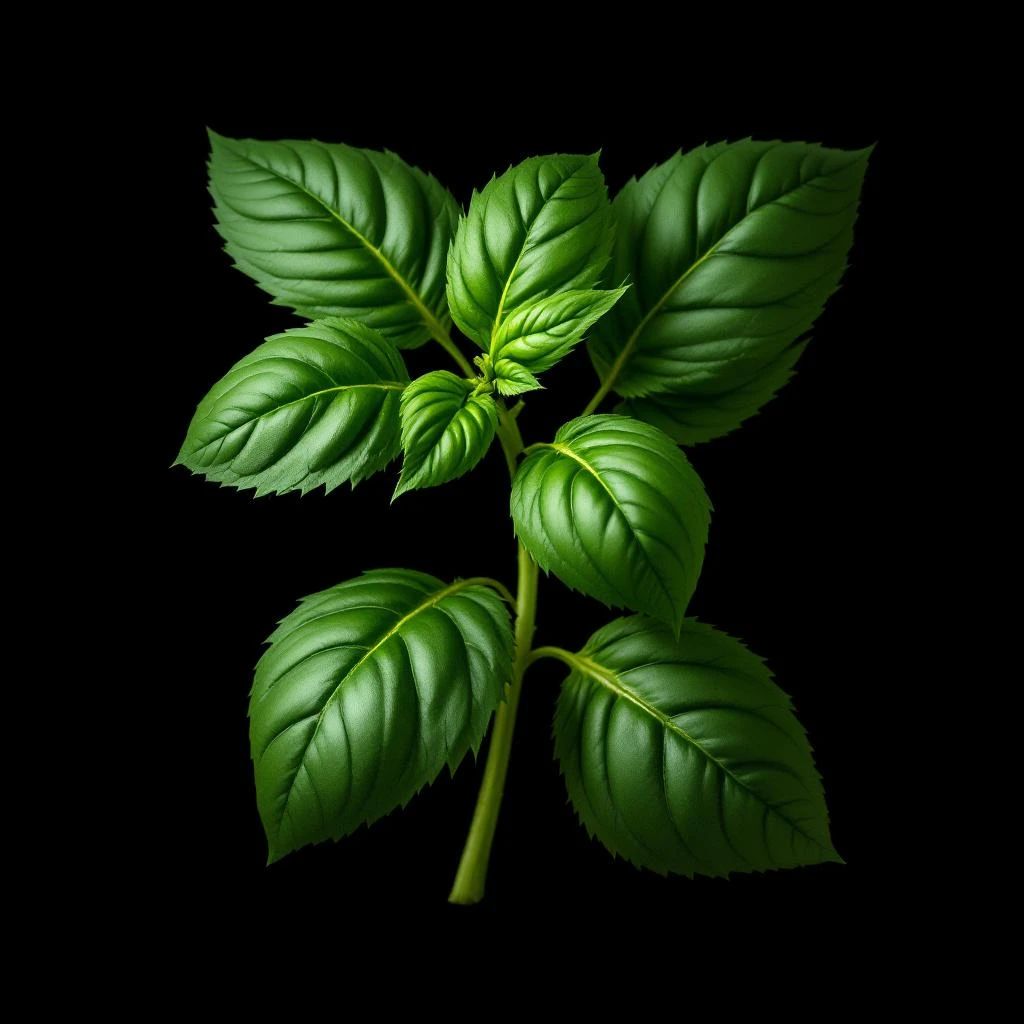
The crisp snap of tomato leaf, sun-warmed and resinous, bottled. 2-Isobutylthiazole, detected at just 3.5 parts per billion, gives this note its unmistakable living-green signature.
Character
How it smells
Garden green captured in a single breath
The scent does not come from the leaf itself but from bulbous glands atop microscopic trichome hairs covering the plant's stems and foliage.






Origin
France
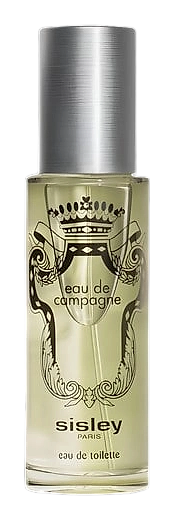
Tomato leaf crossed into fine perfumery in 1976 when Sisley launched L'Eau de Campagne, the first commercial fragrance built around this green vegetable note. Before that moment, tomato foliage existed only in kitchens and gardens, its aroma considered too rustic for serious composition. The scientific groundwork arrived earlier: chemists identified 2-isobutylthiazole in 1971, isolating the single molecule responsible for the distinctive smell from thousands of plant volatiles.
Following Sisley's pioneering release, the note spread through niche perfumery, appearing in Annick Goutal's Passion and later becoming a staple of green, garden-inspired compositions. Givaudan's synthetic reproduction democratized the ingredient, giving perfumers consistent access to a note that previously depended on seasonal harvests. Today, tomato leaf represents a turning point in perfumery: the successful translation of a humble, even utilitarian plant into high-craft fragrance.
Its rise paralleled broader interest in vegetable and gourmand-adjacent notes, expanding the perfumer's palette beyond traditional florals and woods.
Wears it best
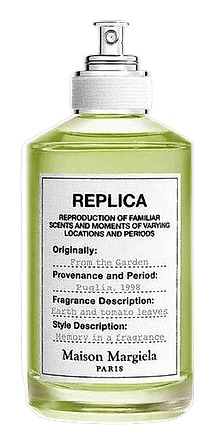
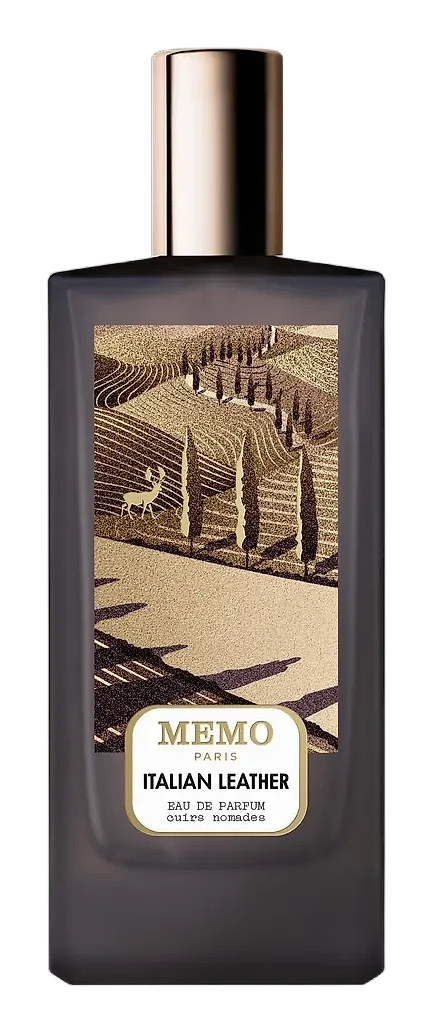
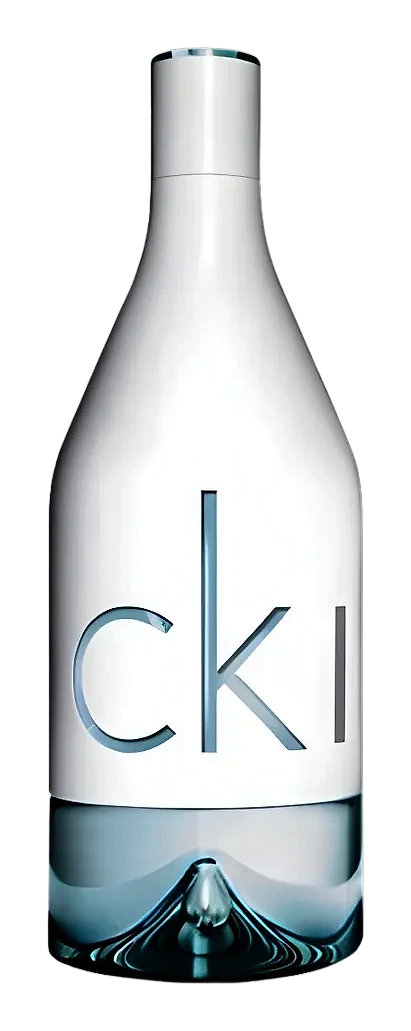
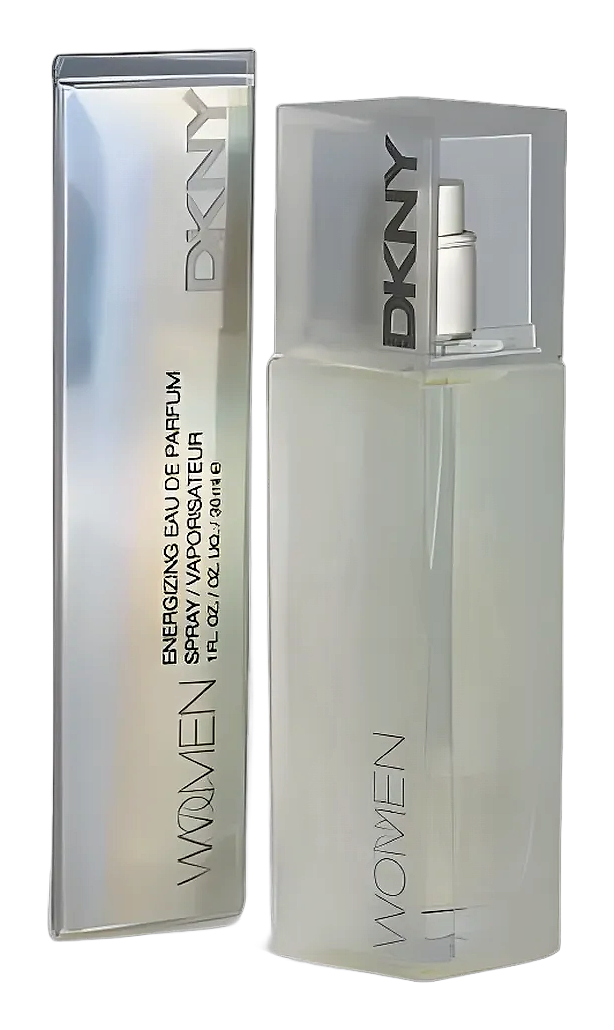
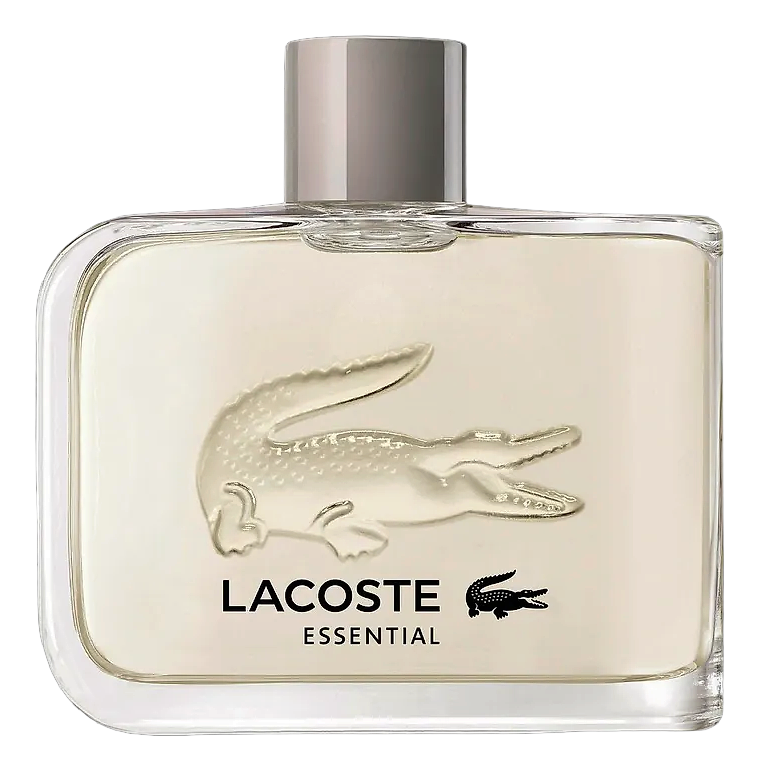
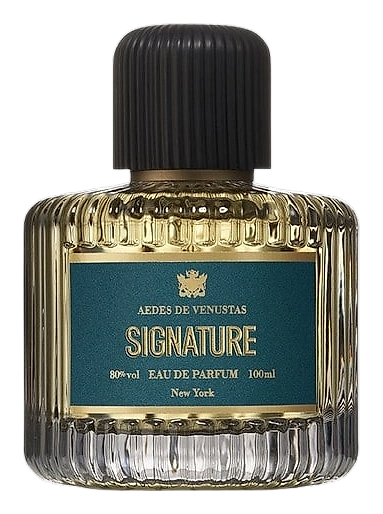
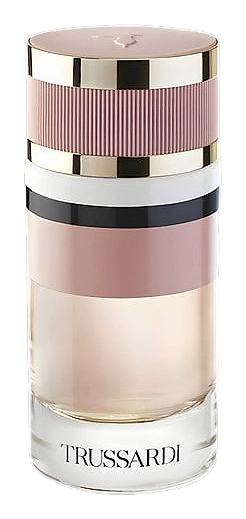
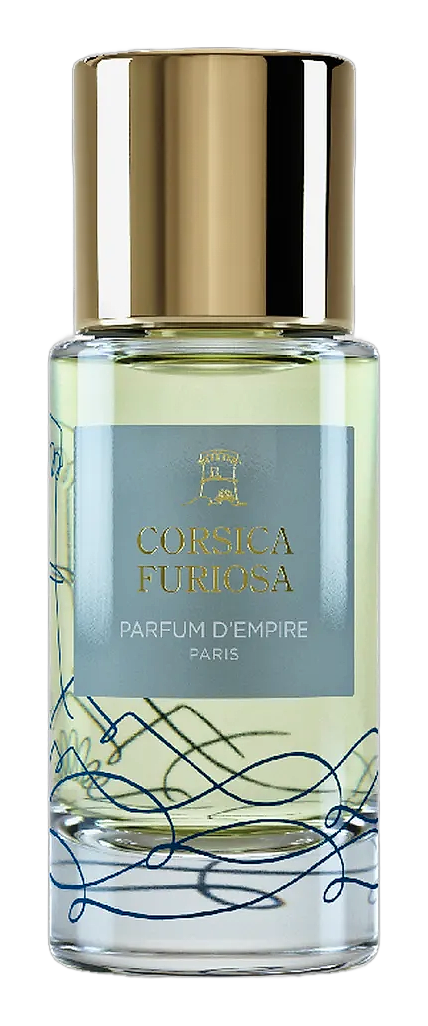
Fragrances featuring Tomato Leaf



Brands
Brands known for Tomato Leaf
Good to know
Questions, answered
The essentials on Tomato Leaf in perfumery: how it smells, where it comes from, and how it behaves on skin.
What does tomato leaf smell like in perfume?
Tomato leaf registers as a sharp, living green with earthy, vegetal undertones. The aroma evokes crushed stems and sun-warmed foliage, driven by 2-isobutylthiazole, a sulfur-containing molecule detected at just 3.5 parts per billion.
Which fragrance first used tomato leaf?
Sisley's L'Eau de Campagne in 1976 was the first major commercial fragrance built around tomato leaf, establishing the note in fine perfumery and inspiring later garden-themed compositions.
Is tomato leaf natural or synthetic in perfume?
Both forms exist. Natural tomato leaf absolute is solvent-extracted from foliage, while Givaudan developed a synthetic reproduction using 2-isobutylthiazole, the single molecule (identified in 1971) responsible for the characteristic aroma.
Why is tomato leaf popular in summer fragrances?
Its bright, green, slightly earthy profile signals outdoor freshness, making it a natural fit for warm-weather compositions. The note conveys dewy foliage and garden air without relying on citrus or aquatic accords.
How is tomato leaf absolute made?
Producers harvest foliage and stems, then wash them in hydrocarbon solvents to produce a concrete. Alcohol treatment yields the absolute, preserving the volatile thiazole compounds concentrated in glandular trichomes on the plant surface.
What molecule gives tomato leaf its scent?
2-Isobutylthiazole, a sulfur-containing heterocyclic compound first identified in 1971, carries the signature aroma. Its detection threshold is extraordinarily low, measured at 3.5 parts per billion in air, meaning trace amounts register clearly on the nose.
Is tomato leaf safe for sensitive skin?
Tomato leaf extracts and their synthetic equivalents are generally well-tolerated, though individual formulations vary. Patch testing any new fragrance remains the safest approach for those with reactive skin or plant allergies.
Can tomato leaf be grown for perfumery?
The plant grows in temperate climates worldwide, but commercial extraction remains limited. Most large-scale perfumery relies on synthetic 2-isobutylthiazole for consistent supply and batch-to-batch reliability.