
The Story
Why it exists.
The beginning
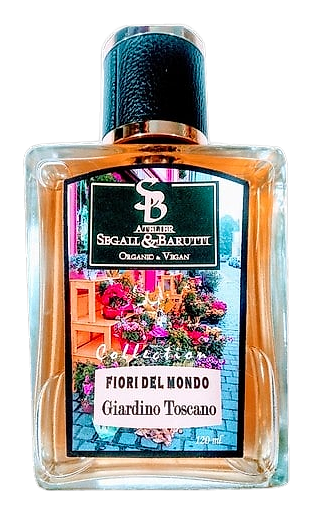
Giardino de Toscana arrived in 2019 from Tzivia Segall. The concept: a garden that exists somewhere between memory and desire. Not a postcard rendering. Something felt. Segall built it from materials that carry heat and weight: black orchid for intensity, saffron for warmth, rum for that slow-burn sweetness that makes florals feel dangerous rather than fragile. The black orchid brings a dense, almost waxy quality that anchors the opening, while saffron adds that characteristic warm-spice reminiscent of dried flowers left in the sun. The rum introduces a boozy sweetness that wraps around the florals, making them feel richer and more grounded. Together, these materials create an impression of depth and warmth that lingers rather than dissipating quickly.
Sweet and sharp. Floral and boozy. Leather and suede. These contradictions exist side by side in Giardino de Toscana, unexpected pairings that only make sense once you're already in them. The night-blooming jasmine weaves through the composition with a subtle sweetness that complements rather than clashes with the rum. The sunflower adds a grainy, almost honeyed warmth that keeps the florals from being precious. Brazilwood keeps the structure grounded, a dry woodiness that prevents the heart from floating away. As the scent develops, the leather emerges, adding depth and complexity.
The evolution
The opening arrives fast and full. Black orchid hits first, dense, almost waxy, followed immediately by raspberry's bright tartness. The saffron sneaks in behind, adding that characteristic warm-spice that smells like dried flowers left in the sun. Thyme is subtle, a green herbaceous thread that keeps everything from becoming too sweet. Thirty minutes in, the heart takes over and everything shifts. The rum opens first, sweet, boozy, the smell of sugar cane and warm evening air. Then the florals arrive: jasmine night-blooming, neroli cutting through with its bitter-orange brightness, sunflower adding a grainy, honeyed weight that feels almost edible. Brazilwood keeps the structure grounded, a dry woodiness that prevents the heart from floating away. As the drydown approaches, amber rises first, warm and resinous.
Cultural impact
Atelier Segall & Barutti created Giardino de Toscana as a narrative character study, reflecting the house's tradition of treating fragrance as storytelling rather than mere commerce. The perfume exists at the intersection of olfactory and visual art, drawing from the poetic atmosphere of Tuscan gardens. Its cultural relevance lies in challenging conventional niche fragrance boundaries by presenting landscape as wearable memory. While not yet a mainstream classic, it has developed a devoted following among collectors who appreciate its unique blend of warmth and restraint.